The integration of AI into law enforcement marks a significant leap in administrative efficiency, yet it forces a critical re-evaluation of the boundary between public safety and personal privacy. This evolution in policing is as much about social control as it is about technological progress.
Instala nuestra extensión para buscar dentro de cualquier video al instante
Police Robots Are Already Working—And It's Changing EverythingAñadido:
The journey of integrating AI robots into public safety is just starting. As their capabilities grow, so will their role in society. The future of law enforcement will heavily rely on these robots. Their presence will transform not only policing, but public life itself. Robots are quickly becoming an essential tool for modern security systems. With every advancement, robots will become more autonomous and effective. These machines will adapt to the everchanging needs of law enforcement. They will seamlessly blend into everyday operations, making them invisible. Robots will be able to analyze situations and make decisions on their own. Their AIdriven decision-m will be based on real-time data and analysis. This will allow them to respond faster than any human officer could. Their presence will increase safety while reducing risks to officers.
The next step is to fully integrate robots into the daily routine. From traffic control to high-risisk operations, robots will handle it all.
These robots will take over dangerous and repetitive tasks with precision. As they continue to evolve, their functions will expand beyond law enforcement.
Robots may soon take on roles in health care, education, and emergency services.
Their utility will extend far beyond their current use in policing. The real impact will be felt when robots become fully autonomous.
These robots will work independently, patrolling cities 24/7 without human help. As robots gain autonomy, they will make split-second decisions with accuracy. This will enable them to respond instantly to emergencies and prevent crimes. They will play a critical role in securing public spaces and sensitive areas. The presence of robots will provide constant surveillance and early detection. Crime rates will likely decrease as a result of AIdriven patrols. These robots will work side by side with human officers, not replace them. The combination of human intuition and robotic precision will be powerful. Their ability to adapt to any environment makes them highly versatile. The future will see robots participating in complex law enforcement operations. They will be deployed in the most challenging environments and situations. These robots will handle dangerous tasks such as bomb disposal and rescue missions. As robots become more capable, their role in policing will expand. Public safety will be greatly enhanced. As robots are deployed globally, the integration of robots into law enforcement will change the landscape forever. The shift towards robotic assistance will redefine how we perceive security. These robots will take on the most taxing jobs, improving efficiency. With faster response times, public safety will be better than ever.
Their technological advancements will ensure they're ready for any challenge.
We'll soon see robots working in tandem with drones for comprehensive security.
Together, these technologies will create an interconnected security system. As robots evolve, they will become more sophisticated in their tasks. Their learning abilities will make them even more effective over time. These robots will not just patrol, they'll prevent incidents before they happen. AI robots will play a pivotal role in preventing crime and violence. The efficiency they bring will reduce human error and improve outcomes. They'll monitor entire neighborhoods, giving citizens a sense of security. With AI powered analysis, they'll help identify threats before they escalate. Their role will be vital in ensuring public spaces remain safe and secure. These robots will continue to evolve, learning from every interaction. Each new development will expand their range of responsibilities.
The goal is clear. To create safer, smarter cities through robotics.
The more integrated robots are in law enforcement, the more effective they'll be. This evolution of policing will lead to better outcomes for society. These robots will help reduce crime and protect citizens everywhere. Their ability to learn and adapt means they'll always stay ahead of threats. The future of policing will be more efficient, faster, and more precise.
As technology progresses, the line between humans and robots will blur.
Robots will complement human officers, allowing them to perform their best. AI and robots will drive the future of public safety. The collaboration between humans and robots will create a safer world.
From monitoring traffic to managing high stress situations, robots will excel. We will soon see robots in action, ensuring better protection for all. The widespread adoption of robots will drastically improve community safety.
The robots of the future will be the guardians of our streets. They will operate with a level of efficiency and consistency unseen before.
The integration of AI robots will reshape how we approach security. Their presence will help build stronger, safer, and more resilient communities.
As robots become more advanced, their role will only increase. We're standing on the The advancements in AI and robotics are happening at lightning speed. What was once seen as futuristic is now a reality. We are witnessing a revolution that is reshaping public safety. Robots like Kai and Unitry are already proving their worth. Their agility and precision make them ideal for modern policing. As these robots become more widespread, their capabilities will grow. AI robots are not just tools, they are partners in security. Their integration into law enforcement agencies will change everything. With the right data, these robots can predict and prevent crime. By analyzing patterns, AI robots can identify threats before they escalate.
This predictive capability will revolutionize how we approach law enforcement. These robots won't just react, they'll anticipate and prevent problems. This shift will lead to a more proactive approach to public safety. The next step is to expand these robots roles in society. They could assist in disaster response, humanitarian efforts, and more. By deploying robots in diverse environments, we create a safer world.
Their use in non-p police roles will also grow in the coming years. AI powered robots will transform how we interact with technology daily. They could assist in homes, schools, and hospitals, improving safety everywhere.
The potential for humanoid robots to serve in health care is vast. Robots could assist doctors, monitor patients, and provide aid. This shift isn't just about public safety. It's about better living. As AI technology improves, the robots themselves will become smarter.
Their learning abilities will allow them to handle even more complex tasks. In law enforcement, this means they'll assist in investigations and operations.
Robots could assist with crime scene analysis, data gathering, and more.
These advancements aren't just improving police work, they're redefining it. The role of AI in policing is growing every day. As robots handle routine tasks, officers can focus on complex matters.
This will lead to faster resolutions and better outcomes for the public. The next phase of policing will integrate AI robots into every aspect. These robots won't just patrol. They'll actively work with officers. They'll be equipped to handle dangerous situations with precision. In crisis moments, these robots could save lives with quick decisions.
The AI powered robots will take on high-risk tasks, protecting officers.
They will enter hostile environments that would otherwise endanger human lives. The use of robots will become standard procedure for police departments. As robots become more autonomous, their use will expand significantly. The question is no longer if, but when they will take over. The future of law enforcement is being built today. These robots will be the foundation of smarter, more efficient policing. AI robots will become as integral as the officers themselves.
Their technology will evolve, keeping up with the needs of policing. They will become the cornerstone of public safety systems worldwide.
As they become smarter, robots could eventually operate autonomously.
This autonomy will allow them to patrol and respond without human aid. The robots of the future will be capable of independent decision-making. They will adapt to new challenges and environments on their own. This independence could lead to even more rapid response times.
With every advancement, robots become more capable of handling complex tasks.
This level of efficiency will help law enforcement work smarter, not harder.
Public trust in robots will grow as they prove their effectiveness.
As robots handle more responsibilities, officers can focus on highlevel tasks.
The future of policing will be a partnership between humans and robots.
Together, they'll create safer, more resilient communities everywhere.
The integration of robots will also enhance community relations. People will see robots as protectors, not replacements for officers. The robots will operate transparently, providing better public visibility. This visibility will help build trust between the community and law enforcement. As their roles grow, robots will play an essential part in policing. Their efficiency will reduce response times, ensuring quicker interventions. They'll be able to monitor large crowds during public events. Robots will ensure that law enforcement is always present and active. Their deployment in public spaces will create a safer environment.
AI powered robots will play a major role in securing critical infrastructure.
From power plants to transportation hubs, robots will monitor key areas.
These robots will become key players in maintaining national security. Their presence in everyday life will make society safer and more secure. The future is clear. Robots will work alongside us to protect society. The AI robot revolution is just beginning, and it's here to stay. In a world driven by technological advancements, AI robots are emerging. What was once confined to laboratories is now unfolding on streets. Imagine humanoid robots walking alongside police officers in real life.
This isn't science fiction. It's happening in cities worldwide.
China is leading the charge in integrating AI robots into policing.
SWAT teams now deploy humanoid robots for critical operations. These robots guide traffic, patrol neighborhoods, and even assist with drones. The world has witnessed drones, but robots add another layer of security. The revolution isn't just about robots. It's about smart policing systems. With AI technology growing rapidly, the future of policing looks different. These robots aren't just for show. They're an essential tool. They represent a shift in how law enforcement approaches safety. The use of robots is transforming cities into high-tech hubs. From Guangjo to Hjo, China is pioneering robot-led patrols.
Robots now assist police in managing massive crowds during holidays. They're not only patrolling, but also actively engaging with the public. These robots can communicate, direct, and even warn people. AI powered robots are capable of adapting to realworld environments. This breakthrough has profound implications for public safety worldwide. Imagine being guided by a robot on your daily commute. These robots provide invaluable support during critical moments. In Guangjo, drones and robots collaborate for smart patrols. Smart patrol systems leverage advanced tech to monitor streets 24/7 using AI. These robots detect anomalies and respond in real time. The blend of human expertise and robotic assistance is unstoppable.
With AI's everexpanding capabilities, the future is near. Guangho's smart patrol system is a glimpse into tomorrow's world. These robots aren't mere tools. They're becoming vital partners.
The growing presence of robots signals a shift in policing practices. From routine traffic management to emergency responses, robots help everywhere. In Hongjo, humanoid robots are actively guiding traffic. They direct vehicles and pedestrians with precision and efficiency. By using advanced AI, robots can make split-second decisions.
Traffic control becomes seamless and much more accurate. As robots take on such roles, officers can focus on critical tasks. These humanoid robots are designed for agility and human interaction. Their designs allow them to operate in crowded urban spaces. These robots are not bound by traditional limitations of human officers.
Their physical and AI capabilities surpass typical expectations for law enforcement.
In essence, they are pushing the boundaries of what's possible. The affordable price point of these robots makes them accessible. China's vision includes mass-roducing humanoid robots for widespread use. Unitry has already dropped the price of their humanoids to $4,290.
Lower costs mean these robots can become everyday tools. The affordability factor is critical in enabling widespread adoption. With mass production, robots become available to more cities globally.
As robots enter mass production, their efficiency skyrockets. These robots are now being integrated into security forces worldwide. Cities around the globe are racing to implement these technologies. They provide an extra layer of protection that wasn't possible before.
A more secure environment is a big draw for smart cities. The use of robots to patrol streets is a growing trend. Their presence increases public safety and crimerevention efforts. Law enforcement agencies are embracing this technology at record speed. While robots help police, they also give citizens peace of mind. In an age of rapid technological evolution, these innovations are inevitable. Robots like KAI are demonstrating capabilities never before seen.
KAI boasts 115 degrees of freedom, making it incredibly agile. This level of mobility allows for highly effective public safety operations. Robots like KAI are paving the way for future advancements.
Kai's technology could redefine how police operate on the streets. As the robots get smarter, their range of tasks expands. Soon, they'll be capable of responding to more complex scenarios.
We're witnessing the convergence of AI, robotics, and public safety. The integration of robots into policing systems is inevitable. This tech isn't just improving law enforcement, it's transforming it. From prevention to reaction, robots make law enforcement more effective. They create a safer environment all while boosting operational efficiency. With these advancements, the future of policing is becoming clearer. We are on the brink of a new era in public safety.
Videos Relacionados
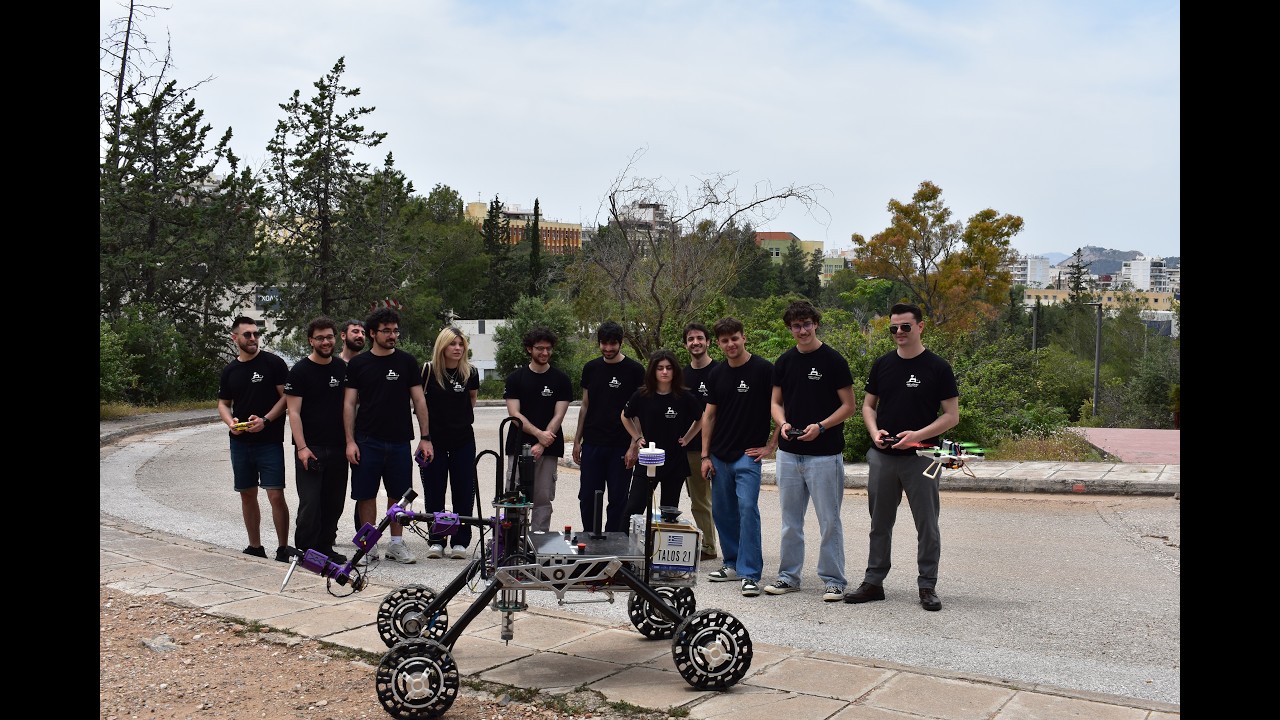
Beyond Robotics | European Rover Challenge 2026
beyondrobotics
189 views•2026-06-01

Beatbot Sora70: JetPulse Technology and AI obstacle avoidance and navigation!
DroidModderX
26K views•2026-06-02

Tesla FSD 14.3.3 Hits Phoenix Streets - FIRST LOOK
anthonystesla
114 views•2026-05-29

Elon Musk Just Revealed Fremont Line for Optimus Gen 3 Mass Production
TheAINexusOfficial
180 views•2026-05-30

人機一体「零式人機 ver.2」 子ども企画【おもしろ発見!モビリティー】 #乗り物 #automobile #robot #shorts
KyodoNews
1K views•2026-05-28

Reachy Mini: the $300 open source robot you can actually hack — Andres Marafioti, Hugging Face
aiDotEngineer
662 views•2026-05-29

China’s New Luna AI Robot Looks Shockingly Human...
NextGenHumanoids
850 views•2026-05-28

柔軟指×AI画像処理食品の仕分け作業システム!#柔軟指 #ロボット #自動化 #製造業をもっと盛り上げたい
KiQ_Robotics_Corp.
113 views•2026-05-28



