Nicole provides a sharp reality check on why information alone isn't transformation, highlighting how our biological craving for safety sabotages our logical goals. It’s a practical guide to outsmarting your own brain’s resistance to the unfamiliar.
Install our extension to search inside any video instantly.
Day 1. The Getting-Done, Getting-Paid Brain
Added:Cool. Yeah, I can't hear you, Tina.
[sighs] Hello everyone. Oh, I need a joint from Hello everyone.
How are you all? I'm just logging in on my YouTube as well so I can see all the comments coming in. [sighs and gasps] Hi.
We're just going to wait a few minutes for everybody to join. In the meantime, if you could just let me know where you are calling in from. I'm just going to lift this up a little bit cuz I want to see. Hi, Sam.
[snorts] [sighs] [gasps] Hello.
Oh, I can actually see the comments on here, which is great. [snorts] Could you all let me know where you're calling in from? I'm very very um Greece. Ooh, fun.
Amazing. Thank you to everyone that's joining while we're in the middle of a Wimbledon um center court match and uh the football should be on later as well.
So, really appreciate you all for being here. I actually realized that this was probably one of the worst weekends to host a webinar, but nonetheless, super grateful that you all made it.
Okay, loads of people from the UK, which is great.
Sorry, I just removed myself by accident. [gasps] Um, Brill.
Guys, just bear with me one sec. I'm just having a minor issue with my screen. Um, and I'm just going to send it to my support team.
If you could all let me know in the meantime where you're coming in from while I just sort this out cuz I technologically I wouldn't say I'm disadvantaged, but something's gone a little bit arai.
[snorts] I don't know why.
Oh, there we go. Okay, I fixed it. I fixed it. Solutions, not problems.
[laughter] Oh my gosh. Okay, loads of people from all over the world as per usual. Hey Nikki, hello everyone. [snorts] Spain, Washington, Miami. Amazing. Canada.
Canada. I'm actually coming to Canada in September. Um, my family live in Vancouver where you are from, Joyce. And um I have a job in Whistler and I'll be going to uh Vancouver to see my family, which is very, very exciting for me. I haven't seen them in about 25 years. So, wow. Guatemala, Brazil, Colombia, amazing. Um, again, I'm just going to give it a few minutes for everyone to join, but I'm super grateful that you have all um joined on such a busy weekend. I don't know if you're all sports enthusiasts, but the tennis, the Wimbledon is on and so is football, although that will only be on a little bit later, but you know, there's always stuff going on. So, I'll give it another minute. And yeah, cuz I'm having issues with my light today as well, so I do apologize. Um, I'm full of solutions today. No problems. I'm not going to let a ring light bring me down.
[sighs] Brill. Okay. Thank you for joining in so early in Indonesia. I really appreciate that. Um, my goal is to one day be able to host morning and evening um, webinars that I can cater to everybody all over the world. So, thank you. Oh my gosh, South Africa rugby is on. I am half South African. So, um I should have known that, but I didn't. So, thank you for letting me know, Brill. Okay, we'll get going. So, again, thank you all so much for joining in. Um today, we're going to be talking about some very exciting brainbased tools as per usual um to create real change in your life, your clients, your practice. This is d um directed mostly to practitioners.
However, if you're not a practitioner, it is more uh than applicable to you as well. Whether you're in business or whether you just want to be here for self-development. Um I've always uh tailor my webinars to cater for everybody, but traditionally it is a little bit more catered towards practitioners. So I am very excited for this. My inbox has been flooded with DMs with people saying that they've been excited. So just really happy to be here. So I'm taking it that you can all I take it that you can all hear me because um you're all responding. But just in case you can't, let me know in the chat and my support team can um help you or we can figure it out. [gasps] For anyone that doesn't know me, because there are some people that are joining in from YouTube. YouTube is an amazing platform to be able to host these webinars, which means that we do get people sometimes that don't know who I am. So, if you don't know who I am, I'm Nicole, um a neuroscientist and author of Rewire. Um I've also just written my second book, Mental Currency. It's coming out next March. [snorts] Um and yeah, I'm keynote speaker. That's actually what I'm going to Vancouver, sorry, Whistler for. Um, I'm doing a big keynote event with Arctics, which is an amazing hiking brand. So, yeah, I'm always flying all over the world. It's one a part of my business that I don't really discuss a lot on my page. Uh, but I'm constantly here, there, and everywhere for different companies, different organizations, different summits, events. So, I did Forbes last year. So, I'm always sort of um consulting for Fortune 500 companies.
Deote being an example. And it gets very niche. Sometimes I help with policy change. Sometimes I help with product development. Um so I've actually worked uh with some self uh skincare brands to develop um skincare which very very random but I get um asked to consult on either the science or the policies around different organizations. Very random, very niche, but thought I'd drop it in because I I know that a lot of people don't know that about me and I just don't think it bodess well with my Instagram. Not that it doesn't bode well, I just I don't need to post about it, but maybe I should post about it a bit more. [gasps and snorts] but it's one part of my job that I really love.
Um, so I'm that's why I feel really called to want to talk about this. So again, if you've been to many of my webinars, you will have heard the sad story before, but for anyone that hasn't, um, one of the reasons that I talk about this is because I want everyone to know that we are more than capable of making any change. Um, I basically failed high school. I mean, I finished with 48% which is technically a pass, but um, if you don't consider that a fail, then that's great. However, no single university in the entire world will probably accept you with a grade of 48% especially in math, science, and biology, uh, and physics. It was as well. So, I basically redid all of my schooling in my 20s. I went back, I did my GCSEs at the age of 24, which is what you're supposed to do when you're 15.
And then I redid my A levels in the UK.
Um, I did a access to medicine course.
If anyone's interested, by the way, if anyone feels like they want to redo their life and go into any kind of scientific um um academic route, you can redo something called um uh access to medicine, which is pretty cool. It gives you the opportunity to join a university. But I also um have created Brain Lab for this very reason as well.
Um even though it doesn't give you the university credentials, but for anyone that wants to um continue their professional development. So yeah, I now, you know, as I said, talk speak with a lot of companies, work with a lot of companies and I've written books, which I think um is I think it is great.
Um and I think that often we don't congratulate ourselves enough. So if there's any little thing that you want to congratulate yourself on today, then this is your time to really do this. Um I don't think we stop and smell the roses enough sometimes. So I'd love to know from you what brought you here today. So drop uh the number in the chat. So um maybe you work with clients, maybe you want to understand your brain, maybe you're a coach, therapist, practitioner, um maybe you are wanting to explore neuroscience as a career path or maybe um it's something else. So just let me know.
Amazing.
Amazing.
Cool. So, I think the um I think my positioning has been working because yes, I was directly speaking to people who really wanted to explore neuroscience as a career path or maybe are already a therapist practitioner, want to go deeper, um or people who want to maybe um deepen their tools with with the clients that they work with. And yeah, of course, as per usual, I'm always working with people who want to understand their brain, their habits, focus, emotions, etc. So, uh, amazing leadership coach based in neuroscience.
I was very motivated by this because I was getting so many messages by leadership coaches, by therapists, by practitioners, um, saying that they wanted to um, uh, yeah, explore a deeper path when it came to neuroscience. So, brilliant.
Love all the answers. Thank you. So, um, this is how today's going to work. It will run between an hour and a half to two hours. I've put two and a half just in case, but I don't envision it will take that long. Um, purely because the Q&A always becomes so interesting and I really want to answer everybody's questions. Um, so please stay to the end because a replay is not guaranteed and I will answer any questions you have right at the end whether they are personal questions or whether they are something that you want to express or questions about um today's slides um I will be there for you at the end. So uh what I'm going to show you today is the market opportunity that's opening right in front of you exactly and how to seize it. is something that I've been, as I've said, working on behind the scenes that I haven't really discussed a lot on my page. Um, how brain-based tools are becoming the new standard for coaches, therapists, practitioners. Um, and I'll jump a couple of slides ahead, but you know, you may may have seen me talk about this. Nike, for example, is dedicating an entire department to brain health and brain performance. Um, Goldman Sachs, so not just sports companies per se. um you know um traditional fortune 500 companies are investing in this right now as well. So this is how neuroscience can help you work with stress, focus, emotional regulation, habits, energy and decision- making.
So one more thing before we begin at the end of today we're opening the doors to the brain lab um the applied neuroscience program that I've been working on. So I know that some of you guys have already taken the course um in person or online. I I I recognize names.
So it's a CPD accredited course that I have been working um on behind the scenes to get accredited with the continuing professional development body. So it it it went through a lot of stringent um uh phases if you will to get to the point where it was actually available to be uh yeah uh to the to the public. So, it's the first time that this methodology is available in this uh format because um yeah, personally I do think that it's a once in a lifetime opportunity because it hasn't really hit the mainstream yet. This kind of neuroscience coaching that is toolbased.
I've got a lot of PhD scientists, colleagues of mine that are friends of mine wanting to do this, which I think is a huge honor to me because even though they have no knowledge, they want the framework and they want the tools.
Um which is something that I freely give out. Um, and you'll see that the entirety of Brain Lab is uh based on a lot of frameworks that I Hello Monica. I I I know you. Uh, it's nice to see you here. Yes. Thanks, Sam. So, yeah. Um, this you'll you know this if you haven't been to this webinar before, I ran something similar with Charlotte. Um, there will be loads in here that I haven't spoken about before. So, I know that some of you have come to a lot of my webinars. So, um, you'll be able to gather a lot of information from this.
So, at the end, you'll receive a 7-day goal activation workbook. So, I always want to make it um fruitful for you, and you'll be able to take this and use it with your practitioner, sorry, with your clients if you're a practitioner um with yourself if you are in self-development, maybe in your business as well, if you're a leadership coach. Um because I think it's an amazing practical guide that will help you move from intention into action using these brain based principles that we are discussing today.
So, I love giving away um frameworks that you guys can use regardless of whether you decide to stay on for the brain lab or not. Um then we've got a premium practitioner positioning guide.
So, we'll uh will help you um uh communicate your work so the right clients immediately understand your value and why they need to work with you specifically. So, again, this will um be available to you at the end of the call.
So, if you are a practitioner, this will be an amazing guide for you. I know that a lot of practitioners struggle with imposter syndrome, um, confidence, the fear of being seen, the fear of pricing themselves. So, this will give you a little glimpse into being able to kind of take that next step and maybe, um, give you that permission to branch out of your niche because I know I've been speaking to some of my old clients, my old students who have even taken the CBD course already, but still have that kind of imposter syndrome around how they can position themselves in the market. So this um practitioner guide is designed especially for that. So yeah um for everyone in the room, what we're about to cover is why we're both here today.
So to show you the opportunity that's sitting right in front of you and why most people are missing it. So something has changed and I think we can all feel it and I think that most of you already probably know what it is and that is that in the last 5 years the world has shifted in ways most of us weren't prepared for. Okay, so people are more overim stimulated than ever. Um, we're more distracted. We're more burnt out. I think they've put crack in the algorithms to be honest. Um, someone messaged me. I think it was um, uh, Hannah, is it Hannah that messaged me?
Somebody messaged me. Um, Heather messaged me, that's it, on Instagram showing me that they're cracking down on um, Meta for basically having these algorithms designed to be so incredibly addictive. But unfortunately, you know, we are still um feeling the brunt of this emotional overload and yeah um I think that in the sphere fear of self-help there's so much of it and what I see a lot is that a lot of people are aware of their patterns but somehow are still stuck in the same cycles because seeing something and knowing what to do is very different to being actually being able to execute it and do it. So we have more information available than any generation in history. I mean we've got podcasts, books, meditation app, um habit trackers, morning routines. We also have AI which we can ask questions to. We've got the worldwide web which I think um has been taken for granted that we can um yes uh yeah so there has been never there has never been more access to self-development and for some people the real change still feels harder than it should and I see this a lot with people who come to me and they say I know I know all the terminology I know all of the words and the information but I don't know how to get from A to B. So if we rewind 10 years, the selfdevelopment world has answers. Okay? So motivation, mindset, productivity hacks, morning routines. It told us that if we just take action and it worked for a little while, but at least it felt like it would have.
So the problem now is that people know exactly what they should do. They can explain their patterns back to you in a clinical language. They've got the right terminology, as I said, and their brain and body keep pulling them back into the same patterns anyway. So I don't believe that this is a knowledge problem. I think that um something else is happening. And the contradiction that we need to understand is that information alone created the transformation. Sorry, if information created transformation, most people would already be calm, focused, consistent, emotionally regulated and clear on their direction.
Because one of the things that happens when we read a self-help post or a self-help uh video, we listen to a podcast, it gives us a little bit of a dopamine spike and that sense of feeling like we have control. And then unfortunately in the sea of all this knowledge, those posts disappear. We forget about them. We save them. We never go back to them. And then we've kind of lulled ourselves into this false sense of security that we know what we're doing and that we know how to change. But then it's a very different story actually applying that mechanism in your day-to-day life. So hopefully today I'll be able to help you unpack that. But we have to ask ourselves a better question. Okay, what is actually happening inside the brain and the body to make real change so difficult? Um, and I don't want to say that in a way that gives us no hope and no ability to do that, but a lot of people will start out on a Monday with all good intentions and kind of say this is the this is the week that I'm going to finally do that thing. and then by Friday you have may have even forgotten. [sighs and gasps] So in 2026 people need tools that work with the brain and the body. So all of these different um behaviors and types of regulation, focus, behavior, change emotion, etc. And here's where it gets interesting is that alongside all of this AI happened. Okay, so people are turning to chat GBT for affordable ondemand therapy. And I would love it if you could maybe drop in some thoughts um because it's pretty scary that CHBT may be the largest provider of mental health support in the United States right now um which is pretty wild.
So does that mean it's over for coaches and therapists? I get so many messages from therapists, coaches saying that they are worried about the future of AI, worried about their patients using AI, uh worried about the fact that they might lose their jobs. Um, and we're going to tackle all of that today because I think it's a very very important question. I've been doing a lot of reading and research around.
Obviously, I can't I'm not an AI specialist. I can't tell you where I think AI is going to go, but I definitely understand human behavior and I can tell you that I think uh where human behavior is going to go and what it means for us. So I truly believe that it is the opposite for coaches, therapists, practitioners or whether you're a leader or I I truly believe that the more that advice becomes generic and becomes automated and becomes um on demand, the more valuable deep real human guidance becomes because people will always be attracted to that human connection, right? Um, in an ideal world, a patient or a client would use AI as a supplementary tool and would not necessarily believe it because we know AI hallucinates. We know that AI is designed to agree with you. Um, exactly.
It does not bring the human element and it will never it will never um compare to what humans can do. And I truly believe that we are also um starting to feel that it's not natural. is not normal and I can see that there's a lot um of shift towards more in-person events. So, interestingly enough, just a side note, I'll try not to sidetrack too much. When Rewire came out, it was still pretty much after the pandemic. It was still fresh. It was 2023 and people were still kind of inclined to want to stay at home, which I think is like a habit that we all acquired through the lockdown, through the pandemic. But now um you know and at the time my publishers were saying things like um people won't come to in-person events, people won't come to book signings, there's no incentive for them to come, blah blah blah because it's free events.
They you know they're not going to do that and and they they wouldn't. People did not categorically want to really attend to these events. But now I'm seeing a huge shift and my publishers now talking about mental currency have got a very different um narrative around what is happening in the industry and that is that people are desperate to go to inerson events. people are desperate to go and get their books signed in person, even if it means that they have to travel across London to do so because um we've become too kind of um confined and and and we know that AI is kind of driving us a little bit crazy and as I said the algorithm I truly believe has got some kind of um addiction substance in it because it's uh it's just gotten crazy over the years. So there's a massive gap in the market truly. So on one side people who are desperate for real change so burnt out they're stuck in patterns but then on the other side practitioners who are doing their best with tools that weren't built for the problems their clients are bringing to them in 2026.
Um someone said humanmade art becomes more appreciated after AI. So I think the coaching practitioner uh world would be be like that too. And yes exactly I think that it will amplify um the people that are doing that well. So um the gap between what people need and what most practitioners are currently equipped to offer that is the gold mine. So um corporations have already started noticing this gap. They know that poor brain health costs the world economy $5 trillion a year. So the world is waking up to the crisis.
Obviously we have some corporations that are still simultaneously contributing to this problem. However, um the corporations that I've been working on are spending a lot of money on brain health. They're spending a lot of money on well-being and a lot of money on people wanting to give them proper mechanisms and answers. And I think that that's why my um speaking career is so incredibly successful in in the background. And as I said, I have I don't talk about this a lot. Um because companies really want someone that can come in. And what I love about my speaking gigs is that I will go into corporations where, you know, I had one person from a company, actually I won't mention the company in case it was an NDR, I can't remember. Um but there was a thousand people in there and he came this one person came to me and he said I've been working for this company for 25 years and this was the best thing I've ever heard because you know you see these kind of like well-being plards on the back of a toilet that tells you to go and you know meditate and sleep more but no one really explains the mechanisms why so when I go into organizations and I explain the mechanisms of what is happening at the level of the brain you can see grown people grown men grown women the penny just drops like oh I get it now like this is why I need to sleep. When I explain the concept of um mental performance and why we need to think clearly and sleep and keep track of our hardware which is the brain the component um the hardware component that is the brain um it allows us to then make software upgrades and you cannot make a software upgrade like habits changing your thoughts thinking faster thinking clearer if the hardware component hasn't been taken care of and when I explain that to corporate people they're going okay so me thinking more strategically and making better decisions and thinking faster and being less irritable at work does have a direct correlation with sleeping more, with hydrating effectively, with eating more nutritious food, not eating crisps at lunch, and making sure that their glucose levels are stable throughout the day. And all of these different um aspects of brain health and I think that that's where the gold mine is because people are now going, "Aha, I can see the link."
So, companies have essentially figured out that burnout is expensive. As you guys will know, chronic distraction is expensive, right? Emotional dysregulation across the workforce is expensive and it's not great. I work with so many companies who um just haven't got the the the tools in place to really help their people. And the human brain when it's actually working is worth more than any tool that they can build or buy. Um so the numbers tell the story. So 24 um it's at an all-time high growing at 7.9% yearover-year. Okay. On track to reach 9.8 trillion by 2029. So mental wellness specifically is growing at 12.4 per year. One of the fastest moving sectors on the planet. So the global corporate wellness market is a 68 billion um market in two in 2025. So it's projected to hit 138 billion by 2035. So that's in 9 years time. So this is a structural shift in what the world is investing in. Okay. So we are still at the frontiers of it. Um I don't want you to think that you're late to the game. I I really think that that part of my career is actually just going to pick up even more. Uh which is fantastic. And this is exactly why I want to tell you guys this now so that you can wedge yourself into this niche um and help yourselves before um before it gets um too generic. And whilst knowing that there's also a um sorry while AI information becomes too generic while there's also a very clear need for this.
Um so Gallup's 2026 state of the um global workplace report found that global well-being improved for the first time in three years. Great. Maybe what we're doing is is is working. Hopefully what I'm doing is working. But only 34% of employees are thriving. Okay. So yes, these tools may be working, but are the people that we're working with thriving, which is what you want in your workplace? You want someone that's motivated to come in that is going to work effectively, right? So that means that twothirds of the workplace or the workforce, the people your potential clients work alongside are managing um and they are just maybe just fine, which personally I don't think that that's great. So the demand is there and the practitioners equipped to meet it at the level are not yet. Um hopefully you are all the future of that. So the goal mine is the gap between. So what people are desperately trying to fix and what most practitioners are currently equipped to help them solve.
So people are already telling you what they need. So they can't focus. They're exhausted. Um they know what they should do. They just can't do it or they keep falling into old patterns. They want to change but something keep pulling them back. um the practitioners who can meet that with precision with science with tools with understanding that actually works immediately will feel different. Okay.
So it gives you that credibility it gives you that trust badge. It it makes you more needed especially as I said in this sea of gener generic uh content and generic uh answers generic um help.
This is what I see happening instead.
And I want to I want you to be honest with yourself as I say this because most practitioners are not yet on the right side of this gap. And usually it comes down to self imposter syndrome. Uh self worth. I don't want to say selfworth but it's like [sighs] that fear of being seen. Okay. And it's be not because you don't care. It's because the field is moving. The tools the positioning and the identity required haven't fully moved with it moved with it yet. So the greatest example is that I ran this uh CPD course in November and yet I'm still coaching some of the individuals from there because it on the imposttor syndrome which is why this brain lab um cohort actually has this additional um help um factor where we allow you to where I train you to come out of that comfort zone that fear of being seen that fear of charging more that fear of saying I work within the neuroscience space or within neuroscience coaching or whatever. Uh, hi Nikki. Sorry, I don't want to call you out, but I'm glad you're here. Thank you. [laughter] I was never going to say that it was you. Well, you're not the only one, though. I will say you're not you're definitely not the only one. Um, and and it's something that I think takes time to work on that fear of being seen and the imposter syndrome. And there are days when I still have it as well. Um, a lot of the people that are in my cohort right now in the brain lab are talking about the fact that they um um feel like they yeah, they have this major imposter syndrome because one of them says she's just a uh counselor. And I'm like, you're not just a counselor. Let's reframe that. But, you know, if we compare ourselves to other people, we're always going to end up on this kind of like rabbit hole of um thinking that someone else is doing better than us because maybe they are. But, uh yeah, we we'll talk about all of that. So, just stay with me because I'm jumping ahead a little bit.
Have you ever gone to raise your prices and then something stopped you? I think we can all resonate with that. There was a time where I was charging 125 uh dollars per month for four sessions, which is really low. Um and yeah, there was it was a long time before I could kind of feel that trust in myself to charge more. And it wasn't trust in my knowledge, it was trust in, you know, that fear of being seen, the imposter syndrome. So, [gasps] I think a lot of people re resonate that with this that every time you go to raise the [clears throat] rate, something pulls you back like hesitation, an excuse, or you may say things to yourself like, "Let me wait until I have more experience." Um, so drop a one in the chat if you know exactly what I'm talking about. And I think I will drop a one as well because I definitely know what I'm talking about when it comes to that. [laughter] Um, brill. Yeah, very very um common.
Yeah. So, the hesit the hesitation you feel starts when you don't fully trust your own method. Okay. So, can I really deliver the transformation I want to promise? And I say this to people as well who want to do public speaking.
when you're on stage. Yes, there there may be other um there may be other factors that are um pulling you back, but usually when you know the content, when you trust that you understand the mechanisms of what you're explaining down to the very level of exactly what you're talking about, usually that goes away because when you trust that you understand the knowledge fully, you essentially merge or close that gap between who where you are and where you want to be. Okay. So, AI then starts to feel like a safety net. So, you use it for better words, better explanation, better client responses. I had this the other day when I was writing my acknowledgements for my book and there was something I wanted to check with AI and I was like, why would AI need to know how to thank my publisher [laughter] and I stopped myself from doing that?
But it was this hesitation of thinking that I hadn't worded a sentence correctly. And I was like, "Oh my gosh, like I've written two books without AI and I've, you know, done two degrees without AI." Like, I don't need to ask AI for help on an acknowledgement section. But I can even feel myself sometimes doubting myself and wanting to check things. And that's um where the danger is is that when it starts to become a safety net and you just want to use it for better words, you just want to use it for better explanations and then you start relying on it too much.
We need to check ourselves. So the fear then gets louder. Okay. So why would someone pay me if AI is helping me explain my own work? And that is something that I've heard directly from a client.
There's nothing I you know I don't I think and I think using AI is totally fine. I' I've saw a um an amazing neuroscientist talk about this the other day. She was saying that of course she uses AI but with very strong guard rails. And I love that because um there are ways to use AI that are going to help us. Of course like we we should in in many ways. Um but it's that cognitive debt of outsourcing our thinking, our ideas, checking things to AI that's when it starts to become really dangerous, really scary. So this is where the split happens. So generic practitioners become easier to compare. Brain B brainbased practitioners become harder to replace because AI can give the same information. But AI cannot embody regulation, attune to a client, build trust, or guide real human change under pressure and be able to pick up in the nuances of communication. You can tell so many things from the tone of what someone is saying, the thing that they're saying in or the body language, which I don't believe that AI will ever be able to replace. And the thing is I've actually looked into um language models and the human brain and even though AI can process information a lot quicker than we can, we actually surpass AI in very many ways and when it comes to retention um and when it comes to um the ability to hold information as well.
And I know that that doesn't feel like it. When I tell people that they always go, are you sure? I'm sure because I've looked into it. And what's amazing is that if we are unsure of that, that's just a reminder of how amazing your brain is. Okay?
So this affects every kind of practitioner. Life coaches, therapists, counselors, nutritionists, health coaches, fitness coaches, breath work facilitators, mindset coaches, NLP practitioners. I see this all over and I work with a lot of people onetoone in this space specifically. So the field is moving. Your clients are evolving faster than most people realize. And the practitioner who stays where they are in their tools, their positioning, their identity, that's the important part will find themselves competing with free which is AI. Okay. And the identity part I think is personally the most important part. So most importantly all of it starts to affect your life. So the life where you choose your clients, your hours, your income and finally feel spacious enough to do work that matters is absolutely possible. Okay. But that version of you, sorry, that version of your life requires a different internal operating system than the one that keeps pulling you back into stress, overthinking, and survival mode decisions. If you can resonate with that, I would love to hear from you.
[gasps] Sorry, I'm moving around a lot, guys, cuz my legs are really sore. I went on a huge hike this morning. Um, [sighs] yeah. Um, we'll let's let's talk about this. I actually want to hear from you a little bit more in the comments.
sorry in the question Q&A section um because yeah I I um I really want to hear from you. [snorts] So the modern client is looking for the practitioner who can help them create change at the level where it has actually been blocked and that practitioner earns more gets referred more attracts better clients and creates deeper impact that comes from within personally. So neuroscience gives you the tools to make that possible. also to work with your clients at the level that creates real lasting change to understand and explain why they keep falling back into old patterns and to help them rewire what's been running on autopilot and to do all of that um for yourself first.
So in 2026, a six-figure coaching practice is built on three things.
Science, visibility, and identity. I'm highlighting identity because you can have the science, but then if you don't have the identity, you start to have that imposter syndrome. So science of course is the foundation applied neuroscience tools and that explain why people struggle to change and exactly how to help them. Then you've got that visibility. So this is how the right clients find you, showing up in a way that's grounded in who you actually are and what you actually know. I have so many conversations with clients uh and past students about this um you know in a sea of knowledge. There's a lot of imposter syndrome on why should I be posting uh when there are 75 million other nutrition accounts or fitness accounts. But um ultimately people are going to be drawn to you as a person, your personality, the the energy that you bring. Um, and I think that the more that generic content becomes generic, the more people gravitate to um, storytelling to who you are, which is a wonderful thing because then you know that people are actually following you or buying from you because they like you, which is um, is great. I personally believe where I think maybe three or four years ago, and it's actually interesting. I'll give you guys an anecdote. When I first started Nicole's Neuroscience, it was a faceless account and it blew up really quickly. um because I think at the time people were desperate for neuroscience tools post post pandemic um there were also not that many accounts talking about the mechanisms but I think that back then it was also easier to get away with because we weren't really expecting a face on an account anymore and I think that now people are more drawn to I've seen I'm seeing a lot of storytelling um where people are wanting to hear from the person behind the account and I think that that's changed um no it's not bad at all that you find it awkward to post yourself on Insta Um, if you don't want to, you I personally don't believe you have to. There are definitely ways to do it that don't have to be on social media. Um, but we can talk about why that is a little bit later in the Q&A as well, but I I think that it's firstly it's completely normal. We were not designed to speak into a camera. We were designed to get feedback. Um, I feel comfortable on here cuz I've been doing these and I can see the comments, but you'll see my eyes are constantly gravitating to the comment section because it tells us that I'm a human that wants to connect with people here.
I don't want to be talking at a screen and hoping that people are listening, right? Um, I I really value the the the comments coming in. We were not designed to speak into a little I don't even know how a camera works to be honest, but it's this little thing that like apparently can then convey what you've just been saying to the ether, which is kind of scary when you put it like that.
Um, and it's like somewhere in a satellite somewhere. I don't know where it lives in a data center. Kind of creepy. Anyway, um, visibility is a brain pattern you can learn, build, and sustain even if right now it feels like the hardest thing on the list. Bridget will come back to that. Um, but again, I also think that there are many ways to do this without having to um post yourself on Instagram. You know, Substack um um is a great platform. Um people are desperate for long form content as well. So, you know, that's a great way for people who love writing um to to to be found. So anyway, the identity part. Yeah, the haha I hope is is laughing at the fact that we're all living in a worldwide web and it's kind of like ether that exists somewhere in space which is kind of creepy when you think about it. Um the identity part is that the piece that determines how much of your methodology message offer and visibility you can actually hold as your practice grows. Okay. Um and I think that there will be times where you will always have these levels of evolution. I had that um transferring from a faceless account to a face account. I lost 60,000 followers, which at the time freaked me out. And I was like, "Oh my god, people don't like me." You know, and I'm saying this to you guys that you can see that I have those same thoughts as a human, not for pity or reassurance. I don't want you guys to go down that route. I purely want you to see that even me with an account of the size that I have still has those same thoughts where I'm like, "Oh my gosh." you know, and I feel like only recently, I don't know if you guys have noticed, but my reels um are now performing well. And it took me two years to really crack down on reals and and and and understand how to do them in a way that ultimately came down to the same thing is that I need to be myself.
Whereas I think before I was trying to be everybody else on the internet. And you know, and I'm not blaming my publishers at all, but I remember when I first wrote Rewire, they said to me, "Oh, we love um Dr. Julie's content.
we'd love it for you to do content like that, but like make it neuroscience. So, in my head, I was trying to be somebody else. I was literally trying to be somebody on Instagram, but make it neuroscience. And that tripped me up for so long because my content wasn't doing well. My reels were underperforming for and I would actually lose followers as well. Um, and again, I'm telling you that because of the identity part and it was only until I literally came off social media two or three months ago and I literally took a hiatus for I think it was two weeks. Unfortunately, I wanted to take longer, but I couldn't because I have a job and I have to earn money, that old chestnut bills. Um, and I had a real conversation with myself where I was like, who are you, Nicole? Like, what do you want to do when it comes to content? And I was like, ultimately, I just want to convey good science. And I think that now it really transpires through the content because you can see that I'm not trying to be somebody else.
And I've actually purposely left all of my old reels on my page. So, if you want to go and entertain yourself, um, go back and have a look at some of my content where you will see that I'm blatantly not comfortable being on camera. And knowing now what I was going through, I was trying to be everybody else on the internet but myself. So, that identity piece for me is extremely important because I know that when we look at the data, it's the it's the missing piece on everything because when your beliefs match your older version of you, you keep undercharging, overexlaining, hesitating. people can tell when you're delivering content that it's not authentic. Um, and it starts to pull you right back where your work is ready uh to expand. And that's what I felt for two years. And that's why I feel so called to talk about this because it was such a transition for me to be able to feel confident within myself and come back to myself and what I wanted to do online um to convey good science. Right?
So yeah, I'm going to I'm going to I'm going to talk a lot more about this and I'm so happy to share that with you guys because I didn't get to share these this I want to share this kind of stuff on reals but I never do. So this is why I love the webinars cuz I want you guys to see that I've gone through similar um things. Thank you. Appreciate that, Bridget. So most practitioners are trying to build a bigger practice. So while still carrying the identity of someone who doubts their authority and questions they value and feels unsafe being fully seen.
say they keep uh adjusting their strategy, polishing the offer, trying to make it perfect, rewriting the message while the real blocks lives in the belief such as who am I to charge more or what if people realize that I don't know enough yet or whatever kind of imposter syndrome narrative is showing up for you. Um feel free to to share it if you want to. Um you don't have to, but it's a safe space and I think that it's really helpful for people to see that we are all pretty much living parallel lives. [gasps and sighs] So the road map is science. So applied neuroscience methodology. Some of you guys already have that. Um client tools for burner, focus, stress, habits, performance. Um the CPD accredited uh accredit certification. Um then there's the visibility part. So the personal brand and the authority positioning uh the social media strategy that attracts the right clients. And again, my biggest message to everybody is even with my boyfriend now who's trying to break into the music career, and I commend him because he's leaving finance mid-30s to go into music. And I'm like, but he's like, I have to do it. [snorts] And I said to him, I was like, you can do anything you want on social media.
You can make any of it work. You can do faceless, face, whatever you want to do.
It'll only work if it's coming from the heart, which I know sounds like a copout. um statement and it's like okay sure but then how am I going to be myself it really only all of the content that I see do well except for the AI generated content which scares me um does well I personally believe because it it it pulls on a heartstring because you can see that that person is being authentic okay so that's why that identity belief is the last piece where belief wiring pricing confidence and selfworth and um the inner world that makes the outer work sustainable I really think that you can sell anything or um make anything work as long as you truly believe it. And on the other side, I think that's why we have so many people that sell snake oil because I'm like, but they actually really believe it. I I truly believe it that that is the case. So, um you know, there's a dark side to that that coin is that maybe some people believe in themselves too much. Um so, the road map checklist is do you have a methodology that explains why your clients struggle?
Feel free to tick these or answer them if you want to. Um, can you clearly articulate how neuroscience applies to the work you do? Are you showing up consistently in a way that attracts the clients you actually want to work with?
Is your pricing a true reflection of the depth of your work or is it driven by fear?
Do you have the identity of someone who is already the that practitioner or are you still waiting to feel ready?
that I completely resonate with and that is one of the reasons why I actually moved to group coaching and I'm going to give you guys an insight into my business and again I don't share this. I have a tier for everybody. I want I want to be able to help everybody. There are people who can afford to work with me onetoone. There are people there are companies that can afford to fly me to Canada. Um I don't know if it's kids to share prices but I'm happy to share prices with you guys in the price range that I get paid. But I also feel that same sentiment. I didn't come from money. I struggled a lot in my 20s. My family weren't rich. Um, you know, so I I I have that same sentiment as you. And it's not to um not help people that can't afford it. So that's why I have tears. I have my Instagram and my Substack that are always going to be free. My Substack will be reshaping into a into a paid subscription. But the science part will always be free. And I said that to my team. I said I will never want to charge for the science part where people can actually come there and take information that is going to save their lives literally. Then you've got another tier which is like the PDFs that I sell sometimes um the book which is you know around $20 and then I've got another tier which is the focus code that was around sort of $300.
Um then you've got kind of like uh group coaching and then you've got onetoone coaching. So at all levels I can match everybody. So, that's maybe something you may want to think about is providing free content for people that can't afford it because you may be living in a rural area. Or you may want to then have a different tier where you're providing a PDF that can help somebody but is still relatively affordable, like I don't know, $10, and then you just price it like that. That's what I've done personally, and I hope that that helps.
Um, because I totally have that sentiment, and I never want people to feel like, um, mental health is inaccessible. um which then ties into the same problem as to why they're going to AI, right? But we can definitely help people in different various ways and that's one of the reasons why as I said I've moved to group coaching because um I want to be able to help people on a bigger scale um with that have a smaller budget if you will.
So side note back to the uh content. So we're going to go uh deep on all of this today. So but first I need to show you something. So because most of us have been approaching change backwards and once you see it you can't really unsee it. So why do smart motivated self-aware people stay stuck?
It's known as it's yeah sorry known as the aware but stuck loop. You may know this loop. I know this loop very very well. In my 20ies I was probably stuck in this loop for a very long time. So you know why you hesitate before showing up online. You know why you undercharge.
You know why you pull back when things start to go well. You know all of this yet you still do it. So that is the gap between your conscious mind and your subconscious wiring.
Yes. Stay till the end and we I'm happy to discuss all of that. I'm not a gatekeeper of information. Um I don't know if it's kit to share u money prices and stuff but I think it's really helpful in this industry when we don't really know um what other people are charging. So I'm I'm an open book. I'm more than happy to share that um Lorraine. So stay till the end and we'll actually discuss this and then you guys can give me um you maybe we can hear what other people are doing as well. So [snorts] here's what your brain is actually doing. So your conscious mind, the part of you that makes decisions, sets intentions, reads the slides runs about 5% of your behavior. Okay. The other 95 95% is running automatically. So patterns, responses, reactions that are built from years of experience uh emotion, repetition and survival. And that imposter syndrome lies within that fear of stepping out of that comfort zone because of what you know to be safe.
And your brain's first priority is not your success, it's your safety. So when something new, a bigger price, a bigger audience, a bigger version of you of your identity triggers what feels like danger, your brain doesn't stop to ask if it's good for you. To be completely frank again, because I'm an open book, when I first started doing these webinars, I was freaking out about the fact that I felt like I was selling you something and I was like, "Oh my gosh, like all this imposter syndrome around."
Yeah. All of this. I had to like rewire and my team is probably hopefully laughing at me right now because they will know that I was literally like an anxious me. Not an anxious mess, but I was like it it took some time for me to get comfortable with being able to convey this because ultimately, you know, um it it's part of the process is being able to close that gap where you can feel confident in knowing that you have something to offer, right? And that's why I feel so called to be able to talk to you guys about this because so many of you guys are still in that same um in that same place.
So it asks your brain asks is this familiar? So familiar is safe, unfamiliar is a threat. So the brain does exactly what it was designed to do.
It will pull you back because it wants to keep you safe. And you guys probably know this from working in your practice and also coming to a lot of my webinars before. So the same is true for visibility. So, the fear of being seen is a neurological pattern built in from experiences where being seen felt dangerous.
I work with clients who have had this for years, and every time they get to that breaking point where they're about to be seen and they're starting to do well, they start to self-sabotage just to like tell themselves, "Oh, well, actually, like things went arise, so I have to stay stuck here." I have people in my family that actually do this as well. So, we're reaching for more led to criticism, failure, or rejection. If that happened to you, then your brain learned and it's still running that same lesson. But learned patterns can be unlearned. I see this so much. Um there's also um something called learned helplessness.
um where if you learned as a child that you were not going to have control over your environment and it was futile for you to even attempt to change um then you would have automatically learned that self uh that helping yourself is um useless. So we call it learned um helplessness and I'm pretty sure we're going to be talking about this in a couple of slides. So then there's the belief that's running in the background. So I'm not ready yet. people will see through me who I am, who am I, who am I to charge that? I need more experience before I can really put myself out there. But really, how much more experience do you need? Because when we stop to take inventory on all the things that we know and all the things that we've studied and all the accredititations we have, we start to realize that we're actually doing a lot better than we make it out to be. Okay?
So, most of us didn't choose these beliefs. They were installed long before we had any say. Okay? It may have happened in childhood, may have happened in your 20s, may have happened later in life, but whatever um you may still be carrying that pattern. So, you cannot outwork a belief that works against you.
But here's what I need you to understand about wiring. And if you guys know me, you've read my book, you know that it can be changed. So, the same neuroplasticity that built the pattern holding you back can build new ones. And when you know how to work with it deliberately, precisely precisely precisely precisely with the right tools and everything becomes possible. Okay?
You know that there is hope and that hope part is the most important because when you know that you can change, you can tackle any of these feelings.
So what changes when you rewire? You stop waiting to feel ready because you understand that readiness is a brain state, not a destination. Ready is a decision that you make. You stop undercharging because the belief underneath now matches the actual value of what you have to offer. You start to close that gap between what you believe you should be charging and then being able to actually do it. You stop pulling back when things get good because growth no longer triggers your threat response.
I know so many people who do this. They start to do well and then they start to pull themselves back because it feels scary.
Yeah. So, you show up consistently because it no longer cost you what it used to. Okay.
So this is what I want for you. I a version of you whose wiring matches the life you've already tried to build.
Okay? This is why we're here today.
So these are the exact words of the people in this room, the people that I work with. So I hear this all the time.
I'm self-aware but can't make changes everywhere. Despite being fully aware of my patterns, I keep falling back into them. I'm in the aware but stuck loop.
I've made progress in some areas but not everywhere. There's an additional one that I should have added here and I think that a lot of practitioners think that there is something wrong with them because they can give the information to their patients to their clients but then don't do the same thing that they give out and then they start to feel that they are bad practitioners because of this. Okay, that's another one that I think I need to add here. I haven't got a direct quote um but I know that definitely some of my clients have said that um which I think is a big one there this kind of imposter syndrome because you're not doing the thing. I actually just had a a client who um is very good at he he talks about doing hard things all the time. Um like marathons and running. He I mean his his clientele is predominantly male. Um so he realized he had this breakthrough this week where he realized that he was actually constantly doing hard things but they were physically hard things which to him are actually not hard at all. To him, the hard thing is putting himself out online and then and making content um and actually rejection therapy in real life where he is now deciding to go out for dinner by himself. Um is deciding to do all these different things by himself and he's now set himself challenges to actually record the content even if it's not perfect and post it regardless because he's always kind of waiting for it to be perfect before he can post it.
And it was a huge breakthrough because he was always um preaching this thing but realizing that he was kind of hiding behind it himself. Um yeah, it's common and it's I just want you to know that it's common and it's completely okay. It doesn't make you a bad practitioner. Um it makes you human. Okay? You are not broken. You are not behind. You are not lacking discipline or willpower. You're not a bad practitioner. Okay? we are sometimes we need someone to help us and hold our hands. [laughter] Um and I have that for myself. So you are working with a brain that hasn't been updated yet. So that is exactly what we are here to change today and that's why I've given you those workbooks at the end as well that you can continue to do this work after this webinar because obviously you might be uh exciting your signapses right now. Um but to create any lasting change you actually need to implement the tools and that's why I wanted to give you guys those workbooks. Um, if I haven't said it and it wasn't obvious, they are completely free because I want you guys to be able to actually do this regardless of whether you decide to join the Brain Lab program or not. I always want to help everybody. Uh, no matter where you are in your journey. So, um, here's what becomes possible. So, when science gives you the methodology that creates real change, when visibility gives you the platform to attract the clients who need you, when identity gives you the wiring to sustain it, you don't just build a better practice, you build a different life. And I know this because I have clients that take a random Tuesday off work because they have a successful business that is running without them needing to be there all the time. That's what I've helped some people do. Um, so before you help someone else change, you need to understand your own wiring. Um, because the same brain you use to guide your clients is the brain you use to focus, lead, decide, regulate, grow, and believe in what you are building.
So know how easy it is to look at other people and think that they were built differently. Maybe other people were are more confident naturally. Maybe they have more support. Maybe they have more discipline. Maybe they're more ready.
Um, as an example, yes, I have a lot of support now. I have an entire team, which took me years to build. But traditionally, for the first three years of Nicole's neuroscience, I was doing all of that myself. I was the accountant. I was the bookkeeper. I was the um, you know, the tech girl. I was the web designer. I've designed all of um, my website myself, by the way. Needs a revamp um because, as you can see, it was designed by me. But just to show you that there was no support there either.
Um I didn't just magically have a team.
It it was something that I built slowly over time. So um you then decide that maybe your life was meant to stay smaller because you feel like other people are doing better than you because they have all these things that you don't have XY Z. Okay. And that's that that narrative can really keep us stuck.
And I have my own uh person who I compare myself to which I've now healed.
Um and I don't do that anymore. Um but for a long time it was a a thorn in my side. Is that the terminology? Is that the idiom? Um where I would constantly think that this person was doing better than me because XY Z and none of those stories were true. Okay.
[gasps and sighs] So I know that pattern because I lived it. As I said, I was also rejected from medical school 11 times. So I had no safety net, no money, very little evidence that my life was going to become anything close to what I had imagined. Okay. Um, I grew up in a very, very chaotic household. Again, I've never really shared this before.
Um, my stepfather was an alcoholic. My father died by suicide. So, my life was incredibly difficult growing up. Um, and I didn't ever really think that I would go to university or um, have any of this. Um, I also grew up in a very small village town in South Africa and I managed to um, save up. I used to work as a spin instructor and a um lifeguard actually at the beach on the weekend and I saved up enough money to move to England with one suitcase. Um and then with that suitcase I found out that a friend of a friend of a friend was renting a sofa and for £5 a night and I was like I'll take it. And then I actually said to my my team this week, I sent them a picture because I was in Piccadilly Circus and I [snorts] saw this bar that I used to work at and that was my first job where I would bartend and I would get paid like six pound 20 an hour and then I would also work at Virgin Active on reception. Um so I had these kind of two jobs where I was working like 60 hour weeks. It was crazy and um and I saved up enough money to then put a deposit down on a flat that I could rent a room and a room share. It was just this whole process where I was like build build build build. Um just just a little side note. Um thank you.
So my life changed when I stopped treating my brain like the enemy. Okay.
There was a lot of self berating. There was a lot of kind of like um stories that I would tell myself. And when I started studying neuroscience, I learned how to really work with my brain because I started to separate myself from my issues and realize that all of this was trainable. All of this was able to be channeled into something that would bring me into um [sighs and gasps] yeah something something bigger, something greater. So I trained my attention. I learned to regulate my stress. I wish my brother was in this call cuz he would be laughing his head off knowing it how easily triggered I was in my 20ies. I honestly think my central nervous system was on overdrive all the time. I um yeah, I was very very short fuse. And today I can tell you that very little stresses me out. very little um triggers me. Um which is actually something that I really had to learn to do. So I didn't just rewire my brain. I feel like I really rewired my entire central nervous system. Um which I think is what I would love for everybody to learn really. And this one of my biggest teachings.
So um I managed [clears throat] how to change my beliefs that were running underneath that entire behavior and how to build evidence for the version of me that I wanted to become. So, I started taking inventory on all the things that I had achieved because sometimes we're so busy looking ahead and telling ourselves where we need to be and how much better we need to be doing that we forget to take inventory and see all the evidence that tells us that we were already doing amazing. Okay?
So, that version of you that can hold more already exists as a possibility and I know that because I see it with my clients all the time. So, your brain can literally become that person. So, make the promise to yourself right now and I'd like you to write I'm ready to change in the comment section.
I I don't know. Um, famished monster, I don't know what your name is, so apologies, but I truly believe that you will be able to to do it. Um, I never came across a webinar like this in my 20ies. Um, so I hope that you get enough from this today. um and from my page and from my substacks to be able to to implement all of these things that I've hopefully are planting a seed to change.
Amazing.
So understanding the human brain is the single highest leverage skill you can have right now. So because it's the thing that underneath every problem your client will ever bring to you. Okay. So and almost nobody is qualified to work at that level yet. That gap is your opportunity. It is a gold mine as I said. So when I walk into Deote or NHS to train their teams, I'm delivering delivering a methodology that explains why their people are burning out, losing focus and unable to change. And it gives them tools that actually work at the level of where their problem lives. So as I said, I have people who I can see the penny drop. Grown people who are like, "Oh my gosh, I can see now that there's nothing wrong with me. It's just that I didn't understand how my brain was working. And that's worth multiple five figures for a single day. Okay? I know I actually have a friend of mine um he's not a client, he's not a student, so just for complete transparency, he works in the corporate space and he's a breath work coach and he earns upwards of 140k a year just on a couple of contracts with corporate. [gasps] I think that's amazing. I'm not there yet, but I know that he does that um those that that kind of money um which is just amazing. Okay. So, I know that that kind of money is lying in corporate. I know that because I see it in my friends. I um you know see it with my own um figures that I'm charging in the corporate space. Um and yeah, some of my students who are now breaking into that niche as well. There's somebody on the Brain Lab cohort right now. I don't know if she's here, but she was talking about um how she charges uh corporate money um as an art as an art therapist. um which I think is just amazing to to be able to carve out that niche in that space. So as I said the demand for brainbased practitioners is growing at 12.4% per year. You may actually be somebody that is a leader in um in an organization in a corporation. So this will be so incredibly applicable to you because I do actually mentor a lot of executives and CEOs um who may not necessarily be charging prices for corporate but are already in corporate and are using these tools. Okay, so supply of practitioners who can actually deliver it is tiny.
Okay, I do think that we are at the frontiers of it. So Fortune 500 companies are already spending um they need people like you that are trained, that are credible and equipped to create real change. You don't need to be a neuroscientist. You need to understand enough to work with the brain. And as I said, some people are in art therapy, some people are breath work coaches. I think the underlying um thing when it comes to anything that you do is being transparent about who you are and what you do and what you can deliver and then making sure that you are not overstepping your boundaries when needing to solve specific questions. For example, I have a psychologist on speed dial that when I have a client that I cannot support, I will try I will um refer them to a psychologist. It doesn't happen often, but I have had that every now and again where I think or I have a consultation with somebody and I realize that I'm not the person for them. Um and I think that it's very important that we stay integral to what we can and can't do. Okay. Um but I just want to alleviate that from you because somebody said that um yeah, that and sound baths.
Yeah. Um, I love that. So, we are living in an age of extreme opportunity. So, the question is whether your brain is trained to notice it. Um, your brain filters reality. As you guys know, every second there is too much information for your conscious mind to process. So, as an example, right now I'm going to just stare at the slides. Okay. But I can see that my phone is here. I can see the ring light behind me. I can see the window on my left. I can see that there's my microphones here. And I can see the pens. I can even reach them without looking away. There they are.
Um, but I'm still looking at the screen, right? What that tells us, and you guys can see my books, maybe you've now started to realize that there are things in your surroundings. Your eyes and your senses are still bringing in all of that information. It's just that until I mention it, your brain was filtering everything else out to say that Nicole is important right now. In the same way that my brain is saying that this webinar is important, I'm looking at the comments coming in. I'm looking at the slides, but all of that information is still coming through the periphery. So your conscious brain is constantly filtering out information that it deems irrelevant and it does that even when we have beliefs. So your brain filters for what believes what it believes is relevant, familiar, urgent. So another example is if you were walking on a pavement uh to work on the sidewalk and you were seeing all the cars driving by, your brain is constantly making sure that those cars are driving on the correct side of the road whether wherever you are it may be the left or the right. The UK is left, the EU and US is right. So I'm just going to say the correct side that's happening at the level of a part of the brain called the superior caliculi. So your eyes are bringing in that information and then it's basically cross referencing with fear perception areas to make sure that those cars are driving on the correct side. If a car were to be driving down a oneway or on the wrong side of the road, that's when it would alert and say that it is driving on the wrong side of the road. So your brain is constantly filtering out information that it believes is relevant, familiar, urgent.
Okay? So if you tell yourself a specific narrative about who you are, then it's going to tell you that that is really important and it's going to find the evidence to confirm that.
So as I was uh getting to, so at the base of your brain is a structure called the reticular activating second uh second reticular activating system.
Every second your senses are feeding your brain about 11 million bits of information um per second and your conscious mind can only process about 40 to 60. It's hard to quantify but um you can see that the discrepancy is huge.
Okay. Yes, predictive processing as well. So we have this prediction that tells us what is going to potentially happen. We also have something called the free energy principle. So your brain is constantly trying to minimize surprises. meaning that it's constantly trying to skewer your perception to make sure that you are staying cognitive cognitively efficient.
And so um yeah, that reticular activating system decides what you notice and what gets filtered out. So it makes that decision based on one thing, what you already believe is true and important.
Again, the classic red car example. It's the moment why you decide to um Is that a Porsche? That's a Ferrari. I don't want a Ferrari, but I wouldn't mind a Porsche. Um, anyway, side note, uh, the moment you decide to buy a red car, sudden you see those red the red car everywhere, especially the brand. So, they were always there. The roads didn't change. You you're filtered it. This is your RA essentially telling you that this brain um is now telling you that um, red cars are important. And it can show up in very very nuanced ways. You guys will know this from coming to a lot of my webinars. So it works the same way with opportunity, clients, possibilities, belief. So the person who can't see a way forward is operating through a threat focused filter. So that's all they're able to see. Okay?
Not only that, we have an energy landscape in the brain because the brain is made of energy. And what this means is that when we um are stressed, when we are burnt out, when we are anxious, the neural manifold quite literally contracts. And what that means is that your brain starts to sink into something called an attractor basin, which means that it's a very familiar pathway that is energetically a little bit like a black hole. And I don't want to say it's a black hole because it gives you the idea that you can't get out of it. But what that means is that it pulls you into this 1D type thinking where you start to say things to yourself like it'll never work or um oh everything's going badly or and I and I have these catastrophizing moments myself as well especially if I'm like in ir irritable or bad mood where I just kind of feel like things aren't going as um opportunistically as I as maybe they are. And I don't know if you guys can resonate with that. Um, but that's literally the neural manifold contracting. Um, and that's this is all in my new book. So, um, I I actually need to update these slides and add that in there. But just a little side note, sorry guys, it's quite hot in here. Um, yeah, it's called um 1D or 5D thinking and it's um, Gayo and Galuille. I I'll write that down in a second. It's their research um that was initially conducted um on this and it's called you can basically just look up neural manifold or an attractor let me write that down attractor attractor basin or a neural manifold if anyone wants to geek out but um as I said I'm actually talking this is basically what mental currency is about my new book so quite literally your ability to see opportunity changes because it starts to constrict um uh the energy landscape in your brain. So when your brain is wired for threat, it notices closed doors, criticism, risk, why it won't work. And when your brain is wired for opportunity, it notice new clients, perfect timing, open paths, possibilities, um uh ways to get out of a situation, solutions, etc. So all of these different things.
So as you guys know, Donald Heb described what's now one of the most replicable principles in neuroscience.
As you guys all know, neurons that fire together wire together. So every thought you repeat, every behavior you practice, every emotion you return to is physically carving a path or a groove in your brain.
So think of your old patterns as a trail through a forest. So you've walked it a thousand times. The path is clear, familiar, and easy to follow. You can walk it almost without thinking. But a new behavior is different. It's like stepping off the trail and into the woods. There's no path yet. It's kind of like where are you going to go? You have to figure out where to step and consciously kind of choose each direction. And not just that, but imagine actually being in a forest when there when there's no path. You would you would second guessess almost everything, right? Because you'd be like, "What's on the other side?" Like, "What if I'm going the wrong way?" And that's kind of how life is when we try and make these changes, right? We constantly think like you need [sighs and gasps] that hand handholding, if you will, because it would be scary to be in a forest that has no path. So this is why change feels hard even when you desperately want it. Your brain naturally prefers the trade it already knows. So you know I've said this a million times. Every time you choose a new behavior you'll clear a little more of that path. And again that's why I've given you those workbooks at the end so that you can continue to do this even after you leave today because I don't want you guys to get this little dopamine spike thinking okay grand um and then kind of forget about it. I want you to be able to do this um afterwards as well. And again that's why those um um workbooks are there for you. So the most important shift you can make whether you already coach um others or want to start is to stop being a theorist and become a practitioner of the work that you already teach. So when you've rewired your own focus, visibility, selfrust pricing and capacity, your work carries a different authority. So clients can feel the difference between knowledge you studied and the transformation that you've lived. So you owe it to yourself. you owe it to your clients to start practicing what you preach.
So noticing more opportunities is just one part of the picture. So before your brain can notice something new, it has to believe that it's possible. So that's where your full belief system comes in.
So beliefs are neural shortcuts stored across three uh structures. Your hypocampus responsible for memory integration. The amydala is responsible for emotional tagging. It's not just fear perception. And I think that it gets diluted a lot um in the content that I see online and I and I understand why people do it. I do it too. Um it's easy to say that it's just a threat detection center, but it's actually responsible for uh emotional tagging and salience of emotions as well. And then looped in with the prefrontal cortex responsible for logic and prediction. So the more you repeat a belief, the stronger the neural pathway becomes.
So every belief is a neural pattern.
Your hippoc campus remembers when you first learned it and your amilla basically stamps it with emotion. It says this is salient meaning this is important. Let's remember it. Then your prefrontal cortex uses um oh sugar sorry I've gone back. Your prefrontal cortex uses it to predict um uh the future.
Love that you use that as a metaphor, Bridget. So the more you repeat that story, the thicker that pathway grows until it stops feeling like an opinion and starts feeling like a reality. Um and that's when you know you might recruit white math to tracks and the brain starts becoming more efficient at getting you to that conclusion which we call a mental huristic a mental shortcut um arriving at a specific conclusion because you've practiced it so many times and that's what you probably see with your clients a lot as well. So your brain predicts reality based on past experiences and belief. So every millisecond [clears throat] it takes fragments of sensory data and fills in the gaps with the expectations built from memories. Okay. So, your brain is constantly subconsciously cross-referencing information and it's the reason why you smell something and you get uh reminded of something else that you haven't thought of for a very long time or it's also the reason why sometimes you feel the energy of somebody and you can feel that something's off or you feel like you don't like them but you can't really explain why. It's because these fragments of sensory data are coming in and the brain is filling in the gaps with what it probably already knows. So, it's not always a bad thing. Sometimes it's actually just a way for your brain to intuitively tell you something as well. So that's why the way you think about your life literally shapes what poss what's possible in it. Okay? So your beliefs decide what your brain even allows you to notice. If you change the belief, you can change what becomes visible.
So if you've heard this newspaper experiment, um I love this experiment. I spoke about it in mental currency. So they basically had uh a series of experiments and one of them was this one where they essentially um asked uh two groups people that they recruited two groups. Uh one group that self um believed themselves to be lucky and then people that believed themselves to be unlucky and then um what they did is that they asked them to count how many pictures were in a newspaper article. On page two in large print there was a sign that literally said stop counting. there are 43 photos in this newspaper article and the individuals that felt themselves or believed themselves to be unlucky completely missed it. I think there was like 2 or 3%. I'd need to go back and just double check the study. Um but there was a very small percentage of people who did see it from that group.
Um but the majority of people completely missed it. Whereas um the the lucky group, every single one of them saw it, which I think is just fantastic that it tells us that when you believe yourself that there are opportunities lying, um and there the world is helping you and the world is there working in your favor. Um, you know, not to sound too woowoo, but it it literally shows in the in the research that we filter the world differently. So, we actually see things that people other people may have missed.
So, an untrained brain drives the same roads on autopilot and a high performing brain builds new ones deliberately.
So, I want you to ask yourself, what road do my thoughts take me down most often? Fear, self-doubt, or possibility?
I'd love to hear from you on that one.
Um, that one I'd love to hear from. If you want to answer the rest as well, you can. So, which beliefs keep pulling me in circles? And what new belief deserves its own lane? So, the road you use the most becomes your default route and this is what your brain calls a reality. I would love to hear from you in the comment section.
Not seeing any answers coming in yet.
Mhm.
Yeah.
Lack of control. Yeah.
adverse to risk. Yeah.
Okay. Well, some of you guys have already shared that. If you don't want to share, that's absolutely fine. But I would like you to write down that belief that limits you and physically cross it out. And I'd like you to replace it with a belief that is grounded in truth and possibility right now.
Write it down. Cross it out. Replace it with a belief that is grounded in truth.
Mhm.
Great answers. I definitely resonate with a lot of these.
Do you now see how your beliefs have been shaping what your brain is even able to notice?
Amazing.
Yeah.
Do you see how the patterns you've been trying to break with willpower were never a discipline problem? They were always a wiring problem. So, I think a lot of people believe that they just need more willpower. They need to be stronger. They need to um reaffirm a bit more. But sometimes when we apply that metacognition that tells us that it kind of helps us zoom out to see that it's just a pathway that's been laid out and we can visually see ourselves carving out a new one. We can slowly start the building blocks that help us get to that path um that feels more welllaid out um the one that you have built for yourself.
Yes, you would probably need to regulate, rewire, sorry, recover first from burnout. Um, and then it's almost like a step a two-step process. So, step one is getting out of that burnout 100%. I've definitely burn incredibly burnt out myself. Um and then you can only kind of think of those hierarchical um like self-actualization parts where you can change um you know habits, behaviors etc. And you know when we look at the hierarchy of needs as an example, you need those safety needs being met, psychological and safety needs being met first before you can start to um uh you know make real changes. So if you are in a place of burnout, um one of the things I talk about in mental currency because I've got a chapter on burnout is uh the concept of how much mental currency we are giving to things that don't matter.
So like people's um opinions of us, people's um wanting to uh go to the party or not wanting to go to the party and then feeling bad about it and all of these kind of background subscriptions that are weighing on your mental currency. Um, I kind of help people identify those leaks and then apply that same number to themselves. So, pouring back into your own cup because what I've noticed a lot with people with burnout is a lot of the burnout comes from life of course, but then the additional costs are the um Oh, you asked a question.
Yeah. The additional costs are the background subscriptions like worrying about what people think, worrying about the fact that you feel like you're never going to be able to recover from the burnout. And once you can eliminate those and really like confine what you can control, you start to gain control of your life a little bit more and you start to recover from that burnout.
Another big one is people feel guilty for wanting to sleep and relax and, you know, watch a lot of TV and recover. Um, and I and I say get rid of that guilt because that is exactly what your brain and body need. A lot of my clients that struggle with burnout have that shame around feeling like they need to not be burnt out. Okay.
100%. Um, I'll answer that quickly because it's important, but let's come back to that because I don't want it leaving. But yes, a lot of clients and and other people that I see working um that have per that are going through pmenopause or body changes. Yes, there's a lot of that struggle thinking that it's a um it's not a temporary what's the opposite word I'm looking for?
Something that's going to be like that.
It's going to be like that forever and that they're kind of like um losing that cognitive capacity. And so um when you remove that shame and that guilt and that fear you start to realize that um things can get a little bit better. And the great thing about pmenopause is that the brain does stabilize after menopause. So what is happening is that the brain is essentially switching its source of um estrogen. So estrogen traditionally would be uh coming from the E2 which is ovarian estrogen and then it switches to E1 which is comes from the fatty tissue. And so um because estrogen is responsible for plasticity and is responsible for memory consolidation, it's the reason why a lot of women with burnout can feel like they have brain fog. Um but let's let's keep that question for the Q&A cuz I think it's a really um yeah, I know it's it's a it's a scary place with with perry menopause, but um let's definitely discuss that in the Q&A a little bit more. So do you see now how changing your patterns becomes possible once you have the right tools to actually build that path. Okay. So knowing the theory is not the same as being a practitioner of it. So the choice is available to you right now.
Right now there are two roads in front of you. One is familiar. You learn something powerful. Feel inspired for a few hours. Close the laptop and you slip into the same patterns until the pain of unused potential gets loud again. Or you build the road yourself. If you take the neuroscience tools, apply them to your own wiring and become the kind of practitioner who can open the doors you've been wanting to walk through. And I know so many of you here of you here are capable, ambitious people with really big goals. The fact that you've stayed with us until this point tells me something uh important and that is that you don't just want to understand that, but you actually want to use it. You want it in your own life. Somebody was talking about uh building a public speaking uh an e-commerce um platform.
So I know that you are capable of that.
So everything we showed you today is the opportunity, the science, the tools, the market shift, and the path to becoming the kind of practitioner this world now needs. So for years I've had people ask me the same question. So how can I learn neuroscience without spending years at university? Um how can I use neuroscience to rewire myself or how can I bring this into my own work with my own clients? I had um a executive um uh I can't remember if he was I can't remember exactly his position in the company but he messaged me on LinkedIn saying that he'd been working as a coach um within his organization uh for a while and wanted to study more about neuroscience um obviously within the confines of what he can teach um but use neuroscience tools um with his clients but he was afraid um because he was in his 50s and he didn't want to go back to university and so of course um you know not to not to um what's the word I'm looking for? Not to discount university. Amazing. But I know that there are a lot of people that want to work with some tools that don't need um to go back or don't want to go back to university. So this is why I created the brain lab because the brain lab is a space for practitioners, coaches, leaders, therapists, wellness professionals, and ambitious people who want to learn the brainbased tools that are becoming essential right now. um and especially in the AI era. So because when information becomes easy to access, the practitioner who can create neural real human change becomes more valuable.
As I said, this is a program that is CPD accredited. It took me a very long time to get it accredited. Um it was a very stringent process which is a relief to me actually because um yeah it's it's good to see that there are people behind um the organizations making sure that these are um well accredited. So um I wanted to create this because I wish that it existed when I was starting and needed to um someone to show me how the brain worked. Um and if I'd known all these things about belief back then I think um you know things may have been a little bit different for me. Um, yes. So, last year we ran our first inost inerson cohort. I know that there are about three or four of you in here that that attended. I recognize names.
Um, I won't call you out in case you don't want me to, but um, yeah, I appreciate you guys having flown. Some of you guys flew all the way from uh, South America, some from Spain, some from um, Portugal, so some, you know, from the UK. So, that that was amazing to see. uh we hosted it in London and Dubai. So we wanted to see what happened when people learned this work in a real room like with real teaching and real tools um and real application and the results were honestly beyond what we expected. Um it was just such a sensational um time I think. So people were sitting in the room and understanding in a few hours patterns that had been running their lives for years and they left with the CPD accredititation but more importantly they left with the language, the tools and a new level of selfrust. Um yes Sam I remember you there. It was so great to have you. I wish I hope to meet you in person one day. Um I know you so well from all these webinars and and and us chatting online. So I really hope to meet you IRL one day. So that first cohort showed us that um uh showed us that this needed to teach more people.
So we expanded the brain lab into a full digital experience. Um and we built it around three things that every modern practitioner now needs. So science, visibility, identity. uh we wanted to be able to make it applicable uh sorry available to people all over the world because we had a lot of bottlenecks with people wanting needing to fly and get accommodation and we will still run the inerson ones as well potentially later down the line but right now um there was such a call for people all over the world as you know you guys saw there was people in Miami, people in Vancouver, uh people in Brazil and um Guatemala as well which is just so amazing that you guys are here. Um, Bridget, leave it with me. I'll have a little thing cuz I want to make sure that you feel supported. So, let me come back to you on that in a sec. So, um, basically, yeah. So, we built this um, as a starting point. So, the practitioner who wins now is the one who can explain the behavior clearly and I truly believe that a supplied neuroscience can give you that category.
So, that is how the brain lab was born.
So, the market has already decided where this is go going. So, high performers are investing in brain health. As I told you, companies are investing in cognitive performance. Leaders are investing in emotional regulation, executive function, focus, decision-m, burnout prevention, all of these things.
Um, so the world is no longer asking is the brain important. The world is asking who can actually help me work with mine.
So, we know that it's important now.
It's just a question of who people are going to um hire for these jobs. So the applied neuroscience practitioner category does not yet um exist at a scale. Not that I know of anyway. If anyone knows anyone, let me know. But u most practitioners are still trying to explain their work in language that sounds too familiar.
So um the practitioners who establish themselves in this category over the next 12 to 18 months will have a very different advantage. Um I know a lot of scientists as well that are wanting to break out into this niche. Um I've actually been coaching a PhD scientist.
um she's an amazing um clinical nutritionist, a clinical scientist in nutrition. Um and she's been doing research for 20 years and she actually found me at the Forbes Summit and asked me if I could coach her to um be able to step out into corporate and start consulting and start public speaking. So it was a huge honor for me that someone with her of her experience of her um caliber and just you know um such an amazing figure and I'll ask her if she doesn't mind me sharing her name next time but she's actually going to give some some bonus modules in the brain lab um but she actually asked me to coach her on breaking into this um even though she has her PhD which I thought was just as I said a huge honor for me um because yeah again I think that people are starting scientists and practitioners are starting to see this gap in the market. So, um maybe you've had the thoughts, I'm not sure that I can actually help with this. Um maybe you don't feel like that's you. Maybe you're afraid that you're not going to get the lasting results or you don't know how to explain what makes your approach different or maybe you're still negoti negotiating on the price. Um so those are the exact problems that keep skilled practitioners underpaid and underrusted.
And as I said with that PhD scientist, amazing woman as well as I, as I've said a million times, I'm in such awe of her work. Um, you know, she had a lot of these kind of feelings thinking that she wasn't equipped to be able to um speak to corporations, speak to um organizations and consult at this level um even given her her expertise, but it's that ability to break maybe into um science communication.
So the the brain lab was designed to change that very problem. So you get a complete neuroscience back framework. So um you can return to again and again. So I actually give you a little book that is a framework booklet that you can walk away with. So you learn how to help clients understand their patterns in a way that finally makes sense. You can build a methodology that clients can remember, reference and apply after your work together ends. And then more importantly, learn how to communicate your value. any problems um that are specific, credible, and something that you can actually explain with ease that is going to separate you from AI generated content. Right? So, you'll get live access to me across the platform.
So, you'll be able to join on these group coaching calls um that I've designed to be able to bring real sort of client challenges, real practical questions, and real um application problems into the room so we can actually discuss what is happening in your practice. Um the curriculum includes six applied neuroscience modules. So each one is built around a specific practitioner level outcome.
So module one is the neuroscience of peak performance. And this uh module two is decision making under pressure.
Module three is reading research and people like a scientist. This was this is actually delivered by Courtney Kremler. She's my scientific adviser, PhD candidate at Cambridge University.
So uh her and I worked closely on the delivery of these modules um before we had them accredited with the CPD. So it was nice to have um her backing as well.
Uh she's an amazing scientist. Um and then module four is neuroplasticity and behavior change. Module five emotional regulation and co-regulation. And then module six, this one's a new module that the unfortunately the first cohort didn't have access to, but module six was a little bit different. But this one is positioning yourself as a behavior change expert. So we talk about that imposter syndrome, the identity, how to actually rewire um where you want to be and where you are right now and close that gap so you can have the um confidence to charge the money that you want to charge.
So um yeah, as I said, you'll learn how to work with clients who are dealing with burnout. You'll learn how to explain behaviors um through the the using the brain and body and mechanisms.
you'll learn how to read research more confidently which I think is really important because I think a lot of people don't know how to read research.
We also have a um a activity on u misinformation. So being able to discern whether a Instagram post is of good quality and is actually backed by science or whether it's just um something that is clickbaity and trying to generate leads um likes etc. So that's a really interesting module and then yeah you basically learn to translate science into practical change.
So you'll also learn how to position yourself as someone who works at the level where behavior is actually um created.
Module three was a banger. It was really good. I love that module because it helps you understand what goes on in science. So you'll also receive the most important aspect of this entire thing is your CPD accredititation which is a certification in applied neuroscience which matters because um by Oh uh can everybody else hear me?
Okay, great. Um so perfect. Okay. So, as I said, you'll receive CPD accredititation, which I I know a lot of practitioners and CEOs, interestingly enough, um and therapists need to do uh CPD every single year. So, that is why I wanted to um offer it. It is uh recognized uh with the uh UK BACP. Um there's a couple of other ones that we have checked and they are um uh recognized um because it's a 30hour um CPD accredititation. So we wanted to tick the boxes for those practitioners that needed those 30 hours. So um you will get all of that with this um cohort. [gasps] So um we also apply this BU business building layer. So um unlike many certifications, the brain lab also helps you build your practice, communicate it, package it and position it um uh so that you can basically turn that knowledge into a real professional advantage. This is one of the major differences between the in-person cohort and this one now is that we added this extra layer to basically work on your positioning, your identity, your visibility. Okay, so the brain lab is built for four kinds of people. Okay, so it's fast. It's existing coaches, practitioners. So whether you're a life coach, a mindset coach, an executive coach, performance wellness practitioners, therapists, hypnotherapists, NLP practitioners, healers, breath work facilitators, you know, if you categorize into any of these, then you maybe you're somebody that already works with clients, but you want stronger tools, stronger language, and a more premium positioning. Then you've got the person number two that is a wellness professional. So someone who wants to move into premium. So you may be stuck offering low ticket sessions, generic packages or underpriced work.
You know that your work is powerful but you struggle to communicate the value in a way that higher level clients immediately understand. Um oh sorry I've gone forward. Um the brain lab essentially helps you turn that knowledge into a clearer, more credible, more desirable offer. Okay. Then you've got um person number three that is a coach that is serving high performance.
So, I've got a lot of um coaches that work with athletes or high performance coaching um people who maybe um work with founders, executive entrepreneurs, creators, uh creatives as well, leaders or ambitious professionals, people who are dealing with burnout, procrastination, stress, decision fatigue, >> [clears throat] >> etc. So, these clients don't want vague encouragement. They want tools that feel practical, credible, and results driven.
Um, and then the last person is maybe somebody that is new um to practitioners entering. Um, yeah, maybe football teams. Um, you probably need to check what you'd need for that as well. So, I'm just going to have some water cuz I realize I'm turning into a prune here.
So, you may be a practitioner, a new practitioner. I definitely know that I needed this three years ago. Sorry, three years ago, 10 years ago when I even longer. 2012 is when I started coaching. 2012, that's 14 years. My gosh, my my math is shocking. So, maybe you're somebody that's early on in the journey. This gives you a foundation that is stronger than maybe some vague mindset advice or generic generic coaching language. Um, Thea, um, I'm going to we're going to open up calls for you to speak to my team. I think that'll be a call that is be sorry, a question that is best suited for my team. that can actually physically have that conversation with you on a call cuz I would hate to say that yes, it could without speaking with you and then I don't want you to waste your money. I want to be inclined to say yes because I think that you can use this in consulting but book the call because it will be better for you to to to speak to someone directly and just make sure that it aligns cuz as I said I would hate for you to feel like you're not getting value out of it. Um I I want to make sure that people are happy to do this course so brings me more problems if they're not. So um what's included is um six applied neuroscience modules, your CPD accredititation and applied neuroscience client application frameworks. So I've actually given you a booklet with all the frameworks. Then you've got PRA practice integration training, offer and positioning support with me um every month. You can have social media and personal branding training and then live sessions with me and support to help you actually apply this to your work directly. So um there's two offers. The core is for practitioners who want the full neuroscience certification, practical client tools and foundational business training to upgrade their practice. Um, as I said, you'll get all of this um offer and positioning modules. Um, the social media and personal brand training as well. Um, you'll get the monthly group uh Q&A calls. And then there's another tier which is a VIP. So these are for people who actually want to work directly onetoone with me. So we will um you you will get everything that you have in the core offering um but you'll also have an added layer of support where you'll work with me directly. So what's included is everything in the core but then you've got these three additional um sessions onetoone with me.
So you've got session one which is a practitioner audit and clarity call where we basically identify the gaps between your expertise and how you currently position yourself. Um, and then we've got authority, visibility, and confidence. So, you can reframe how you comm communicate your value, overcome the psychological barriers that keep practitioners playing small. And then call number three is a professional repositioning and identity evolution.
So, this one's really important because we essentially refine how you articulate who you are, what you do, and the transformation that you can create for your clients. Okay.
Um, so yeah, I already said that. Sorry.
Um, so the regular investment for core is 3490, but we have it on sale today for $2490. So that's because um it's the first digital cohort and it's the early bird investment. So we wanted to make that available to you. You'll have a um option to either buy or you can book a call with my team if you're unsure. Um so the premium client um one premium client at that rate reflects the depth of your work and essentially one corporate workshop means that you're already in profit. Okay. So one month of coaching at $2,000 a month for example is you're most of the way through the program and paying for it essentially.
So um that's how I kind of wanted to frame it because this is the investment that changes what you're able to charge for everything that comes afterwards.
Um, I have a friend. I need to ask these people if I can share their names, but she charges $1,000 an hour. I don't know if Yeah, I love that for her because I think that it's amazing that she can offer that. She works with elite um clients in that niche, in that space.
Um, and so just to give you a little bit of um, understanding of what is being thrown around in the industry, um, you know, most practitioners um, most coaches at this level are charging around $500 an hour. So, just to give you a little bit of an insight, one month of coaching could essentially pay for this cohort already. Um, yes, it does. Um, um, it does work in the US.
The regular investment for VIP is 5,500, but today on early bird it's 4,900. And as I said, it will um you'll have three additional calls onetoone with me. So the spots on this one are limited. Um it's a done with you model that only works if we can go deep. So I need to make sure that we um align on that. So um I haven't got a lot of capacity to take on too many people on this um on this VIP tier. So if you feel like that's you and you want to book a call with my team, then please do so and we'll make sure that um yeah, we're we're the right fit. So yeah, if you know that this is your next step, then um my team will make the link uh available to buy now.
So you can choose core if you want the full certification, curriculum, client tools and business foundation. And the VIP is there if you want the full program, but you also want some tailored support around your practice. Um as I said, the spots are limited on that one.
So um that one I think is only available whether you book a call through sorry through booking a call with my team.
Um [snorts] what is neurossemantics coaching if you don't mind me asking?
So the way that you can join is through option one. You can join directly. So the link is in the chat. You can click it. You can choose your tier. You can lock in early. We've got payment plans for anyone that needs payment plans.
you'll have immediate access to the community and your onboarding within a few hours. Uh 24 hours although it's Saturday, we likely start Monday. Um because we have another webinar tomorrow. Um so Monday is when we go live um if you decide to sign up. So um yeah, option one is if you know that you already want to join then please do so now. Option two is if you prefer to talk to us first. There was as I said somebody asked a question uh it was Thea um about making sure that it is actually of interest and aligned with you then please book the call with my team they'll be able to tell you um honestly whether this is the right fit or not. If you have any questions around payment plans or you want to talk around you know about whether this um any other questions then um please book the call with my team. So uh they're here specifically for this. They'll answer everything um you have to ask and they'll help you figure out exactly where to start and make sure you're making the right decision for where you are right now. It's uh nonobligatory call. It's completely free. So, please do join. Uh please do book it and you can speak to my amazing team. I think um somebody actually gave a very high recommendation on my team which I thought was very nice to hear that um Thomas is is great um at being able to answer questions. So before I um open up the floor for questions um I just want to say that um the early bird window closes in 72 hours um because as we work quite closely um with people in the group I'm actually there on the calls and I'm making sure that I'm answering questions as well um you know we I can't leave this open for too long. So the version of you that says I'll think about it is the same version that's maybe been navigating that blind um waiting to feel ready kind of feeling.
Um, and you probably resonate with that.
Yes, Thomas is still on the team, Sam.
Um, yes, he is awesome. Thank you for that recommendation. He, uh, not recommendation, uh, review. Uh, it was nice to hear it. So, I did, I got the voice note, Sam. Um, and it's really great to hear. He is amazing. When we onboarded him, I was like, "Wow, this guy's amazing." So, I'm really glad to hear from the outside in that he is amazing. cuz um yeah, he will make you feel um very sort of secure in in making your decision whether it be yes or a no.
So um he's not just there to kind of like push you into the cohort. He will definitely answer any questions truthfully, realistically as to whether this um is, you know, right for you or not. So yeah, please book the call with Thomas. He is amazing. Um you may have been somebody that came in um carrying a question. So maybe it was how do I close the gap between where I am and where I could be? Maybe it was it is it possible to feel abundant if you started from scarcity? Or maybe it was just do you really think I can do this?
And I want to answer that question right now. I do personally believe that it is capable uh possible. You are capable because I was exactly where you are. And now that I've onboarded um people through the brain lab already, I can see um um that you guys are possible. You guys are capable. What am I saying? I need water. You guys are capable of this.
Thank you, Bridget. Thomas is really and truly great. Um so thank you for that.
So the windows open right now. So applied neuroscience is still early as a practitioner category. The demand is already forming. The clients are already asking for deeper tools. The companies, as I say, are already investing in cognitive performance, well-being, burnout prevention, and emotional regulation. The question is, who becomes known for this first?
So, the decision in front of you is simple. You can stay where most practitioners are right now. It's talented, caring, skilled, but still trying to explain your work and in a language that sounds um way too similar to everybody else's. So um you may want to step into a category that immediately gives you work um your work more weight and that is in applied neuroscience. And I know your brain may start doing what brains do. It starts to looking for reason to delay or telling you to wait until you feel more ready. Telling you to come back later, telling you that this is exciting but maybe not. Uh right now is the moment. Um but today we spend hours showing you that waiting to feel ready is often just a familiar neural pathway. And at some point the practitioner you want to become requires a decision from the person that you are already are today. So if you know that this is your next step then the link is open as I said. So um you can choose core if you want the full certification or choose VIP if you want the full program plus any tailored support. Um no so uh Sam tomorrow is completely different. We have a guest speaker her name is Hannah. Um she is amazing. She works in finance and she's specifically talks about women in finance and how to um overcome that fear of charging more money. So she she talks a lot about what is happening in the financial industry.
And I'll give you guys a little sneak peek. Um women are on track to hold 2/3 of US wealth by 2030, which is wild. And um it is estimated that we will hold 50% of global wealth as well. and she's going to be talking a lot about that and how um we not just women but as humans how we can um get over that imposter syndrome of charging more money. So um yeah definitely join today. Uh no so the CPD is only if you do the brain lab because you need those 30 hours. Um but you will receive those two booklets. So um as I said in the beginning of this call before we open the floor I you know I promised you those two booklets. So, you will get the 7-day goal activation workbook uh and you'll get that premium practitioner positioning guide as well.
So, those should be made available to you right now. Um and again, if you haven't booked that call, please do. As I said, Thomas is amazing and um Bridget and Sam have so wonderfully vouched for him. So, yeah, the Q&A is now open. Um, I know that some of you guys already asked questions, but if you don't mind if we could please just uh pop them in again so that I can start ask answering questions. I know that there was some around um menopause. Um, I think I answered that, but we can definitely pull on that string a little bit more.
Yes. Would you say that uh building an online identity is like creating a brand? Yes. So, what I would say is that it depends on whether it's a personal brand or whether it's a business brand.
So, um that's one of the things that I had to figure out for a while is figuring out whether I was a personal brand, which I'm actually not. So my lifestyle stuff does work on social media to some degree, but I actually that's why I started the personal account because I think um it was very evident that I was more of a um uh a a actual brand rather than a personal brand um because of the neuroscience aspect to that. So is that something you've been wanting to do? Alvar [gasps] would you be uh willing to share an example of one tool one tool in the work in in the um in the frameworks in the booklets in the CBD training sorry just or in the booklets that I've given you.
So the link shows opportunity to book a discovery call but I don't see the link to sign up for the brain lab. Um could my team get on to that please? Thank you. Um, will the certificate certification be recognized in the US as well? Absolutely. Yes, we've double checked that. You may want to double check if there's a specific governing body that is requiring it, but yes, it is recognized in the US. CPD is recognized um in the US [clears throat] and the UK um and and many parts of the EU and the rest of the world as well.
Um, which is great. So, your 7-day um booklet should be made available to you now. uh you should be getting that if you haven't got it in your emails then it should be made available to you right now. Um okay so my biggest fear is forgetting the scientific basis for a claim I make as a public speaker. Can you offer practical tips? Okay Sam me too. So for example if you saw in the um in the uh uh the lucky experiment there was some facts that I've forgotten right because I'm I've had a lot on. It's been a long week and I should have checked it before the call, but I couldn't remember if it was two or 3% of people that didn't um see the note. Um but you know, I think that at the end of the day, we are humans. You can always double check things. And the problem is that when we think we need to be perfect, we then start to stumble even more because we have this like um uh image to excuse me, let me have some water.
we have this image to uphold which actually drains a lot of our funds cognitively which means that um we then actually stumble on ourselves a little bit more. Okay. So what means is what that means is that if we can accept that we might get some things wrong and oh not a name the explanation of a physiology. Um yeah I mean so did you mention earlier and you don't have to answer this um was that relating to perry menopause because you know I think that it is quite normal for that to happen during that phase but maybe it's also that you don't understand the physiology deep enough to be able to explain it. If that's the case um then I would definitely there's a technique that I love teaching and I'll give this to you. Um it's called the method of Loki. So what that means is that we um our brain or our hippocampus is responsible for um basically um integrating memory but also spatial information. So we um it's uh spatial location. So there's a method called the method of Loki, LOCI, and you can look this up and this is actually a fantastic um yeah LCI. Um and basically what you can do is that you can create something called a memory palace. So a memory p palace is essentially when you have a um a place in mind in which you can slot information in. So if there's something that you specifically keep forgetting like a yeah exactly like a um uh a a a type of as you said mechanism or physiology then you can actually place that in a location in your mind.
So, some people like to visualize um um could my team just answer on the worksheet uh question because I think I've seen that come up a few time um but essentially you can place that uh mechanism in a location in your mind.
So, I have some clients that will visualize a library and then they actually um place that information in their mental library. Another thing that you can do is actually change the location in which you study in. So if there's one specific physiological mechanism that you keep forgetting then that is why some people go to libraries and study there instead of doing it at home because at home by association your brain is actually holding information about a lot of other things like your to-do list like the invisible load of having to put on your washing machine and do all these other different things that you don't then retain the information that is important. Um exactly. So a memory palace is a highly familiar real imagined location that you can mentally walk through a fixed sequence. So each location uh called a locus becomes a hook for one piece of information. So you essentially place that physiological mechanism that you are trying to learn in a memory palace.
I hope that that helps.
Now there was a question around a tool.
Uh, okay. That's going to be hard for me to answer, but if you uh book a call with Thomas, then I will give him a example of some of the frameworks that we use in the booklet and he should have them anyway, but he can actually show you maybe a a a sneak peek of the modules as well. Um, where he might well not might he'll be able to show you some of the PDFs and what's going on in there. I think that's going to be the best way to do it because some tools um vary from so like for example module one is um the performance. So that is a goes all the way from tools like um emotional regulation all the way through to sleep all the way through to how to improve sleep and there's some tools on that but then you've got like module two which is decision- making. So you've got different tools on how to help yourself and your clients make different decisions. So all of the stuff like that I do is I give people tools and frameworks to be able to tackle any aspect which has been one of the biggest um feedbacks is that it's very practical um the the cohort but I think that if you want something specific I can't think of anything at the top of my head so book a call with Thomas and then I will send him something specifically um so I hope that answers your question.
Um, thank you so much, Kate. I think you've gone already on a Um, how do I know if it's permenopause? Um, I think you'll probably have to speak to somebody who is an expert in that area.
I don't think I have enough um, knowledge or I definitely can't diagnose you myself. Um, so the the the the the thing to know as well is that there's been a lot of research coming around creatine predominantly for women that are menstruating and also women going through perry menophores because of um that ATP uh needing to be replenished.
So you may want to try a creatine supplement if you check with your physician and then um uh and then see if that helps with your habits. But I know that a lot of people struggle with habits as a whole in general regardless of the permenopause. Of course, pmenopause is going to add that extra layer. Um so what are the base requirements to join the course? So um as I said, you may be somebody that already has a therapist um background or a practitioner background or you may be a coach already. But um if you don't have anything then please book the call with Thomas because what we'll likely do is just make sure that um you're not using it to coach people because we do ask for a general coaching foundation of some sort um because this isn't this doesn't actually train coaches per se. I would love for that to be something in the future. Um, but it depends on how you plan to use it because if you're somebody that's using it in business but wants to use it purely for that but is not then going to go on and work as a counselor as an example um then that's absolutely fine but we just want to make sure that you are then using that CPD accredititation within the confines of your intended use if that makes sense. I hope that answers your question. So please book the call with Thomas because he'll be able to help you figure that out.
Um, so the cohort will start in the next few weeks. You will get access immediately, but we're giving people about 3 to 6 months to complete it. So, um, all the modules are pre-recorded. Um, so you can watch them on demand. You can get them all done in a week. I don't recommend that you do that, but you could if you wanted to, but then you have the three calls every single month with me, um, which you have to complete as part of your CPD hours as well.
Does that answer your questions? Um, Violet, you should have the um your your workbook. Sorry, there's a drive Google link drive here if anyone hasn't received it in their emails.
[sighs and gasps] So, neurourrency um yes so basically mental currency is the concept that we have a finite amount of cognitive resources on a daily basis. So that is uh grounded in the idea that basically when we are focusing on something for too long, we get something called glutamate buildup in the lateral prefrontal cortex which then creates a bottleneck because instead of the brain wanting to um uh continue with this kind of uh glutamate buildup which is toxic, it starts to preserve itself and what that means is that we start to uh make easy decisions. So we actually see in the data that difficult decisions go down and easy decisions go up. So that means that you start to reach for the bag of crisps instead of cooking. You start to forfeit on going to the gym instead of actually doing it because the brain wants to divert to the path that is easiest. And so this can also then bleed into our mental health because if we um if the hardware component of the brain is not um efficient then it can start to impact on our ability to think because our u thoughts start to negatively loop in on themselves as an example.
So yes in short it it is something that you can pay for in your own mental health.
Okay. So, recommended books. Um, I I'm going to write this down and I'm going to actually email it to you after the call because there's actually a load of books. One book that I recommend to everyone is um, The Boy Who was raised as a dog. That is foundationally the book that changed my life and made me want to go into neuroscience and not medicine. Um, but I will think of a few books that you could read that are more practical. I have a lot of PhD um scientist friends that have published books themselves. So, leave that with me. Um and I will come back to you via email. Okay.
Uh Ingrid, uh we will do our best. We can't promise that we'll send out a replay just because of the logistical nightmare, but um if you email us afterwards and we haven't been able to, we'll we'll we'll either let you know about future dates um or see if um we can because um yeah, we will be running these very often though. We'll be running these about on a monthly basis. So yeah.
Oh, sorry. My team's already said there will be a replay. I wasn't sure. I know that logistically sometimes we have about 5 to 600 signups it's sometimes hard to send everything out. So um okay so it's important to know if the frameworks work with ADHD brains. So Lorraine I have got an additional module from Charlotte Forbes who is actually delivering an ADHD module. I have um spoken about uh neurody diverency within the modules but I haven't given specific frameworks for ADHD per se except for what Charlotte has done. But what I have done is I've taken into consideration that all the tools do um uh take into consideration autistic brains and ADHD brains. Okay. So um one thing that I explained for example is that we all have the capacity for neuroplasticity right we know that ADHD neurody divergent neur neurotypical brains the practitioner's job or the the the the requirement for us as practitioners is being able to identify how do we get the client to that bridge where they can then apply neuroplasticity and that is um something that we'll discuss as well but Charlotte has given you tools and there's additional modules from her which you'll be able to watch which I think is just fantastic.
ADHD uh club is her um LinkedIn if you want to look her up.
Um she never leaves no question behind.
You guys are so sweet.
Uh yeah, I think what I'll do is I'll send out I'll send out a list of books because there's so many books I can't think of the top of my head but you can see I literally live in a sea of books.
I've read read so many. So, I will uh send you um Brill uh yeah, I'll send I'll send it out as an email to everybody that's joined today.
Okay. Um I could share them on my page, but I'll send them via email.
[snorts] uh is information for the core and VIP program emailed with a written description. So you will have access to the PDFs um and then you will have the frameworks and you'll have the um the booklets to basically um like check checklists if you want, but I don't actually have um written um like what I'm saying, but there's captions on the videos, so you're more than welcome to take the PDFs and and annotate those.
>> [sighs] >> Um, yes, I will send the books to everybody. So, I'm a naturopathic physician trying to add neuroscience based counseling to my practice.
Wondering if this will be a good starting point. Personally, this is exactly why I developed this course. Um, it's because I knew that there were people who wanting to um add neuroscience to their practice. So yes, please um please book a call with Thomas if you would like to chat with him about uh yes, Charlotte Forbes is amazing and she's the reason, you know, why I reached out to her. I would love to have um uh a lot more around neurody diverency, especially autism. So that is part of the wider um expansion of Brain Lab is being able to actually have a whole segment of um purely neurody divergent tools.
Um, Brill, have I left left anything out?
If not, then guys, I will see you all tomorrow. I don't want to take you up more of your time because it's already um way past the time that I said it would. It's been two hours. So, I hope to see you all tomorrow. Um Sam, your question. Which one?
Uh, okay. Oh, here. Sorry. the gap between what people know, so much knowledge about habits, neuroscience, and what they actually implement. I think that it's worse than ever because there's so much information online about what to do. We're constantly being told what to do, which is great, but then in that we get that dopamine spike from hearing what we should do that we kind of l ourselves into this false sense of security, thinking that we are equipped to do the thing, but then we don't do it. And then because we're served so much self-help content, we end up in this loop where we think we're doing the the thing, but we're not actually doing it. we're just hearing it. But hearing it and doing it is a different thing.
And the problem is that every time we hear it and we and we um understand it, we get this little dopamine spike that goes, "Oh yeah, I know. I know exactly what I'm doing." And then you kind of ride that wave for a little bit, but then you don't actually change it at the very core. And I think that that's because um there's such an abundance of information with AI and with um social media um having, you know, um so much self-help content. So I personally believe that that is what has changed. I hope I answered your questions there.
Brill.
I hope I've answered everyone. Guys, as I said, I will see you all um tomorrow.
We have Hannah who's going to be joining us. Um so the embody is practicing and rewiring at the hardware level essentially. Yeah.
So we've got all um kind of layers of rewiring within the the the CPD training because um we've got the kind of hardware component but then we also have the software component which is the habits, the thought patterns, the emotional regulation, the co-regulation etc. Thank you so much everybody. I love seeing your names. I recognize a lot of your names. Um so I love that you're here. I'll see you all tomorrow same time 6:00. I really appreciate you coming for both days, but there's just honestly too much information to um yeah, to be able to do this all in one day. So, um Oh, future cohort plans. Um yes, there will be. I'm not entirely sure when. We're just going to focus on this one for now. Um and we may do some inerson ones as well, but the plan is to have inersons um sorry, uh future ones as well. It's just that we're trying to we're trying to get like catch our feet with how we how we're doing this. So we we could don't always run them on an evergreen in in terms of self-paced.
It's always going to have me involved.
So it's just making sure that we are aligning that perfectly. Okay guys, thank you so much. I will see you all tomorrow.
Bye bye.
Related Videos
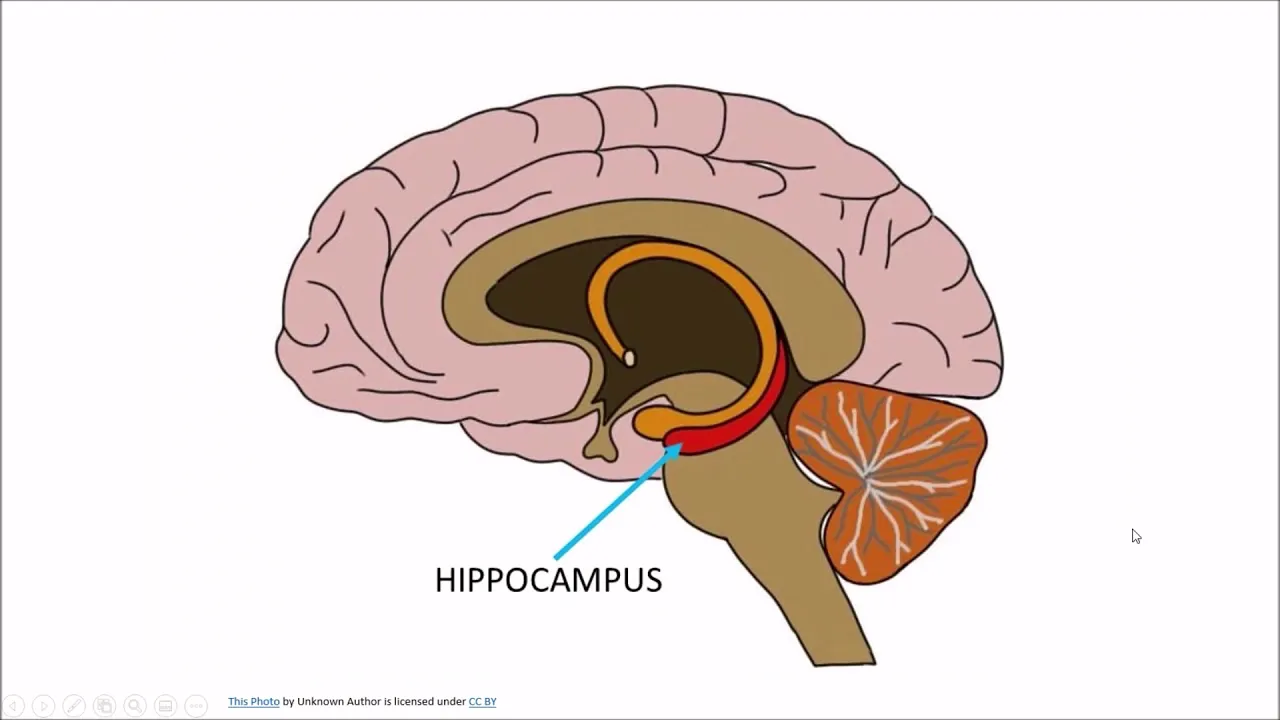
8:08
Neuroscience
What is neurodegeneration?
TheSheekeyScienceShow
3K views•2019-08-19
57:35
Neuroscience
IPL - Ruth Empson "Mind the Gap"
otagouniversity
251 views•2019-07-08
14:01
Neuroscience
How our body shapes our mind | Pancho Tolchinsky | TEDxNapoli
TEDx
2K views•2019-12-05
1:00:02
Neuroscience
Impact of Early Life Deprivation Danielle Stolzenberg Marcus Pembrey Bruce McEwen
uctv
4K views•2019-12-01
10:32
Neuroscience
β-Caryophyllene for Parkinson’s: Protecting Dopamine & Easing Symptoms
parkinsonsdiseaseeducation
6K views•2025-08-09
20:44
Neuroscience
New Insights from Inside the Brain with Rodrigo Braga, PhD
NUFeinbergMed
421 views•2025-04-14
9:57
Neuroscience
Highlights for dystonia • 2025 MDS Congress
movedisorder
145 views•2025-10-27
58:17
Neuroscience
Animal Welfare Synergy Series: Dr Tom Smulders on hippocampal neurogenesis
costactionlift
135 views•2025-07-14
Trending

13:25
Business
Playstation NO DISC/NO BUY Fight Is Over...
DavidJaffeGames
4K views•2026-07-23

22:40
Business
Steam and Xbox Just Dropped The Hammer On PlayStation
OhNoItsAlexx
9K views•2026-07-23

16:52
Anthropology
Americans Confused in Australia for 17 Minutes Straight
IWrocker
17K views•2026-07-23

20:36
Business
SuperBike Factory Has Gone... What's Next for the Motorcycle Industry?
thatbikersimon
11K views•2026-07-22