Simpson masterfully strips away technical vanity to show that narrative tension is the only thing that saves a concept from being mere digital wallpaper. It is a rare, lucid bridge between industry pragmatism and genuine artistic soul.
Install our extension to search inside any video instantly.
Jeff Simpson | Ep 130 of The Learn Squared Podcast
Added:I think the commonality between all the artists work that I really like is there's a lot of drama in the image and I'm always interested in seeing drama and it's kind of like if I see an illustration or a concept or a painting and it's sort of like here it is and it's one thing and it's like isn't this cute or isn't this cool or isn't this scary and it's like and and you know it has to have oh is this scary and I don't know calm or is this scary and exciting or is this scary like you need more than one element and that creates drama because there has to be something at conflict within the work for me to be excited and I think the artists that I like have that somehow and that there's more than one element going on within the picture which makes it alive. Please welcome concept artist Jeff Simpson to this episode of the Lens podcast.
Jeff is well known for his amazing character concepts and jaw-dropping style. And in this episode, he gives us a glimpse into where this passion and obsession comes from.
With almost 20 years in the industry, working on huge projects such as the Assassin's Creed series and for shooters like Marvel and others, Jeff offers us some rich insights into life as a professional, such as what he's learned from both the highs and lows of his career and how he navigates the wonderful dynamic of being an artist.
amongst all of that.
So, let's jump in and hear from Jeff himself about the love of portrait art, how he settled on his workflow, and why he searches for drama. Let's go.
All right, let's go. Everyone, welcome back to the Learn Squared podcast and delighted to welcome on the amazing Jeff Simpson. Welcome, sir.
>> It's great to be here. I can't wait to discuss so many interesting things and reveal everything about myself to you and the wider internet.
>> Lovely. Um before we get into like all the good stuff, do ask um for um an origin story so to speak, but I I saw you at um Concept 101. I didn't get to see you in person, but I saw your tour last year.
>> So you were there.
>> Yeah. One of the main reasons was we because get a chance to chat to you then.
>> Damn.
>> Do it on the podcast as well. Um, but with that said, so obviously you revealed a bit of yourself then. Um, are are you quite an elusive person or do you tend to like get yourself out there a little bit as well?
>> No, I'm terminally online. Um, no, I'm not elusive at all. I try not to be as v not try not to say as many things just cuz whenever like you know Facebook or something it's like remember when you said this you're like oh god. So, like, you know, I hate I hate my yesterday self all the time. So, I'm I'm trying to say less things because it's always like gh. Um, but no, I I'm always online. I'm I'm not I wouldn't say I'm I'm elusive.
Um, I don't really like do too many courses or >> um you know, stuff like that. So, or interviews. I I've done a few, but um I don't know. I'm just trying to keep it normal. But of course, I'm I'm a millennial and I'm online, you know, nothing nothing weird or anything.
>> Same here. same here. Um, >> so yeah, I'd love to dive a little bit more into that, but yeah, if you wouldn't mind just letting everybody know who you are and what you do, please.
>> I'm Jeff Simpson. I'm a concept artist or vizdev artist, which I think sounds fancy, but I didn't even know what that meant until about six years ago. Um, but mostly uh characters. Um, but I'll do anything.
Um, you know, I make JPEGs is my little joke that I get to say about myself when describing my job. But, you know, I'll make an OBJ if I'm feeling spicy. But, um, no, I just it's concept art. Mostly just like I said, mostly characters, but you know, I'll try a proper background if I have to. Um, I'm jeez uh about myself, I live in Vancouver, Canada. Um, I lived in Montreal for about uh a decade working for Ubisoft and Idos and Square Enix and the big studios that were out there. Um, I did a lot of Assassin's Creed games for about seven years. Uh, not just back toback. Um, I think that's probably what I was most known for for a while. I did uh film stuff on the weekends, you know.
Um, I tried to do as much as I could in my 20s when I had the energy. Um, now I'm uh sort of bouncing around doing uh freelance and contracts and stuff. Um, not as much in-house studios in Vancouver, unfortunately, so I have to contract a lot. Um, gosh, that's about it really. Yeah.
>> Cool.
>> What else can I say? I'm from Vancouver originally. Uh, I went to Emily Carr Institute of Art and Design, although now it's a university. Um, and I love Vancouver, so I moved back because I love the mountains and the sea and it is one of the most expensive places to work to live in the world, unfortunately. But I I bear through that so that I can be in the place that I love. Um, Montreal was nice, but I missed Vancouver. Um, I guess I'm known for slightly weird or slightly esoteric stuff. Um, for some reason I get hired to do stuff that is not terribly weird and >> they're like, "You'd be a good fit."
Like really? And so I do my thing and everyone seems to say you can always tell when it's a thing I've done. It's >> which is not my intent. People just say, "Oh, that looks like your stuff." I'm like, "Oh, I I don't know what that means." Uh, and so I I'm always put on >> different kinds of projects, but I I guess Assassin's Creed was people went, "Oh, this is the historical um fantasy guy." So I did a lot of historical fantasy work for Marvel and stuff after that.
>> Um but uh but now yeah I just do uh whatever comes my way and look it seems interesting enough.
>> Um >> yeah. Cool. Um, a lot of avenues to jump into there already, but one of the first ones I want to ask is >> like you described your work as like I guess esoteric and and and weird. Like is that just something that you describe it or is that how people have described it to you?
>> I think about this a lot. Um, and it's about failure. Um, I try to be a good concept artist and I looked for my whole life I've looked at better illustrators than me and designers and I try to do that work but for whatever reason maybe I'm stubborn. I am a Taurus. I think that means we're stubborn. I think I can't. Um, I'm a poor learner. I am not sophisticated. I don't think I'm terribly intelligent.
And so when I try to do stuff, it just comes out the way that I would do it with my limitations and everything. And so that's just how it is.
>> And I think there's a huge culture around, you know, self-improvement and learning as much as you can. And I agree always good, but you are who you are, right? And I I even in school, I was always I did it. If I was interested in doing that homework, I'll do it. If I'm not, I won't, right? And I think that carried over into my art profession. if I'm interested in doing this this way, if I it'll come out better. If I'm not, it won't. And there's only so many things I can do or that I'm interested in doing, maybe. And so it just comes out looking the way that I would do it.
And this isn't always, this is often not intentional. Um, so when people say like, "Oh, I can tell you did that."
Sometimes I'm like, "Oh, shoot. I was really trying to do it like someone else would do And whenever I see my work, especially now that I've had a few years, couple decades in the industry, and I see other people kind of taking influences from me, it starts to feel really strange because it's like, oh, that looks like me, or I've done work that looks like a caricature of me, and I don't I don't like it, >> but maybe it's inescapable sometimes.
Like, I think the way you see your art changes over the decades, right?
>> And so now I'm at a point where I'll I'll do a piece and I'll be like, that looks too much like it's just Jeff doing Jeff. And I don't know if I like that or not because then sometimes we'll say, "Oh, that's really cool." And yeah, it looks like your stuff but more you. And I'm like, "Oh." So, it's always a a it's always a imbalance and I'm not really sure how to react to it or how to what I'm trying to say is I can't help it. No matter what I do, it's going to come out like me for better or worse.
Um, but you know, I I there's a lot of artists that I respect that will say, you know, like Mike Manola, the Hellboy and stuff, this is it looks this way because I can't draw this or that or I'm better at this, so I'm just going to do it like whatever. And then we go, oh, this is excellent. This is a style. And I have I think that's how style is created often is through failure more than success sometimes. And I think that's quite interesting and and I like thinking about that. Not that you should sort of pigeon hole yourself or like >> sure, >> you know, you always be open to new things, of course. Um, but it's it's a strange feeling to have to be recognized for a style when you're not intentionally doing it sometimes. I just taught a class with uh underpaint and it's my first class I've really done and I had to think about this a lot like why what is my style and what am I thinking and it's the first time I really had to break it down and look at my influences and things like that and it was uh it was very interesting. Um, I don't know if a lot of people do it until they're forced to for teaching stuff like that. But to answer your question, which I've already forgotten.
Um, >> it's okay. I don't think I have to.
>> Yeah, I don't know. What was the question?
>> No, but like so it's basically like um I guess you're starting like how um >> you were describing. That's a bit of a loaded question because it's something that >> I think about a lot as well and >> just just one of the things I'm very curious about because maybe it's a it's a blessing when you do have like you mentioned like artists that you look up to because it's easier you could say like when you have a reference point to look up to when maybe you are at the top and thinking >> all I've got is just blank space in front of me and how to be inspired.
Obviously >> sure >> I don't never I'll never know what that problem feels like but I'm sure some people would do. I I don't want to say I'm at the top of anything. That's for sure. But it's funny because I met >> I always loved the the British guys um Rob Bliss and Dermit Power >> and um Adam Brockbang, all these guys in the UK who've done stuff for like Harry Potter and stuff like that. But they all came from or most of them came from 2008 comics, Magic cards from the 90s and they were friends of Simon Bizley. And you can see this lineage of their work.
uh these British comic guys. Phil Hail is probably in there somewhere as well.
And I I got to meet I'm very lucky. I I got get to meet all my heroes and I've met most of them and I'll always be like, you know, I'll pull out a Magic card I really like from the 90s. I'm like, what the hell? I was talking to Rob Bliss. I was like, what is this?
Like what is this style? Like it's it's insane. And he he's a very humble guy.
He's like, oh, you know, just trying to do Bizzley. And I'm like, oh, okay. And then you look at Bley and you're like, I see. It's it's got your own like you know I seen the derm at power state it's got its own thing to it and then they were like well biz was our guy we're just trying to do busy and I was telling them like you guys are my bisley now >> and and so you know you see people and and you take you learn from them and you do your own stank on it and maybe unintentionally you're just trying to be them and oops you end up being something else. Um and we can't help it. That's how our brain that's how humans are. or you're going to see something, you're going to say, "How can I make it more this or more that or you'll try to do it and you'll fail >> and you'll end up with your own thing and that's fine too." Um, so it's all just influence really at the end of the day.
>> Yeah. Um, but I always I think the commonality between all the artists work that I really like is there's a lot of drama in the image and I'm always interested in seeing drama and it's kind of like if I see an illustration or a concept or a painting and it's sort of like here it is and it's one thing and it's like isn't this cute or isn't this cool or isn't this scary and it's like mhm and and you It has to have oh is this scary and I don't know calm or is this scary and exciting or is this scary like you need more than one element and that creates drama because there has to be something at conflict within the work for me to be excited and I think the artists that I like have that somehow and that there's more than one element going on within the picture which makes it alive.
>> Does that make any sense? And I think that's what I'm always looking for but it's it's hard to obviously you know I'm going to look at a something I like. I don't know what a stormtrooper designer be like, where's the drama? I'm like, I don't know. But like, you have to sort of put this narrative onto it for for yourself to be interested or it's a way for you to think about why you like it, right? It's just to add a storytelling element to it.
>> Not that storytelling has to be a narrative like beginning, middle, end, but there's an emotional story being told, which is what I which excites me, whatever it is. But if it's just one thing, like here's a portrait of someone and they're aren't they buff like and like what does that mean? Like are they proud of that? Is that good? Is that bad? Is that is there a conflict about So that's I think what I look for in art and hopefully my art has that as well. But who's to say?
>> Well, I will say something to that. Um, so there's there's one input to that that actually explains so much like >> when you mentioned the word drama that almost connected so many dots when I look at your work like and just just that that explains so much in terms of what is the draw because >> it does feel like obviously when you look at the art and there's many lenses and many I guess points of view when you look at some art. It could just be a case of like >> I want to look at it to study it. I want to look at it to enjoy it. I want to look at it because I'm looking at characters or whatever it might be.
>> But there's something about yours where it's like it makes you look at it a bit more and sometimes it kind of looks back at you >> and >> yeah, >> when you mention the word drama >> that obviously makes sense like there's there's more than just this is a portrait or this is a character or this is an image >> assess it. It's more like >> why am I so looking at this? And >> to give an example, um, is it is it is it Ghostbusters 20 or one where they got that portrait on the >> on the thing is just constantly staring at you. It's like >> Yeah, of course.
>> I was looking at one of your piece. I'm thinking, >> is this thing staring at me? And like obviously, you know, I'm being exaggerated a little bit, but there is I'm not looking at the the artistry anymore. I'm trying to figure out what what it is.
>> So, when did you kind of like >> hone in on that? Like, are you aware of that yourself? Um, or is that just something you're still trying to like hunt for?
>> I this I that little speech I gave was because I was doing the class recently and and that kind of helped me solidify my feelings on it looking around. I really liked these books behind me are fake, but I do have the books behind me.
Um, I really like portraiture. Um um and I always think that like you said with the painting, obviously there's direct ways to have that impression like is it looking at me? Obviously you do a person looking at you, >> but you want to find ways to do that that are less expected or or maybe just through color or maybe just through light. And I think when you look at portraiture, you of course have to look at art history. And I'm a big big fan of those. And it's sort of like when you're doing a portrait of somebody, it's not just you and them, right? There's audiences. There's the person who's going to look at the painting. There's maybe the client commissioning the painting. What do they want to say about this person? What does the person you're painting want to say about themselves? What do you think about the person? And so, there's all these relationships going on.
>> And I want to show that there's not one truth to it. there. It's there. It's dynamic and you can choose different ways to see it.
>> Ultimately, you want to show that this thing has a soul >> and it can be a person, it can be a cat, it can be a book, it can be a car, >> but how do you show that this isn't just an image that this is a thing? Um, I mean, how do you do that indeed? But there are tricks like you said eye contact lighting you can bring something like Kiarasuro like it something from the darkness becomes illuminated like that was the whole uh you know Carvajio and and Rembrandt has said the light coming in from the darkness is maybe God giving life to something as it's emerging how do you translate that to a painting quite literally from the darkness coming in >> and that adds a drama to us because it it feeds on our lizard brain of something in the darkness so >> there's all these tricks really to make yourself believe that what you're looking at is a thing that has a soul or has an emotion and you have to respect it whether you like it or hate it, right? You have to this thing has value as a being or as an object. I'm getting really heady now. Um, >> this is keep going. I learned this because I love portraiture and and it's when you think when you listen to people talk about portraiture or you know um uh read about artists who do it. There's a lot of really interesting emotional weight going on, which I feel for concept art, we don't really, a lot of us don't really care too much about it because we're all [ __ ] up about production or efficiency and all these horrible things really that really get in the way of good art sometimes. And we don't let ourselves think about this because it's so difficult to to um explain or rationalize for a production say, but I'm at at my heart I want to be a portrait artist really. It's just that I I like to design things as well, but my soul is definitely there. I wanted to pick something and I want to give it a soul. Um I hate to sound very heavy, but it's true. We think of I think about this stuff um a lot. But yeah, I think portraiture and art history really made me try to think more about what I was doing and and how to get people drawn into it because that's at the end of the day that's what we're trying to do.
We're trying to draw people in even if it's something that doesn't matter.
>> And how have I mean we've been doing art for 10,000 year 40,000 years possibly on the wall on cave walls.
>> Everyone has created a way to get you interested in art before. Yes. And it's it's invaluable to look at the past and how did other people do it? Is that going to still work? Probably. It depends on the cultural context, of course. But like there's things you can learn from what we've been doing already. And and I think that's incredibly interesting to do and you'll learn something and if you bring something timeless into your work, then you're golden, right? It's going to help a lot.
>> Yeah. Sick. Um when when did your love of portraiture begin? like is that something that you knew early on or was that something that kind of emerged throughout your journey?
>> Umh let me just grab some books. My parents luckily my parents are artists and >> um not professionally but they um what do you call um my dad is a project manager but he's he drew a lot. He loved to draw. He's very talented. He should have gone into art but he felt um my mother was always painting. So luckily my parents live in the UK and they go to London, they go to the Tate Modern, they go to the um Portrait Gallery, they go to all these they're big culture vultures.
>> So they always um you know that that was always when I was younger there art was always available to me on the bookshelf or they would talk about it or we'd go see art and so I was like okay you know this is going to influence me. Um, less so than, not to sound pretentious, I didn't really have comic books and anime and manga or even video games when I was very young. And so I didn't really have a lot of art to consume. Um, I only had art history books as a kid.
>> Uh, I would have loved to have more comics and stuff to learn because I'm learning that now like much later. Um, and so I think maybe having a more sort of western academic like these are art books or even eastern stuff, but like I don't know, maybe it made me appreciate like different or like the the the the influences of history maybe.
>> But it wasn't until like I was a teenager that I started buying commercial art like comics and stuff like I started appreciate appreciating that more. Um anyway, um they are always sending me books and then I go visit them in London and I always get you know uh uh BP portrait awards which is a contest uh for obviously portrait contest in the UK which I've always wanted to sign up for but and so I'd always have sort of rever these things and you know in the in the in the portrait gallery in London they've got um you Lucian Freud they've got a Phil Hail in there they've got they've got tons of great stuff. Um, and so I always knew about it and always went there and always looked at their books and things.
So I was kind of funneled into that and so that obviously I developed an appreciation for it. I'm not an expert necessarily, but I always want to look at what they do to influence my concept art in a way, which I don't know if everyone does that because it can be hard to translate, but >> I don't know. One example I always think of is on Assassin's Creed we had this philosopher guy uh that he had to kill and I was doing his concept and I I was like always thinking a lot so he's probably got like a big forehead like it doesn't make any sense. I know it's phenology and it's not true but you know be a cool concept. He had a big freaking and so I remember a Lucian Freud Freud portrait with this guy and it's sort of shot like you know from this angle >> and his forehead is sort of exaggerated and Lucian Freud is almost caricature in a way because everything's kind of ex um pushed to its limits >> and he had this incredible forehead that he painted. So I kind of stole that forehead and I would just try to get that into my concept. And so sometimes it's really basic like that, like I don't know if anyone else would have thought of that or I don't know, but it's like that was an incredible forehead. I want to use that something like that again, >> but that's pretty literal. Um, but yeah, and I've always just been around portraiture, so I guess that's why it always stuck with me. And the timeless aspect is always there, right? It's like, yes, >> sometimes you look at portraiture and you go, "Oh, this is so, >> I don't know, 2005 typical." Like it's it could be from any era. Um, I don't know if you know about, well, you probably do. Um, Hans Holine the Younger, who was King Henry VIIth's portrait artist. Okay.
>> He was German and he, um, in his less so his paintings because he did a lot of famous paintings of King King Henry VI.
>> Did I say seventh? Eth, sorry.
>> Seventh.
>> Um, yeah. Yeah. Um, and um, his what I really love are his line drawings or his preparatory drawings for the portraits because it's such a beautiful clean line with a little bit of weight. And the the way somehow that he drew these people, they look like guys you could see on the street today. They look like hipsters.
Like they got a little funny mustache from the 16 1500s, but still they look like people that you could have a chat with. And and I always thought like, wow, if someone from 5 600 years ago that barely changed, like that that's kind of want to what I want to what I want to get out of my portraits. This is obviously big picture, but like >> that sauce I would still like to to achieve. And so I like to go back and look at work like that to see like, well, what what did they capture about it? And it's usually the kind of boredom in the eyes that we all have, you know, like modern life. uh like they still kind of had it, right? Um I don't know.
I not Yeah, that relatability I think I want to achieve. Again, is can I apply that to like I'm designing a mummy for for Marvel? Like not so much, but but still, you know, you can try.
>> Sick. So, that's like that's your almost your your your go-to for inspiration, right? That's it's rooted in portraiture or go those memories growing up and just seeing those things and being immersed in those things, right?
>> Yeah. It's usually artists that are long dead or I mean not always, but it's usually something that I feel has just a bit more weight. And I'm aware that these things have more weight because of what they were at the time.
And we we don't we don't give enough weight to a lot of work that concept artists and illustrators do from modern times because of >> how the society is structured and and and so forth. But um it's usually older artists. Um, not always, but I think that's kind of what I saw earlier and and it they stuck with me at the right time and so I think that's what I got to.
>> Sick. Is that like is that because stuff that you've seen since has not been good enough or is it more it was quite like um was it an imprinting kind of thing and >> it's just like Yeah, it just always made sense and it's been so good. Obviously, it's a great reference. So, it's a case of why would you need anything else?
>> Yeah. Yeah, I mean new stuff of course.
I mean we have more talented artists than ever and just because of how the world is now and the technologies and the education and the skills and the competition >> is ridiculous. Um but I think I I sometimes narrow my influences a bit just because there is so much out there now and it's honestly overwhelming. Like it keeps me up at night. I'm scrolling through Instagram every day looking at infinite talented artists and you're like, "Oh god, how am I going to um so I think for me at least I need to sometimes just okay just try to limit things or try to put things together just so you can like comprehend it." Um no, there of course are incredible artists now, but there's such such a breadth and there's so many different little niches that I just kind of get lost sometimes. And um yeah, you just end up sticking with what's worked for you so far. You shouldn't limit it that you should always try to push it a little bit, but I don't know. Maybe, who knows? I could see freaking I'm playing Marathon uh the game a lot and I'm like, "Wow, this is this is cra this is this is a game for Jeffrey. Like it's got all the visually is so different and exciting for me. I know it's based on, you know, um the sort of wipeout graphics stuff like that. Not not to discount Joseph's uh art direction. I know he was on an interview earlier and I'm talking to him. Um but that it was such a like, oh, I want to see more stuff like this. Like not just because of what it is, but it's different and it's unique and it's a little niche in terms of how it looks.
Like some people might say, no, but that's what makes me like it even more because I'm like, yeah, it is. It's got a soul >> and and I'm very rarely interested in media that doesn't quite have its own sort of weird little kink or hyperfixation into something. I want it to have its own identity always, right?
I I never want something to look bland or even if it's well done.
>> Um, not I always think about Free Ren as anime. Remember the people everyone was doing the meme and it's a great show and it's very nicely done, but visually to me it's I know it's deliberately but it's it's neutral. It's like yes, this is a fantasy anime.
>> Okay. But that it's it's I think it's deliberately uh unre undistinctin so that the story can flourish which is a which is fine but for me I always want something to have a visual spark to it.
It's like oh that's that thing. I don't care if it's bad even if it's bad even if it's ugly I want it to be like oh that's that thing that that's what excites me right.
>> What about your early kind of like creations? Like do you remember that kind of phase? like was it?
>> Yeah, >> obviously, you know, being around it is one thing, but then starting to create is almost like a different kind of like story into itself as well.
>> Um yeah, I remember um when I first got hired at Ubisoft, well, just before that, it's probably 2007 8 n I was graduating from college >> and back then if you could sort of render somewhat decently in Photoshop, you're pretty golden because it was rare. Oh, you know how to do a gradient or you know how to render good enough.
Um, and that luckily I got in when that was the requirement, but um, yeah, I I Oh, I might have it. Hold on. Uh, shoot.
No, never mind. There's an artist there's a photographer called um, Albert Watson. Okay. And he did a book called Moro. M A R O C. And I think he was commissioned by the king of Morocco to make it to be honest. but it's this big beautiful coffee table photography art book. He's a very famous photographer.
Um, and he just took photos of, you know, Morocco, like the countryside and the people. But I was I remember picking that book up at a art book store for like 40 bucks. And I was shocked because it had photography, usually black and white, very granular, a lot of texture.
and he would overlay um just pieces of newspaper or a scan of a palm tree u branch or some texture or a dead lizard and he would scan that somehow and overlay it onto the photo and maybe a bit of paint and he was using this kind of mixed media approach and I found that incredibly interesting to me at the time and I thought what if I do that in Photoshop and I started overlaying textures of things like paint or sand and I was like this adds a little dimension to digital media which can be quite sterile and you can always tell when Photoshop's Photoshop, right?
You're like that's that kind of, you know, and it was sort of breaking me away from that look which I think gave me an advantage artistically and I think that was the moment and that was probably about when I moved to Montreal in 2010. I started to decide to make my work a bit more take a bit more chances with it digitally since we can it's digital who cares and just introduce more traditional stuff into it. Um, and I think that really made me realize, oh, you're doing art that's a bit different can sometimes be a little beneficial.
Uh, and you'll learn something from it or it will create a bit of texture or chaos that you wouldn't have done yourself. And I'm always a big fan of I always think that as artists, you know, we do our little biases and we draw uh shapes a certain way. Usually, we try to break that, >> especially with observational drawing, >> but you can never quite do it. And so if I don't have a reference, I'll draw things a certain way, but it won't have the oomph that comes from chaos or nature. And I want that, right? I want that magic. And so if you overlay a photo or a texture or you break it somehow and then you go, "Oh, the universe has decided that this random thing is is interesting because you wouldn't have done that yourself because you didn't anticipate it." And so I'm always about how do I bring that into my work and break my own mind, my own habits >> so that the work is more interesting.
And I also find that I'm doing more 3D sculpting now. But when I'm doing 3D because of the way the programs are, it's very everything's quite lumpy.
Everything's quite it's squished and blobby. And that's not always a very dynamic shape.
>> And so I need to break it. So I I bring in other objects and I stretch it and and so I always have to like push it and I feel like a lot of artists don't do that enough and their concepts always end up being this little mushy marshmallow dragon and you need to like put you need your canvas to be infinite in size and push things and then you'll have an interesting shape. Um, so, so to bring it all back, that book really made me realize I have to take advantage of the chaos of the universe to make better shapes, colors, uh, patterns, and you can't always rely on you being able to predict that because you won't usually unless you're the best artist on the planet, maybe. But that's how I see it anyway.
>> And has that kind of like approach served you well? not only necessarily just in terms of career but in terms of your creative voice as well.
>> I think so. I don't again hard to say but um it's certainly not the only problem is that when it comes to production and being efficient and it's it's not very help well it is helpful for that for the final design but you have to I talk about this my class you have to play and no one wants you to play like an art director or usually or CEO doesn't want an artist to play unfortunately that is how you create good art you have to play you have to see what it's not before you know what it is and with production and and stuff they don't want they don't want to hear that they're like you know when's it done? You're like I don't well I have to find it first. Like they don't realize that we are discovering. We don't have all the answers immediately. Of course not. We're just human beings. So you need to play around. You need to see what works and doesn't. Take risks for for for good art to be created. Um you can get by with just like winging it.
Sure. But you always have to see push it push it too far and then scale it back as you need to. There's nothing worse than art that just says no this is this is as far as it's going to go. Okay.
>> Yes. I always want to like see have something weird and then find scale it down so that it could be consumable.
Fine. That's okay.
>> But yeah, is that good or not? I don't know. That's that's how I've been doing.
>> It sounds awesome. Like um I said the best elevator pitch to like a creative process. Like how do you work? I just want to be able to play. And when you think about it, especially as artists, I'm sure a lot of artists now like, you know, light bulbs going off thinking that is the perfect way to explain the creative process and the creative approach because it's not a negative word, especially in a context of work.
When it comes to creatives, it's like you're going to get gold from this.
You're going to get a lot of rewards from this. Once >> you're going to get a lot of rubbish, but you will get some you will get some gold. Um, >> unfortunately that might take weeks, that may take years sometimes for some people. But >> isn't that what life is, right? You try things and then you'll strike something because the universe will give it to you. Um, the idea that we are these gods that just creating the perfect design like >> I don't know, maybe some people, not me though, I need to find it uh in the world and then say, "Isn't this interesting?" Like, but even when you're creating shapes, you're like, "Oh, that's an interesting shape. It's just a shape. It it isn't it isn't what it is, but you're kind of neat. Like, let's see where that goes. That's kind of interesting. Let's see where that goes.
And that's what >> art is to me. Um, >> whenever someone's like, "No, this is a I don't know. This is a motorcycle helmet. Okay. Well, they look like this." And then, okay, done. That doesn't make sense to me. For me, I'm like, "Oh, what kind of shapes can we play with?" I don't care what it is. It doesn't a motorcycle helmet doesn't exist. It's just a bunch of atoms. We've assigned that, right? So I I always like to think of it more what are these shapes? What are these colors? And then try not to think beyond that. And you'll have a cool design. It might be insane, but you'll have something to work with and you're not bound by well motorcycle helmet has to go like this and then there like that sucks. But um >> that is what's asked of us. stuff.
>> Um, so obviously like when you when you are creating that is it more exploration asking questions from your perspective rather than a lot of it is a deliberate thing. Uh well, you know, you can play and you have to, but then you have to you have to execute it, >> of course, right? Otherwise, you're going to be stuck forever and and working with students, I'm realizing that like some people get stuck in the play forever.
>> And I've been there, too. And you go, "Oh, I don't know. I don't know. I don't know." And you got something interesting, but it's not >> it's not um resolved, I think, is the word they say, right? And so, you do have to resolve it at some point.
>> Um and you do have to force yourself to resolve it. And you know that that's an art in itself, isn't it? Right. Um so play is good, but then you have to resolve. But at what point that comes, sometimes it's unpredictable >> and uh that's just reality. We have to finish at some point. So you you hope for the best, but the play is the more fun part, but it can get quite scary.
Right now I'm trying to do some personal work and it it's a lot of play and it's I don't know if it's any good because I don't want people to look at it and and >> I feel like I have to resolve it. And unfortunately, even good artists, they won't think it's resolved and then someone will say, "Oh, it is." Or they'll think it's resolved and it's not.
>> Again, this is really bad for for companies to listen to cuz like this is art. Like, sorry. Like sometimes something it's hard to like put the put the uh final stamp on something and sometimes it works out, sometimes it doesn't. And that's just that's just the way it is to be creative, I suppose.
What's your relationship with during the play phase like >> coming to a resolution? Like is there a different kind of side to the brain tap into and you can get stuff done or is it like um like a child being told to you got to come back inside now tidy toys and like no I don't want to.
>> Yeah, it's a little bit like that. But um playing we're always very like we want things to be big and we want very high. And then I always find that if I just zero in on something, it's like actually that's plenty interesting on its own.
>> You go, "Oh, you're right." And so I that's kind of how I bring it down sometimes. Um is that you find what are the two best parts of this image and then focus define those. That's kind of what I do is Yeah. I'll find the parts that are interesting and then I want everything else to support those things like physically sometimes. And it's like, oh, I really like the shoulder and the knee. Like those are two interesting point.
>> But say those are the interesting um eyes of the duck, if you will. It's like, okay, how does how does the hand how does the chest support those interesting elements? Leading the eye is a way you could say it. Although that's a bit controversial now because I think someone said that the eye anyway, but you want to find a few things.
Everything else has to support those things. I don't want infinite interesting things. I don't want no interesting things. There has to be a nice balance between what is what is a exciting point and what is a restful point. And you can apply that to design too. Like I look at a lot of robot designs and it's just noise. It's like tech tech. And it's like for me a good design has a balance or it's like what is the I'm gonna say okay David Lynch is always talking about the the film director the eye of the duck and he talks about it with film and how the eye of the duck is a scene that is the most important scene and all the other scenes are there to support it. So if you look at a duck I know this is [ __ ] but you look at a duck and the eye is where it should be. If the eye was on the foot, it would be lost because there's too many noisy little details. As well as the feathers, it'd be lost because too many colors and lines going on. But it's right on the eye, right on the head where it should be and it feels correct.
And so applying that to painting and concept art and design, where is the eye quote unquote of the duck on this concept? Maybe it's the armor piece, maybe it's the the beard, I don't maybe it's the shoes, I don't know.
>> But once you found your eye of the duck, everything should support that. lead into that spot. And so I'm always thinking about like where is the little gem that we're going to look at? That's the most important part. And how do we make sure that that's accentuated? Or if narratively you want to put some storytelling, how do you break it or how do you add some, you know, uncomfortableness to it?
Right? It's all about noise and and softness and how do you have that balance between the two? I've forgotten the question again. resolving things.
Yeah. So, choose the important parts, make sure it's supported, and then you're fine. And then you can even get away with not having everything be so detailed because the important parts are there, right? The rest is just whatever.
No, doesn't really matter as much.
>> In your creative process or maybe even just like your art journey, what was the last great epiphany that you had?
Uh, last great epiphany.
That's good.
I know there is one, but I'm forgetting what it is. So, it couldn't have been that good.
>> I don't know. Like I said, >> recently because like I said, during the during the class during the classes earlier this year, I I had to think a lot.
>> Um, I think it was drama because I had I didn't have a word for it. Okay.
>> And I found that word drama. I forget how you know I was probably looking I was probably looking at other videos like you know I was just looking at the good design tips. I feel like an idiot like I'm teaching a class and I'm like I don't what are other people saying and I didn't want to look at concept artists talking. I want to see like something else so they could sound different at least.
>> And I forget who was talking about drama. I stole this from somewhere but I don't remember where. So if anyone in the comments is like I think you took it from here. was like for sure, >> but I don't remember. But it was drama and I'm like, yes, I want drama in the image.
>> Um, but not necessarily a a tang like a describable drama always, right? It's you need to feel it and that's hard obviously, but if you can do it through color or through, you know, lighting, then good. But that's probably that's probably why. I guess I was doing it subconsciously before that because >> before I was just like this image looks cool. Well, why? And I was like, I don't know.
There's uh, you know, there's stuff in there. And I don't know. Drama is is the conflict is the good thing, I guess.
>> And >> unless you want >> unless you want an image that's like, hey, isn't this person pretty?
>> That's fine. That's that's fine, too.
But you know there's always we could add a little bit tiny bit.
>> Um just talking about drama there obviously >> was refreshing to hear and obviously inspiring as well like it's not just one simple thing that you can just go and tweak that gives it like you said it's color it's light it's a bunch of different things that it could be. But with that said, if you look at like, you know, the spreadsheet of it, is there a certain one that you find yourself tweaking more that tends to give you that drama?
>> I'm a big values person. Um, color, if this answers your question, I'm not sure, but I I care a lot about value and value contrast.
>> And there's other artists who care a lot about hue and color contrast, right? And that's fine, too. I don't know if I'm as good at at that though. But I think values I think probably because I looked at a lot of western art, western art history. It's all a lot of value stuff.
Um, for good, for better or worse, but it probably just trained my mind looking at, you know, um, Carvajio and stuff like that. And it's very much about seeing forms or depicting forms honestly uh, in a way that oh, this is a round form. Let's really make it round. This is flat. Let's make sure that that's flat. This is this is angular. Let's really let them know this is angular.
So, it's about being honest with the forms. Of course, honest is all an illusion, isn't it? But >> appreciating form and depth and value is the easiest way to do that, right? You can do it with hue, but it's it's a little tricky for me anyway, from my cultural background, I suppose.
>> And so, um, so what was the question again? Just just give it to me again.
What was it? like um yeah of all the things that you tend to tweak um to get drama obviously value is the one right >> I think so uh someone who's more academic than me could probably let me know but value yeah I I put a lot of emphasis on that how close is it to you how far is it from you and what is the relationship between those objects right and what's coming out at you and what's going away from you can tell a story can create drama say and so I'm very interested in that color I realized color doesn't matter to me Um, it's almost irrelevant what that what that color hue is because of digital or this is my medium. This is what I know best.
You can add color whenever the hell you want. You change it whenever you want.
It does doesn't really matter. You're going to get some artifacts if you push it too far one way or the other. But that looks cool. Little little artifacts and digital the breaking of Photoshop is always where it looks coolest. And so color to me always came after um not in the sense that I'll do a black and white image and then add color. It's just I'll usually choose a random color or random colors to to explore and then I'll never keep it that way. I'll just go to hue slider or hue saturation, change things around and discover, oh actually if that was purple and that was yellow, that looks more interesting than if that was green and red for whatever reason. Um and I know each each hue has its own value. um in comparison to each other and so you can depict >> uh normal values that way. Normal values, what am I talking about anyway?
So I'll I'll always add colors later in in an experimental way. So I'm not like this is going to be blue from the beginning. No, never. So I'll always colors will always come later. And so that's why I think that I care more about value. Um because color is whatever like we can always add that later on. It's the easiest thing to change. Um that said, there are there are artists who use their color so well that it creates value >> and that's incredible. Um but I don't know if that's how I can do it. I should probably try. But yeah.
>> Has that always been the case for you?
Like have you always had that relationship with value and also like your your your perspective on color as well?
>> I think so. just subconsciously, like I said, like the class really taught me all this as well. I'm like, "Okay, >> I should really think about what I'm doing." But I don't know. It if you think too much about this type of stuff, you may get lost in the sauce. And if it doesn't come naturally to you, if you're exploring and then something hits you, you need to really cherish that. Go, "Oh, that color next to it, that color is exciting and I need to keep it." And so, don't get too caught up, well, that's purple because of the way that the rods and cones hit. Shut up. you're like just just take that magic and don't ruin it. And I I was telling my friend the other day, I'm worried that when I think about it too much and I'm always worried that the making something too academic or too analyzed is going to suck the soul out of the thing because I wasn't thinking about this when I was learning and and in my early career at all. I just looked at it looked to other artists. I was like, "Okay, they're kind of doing that." But I wasn't like, "Oh, that's a value contrast and that's a hu I didn't [ __ ] know. I still don't really know. It's just kind of playing with it a bit." So, I don't know. Some people really really like to break that down, but I always find that the people who are more interested in that technical aspect, their art ends up being a little more uninteresting because they're too like they think they're too interested in the magic uh symbols and the >> Yeah.
>> You got to still be a human being with this stuff.
>> Um, what do you find difficult?
>> Everything. Uh, everything is hard.
Every drawing is hard. Painting is hard.
Honestly, it's weird, but like I've been doing this for years and whenever I get any new assignment, I go, I can't do this. I don't know how to do this. And it's it's a horrifying feeling because you'd think after years you would get over that. Not that I don't think I've created work that's that's interesting or good in the past, but it's always kind of like, well, I don't remember how I did that or I don't know what emotions made me create that or I don't know what chance that the universe made me realize that that thing would be good. And so, there's always that fear. I don't know if I'm alone, but like there's always like, yeah, I don't know if I'm going to do a good job with this. And honestly, the more excited I am about doing a project that I think would be a good fit for me, the more I I'm oh [ __ ] Like now I they think I'm that's my stuff, so I have to do a really good job. And so there's a lot of ego stress about that.
>> So I'm almost sometimes more thankful when they're like, "Jeff, can you do this? I don't know. We'll just see your take on it." Then I'm like, "Oh, okay.
This isn't really what I'm known for, but I'll have I'll have more fun playing with it." There's a little bit less pressure on me. So I don't know. It's a It's tough, but that that's my problem.
That's a that's an ego um confidence problem, I think, which I think a lot of artists have. I don't know if they want to admit it or maybe it's just me. I I'm not sure.
>> No, it does sound like a common thread.
Do a lot of the people I've spoken to, and even my own journey, too. Um what is your relationship like with your ego?
Are you guys friends? Have you guys fallen out?
>> No. Horrible.
Poor.
Uh I don't know. And it's weird like I was telling someone I It it is a strange feeling having people come to you or take your class and and be like, "So, here's my work and it looks kind of like your work or maybe the things that you don't like about your work and they're like, I really like this stuff." And I'm like, "Oh, I hate it when I do that."
>> And so, what do you how are you supposed to feel about that? You're like, "Oh, so you you don't actually know what's good, maybe or you're like, "I don't huh."
>> And so, it's it's odd. It's an odd phase of my career now. Not that I'm an expert. Again, not that I'm an expert or anything, but suddenly people come to me and they're like, "Well, how did you do this and why?" And you're like, "Well, I'm just I [ __ ] up or I did a bad job, but apparently that was cool."
So, it is odd. Yes, the ego is strange.
Um, I wish I I found that doing I've been doing so just just drawing usually Olympic athletes doing things because they've got great muscle tone and great interesting drama within their own bodies, right? Yeah.
>> So, I'm drawing like Olympic athletes just like running and jumping and stuff >> and and just seeing it as I just need this is just observational drawing. I'm just drawing this. I'm trying not to put too much of a spin on it or finding little exciting things, but I'm really trying to take it a bit more just straight. Just trying to get this down.
And that helps the ego a little bit because it's it's a bit more relaxing and you're like, you just have to you just have to get this and put it on the screen. Oh, okay. And that's a little easier for me sometime or it it sort of helping me a little bit. I'll do a bad job usually because anatomy is really hard, but like without the pressure of being creative sometimes helps sort of lessen that ego stress because if someone's like do something really good, really emotional like >> I I need to find that like I'm an explorer. I have to find that treasure.
You can't just ask that of me. Come on.
Um, so yeah, the the ego thing is is a is difficult and and it it keeps you up at night, I think, for surely most artists, I I assume, or most people that have to be creative in whatever way. Um, we're not just um, you know, doing something entirely mechanical. Um, but yeah, it to answer your question, it's just stressful.
>> Yeah.
>> Does it kind of like >> Go ahead.
Does it kind of like um go up and down or is it like a constant kind of like with it?
>> Some weeks you feel like you're on top of the world. You're like, I did okay. I could still create work that's cool probably. And then I think this week I've been like, oh god. And you look at your portfolio and you're like, oh god, what am I doing? Who the hell wants this? I don't know. So yes, it is very up and down. Some I had a couple good months and then I think I'm on the down, but it'll go it'll go up again at some point. And it's it's it's weird. Our own little our own little um things that we want to achieve to make ourselves feel better.
When you look at it years later or a week later, you're like, "Oh, stupid.
Who cares?" But you want to achieve these little goals to prove to yourself.
Being an artist, I don't know if you're the same or if other people the same, but you feel like you have to prove with each painting that you know how to do it. And it's exhausting and you're like, "You'll be fine. Just relax. I can't I can't relax." um I'll burn out at some point, but um you know, it's it's an the eternal struggle, but that's always how it's been and >> of course >> will continue to be probably. So yeah.
>> Yeah. I think there's definitely like um probably over 100% of the listeners that'll be agreeing to that kind of like >> oh good >> way of like explaining the process and stuff and yeah like you said like you know there's times when you're later thinking yes this is amazing then >> the same body of work you look at it and it's a completely different kind of perspective. It isn't it a nightmare that we we're not even able to to judge our own work ever like it's it's in flux and that's frustrating but it's also quite interesting that you know nothing is >> your opinion will change every day every week. Um like if I ever meet an artist and they're like my work's perfect and everything I've done is really good. I'm going to think they might be a sociopath or something because I'm like there's no way what are you talking about? But maybe they exist and um we should strive for that. But overconfidence is is a useful tool, but you know, it's hard to hard to maintain for for too much time. I >> So, you mentioned like this week or recently >> you're not having a good outlook on your work or it's not feeling like that. Do you know why that is or do you know like because you was on a high? It's just the result of when you're on a high.
>> Yeah, it was in high. I was doing the course and I I was like learning stuff about myself a little bit and >> it was feeling good. I was talking to other students. I was like, "Okay, cool." Then I had a little break and then I came back to it and I think talking about yourself too much, speaking speaking of which talking about yourself and and analyzing yourself too much kind of burns you out on yourself.
>> And then so I tried to make something and I was looking at it and I was like this just looks like me. This yes I this is definitely a painting that I would do.
And it's like to me it's like who cares?
Uh, and so I always want to do something that's a little different or I try to bring something that wasn't before whether I do successfully or not. And I was just like there's nothing new here and and I know what to do to to make it more interesting. I need to find something else or I need to but like you're lazy and you just want to go into your old habits. And so it's okay. I'll come back I'll come around on it. But um because my work and my art philosophy relies so much on inspiration and um bringing something in to break it, it's not a reliable technique. You can't demand it. You know, you can encourage it, but sometimes it just won't happen and that's okay. That should be okay. Um it's just uh you know comes and goes, but >> that's fine. That's life, right?
So when you are on those kind of like you know like classic case of burnout it's just a classic symptom of burnout which it may kind of make sense like >> with the course and a lot of introspection wherever the energy sources it burns it all up and it's you know it's quite a hard thing to fill back up.
>> Um >> but do you are you aware um it always you do get that kind of like you know that mojo back or whatever it might be that you need back and you can get going again.
Are you always aware though that that's going to be the cycle? So, you know that you're going to get back onto that, you know, kind of like vibe again or that kind of rhythm again.
>> I have to believe that it will come back, right?
>> You have to believe it. Do you ever I don't know, tell me if you have this too. Sometimes you'll be painting something and you'll think I can never do this again. And whether or not that's true or not, like a certain way of drawing is but that'll stick with you for years and years and years and it'll fester. And I always hope that I won't do that. Like I don't want to I don't want to make these pillars of laws that I have to stick to. Like I want to be able to sort of be flexible.
>> And so I'm always worried that I'm going to create these rules. And looking at teaching is weird. Like looking at other teachers and stuff and these are the five rules to being a good designer.
These are the rules of the rules of the rules. And and I think we should all realize like yes. Yes. But you know, rules bend and change and that's how culture is created. Like sure, you you should always draw noses this way or you should always have this and that, but like the great artist the great art are ones that like don't do that or like do it a little bit. And you know, not all amazing artists are adhering to the rule. And I I know it's good to h to learn that way by having these things in mind, but I think we should all know that listen, we're we just want to make it a good image sometimes and we have to break things here and there. And that's that's okay.
Obviously, don't do it all the time. But >> I I I hate to be the person to say always create this way. Of course, that's not true. There's so many different styles. It's it's how do what image do you want to make? What is the emotion you want to convey? And what are the ways to help show that? And that's all that should matter at the end of the day.
>> Um, but it it is >> it's tricky. Like you said, are you is there anything you're not good at? I'm like, >> yes, art, everything in art is hard.
There's nothing where I'm like, I got that. No problem. Everything is hard.
>> So, as long as you realize that, I think you you'll be okay. You know, don't stress too much about it. And yeah, like you said, like there are like rules and I guess we call them yeses, but everyone has like a little asterisks and the asterric basically means no as well. I think like you know when you when you understand what that means that means yeah you kind of bend it and that applies to I think any kind of like >> realm of creativity whether it's writing, music and even cooking and all that kind of stuff as well. Um, >> yeah, >> just going back to like your artwork itself and looking back at it over the years, >> how do you view older pieces and do you even look at art like that? Like, oh yeah, like you reminisce, I remember that was that came out better than it was or does that kind of like change as well?
>> It's bad either way because you look back and you see an art and you're like, >> "Oh, that's bad." You're like, "Oh, you feel bad."
>> Or you look back on it and you're like, "That was actually really good. Maybe better than I could do now." That's bad now, too. No, you can't do that. So, it's a it's a lose-lose situation looking at old work for me.
>> Uh, so I I I try not to do it. Um, there's no like, oh, cuz if it's really good, then it's like, oh [ __ ] maybe you can repost it or get some online attention for it. But I I it's tough.
I'm sure most people feel that way, but it's always it's it's weird, especially working I I'm not that old, but it's been a couple decades now. So you look at work that you've done 15, 20 years ago and you're like that's a sizable amount of time >> and then you like what have I learned since then? Sometimes it's nothing and sometimes it's oh quite a lot and both of those are scary. Um so it is a difficult process to do. Again this is an ego thing. Maybe if I didn't have ego this wouldn't be an issue but um you learn and you improve a lot for me in your 20s. you get into the industry and you learn these things and then at some point you're like okay and then you're like you look around and you're like well now where you have to choose where you want to go or what do you want to improve at and that can be stressful sometimes because you're not because like I'm in the industry I'm hired for people to say I want a Jeff thing and you're like oh good but then then you're like but should I change now should I I don't know it's a strange place to be obviously the industry will decide for me you know depending on the work I get.
But it's it's an odd it's an odd time in one's career, I think, that I I find myself. Um but uh hopefully it'll be fine.
>> But yeah, looking back is always a a difficult experience for me.
>> So let's let's do some more. Um >> yeah, great. Yeah, >> as a as a fellow millennial, I understand the different kind like stages and different eras like 20 you can find about decades, right? Like you know teen years, 20s, 30s and now it's going beyond as well. Um Which one of those kind of stages do you think were most like I guess important for you or the ones that shaped you the most?
H they're all important.
Um cuz like yeah looking back on some of the work I remember feeling really bad about doing it and I was like this isn't very good but then looking at it now you look at it in the context of where you were and you're like no it was good because it was weird and it was pushing things that you're too afraid to do now.
So yeah, what what was the most important part? I think when I found obviously is easy answer. When you're between, you know, 19 and 25, you're going to be influenced heavily by things. Um, and then maybe things later on you'll be less influenced by because you've created you found a well maybe maybe you found a rhythm, right? And so it's harder to be influenced by other stuff because now you're like, well, this has been working for me. I better not [ __ ] around with it too much. So that's a little dangerous. And I think that's probably where I find myself now.
So yes, the important part is probably 20s, 30s again. Maybe some will be artists later or earlier in life, I don't know. But for for us anyway, millennial, millennials, maybe the internet coming around, uh Deviant Art becoming a thing when we were, you know, teenagers in high school, that was crazy because it was like, wow, like I can see anyone's art from around the world and I can compare myself to their level of skill. Yikes. So the world opened up to us and we were like, okay. And I didn't really care about digital art before Deviant Art. I was just doing, you know, colored pencils. And then in late high school, someone's like, "This is deviant art. You can look at anything." They're like, "Wow." And so then I was like, "Okay, I guess Photoshop looks kind of cool. Give that a try."
>> And I was just learn trying to copy them. And I've never had any formal education for digital art. No one cared at the time. And so that's pretty formative as well is just opening up to the world. Kids, people today, you know, Gen Z and Gen Alpha, they always had online work to look at. Yes. So that must have been different for them. I'm not sure how that would have been. Was it more stressful because you're like, "Oh, it was always available to you and you always had to compare yourself to other people." When I was 15, I wasn't looking at other 15-year-olds work. I had no idea how good people were. You know what I mean?
>> Yes.
>> So, it it was maybe good, maybe bad. I'm not sure, but it's probably interesting to look at.
>> How did you find digital art at first? Like did you was it like a duck or duck to water or duck eye to water or did was it a bit of a challenge?
I well it was Deviant Art and I saw artists mostly from Udon the Capcom comic artist guys mostly like I think there were somewhere or and Imaginary Friends Studios is a Singapore Malaysian studio and these guys are doing like Upper Deck Marvel cards and they were comics and it was very comic based I suppose actually. Yeah. And um I even got to work for them for like a few projects. I don't know how, but I could render pretty well and that's all that mattered, right? I wasn't thinking about value contrast or anything. It's still not really, but um and I remember I got to work with I was 18 years old and I got to do some coloring for uh what's his name? Stanley Art Germ Stanley Leo.
>> And and he was like, "Oh, you know, we need some commissions for our Marvel Upper Deck Collectible." And I did some I was super young. I was super nervous and I should look at them, see if I did a good job or not. I'm not entirely sure. And then he gave me some some feedback and I don't think I ever got paid to be honest. But um years ago, whatever. Um but yeah, so that opened up the world to me very quickly about digital art and stuff and I had to learn very quickly. But like I said, the the only thing I learned Oh, that's right.
Bobby Chu was doing YouTube videos in 2008, 2009 maybe and he was just, you know, like talking about his stuff and his doing his drawings and that that's all I really had at the time, just these random YouTube videos like how to render. And honestly, I don't render that much differently from that time is I usually work from dark and then bring the add light. That's about it. like it's not always the way to do it, but it's kind of the simplest way I know how. Like I said, you're just pulling something towards you. So, you're adding light to bring it in, but surprisingly, it's it's effective enough and usually is enough good enough to do the the job.
Um, but yeah, that's how I learned and that's how digital art was introduced to me. Um, I got a Waycom I went to college. I went to Emily Carr 2003 was foundation year for me. I got a Waycom tablet in 2004, a graph 3 I believe it was called, and I just got the brush.
Uh, initially I didn't know what pen pressure was and that was interesting. I was like, "Oh, that's right. Pen pressure. Okay, now I can paint a little better." And um, that was it really.
Like it was pretty simple, I think.
>> I wasn't learning anything to it. I still don't use custom brushes really. I still use the hard brush, hard round, soft round, and square is about all I still use.
>> Nice.
>> Uh so simple tools for me helps me create the the way I want it to look. Um too many tools kind of freaks me out because learning ZBrush are like, "Oh, there's eight different ways you can do this." I'm like, >> "Please don't give me eight different ways. Give me one way because I want to just, you know what I mean? I don't want to I don't want to spend my time fighting programs to create work. I want to just get it out the way that feels natural to me. So, I'm I'm quite a bit of a dinosaur in that way. And that just let me do it. I don't care if it's a difficult way. Just let me do it the one way. Yes.
>> Um that feels more organic. And I know everyone gets off on but like please I just want to make I don't I don't enjoy the computer. I don't enjoy >> programs. I don't enjoy fighting. I don't I don't like looking at a car and thinking about how the engine works to be honest. I don't care. I I want to I want to get from A to B. And so that's the for me creative process. This is I really I'm not interested in the the nitty-gritty of how it's done. I should be I know to be a good one. But you know, >> well, I guess not necessarily. I mean, if it's working for you, then that's all that matters, right? But you kind of answer my next question. Um and like again with millennials, we saw, you know, like not literally the birth of internet. I'm pretty much sure that was already existing before we were pretty much born. But when it came to, you know, worldwide access, we were there and even digital tools as well. Like, >> yeah, >> we we grew up with analog and traditional mediums before it became digital. Um, so and obviously then even then >> after Photoshop, it was pretty much Photoshop, maybe one 3D program to like now a Brazilian. Um, did you ever get kind of like lost in trying to experiment with all these different kind of tools that came out or was it still the same kind of thing with tools of like I got my round brush, my soft and my square?
Not really. I'm still I'm still that.
Like when I joined Marvel, I've been doing most character stuff for like I guess like 10 years at that point. And I was like, "This is all I do. Just do character design." And because everyone else is so good at environment design, prop design. I was like, "Okay, fine.
I'll just do characters. We'll leave that to them." But then I I Marvel hired me because it was COVID and they were doing like a thousand TV shows and they needed work. I'm like, I was up in Canada. They're like, "We'll take you even though you're not union, whatever."
Um, so I was like, "Okay, cool." Um, I I to be honest, guys, like I I if you give me a scene like a key frame where it's like Iron Man flying in the sky with a thousand Spider-Man in his New York City and is I don't know if I'm going to be the best at that. And they were like, "Whatever, we don't care." I was like, "Oh, okay." So, like it was really like, "Okay, neat." So, like I I'll try. Um, but uh Rodney Fontabella, who was at was at Marvel, even though the studio is shut down recently, and that's a whole conversation of frustration. He uh just told me, "Oh, I use, you know, um I'll take an OBJ and ZBrush, pop it into Blender and light it. There you go. It's all you need for a base." And I was like, "Oh, OH, YEAH, YOU'RE RIGHT." SO, LIKE, I really want things to be simple in 3D. And then I'll paint over it, and then I'll feel confident that it's like, well, at least the the composition is cool, at least the lighting is correct.
That's all I really need is something really basic. Um when people like oh this program will get this little thing and that little thing and it could create a water which reflect ah lost in the sauce for me like what are we doing like I want to create an an image with drama in it that's all I really want and so my favorite artists even at Marvel were always the ones who are a bit more emotional like Justinu and Vax Vance Kovac >> and taking the lineage of Frisetta and bringing it that powerful image which is at the end of the day what we're trying to do doesn't matter if if this window is correctly lit or whatever. Like I want to create something that speaks directly to the lizard brain. Um and so so yeah, like I did learn the odd program here and there, but I don't get off on learning new programs. Uh it's not fun for me. I'll do it if I have to, of course, because it's the industry we live in, but I want to make an interesting image. And >> to me, we've been making images for, like I said, 40,000 years. We know how to do that. We know how to do that with a stick.
Um, so you know, we can have all these cool fancy programs. That's that's great. Hey, but you know, at some point we have to go, okay, well, what am I using today? And we need something consistent and uh that'll help us develop our skills. That'll help us work with our constraints, which is a whole thing, right? And so I'm always interested in that. And I don't know, that's all I've needed so far, but who knows what the future >> will hold. So, there's not been like a tool or package or software you've kind of like found yourself getting lost in even and you have to kind like pull yourself back out.
>> No, if I get lost, it means I'm not having a good time. No, it's Photoshop, Blender, ZBrush. ZBrush, please annoying, >> but uh I'm learning more ZBrush slowly.
Um but I I'm never like, you know, I'm not I'm probably never going to retapize something. Um, I just want it so that I can paint on top of it because like I said, I'll do something in 3D, but like I'll always say I could draw this more interestingly with the constraints that I have. And so I'll always bring it to Photoshop and realize, okay, it'd be cooler if I just draw this, then I could bring it back and maybe adjust the design, but I always want to keep things quite high level because I I don't want to get lost in the in the little weeds because it feels irrelevant >> most of the time.
And so do you find like especially with tools and I guess like even if it's not just only digital tools even traditional ones as well >> do you find that if you end up using it it's because you ended up using it kind of like fell into your lap rather than >> you know like a pursuit of some kind. So like like for example with um Zebbrush um I guess it's like you ended up using that right >> as opposed to wanting to use it.
I resisted using ZBrush in 3D for a long time. Um, but like I said, then I found myself in a situation where I had to do more props or more Spider-Man. I never did Spider-Man, but people flying around. And so, yeah, I was like, okay.
So, for to get this done, I could have done it without it. Thinking back, I don't know if I needed it to be honest, but I felt there's more of a just for security sake, I better put mock this up in 3D just so it looks, you know, more sophisticated. But that's the weird thing is that the more tools I learn, I don't think my designs get better. If anything, I think my designs get worse the more tools I'm using because it's getting in the way. It's it's not letting me see the image as it as it see the design in a more pure sense. And when I'm just doing 2D, I'm limited to maybe like a front, back, or three/ quarter. But in that way, I feel like the design will look better just because it's it's simplified and I'm not as stressed about every angle. I think if something looks good on a certain amount of angles, it will look good in most angles, right?
>> Um, so it's weird. I have a weird relationship with with programs that especially 3D programs because then they'll feel the design. I see a lot of artists that only design well mostly design in 3D.
>> Mhm.
>> And I don't like their designs at all, >> but they are in 3D. And so you show a producer, check it out. Look, you put lighting on. Looks real, right? But the design itself is dog [ __ ] But because it's it's polished, the [ __ ] looks good.
And I don't think a lot of us realize that. Um, but I'm a little aware of it sometimes. It's like we're being tricked to like this is looks cool, right? Well, it doesn't look cool because you made a cool design. It looks cool cuz it's being lit properly and it's like, oh, so I think we always need to be aware of what is a good design visually. Um, certainly, um, if you need a design for a mechanical piece that you something else, but visually as a piece of art, is that a good design? It might not be. it might just look good because the program is doing that for you and you haven't actually created something interesting.
This is just my interpretation, but I you know there's a lot of artists out there and and I feel some of them it's like that's a cool motorcycle, but it's not cool because it is a cool design.
It's a it's a cool motorcycle because, you know, um whatever rendering software did the correct lights.
>> But did you do that? Not really. You know what I mean?
regarding your career, like when did you decide that you wanted to get paid for being an artist? And when did you first start getting paid for being an artist?
>> Oh jeez.
Uh, so my first Okay, so I didn't know what the hell I would be doing in art, but it was all I knew. It's still all I know. I'm not good at anything else. Um, I was pretty good at Counter-Strike for like a year. That's it. Um, yeah, my I think my first gig was pretty early. Like I went to college. I went to the car. I came out and I was offered a job at a small game studio. When I when I graduated, the month I graduated, um, I guess I would have been 20 or 21, pretty young. Um, and it was this tiny video game studio on Grandal Island here in in Vancouver, right next to the college I graduated from, called Big Sandwich Games, and we did little 3DS games, uh, little 3DS racing games.
Don't know if it even came out. And we did a lot of some outsourcing. Uh, they did outsourcing for Nights of the Old Republic at the time for Boware. Uh, I never got to work on that though. I was probably too inexperienced. Um, but from that studio, a lot of people went off to do cool things. I think uh Darkest Dungeon, Tyler Sigman came out of there from back in the day. Anyway, so right off the bat, I was I got a job amazingly in the industry. Um it was a small studio, but it was still a studio. So that was nice. That was cool. I never really had any any like years of like, oh, what am I going to do? How am I going to do is right away. Um so I was very lucky and fortunate in that. And so it's never really been I just went from that studio and kept going up and up and up. Um the my big break into AAA was because I put my work on Deviant Art and Pascal Blanche who's an art director, a 3D guy who's been known for years and years saw it online and said we should get this guy in Ubisoft and they saw it and they moved me to Ubisoft and that was it. So nothing really complicated or crazy for me. It was just just the path and I I like I said I rendered somewhat decently and in 2010 that was enough to get you a constant job. So uh yeah.
>> Did it feel daunting like getting into the industry? Um or is it just like you said something you just found yourself doing? And also what is your approach when it is work stuff versus the art that you were kind of doing before that?
>> Right. Um, so for me, I was always, like I said, in high school, Deviant Art came out and I put my work online. And I was always like, if you have work, you put it online for people to see. And I still meet artists and they do work and they're like, "Oh, I don't put it on Art Station or Instagram. I don't want people to see it." And it's like, I'm like, "Do you want a job?" They're like, "Oh, yes, desperately." I'm like, "Hm, I wonder what the disconnect. I wonder why you haven't been offered roles. Like, put your work out there. You need people to see it. If you are a good artist and you have work and you put it on freaking Instagram or whatever the hell and someone's I'm I'm probably going to share it and then some art director will see it and they'll look you up and they'll be like, "Oh, we should ideally that is the process. That's how that's how I got work." And obviously if you're not even putting your work out there, I you're not going to get work. Um uh the other question was what? Um, yeah, between personal and so when I'm doing personal work, there's a fight going on where it's like just do this because you want to create this image and I hope an art director sees this and maybe gives me work related to some to that what I'm doing.
M >> there's always that kind of fight because I grew up online or bit later.
But the work I was always putting out was like I hope someone sees this and maybe put me on a cool project. I remember hearing the story of um um the director of uh Bladeunner and Alien. My god, why am I blanking on the name?
>> Ridley.
>> Ridley Scott. Ridley Scott, of course.
So, Ridley Scott, I always knew about the story even when I was young about him discovering um Giger Geer Gig Giger's work >> and how Giger's he wasn't really a concept artist really. What did it exist at the time? I don't know. But, um he found his art book or someone showed him his art book which is just a gallery work and he went there it was, wasn't it? And it changed history forever. And so, in my mind, I'm always hoping that happens because I always love seeing that. It's not like, "Hello, I'm a professional concept artist. I will do your work and create." Like, it's always like someone from a different industry or a different art medium. And it's like, there it is.
Because it wasn't expected. And that's usually for me what the good the best art is from is somewhere else.
>> And so, I'm always worried now that I'm a professional concept artist that that's not really the best way to get really good work. The best way to get really good work is to bring something outside in, like a costume designer or a painter or who knows, a performance artist or um interpretive dance. Like taking elements that it wasn't designed for and then sliding it into what you wanted is usually what creates the best work and is not I shouldn't be saying this for me like I'm going to contract an out concept outsource house and they're going to create something. It might be like good and competent, but it'll never be like insane or like truly groundbreaking because we're so sort of like focused on what concept art is and we keep recycling each other's work. And I am always interested in bringing something outside and putting it in. I mean, we can obviously do that when we're doing projects, but like the sort of romanticized idea of finding an artist's work from outside industry is always very appealing and it's like, yeah, it'll bring in new ideas and stuff. So, I always try to even when I'm looking at work, I want to look at work outside of the concept art usual art station Pinterest recycle machine, right? But it's hard to do because everything's been done. Of course, >> I don't remember the question again.
>> But, no, but to follow that.
>> Yeah.
>> Yeah. Yeah. But to follow on from that like with your references now and like when you are looking for inspiration um what's your kind of like go to obviously I know you mentioned portraiture and just portraits in general >> but like do you find yourself actively trying to not like poison your references now like with things like Pinterest and just the generic ones that you're you know very accessible kind of thing. I've been doing Pinterest a lot recently and it's it's been good for, you know, observation, anatomy studies, >> but it's really buming me out that I just scroll and scroll and it's all this cool stuff, but you can feel the algorithm going, "Oh, you like this?
Well, you'll like this, too, and you'll like" And you you feel like a chump because you're like, "Oh, >> I'm just a dumb monkey." And that's bad.
And I don't know if I look you're like I assume you feel the same way and you go >> oh totally 100% >> Pinterest Pinterest will give you something you're like yeah of course you thought I would like this maybe I even do but it's like [ __ ] I'm I'm so [ __ ] lame. Um >> so you I think you have to force this like I took a my parents live in the UK and I I took a trip out to England to do go concept 101. You were there.
>> Um it wasn't paid or anything. I just I was like well I'm here might as well do that. and going to England, going to art galleries, meeting other artists, forcing yourself out there. Um, I met a lot of friends out there and and learning what they do. And you have to force yourself to live your [ __ ] life to get inspired. Um, Pinterest isn't always going to give it to you. And so, but it's really hard to justify that, especially in production and like, hey, I need some time to find stuff. Again, nobody wants to hear this. Your boss never wants to hear that. But as artists, you're a person and the best art comes from people who've lived a life and then can apply those life things to the story they're telling, whether that's visual or narrative. And I remember someone saying that the work that us chopped millennials liked was based on the experiences of people who grew up in the 60s and 70s and then would create stories about that life in the 80s and 90s, right? that was their lived experience, whether it's anime or shows or books. And now we're consuming work of people who've lived a life who were terminally online and maybe wouldn't have the same experiences that someone from the 60s would have had.
>> And maybe we're starting to see that as being less human or less dirty or less malleable. You know what I mean?
>> And so I'm aware of that and I need to keep You have to have a life to make work that shows that you've lived that life, right? That's that's a weird sentence, but and so I think we all have to go on journeys or meet people or have experiences to influence our art outside of an algorithm saying, "Oh, what about this work? What about this photo? What about this photo?" Like, you know what I mean? So, you do have to force that in.
And you're right, it's not always going to be successful and it's always not always going to be worth the money because travel's expensive. But you have to do it, I think, for for a fuller life and better art. I usually some people are just good in a basement. That's fine. But I don't know. I'm always aware that I I I feel like I'm in a rut and they need to go out and experience stuff. Um >> but yeah, >> I think the the fact that like being aware is >> the sign that like you're going to be fine because >> imagine if you weren't aware and you'll be like yes, more pages, more Pinterest, more algorithm and who knows where they could leave. But you know, >> yeah, >> some artists have found a niche and and the people want that niche and they'll do it forever. That's great.
>> But I I I'm too anxious, so I need to justify it for me. But, you know, every artist is different, but this is just how I feel, right?
>> But whether it's like traveling or whatever it might be, like just even something getting getting away from not even just the screen, but getting away from the algorithm, so to speak. Um what has been like the most profound trip or trips even or places you visited or even like you know conversation you had where everything just it just gave you so much kind of like you know source to use. Hm.
Yeah. I don't know if there's a single trip. I think the biggest one for me was I go to England a lot because my parents are there, right? So, >> I remember going they they used to live in Vancouver. Um, but they moved out in 2007 or so just when I was when I moved out, started my career and they're like, "Okay, well, we're going to go live in uh they lived in Scotland for a bit and then they moved."
>> So, so I remember going out to see them.
They lived in Shetland, which is a tiny little island north of Scotland. And it is >> right up there. Yeah.
>> Yeah. It's bleak, man. It's windy.
There's no trees left.
>> Cool.
>> Um the people there sound more Norwegian than Scottish. It's It's crazy.
>> So, it's right up there. And I remember going to visit them for the first time after they moved in. It was quite it felt remote and it but it was I remember it a lot because Shland is a beautiful place, but it's scary because it's so remote and um bare bones and you know um so that was quite impactful to me and then we went on trips we went to Edinburgh we went to London we looked at all the museums and I saw a lot of Lucian Freuds and stuff and I was like oh yeah so you really got into the the UK like yeah there's a lot of good stuff here there's a lot of cultures there's a lot of art history and you feel wow it's it's hard not to be inspired and so that really cemented, I think, my views on certain painters and certain movements and stuff. And um and I was quite young at the time, too. And I remember making I would I was painting in the hotel we were in this drawing of uh I took a photo of one of the knights of one of the guards of the what are they called?
The royal guards. And they can't make them laugh. What are they called?
Changing of the guard, you know. And so they have those cool silver helmets on the horse and the red coat. And I took a photo of one of them and then later that night when we were in the hotel like I decided to do a reference painting or painting based on it and it was it was called Kudu and I gave it eyes of like a deer a kudu deer because I was really inspired by like the the mix of obviously colonialism. They took all that work but the mix of cultures and the mix of art and I was like I want to do something that sort of has a blend of all that together and it was one of my most successful paintings and it it did really well and um I still use it online. is like my icon sometimes. And that was really born of just me in a hotel room, which I don't do. I certainly don't make art in a hotel room now if I'm on vacation. And it did really well. And it and it felt really um like I was really absorbing what I was looking at and trying to express how I was how it all felt. This eclectic mix of stuff and um yeah, so like these trips you take when you're when you're in your 20s and stuff, first big trips are really going to have an impact. And it's always I advise you to like get that out artistically. somehow because that's going to really be something worth looking at usually. Um but yeah, I remember that. I've done many trips since then to the UK, but um it's a bit it's it's far from Vancouver though.
It's it's a long flight. So >> yeah. And speaking of impact and obviously you mentioned Giga and the impact that he had like that is still I don't think nothing has come close in terms of like impact on like you said like literally changed history of like entertainment design and films and all sorts of stuff as well but also like looking back at your career um >> which projects that have you worked on or even studios that you worked at where you felt like you had the most impact um on the project or just even you know like how the thing shaped in whatever shape or form.
I never know if I have an impact on a project or not. It's hard to tell. Every studio treats you differently and you're not sure if that came through or not.
It's a little weird.
>> When I was at on Assassin's Creed, but they had incredible artists. Most of them were French and you know the French, they know how to make art, right? Um there some were Kqua and some were from Paris that went through but it was Montreal. So a lot of French good French artists. Not that angophone artists are good. Anyway, um but um I learned a lot from them. And then when it came to the Egyptian one, Assassin's Creed Origins, uh my I had a very good art director, Rafael Lacost, and his influences were Orientalist paintings from, you know, the late 1800s, early 1900s, where people got so good at painting by then that, you know, they were depicting light in such an incredibly nuanced way, in a believable way, in a realistic way, and they were, you know, just is orientalism, so it's a little heightened. And that's problematic on its own, but the way they would draw the the the textures and the tiles and the the vases and the hookah pipes or whatever. it's it's so beautiful and we were using that as sort of like an influence where our material should look that beautiful and should look that exciting and colorful and be um and so that affected the way I was doing the characters as well and sub kind of subconsciously sometimes both trying to learn how to depict materials in that certain way and the lighting and I think that kind of came through a little bit um but it's hard to tell because open world games there's so much nothing is too refined um what else.
Um, I think the Snow Weight and the Huntsman films, which I did when I was really I was like 22 at the time, just doing it on the weekends.
>> Um, I think I don't know if if I had an effect on how that film looks or not.
>> I like to think I did, but I was just a kid. I'm not entirely sure, but I was I was looking at the films. I'm like, "Yeah, it's quite beautiful. The same kind of colors I would use and stuff, but I mean, shoot, Justin was working on those films, too, so that probably had more of an effect." Um, yeah, more recently, I don't know, there's some NDA stuff that might have my work, have my style come through more effectively because we have better technology now, but I haven't seen it yet finished, so I'm not sure. Um, the Marvel stuff, probably not. But Marvel I loved working for because they let you play. They let you see, well, let's play around a bit because you're pitching to the directors and the writers. You're like, would this be cool? Hey, this would be cool. Wouldn't this be cool? or they'll give us like a blurb and we'll spin off from that. And I really love doing that. Like let's take a shot in the dark. Let's see if this will work.
Usually it won't work out, but like even if just a little bit of it comes through, it's always exciting to see, right? Um, so unfortunately I don't know if I have a huge impact on because I work for a lot of big budget stuff and big budget stuff doesn't usually isn't able to take one artist thing and run with it just because of how the product is made and the amount of pressure and the amount of hierarchy involved that it's very rare that one artist's work will have the you know because they don't really want to give the artist too much power right >> um so it's a little tricky there um I'd love to do more indie stuff to see if I could get away with that more and if if they'll give me more, you know, >> but I know it's that's a tricky in its own right. So, unfortunately, yes, I I am drawn to big budget stuff because they pay really well and they're happy to have me and they don't mind letting me play around because they have the budget. So, that's cool. But, yes, you're not going to have my I feel like a concept of artist work >> end up in the final project as much as I would like it to be because you have to have an art director and director and stuff like that. But, that's the nature of the beast, right? and they still need people to at least try to pitch something interesting. That's still super important, right? So, I'm happy to do that.
>> And what about in reverse? Which ones would you say have left a lasting impact on you or almost re shaped you as you are as a maybe as a person and an artist as well?
>> Assassin's Creed definitely because a man like learning about cultures and learning about how cultures depicted those cultures. So like I was saying about the orientalists, those guys weren't from Turkey or Morocco. Those are white guys from England or French guys usually, right? And it was like how they saw that work which is got his own issues, right? Still their technical prowess was good. Maybe their their their interpretation of it not. But still like realizing we have history and we have the people depicting history much later and so how are they depicting it correctly? That's always interesting.
Um learning about the cultures themselves was interesting.
um and probably affected me in terms of how I depict the art a little bit. Like I'm always interested to do a project that's based on a certain culture at a certain time. Um and the sort of you sometimes can't just directly depict it because it might look a little boring compared to modern eyes, right? So how far can you push it or not? Um so yeah, learning history in general is always going to change how you're going to depict your art because you'll pick up new tools. How did they depict these things? That's always going to be super interesting to me. Um Yeah.
>> And you mentioned um about the kind of like journey you went on and like you know um discoveries you made about yourself when you were teaching like talk to me a bit about that. Like what was it like building that and also teaching students as well? Is that something you had done before?
>> I'd never really done it before. I'd done the odd workshop, but this is like a, you know, eightweek class. It was painful. I I won't lie. Um, to set up and weirdly, I thought I would be it would be easier to do paintovers because usually when I'm at a workshop and someone show me portfolio, I'll be like, "Okay, this I would change that." I would change. But I feel that the teaching is a whole other talent, right, that you have to work on. Um, and doing paintovers for stuff was the hard part suddenly because not only do I have to decide how I would do this or what would be more correct for the theoretical project it was for or what their expectations would be for it or what their skill, there's all these elements while you're doing it and talking at the same time. I found that really difficult. Whereas the lectures ended up being surprisingly easier because I was funneling my thoughts into something more tangible for someone to understand.
I thought it would be the opposite. I thought doing paintovers would come very naturally and you just kind of do it.
But maybe that's more about the sort of performance aspect of it. Like it's being recorded and it's not a one-on-one physically and it's it's through screens and you can't quite hear them and stuff like that. So there's all those other elements that I was learning about. So again, this is all kind of new for me because I I hadn't taught before and I took notes from that.
>> Um but always again, like I say, very weird to see your own work in these students work. Sometimes you're like, "Ah, what's that doing there? That's that's," you know, not to say that I invented these things. I took it from someone else, but just you're like, "Oh, that's weird." And like, how do I reply?
How do you respond to that? You're like, >> "Yeah, >> oh, is that good or bad?" Like, I'm biased be obviously, so maybe don't listen to me for that part. Um, anyway, all very interesting and and uh something to to to get better at and and learn about. So, it's quite an experience and I I I recommend everyone do it at least once just to just to see.
>> But there's also it's just very humbling because it's like there's so many artists out there. It's just so many classes out there. Why would someone take my class? And then you have to go, "Oh, what am I doing differently?" I don't know. Sometimes uh >> you know, I'm not an expert on certain things. People ask me, "How do you do your anatomy?" And anatomy is really hard for me. And I'm like, "Oh, I don't.
I struggle." I'm like, they're like, "Give me." I was like, "Oh, I can try to tell you what helps me get through it, but you know, you it's very difficult like even experts, you know." So, yeah, it's very humbling experience. I will say obviously it feels good to to to have people think that you're an expert at something that feels good, >> but then the pressure of shoot, am I am I a fraud? Like, I've been winging a lot of things my whole life. Like, so there's a lot of it's it's sort of like being judged. the ultimate judgment has happened has occurred and it's like it's the ultimate test. Like do you know what you're talking about? Like I don't know.
We'll find out.
Sometimes no, but you know.
>> Um couple more questions before we head off. Um the first one is >> I guess a bit of a bit of a heavy one.
So you mentioned history and >> as as millennials we live through I guess key moments um in history especially technologically. um currently obviously there's a lot of history happening that's I'm sure going to be writt into the history books or whatever stone is going to be etched into whatever's left behind but also like in terms of artists and industry there's a lot of changes happening >> and it appears that artists themselves are like you know um >> perhaps under threat devalued versus you know maybe what it was like before as well.
>> How are you finding this kind of like age that we're in or this kind of phase that we're in and how has it impacted you and your approach to artistry and maybe even your career >> uh poorly probably in all aspects. Um well I say that I'm still working things are nothing's really changed so mentally bad.
Um how do I deal with it though? Shoot. how can one um I don't really know how to do anything else and so I still do it and I'm still doing what I would do even if these things weren't happening to be honest >> and it's been okay and so I think keeping calm is the first thing that I suggest or try to keep calm um nobody knows what's going to happen in the future I know everyone likes to think they do and they will ask people to ask them because that is their business of doing that obviously but I have very little faith in people's ability to know what's going to happen in 5 10 years about anything um especially well when it comes to things like technology and social issues and things like that and so obviously if somebody knew then that that person would be seen as a divinity of some kind and that's not reality so we don't know what's going to happen with life But art will have to be made and we enjoy making art and those are true for the last 40,000 years. So I don't see that changing overnight.
Um but you know what scares me is industry and you know >> production and industry are big scary horrible things and we need to learn to deal with them but they are evils in my my mind. um when it comes to creating art that is honest and true and worth making is that we we've we've never been valued as as creators, I don't think visual artists, it's always been a lesser, right? That's not new. That's been true since forever.
Um you know, I'll I'll try to talk to people in-law families and stuff like, "What do you do? I'm concept artists and like I don't understand." And I'm like, I draw a thing. And then they model the thing or they turn into something else and they go, I don't understand. And I go, I I draw with a pencil a thing.
>> And they go like, it's incredible how unaware most people are of what art or especially concept art. It's like how So I'm always curious. So I'm like, how do you think Spider-Man was created or exists or or even this cup? H how do you think that came into being? like tell me and they don't know no idea and it's like I see so the average person doesn't even understand how you know how that how process of art becomes a product so that's a concern and that hasn't changed right so in this in some way nothing has changed really it's just been accelerated um and so again I don't have an answer but I try to keep calm and do what I do and it's been okay so far Um, and I don't really know how to zigg and zag. I'm just trying to do what I do best and and enjoy doing it and shoot.
That's my only advice really. Um, yeah.
I don't know. No, makes sense. Um, what can we look forward to you um in the near future or maybe your personal stuff or stuff that we got that you got um coming up or maybe you want to, you know, promote? And and also uh last question, any final words or thoughts from yourself to the listeners before we head out?
>> Uh coming up for me h I mean I worked on a bunch of projects last year and I I they're ND8, but I would like to see they'll they'll probably come out within the next year or two. God, that's vague.
You know how the industry is. You work on something and they're like, h see you in five years when the thing gets shipped. You know what I mean? there's, you know, stuff coming down the pipe that I'd like to see and I get to claim that I had a small part in. That's always fun. Um, personal stuff, same as usual for me. I'm just having fun. I should get back on my Patreon and and do more teaching and stuff. I don't know. But we always say these things to to answer. I don't have anything to promote. Um, I should, but hey. Um, and sorry, what was the final question?
Final thoughts or words from yourselves to listeners?
>> Words for myself to listen to this. Uh, go out there. Um, do things that you know you think would be fun but might not be of instant monetary val. You got to live a life. You got to meet people.
You have to have experiences. You have to look at art that is outside your your realm or try to enjoy something that other people enjoy but you don't quite understand. Give it a shot. It's just at least try to understand why they like it. Um I know a lot of people when it comes to art, they're like fine art.
Well, I don't get it. And it's just people putting bananas on walls. It's like, yeah, I know. Okay. Well, put put aside the cynical brain for just a minute and think about, you know, why why do we make art? What what does art say? What does art say about you? What does art say about society? That is it's a reaction. All art is a reaction to what we consume, right? What are we reacting to? How do you feel about things? Um, how do you feel about art?
How do you feel about yourself? How do you feel about the industries we work in? How do you feel about the games? Why do question things, right? And and what is your reaction to it? That will make your art better. Um, try not to dismiss things immediately because it it seems too too thinky thinky because I can't think very well either. But like try to understand why that's kind of cool sometimes or if bad bad art can be cool well sometimes. And we need to be okay with that. And I think that's what make the great separates a good artist from a great artist is that they're like, "Fuck it. I'm going to do this. I don't care if it if it falls into these little things. I want to make something interesting." And that's what I want to do. And I hope other people do that. I know it's difficult to do when you when you've got these jobs where they just want you to create the same [ __ ] constantly. Um, yeah, go out there, experiment, explore, but don't beat yourself up if it doesn't produce anything because it still will create a memory and that's all we really have at the end of the day. So, >> yeah, that sounds convoluted, but >> No, no. Perfect. Jeff, it's been incredible. Thanks so much for jumping on.
>> Yeah, I had fun. Thanks so much.
>> A massive thanks to Jeff for jumping on and sharing his interesting perspectives. Hit the links attached to see what he's up to and to give him a follow. Then when you're done, head to learnsquare.com and enrich your own art journey. Remember, all of our first lessons are free. I've been your host, Aaron Dander. Till next time.
Related Videos

7:01
Art History
Solo Exhibition "Light in the City" | Virtual Art Tour
christinakentart
12K views•2025-03-09
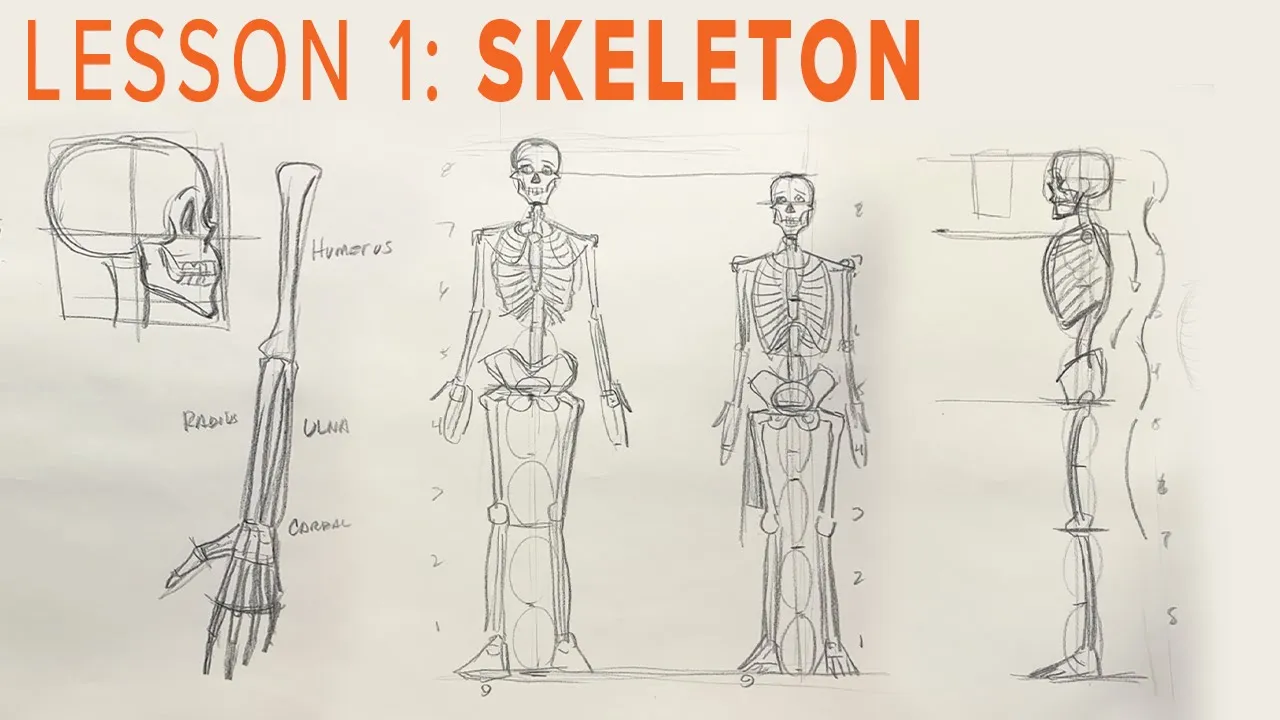
27:36
Art History
Learn to Draw Anatomy - Skeleton Structure
pomeroyartacademy
22K views•2025-04-15

3:31
Art History
Episode 4: Erin Manning
ABERnetwork
285 views•2024-11-01

0:45
Art History
JAMES VAN DER ZEE: The Photographer Who Captured Harlem’s Soul
UncommonSense59
941 views•2026-01-31

0:55
Art History
Signature X Mithila Art
SignatureNepal
1417K views•2026-02-04
2:23
Art History
Chancel Wall Paintings at St Mary's Church, Chalgrove
ATSHeritageTV
532 views•2020-05-18
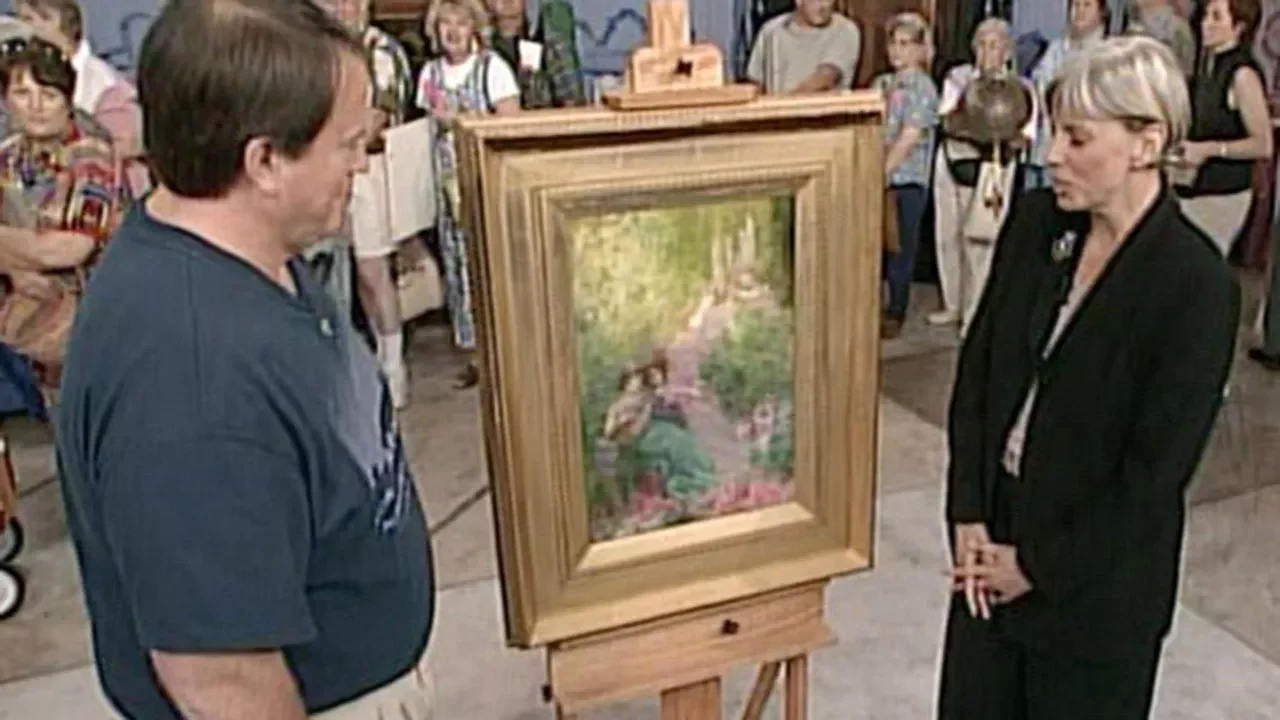
2:21
Art History
Henry Siddons Mowbray Painting, ca. 1895 | Vintage Austin | Preview
RoadshowPBS
176K views•2017-06-30
12:02
Art History
The Moonhouse - Sweden's Red Cottage on the Moon
ThreeStarVagabond
2K views•2025-06-01
Trending

9:05
Artificial Intelligence
2.4 BILLION Records Got Leaked...
DeepHumor
15K views•2026-07-22

13:25
Business
Playstation NO DISC/NO BUY Fight Is Over...
DavidJaffeGames
4K views•2026-07-23

19:32
Business
Should I buy a Sawmill?
essentialcraftsman
29K views•2026-07-22

16:52
Anthropology
Americans Confused in Australia for 17 Minutes Straight
IWrocker
17K views•2026-07-23