The Arctic Ocean ecosystem demonstrates how diverse species—from microscopic ice algae to apex predators like orcas and Greenland sharks—have evolved specialized adaptations to survive extreme cold, shifting ice, and limited resources, with survival depending on patience, timing, memory, and cooperation rather than speed or strength.
Install our extension to search inside any video instantly.
ARCTIC OCEAN | What Really Lives Beneath the Moving Ice?
Added:The Arctic awakens as moving ice reshapes every hidden pathway.
Beneath this frozen ceiling, life follows cracks, currents, and light.
Each fracture opens a temporary doorway between ocean and sky.
The ice never rests, and neither can the aquatic life below, including various cold water fish and invertebrates.
Sunlight filters through blue ice, feeding the smallest Arctic lives.
Tiny algae transform the ice into a seasonal feeding ground.
Copapods gather beneath the flows, carrying energy through darkness below.
Arctic cod remain close, protected by shadows and broken ice.
above them. Seabirds search every opening for rising prey below.
A breathing hole can become the center of survival here.
Ringed seals depend on stable openings hidden beneath drifting snow.
Pressure ridges create shelter, danger, and unexpected hunting corridors below.
The frozen surface records every storm, tide, and passing animal.
Below currents continue moving even when the world appears still.
Bowhead whales navigate slowly beneath ice using sound and memory.
Where ice separates, warm breath briefly enters the polar air.
Every opening closes eventually, forcing life to keep moving forward.
The Arctic rewards patience, timing, and constant awareness of change.
Even silence carries information beneath this moving frozen landscape today.
As daylight strengthens, the food web begins rising upward again.
Nothing here survives alone. Every movement affects another life nearby.
This moving ice is not empty. It is alive beneath.
Across the ice, every track reveals hunger, distance, and danger.
Polar bears patrol this shifting world by scent, patience, memory.
Each breathing hole offers possibility, but never guarantees a meal.
Frozen ridges conceal movement while carrying scents across enormous distances.
Below the snow, a hidden seal may breathe without warning.
Success depends less on speed than timing, silence, and restraint.
When the ice breaks, every decision becomes immediately more dangerous. Open water divides hunting grounds and drains precious body heat.
Scavengers waste nothing where winter makes every calorie extremely valuable.
Ivory gulls search the flow edges for scraps and openings.
Predators share this landscape, but each survives differently here today.
A sudden white out erases tracks, horizons, and familiar roots completely.
Snow settles quickly, hiding evidence of every recent movement nearby.
A mother must balance hunger against protecting her growing cubs.
By evening, cold light stretches shadows across the drifting flu.
Night returns, but hunger continues across the silent Arctic surface.
Beneath drifting snow, breathing holes become lifelines across the Arctic.
Ringed seals maintain these holes through months of growing ice.
Newborn pups begin life inside shelters carved beneath snowdrifts. Quietly, warm breath briefly marks the surface before disappearing into wind.
Every visit requires caution because predators may already be waiting.
Beneath thin ice, sound travels farther than vision ever can.
A mother recognizes danger through vibrations moving across frozen water.
Young seals learn the location of openings before traveling farther.
Each hole must remain usable despite pressure, snowfall, and cold.
The smallest cracks can determine survival during a sudden freeze.
Seals rotate between openings, never trusting one route for long.
Underwater corridors connect distant shelters through darkness and moving currents.
A pup's first swim begins within meters of protective shelter.
Returning safely requires memory of cracks hidden beneath changing ice.
Storms can bury openings faster than animals can reach them.
A buried hole becomes dangerous until careful digging restores air flow.
The Arctic rewards animals that remember roots nobody else sees.
Every exhalation proves that life continues beneath this frozen surface.
The moving ice changes pathways, but instinct preserves essential connections.
These openings transform frozen emptiness into a living ocean landscape.
Along open water, walruses gather where breathing remains possible year round.
Resting together conserves warmth while protecting calves from sudden danger.
Every body shifts carefully when fragile ice begins bending underneath.
Calves remain close while learning roots between ice and water.
Adult males keep distance, displaying size without constant physical conflict.
These crowded hallouts depend completely on stable ice and space.
When flows fracture, the entire herd must enter freezing water.
Massive bodies move efficiently between water and secure resting platforms.
Most feeding happens unseen. Tusks are not used for digging.
Strong suction removes clams while sediment clouds briefly obscure visibility.
Each feeding dive trades precious oxygen for energy stored below.
Calves wait near the surface while mothers search the seafloor.
Mother and calf reunite through calls carrying across dark water.
Walruses use sound and memory to locate familiar resting places.
Storm winds compress flu, reducing safe space around the herd.
Tightly packed animals risk crushing smaller calves during sudden movement.
A polar bear approaches cautiously but avoids the largest adults.
Protective mothers keep calves centered within the moving walrus herd.
Beneath moving ice, beluga voices map passages hidden from sight.
White bodies disappear easily beneath the broken Arctic ice above.
Clicks return from ice, revealing distance, shape, and safe direction.
Calves remain close, learning familiar calls before navigating alone safely.
Communication keeps separated whales connected beyond the reach of vision.
Arctic cod gather where currents concentrate food beneath thin ice.
Belugas hunt cooperatively without forming rigid or artificial attack patterns.
Sound changes when water deepens, narrows, or passes beneath ice.
Calves copy adult whistles while developing their own recognizable voices.
Strong currents carry calls differently through the shifting frozen maze.
A distant response confirms another group beyond the pressure ridge.
Belugas use flexible necks to inspect openings and obstacles carefully.
Scars reveal years spent navigating ice, predators, and changing seasons.
The Arctic Ocean carries every voice farther beneath its ice. Their tusks are teeth, not weapons for breaking thick ice.
Females guide calves through corridors remembered across many Arctic seasons.
Narwhals use clicks to inspect darkness beyond their limited vision.
Loose groups reduce collisions while preserving contact beneath crowded ice.
Young calves learn safe routes by remaining beside experienced mothers.
pressure increases rapidly as their bodies descend through cold water.
Returning upward requires enough oxygen for the entire ascent safely.
Adults surface separately, preventing dangerous collisions around fragile ice edges.
Narrow passages protect narwhals by limiting access for larger orcas.
Spring light reveals pathways that winter darkness kept completely hidden.
Bowhead whales endure Arctic winters beneath ice that never rests.
Their massive heads help them navigate fragile breathing routes safely.
Without dorsal fins, bow heads move easily beneath rough ice ceilings.
Thick blubber protects enormous bodies from relentless freezing Arctic water.
Maternal calls keep young whales connected through darkness and distance.
Spring currents gather copapods where bowheads begin feeding near surface.
Open mouths collect tiny prey while baine separates surrounding seawater.
Thousands of baine plates filter food from each enormous fouthful. Deep dives allow whales to follow prey beneath changing currents.
Resting whales surface slowly, conserving energy between demanding feeding dives.
Closing ice forces giants to abandon familiar openings without hesitation.
Pressure ridges hide narrow passages beneath towering frozen walls above.
Widening water finally gives these giants room to breathe freely.
At the ice edge, orcas study every movement before approaching.
Young orcas learn by following adults through dangerous broken ice.
Each dorsal fin reveals age, sex, health, and individual identity.
A breathing seal creates seconds of opportunity for waiting hunters.
A cautious seal survives by retreating beneath thicker broken ice.
Orcas conserve energy instead of chasing every possible target nearby.
Thin ice creates opportunities while increasing danger for every animal.
Bowheads remain safer beneath ice where orcas cannot maneuver freely.
Survival favors intelligence, restraint, memory. and cooperation in Arctic waters.
Beyond the ice edge, darker waters conceal an ancient predator.
Greenland sharks move slowly through waters colder than winter air.
Some Greenland sharks may live for several human lifetimes underwater.
Cold water slows growth, movement, digestion, and nearly everything else.
A parasite may cloud one eye without stopping successful navigation.
Smell and subtle vibrations help locate food across complete darkness.
These sharks often scavenge, conserving energy whenever opportunities appear nearby.
Greenland halibet become valuable prey along the deep Arctic slope.
A sudden burst is rare, brief, and carefully timed here.
Most hunting unfolds slowly beyond the reach of surface light.
Their skin carries scars from ice, prey, and passing years.
Deep currents deliver scents long before any meal becomes visible.
a fallen carcass can feed many animals across several days.
Scavenging connects surface life with creatures living far below permanently.
Even enormous sharks must avoid wasting energy in freezing water.
Seasonal light changes little within this deep and silent world.
Yet movement above still shapes the food arriving below eventually.
Predators and scavengers share boundaries that constantly shift beneath ice.
Greenland sharks rarely rush because patience remains their greatest advantage.
The Arctic Deep rewards endurance, adaptation, and extraordinary restraint.
Always ancient bodies continue moving through a world that never stops.
above. Thinning ice sends stronger light toward the seabed below.
Life beneath the ice depends on every falling particle above.
Beneath Arctic ice, sunlight feeds an ecosystem hidden from view.
Ice algae begin the food web before open water blooms.
Brine channels shelter organisms smaller than drifting grains of snow.
Amphipods graze beneath flows, converting algae into mobile energy stores.
Sea angels hunt tiny terrapods beneath the frozen ceiling silently.
Home jellies move gently without creating their own light. Here arrow worms ambush copapods using transparent bodies and rapid strikes.
Arctic cod shelter beneath ice where predators struggle to follow.
Their antireeze proteins prevent ice crystals growing inside body fluids.
Gulpins search the seafloor beneath cracks, delivering falling organic matter.
Shrimp and amphipods recycle particles before nutrients sink much deeper.
Ringed seals hunt cod beneath ice using memory and hearing.
algae detach from melting ice and feed deeper communities below.
More sunlight increases growth, but unstable ice removes protective shelter.
Fish follow shifting prey while seals adjust familiar hunting routes.
Under ice life responds quickly when the frozen ceiling retreats seasonally.
As ice retreats, the entire food web begins moving outward.
Summer arrives and the Arctic begins surrendering its frozen boundaries.
Retreating ice exposes pathways that remained sealed throughout the winter.
Plankton blooms convert returning light into food for countless animals.
Seabirds gather wherever fish rise beneath the brighter summer water.
Summer cliffs become crowded nurseries above rapidly changing feeding grounds.
Small birds depend on brief abundance during the Arctic summer.
Open water removes barriers while also reducing protective cover nearby.
Resting platforms shrink as stable flows drift farther apart daily.
Walruses move ashore when summer removes nearby resting ice platforms.
Longer journeys separate feeding areas from crowded coastal resting places.
Polar bears lose hunting access when sea ice retreats offshore.
Every offshore flu now demands a costly decision and swim.
Swimming families spend energy crossing widening expanses of open water.
Open water brings stronger waves where solid ice sheltered animals.
Storms reorganize prey, forcing hunters to change depth and direction.
Late summer leaves fewer flu and longer journeys between shelters.
Retreat ends slowly as cold begins reclaiming the open ocean.
The ice retreats, returns, and keeps every Arctic life moving.
Every frozen season begins where the last open water remains.
Young ice grows outward, connecting fragments into broader frozen pathways.
Seals memorize dependable openings before darkness spreads across the ocean.
Belugas follow familiar voices through channels narrowing beneath fresh ice.
Bowheads return beneath forming ice, carrying calves through remembered corridors.
Walruses leave unstable flu and seek protected coastal resting grounds.
Polar bears follow returning ice toward hunting routes rebuilt slowly.
Arctic cod gather beneath new ice where algae will return.
Winter darkness changes visibility, but sound continues guiding hidden lives.
Orcas remain near open edges where breathing animals still gather.
Greenland sharks continue below, untouched by storms reshaping the surface.
The smallest organisms endure, waiting beneath ice for returning sunlight.
Pressure ridges create shelter, obstacles, and pathways across frozen water.
Each breath marks survival within a landscape that never settles.
Storms erase tracks, yet underwater roots remain carried through memory.
This frozen ocean changes constantly, but its connections remain unbroken.
Nothing here is truly still, empty, or completely silent ever.
The moving ice carries memory, danger, shelter, and renewal forward.
Related Videos
19:51
Biology
Salivary glands (anatomy)
SamWebster
139K views•2019-01-08
12:52
Biology
DNA Replication l Replication initiation in Prokaryotes
microbioscope18
4K views•2019-03-05
5:47
Biology
Identification of bacteria using biochemical tests (1 of 2)
microbiologyteachingvideos6490
24K views•2019-05-28
1:11
Biology
How PTSD Impacts Our Genes, with Dan Siegel
nicabm
31K views•2019-07-18

51:49
Biology
Influence of Footwear Longitudinal Bending Stiffness on Metatarsal Strains during Running
uofckinesiologyseminarseri2218
107 views•2025-12-02

6:57
Biology
Obscure Bird Grasshopper: It's One of the Big Ones!
RandysNaturalWorld
2K views•2025-08-26

5:36
Biology
B-Cell Receptors vs T-Cell Receptors - Overview
Sqadiacom
1K views•2025-01-31
1:27
Biology
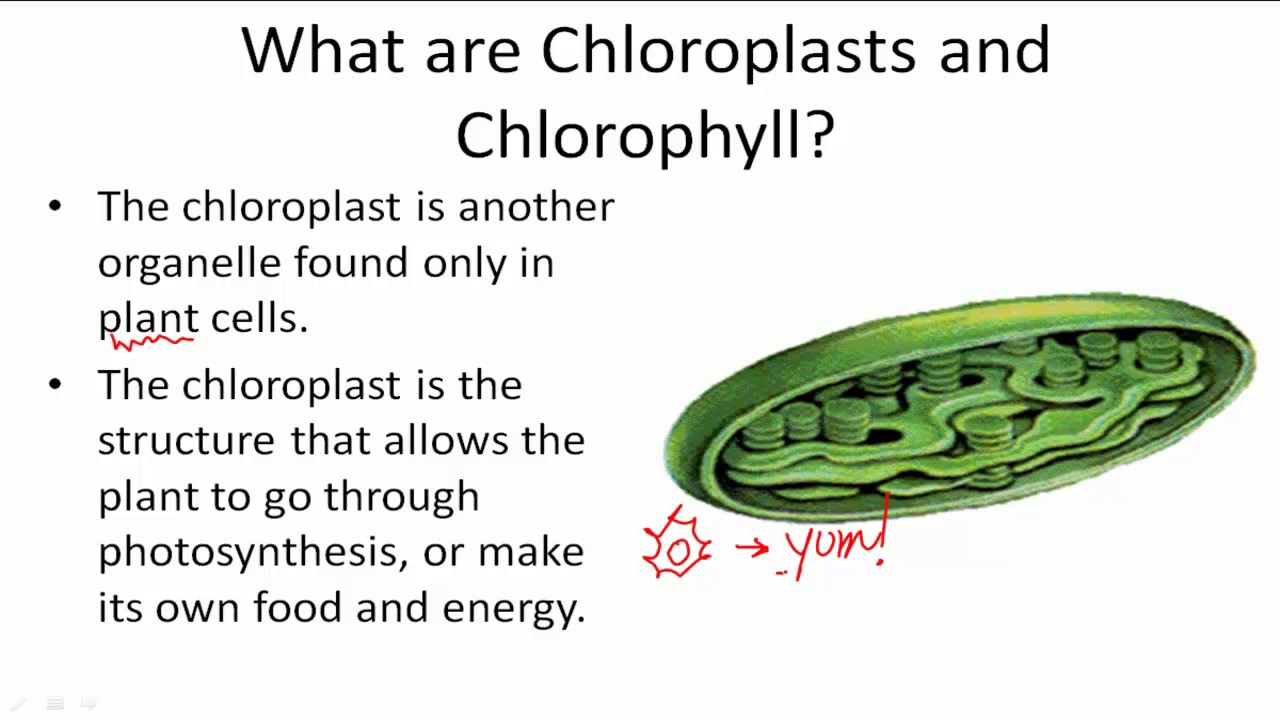
Functions of Chloroplasts and Chlorophyll
CK12
28K views•2017-05-24
Trending

5:41
Business
YouTube Disabled Our Comments Again (Are Any Humans Left at YouTube?)
SpecialBooksbySpecialKids
39K views•2026-07-21

5:07
Philosophy
One Must Imagine Sisyphus Happy
vlogbrothers
61K views•2026-07-21

25:15
Business
Future of Taylor Farms
maighstirtarot5385
11K views•2026-07-21

12:30
Business
The Downfall of OnePlus!
techwiser
65K views•2026-07-21