This systematic breakdown transforms home brewing from anecdotal guesswork into a disciplined study of fermentation kinetics. It is a definitive proof that thermal restraint is the true arbiter of sensory quality in mead making.
拡張機能をインストールして、あらゆる動画内を即座に検索しましょう
I Tested 6 Yeasts So You Don't Have To...追加:
What if I told you that everything you think you know about making alcohol is a lie? In the world of fermentation, there's one single ingredient that's hands down the most important and most people are completely missing out.
Whether you're making meat, beer, wine, kombucha, or even bread, I promise what I'm about to show you is going to completely blow your mind. Today, I'm testing out six of the most popular yeasts side by side cuz I'm on a mission to figure out which is actually the best.
So, one of the confusing things about fermenting is that there are just so many different strains of yeasts out there available. And if you were to ask 10 different people their favorite yeasts, you'd probably get 10 different answers. That's because they're so different. A lot of them are bred for different fermentation conditions, different flavors, and you'll notice that if you were to try different yeast with the same recipe, you'll get vastly different results. And that's exactly what I want to test out. In my mem experience, I've only used about two or three different types of yeast. And I've never really experimented and tried new things. So, so many people have recommended me different yeasts. And surprisingly, the amount of research and studies that are available out there are like very limited. There isn't a ton of information out there. Now, I do want to show you do want to show you what we're working with here today because we have a good mix. We've got 1116, which is a super common fruit wine yeast. We've got Bri 97, which is typically used for American West Coast beers. 71B, probably the yeast I use most commonly in fruit messes. 212. I've actually never used this one before, but it says it's used for pino noir. Then we've got Voss, which is a kavik ale yeast. Probably one of the most common beer yeasts in the world. And then finally, we've got this Philly sour yeast. Really good for sour beers. And we'll see what it does with me. I'm going to be making mess with these yeasts. But the way this works is I've got six different yeasts and I'm going to do two samples per yeast strain and do my best to keep everything else the exact same. So, I know it would probably make more sense just to do six different traditional meades and keep things super simple, just use honey, but I'm actually selfishly going to make blueberry messades out of this. Um, I've been on a mission to make the best blueberry meat I possibly can. The first thing I did to get one step closer to making the perfect blueberry mead, I literally ran all around town to gather blueberries from different grocery stores. And I systematically tested out each blueberry and compared the sourness, sweetness, overall blueberry flavor, and I ranked all the blueberries to find my favorite. Um, and so I have my favorite blueberries, and now the next step is determining which yeast is going to make the best blueberry meat.
So that's what we're doing today. But keep in mind that these results will vary significantly if you're using different types of recipes. Some yeast might be better for a blueberry mead and some might be better for a cherry meat.
Some might be better for a beer. You don't know until you test it out. And instead of just taking people's word for it, I'm the type of person who needs to test it out and see for myself. So, that's what we're doing. And hopefully the results will be useful for you, too.
I am going to start by just Oh, this my bag is dripping. There's a hole somewhere. I've previously uh these berries have previously been frozen and now they're thawed. Um, and I'm going to get them over to a bowl and just sort of lightly mash them.
And just now it's occurring to me that now in this bowl of mashed blueberries, I also have a bunch of blueberry juice.
And I don't I don't know a good way of making sure that the ratio of juice to berries in each jar is the same, but I'll do my best. I went ahead and weighed out the same amount of blueberries in each jar and got started on making the meat. I figured it would be wise to make one large batch of my honey water and then evenly distributed into each jar to try and keep things the same. All right, so we've got the honey water mix made. Now it's time to just add the exact same amount into each jar and then we'll go ahead and throw in the yeast. I did add my typical dose of nutrients and I'll add those details as well as the full recipe and all the data from this experiment in the description.
So, make sure to check that out if you're interested. All right, we've got uh we've got all the samples made. We've got the honey, water, and blueberries close to the same amount in each one.
Now, the fun part, we need to add our different strains of yeast. Now, the thing about using yeast, one thing that surprises a lot of people is it really doesn't matter how much you use to an extent. You can't really overdo it, but essentially what happens is when you add yeast to me, they continue to repopulate during that lag phase. And so whether you add half a gram per gallon or 5 g per gallon, you're going to end up with similar results in the end. It's it doesn't make a huge difference. All right, so at this point, all of our samples are complete. We've got all the ingredients we need. So now the next thing we need to do is get the lids and air locks on. Um, but I also really should think about getting these labeled before I mess something up.
Now, this is the fun part that I'm really excited about because there's a reason that I did two samples for each strain of yeast. So, like I talked about before, temperature plays a huge factor in fermentation and the quality of the flavors that you're getting out of your yeast. Now, I don't know specifically how or why or what that looks like in each strain, but we're going to find out because for the first six samples, I'm just going to let them set at room temperature. So, now the other six I'm actually going to store in a wine cooler. I have a temperature controlled at 60°, which is a cold fermentation.
They say often times that cold and slow will lead to a better fermentation, and I guess we'll find out if that's true.
But I think it'll be really cool to taste the same strain of yeast at room temperature versus a cold fermentation and be able to do that with six different strains of yeast. I'm hoping at least one of them is good. I let these ferment for a little over a month until I confirmed that each sample was complete. And now visually there are no major observable differences besides maybe the cold samples having more densely packed layers of dead yeast at the base of the vessels. But now the first thing I'm going to do is compare the alcohol production of each sample and then we'll give them a taste.
Starting with 71B standard fruit me yeast. Both the hot and cold samples topped out at just over 15% leaving a bit of residual sweetness. Brian 97, our West Coast ale yeast had a slightly lower ABV at 14% and the colder sample came in slightly under at 13.8%. Philly sour had a wider spread. The room temperature sample climbed to over 17% while the cold stayed under 13, which means that this yeast definitely is sensitive to colder temperatures. 1116 showed the highest alcohol tolerance by far. The warm sample hit almost 18% and fermented completely dry, which means it's possible that this could have gone even higher, and even the colder sample was about 16.4%. Vos kavike hit almost 17% with the cold sample staying under 14. And finally, 212 fermented exceptionally high, and both the warm and cold samples capped out at 17 1.5%.
So overall, the trend here is that the colder temperatures seem to have reduced the alcohol production in every single sample except for 71B and 212. Now, let's get to tasting. 71B tasted the most familiar to me, which is sort of nice to have something to compare to.
The room temp sample had some bitterness that actually wasn't present in the colder sample, which was also more fruit forward and tangy. Bry 97 was quite juicy, not bitter at all, but perhaps just a bit watery and thin, which wasn't the case at all in the cold sample because wow. Cold one had a full body, loads of honey notes, a clean, silky smoothness to it, and super bright in-your-face notes of blueberries. Now, Philly Sour. This one puckers your mouth like cranberry juice. Nothing off about it. And the colder sample showcased perhaps the most blueberry flavor so far. Very delicious, just very sour. Now 1116 is a bit disappointing. Both samples were bitter and thin with quite a bit of alcohol hotness. And I did taste more honey than fruit. Boss Kavik.
This one had a touch of abrasiveness, but lots of berry notes in the warm sample. And you guys, this cold sample shocked me. Zero bitterness, zero hotness, just straight up blueberries and honey. Actually, so smooth and tasty. And last but not least, two and two. This definitely tasted the most like a red wine. Um, the sample was dry and it did preserve the most tannin.
However, I will say the alcohol was just super distracting in both these samples, so I don't know if it has a fair shot.
Now, I did go back and compare my favorites side by side, and all in all, the trend seemed to be that the colder temperature samples had significantly less fusil alcohol bite, less off flavors, and just preserved those fruit flavors much, much better. Let me start with what I was disappointed in. After tasting all of these side by side, I was a little bit disappointed in my two typical go-to yeasts, 71B and 1116.
These are usually what I make almost all of my meats out of, and they typically perform well, but I think I've been missing out, and I didn't realize that until I actually experimented with some of these other ones. Um, Philly Sour is like unbelievable if you like sour. I was expecting it to, first of all, not even hit a high ABV because it's a beer yeast. Philly sour was definitely the one that surprised me the most. I was also extremely surprised by Vos Kavi.
This is probably like one of the most popular beer brewing yeasts in the world and it's typically fermented at high temperatures. So, I had no expectations for this one performing um especially the cold ferment. I guess there's a reason it's the most popular. Now, out of all of these, I have to say that my favorite is going to be the Bry 97 yeast fermented cold. Guys, this definitely preserved the blueberry notes the best.
It was juicy, fruity, and almost had a like silky smooth creaminess to it that I didn't get in any of the other yeasts.
No off flavors, no bitterness, no hotness. It was the cleanest, tastiest, and this is what I'm going to use for every blueberry meat from now on. Thank you guys so much for watching.
関連おすすめ

Koji - the enzyme powerhouse 💪
EdibleAlchemy
18K views•2026-05-31

Management of stem gall disease of coriander through IDM
helpingagroAssam
162 views•2026-06-02
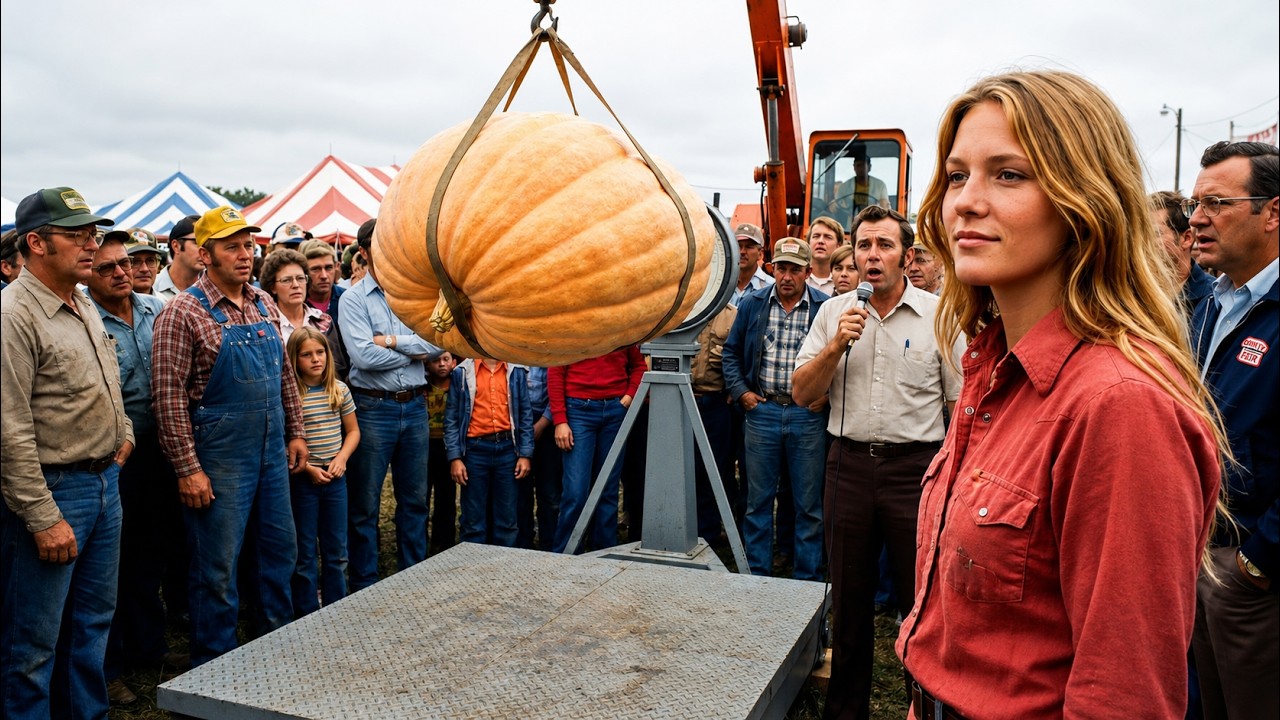
A Paper Mill Dumped Wood Fiber on Her Farm for Years...She Used It to Grow 800-Pound Pumpkins
FarmlandChronicles
436 views•2026-06-02

Scientists Cloning Extinct Tasmanian Tigers
funfactsforkids2026
155 views•2026-06-02
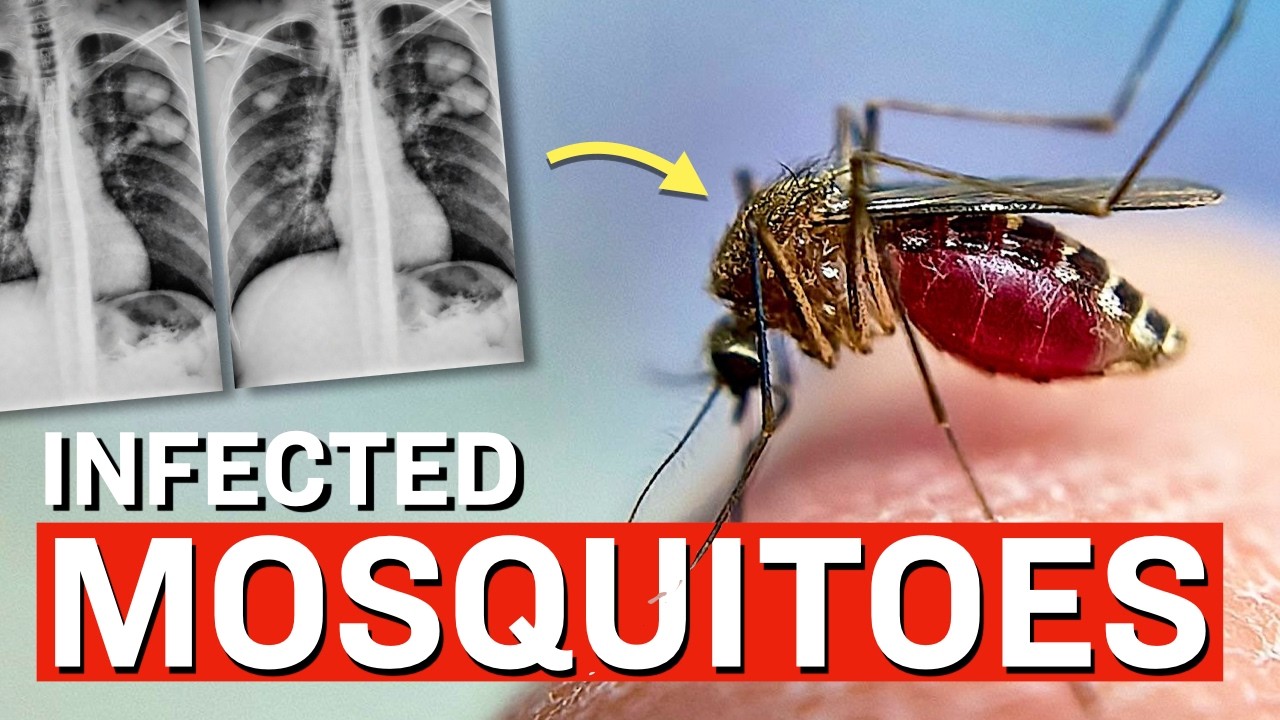
Google Releasing a 32 Million Strong "Mosquito Army" in Florida
FactsMatterRoman
4K views•2026-06-05

Google seeks EPA approval to release infected mosquitoes in California and Florida
cbs8sandiego
1K views•2026-06-02

Every Genetic Gift You May Have Explained
ChefCalebYT
211 views•2026-05-31

Mechanical Characterization and Modelling of Tissues (Intro Video)
npteliitd
109 views•2026-06-02



