This footage offers a refreshing look at the complex social intelligence of convict cichlids in their true ecological context. It effectively bridges the gap between aquarium hobbyism and professional field biology.
Install our extension to search inside any video instantly.
Convict Cichlids in Nature!
Added:For so many of us, the convict cichlid was the first fish that we could see breeding in our aquarium. So today, I want to look at breeding convicts in nature. Stay tuned to see some really nice habitat shots. And if we get some views from this video, we'll look at their main predator in this habitat, the wolf cichlid power chromosis dovi, in the next one.
This habitat is interesting because it's on the Pedmont of the Ringon Deavha volcano in Costa Rica and sulfur from the continuous eruptions of the volcano enters this habitat. As you go upstream, the sulfur concentrations increase and fish are completely absent. This means there are a few fish here in the upper part of the river. Only two cichlid species and no other fish were found.
The river is in a narrow canyon with large worn- down limestone bedrock on both sides and dense vegetation and large trees providing shadow. The substrate consists of sand in the deeper pools where water flows more slowly and reaching a depth of 3 m or 10 ft alternating with shallow pools characterized by fist-sized boulders and faster flowing water. Here on the downs slope of the volcano, occasional waterfalls also create barriers for other fish to recolonize the habitat until it reaches the lowland where the river eventually enters the Pacific Ocean.
Convict cichlids prefer the shallow water. No surprise because some very large dovy occupy those deep pools and it's not a good idea to get in their reach. Breeding couples of convicts were common in the dry season in this habitat. And in little over two hours, I found five pairs of convicts with their young. I want to show you three of them because this habitat is very beautiful and it's interesting to see how adaptable these fish are. And that may explain why they are so widespread in Central America.
Convicts lay their eggs in a cave or at least under an overhang. In the aquarium, I always use a half coconut shell as a breeding shelter. That's usually fits well for the tiny females, and the males don't actually have to enter the cave to fertilize the eggs.
Once the eggs hatch, the female will bring them out, and both parents will guard the young until they reach a size of close to 1 cm. This first pair has a smaller number of larger fry. Likely, their numbers have been reduced because other fish and predatory insect larae have eaten a few of them. The bedrock on the edge of the river is covered in a thin layer of auks, a mixture of algae, bacterial mass, detritis, and fine particles that provides an ideal feeding ground for the young. Some sunlight penetrates this area, and the pair is reasonably safe from the dovi that don't like the really shallow water. Perhaps her and kingishers are greater danger here. But by noon, local families have arrived to relax along the river, and the birds have moved downstream where there are no humans.
A few steps upstream, a second pair has occupied a larger territory in the shallow water. This area is much bigger with knee deep water that is faster flowing and few other fish. Dovi are rare here, only crossing through this habitat to get from one deeper pool into another. The pair is not so safe here, having few places to hide and a long swim to the dense roots along the riverbank. But for the fry, this area is an ideal grazing place. If the pair is approached or a larger fish passes close to them, they simply signal the babies to dive down between the rocks and wait until a new signal from their vententral fins brings them back up to feed on top of the rocks.
The main danger for the young seems to come from other small convicts that will approach the pair and try to snatch one of the babies. For this pair, both parents are equally involved in the defense of the fry, and the male will only occasionally stray farther from the young. When I went back to the same place 2 days later, the pair was nearly in the same area around the same time of the day. Likely they lead their gaggle of young around this pool all day and try to settle in a more sheltered area along the edges at night. This brings some danger for the parents because the banks are either steep bedrock with no shelter for the adults or dense root systems from the trees which create overhanging curtains but also ideal places for the larger cichlids to shelter.
Moving the camera towards the parents at first caused some stress with the parents swimming towards the camera. But with the camera not moving, it was quickly considered to be no threat and ignored by the parents.
Our convict cichlid, like any skilled convict, has changed its name frequently using aliases such as cycllosoma, arroent, cryptoos, and currently amatitania.
To make this more confusing for law enforcement, the convict cichlid is now also split from amatitlania negro fasciat which is now found only in the north such as in Honduras in El Salvador as Amatitania Kana in Panama and the southernmost sector of Costa Rica and as Amatitania Sakia in this section of northern Costa Rica, Nicaragua and parts of Honduras.
Let's also have a look downstream away from the swimming hole where families and their kids swim in the deeper pools.
Here, leaf litter assembles in the shallows. And I actually found other fish, the common aanxas and aataris alpharie cichlids. In this place, there was also a pair of breeding convicts, not with free swimming young, but with a cluster of eggs hidden deep under a log.
A few steps away, a fallen tree provides shelter along the edges of the pool.
This is a more dangerous area for the cichlids because these overhanging branches also make ideal perches for kingishers. Under the tree, I found a pair of convicts in yet another different substrate with the young feeding among the leaf litter over sandy bottom in very slowmoving water. Amazing that our common convict cichlid seems to thrive in any of these places.
Please make sure to share this video and subscribe to the channel and look out for part two with a look at the beautiful blue dovy cichlids found in this same habitat. Make sure to check out the video with tomosichllet tuba and other Costa Rican cichlids as well. The links are in the description.
Related Videos

19:51
Biology
Salivary glands (anatomy)
SamWebster
139K views•2019-01-08

12:52
Biology
DNA Replication l Replication initiation in Prokaryotes
microbioscope18
4K views•2019-03-05

5:47
Biology
Identification of bacteria using biochemical tests (1 of 2)
microbiologyteachingvideos6490
24K views•2019-05-28

1:11
Biology
How PTSD Impacts Our Genes, with Dan Siegel
nicabm
31K views•2019-07-18

51:49
Biology
Influence of Footwear Longitudinal Bending Stiffness on Metatarsal Strains during Running
uofckinesiologyseminarseri2218
107 views•2025-12-02

6:57
Biology
Obscure Bird Grasshopper: It's One of the Big Ones!
RandysNaturalWorld
2K views•2025-08-26

5:36
Biology
B-Cell Receptors vs T-Cell Receptors - Overview
Sqadiacom
1K views•2025-01-31
1:27
Biology
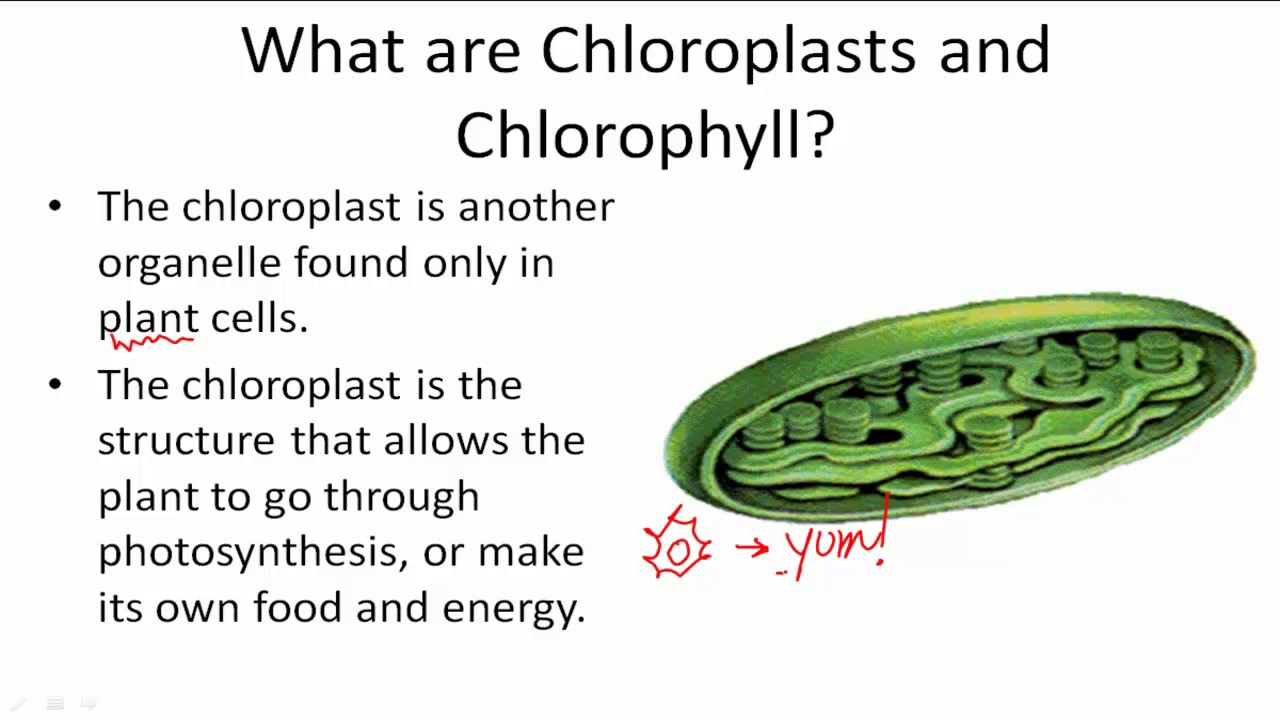
Functions of Chloroplasts and Chlorophyll
CK12
28K views•2017-05-24
Trending

9:05
Artificial Intelligence
2.4 BILLION Records Got Leaked...
DeepHumor
15K views•2026-07-22

13:25
Business
Playstation NO DISC/NO BUY Fight Is Over...
DavidJaffeGames
4K views•2026-07-23

19:32
Business
Should I buy a Sawmill?
essentialcraftsman
29K views•2026-07-22

16:52
Anthropology
Americans Confused in Australia for 17 Minutes Straight
IWrocker
17K views•2026-07-23