Rooibos tea seeds, a South African indigenous plant native to the Cedarberg region, are being sent to the International Space Station for a 6-week experiment to study how space conditions affect plant growth, with participating schools in the Cedarberg area growing both space-exposed and control seeds to compare their development.
Install our extension to search inside any video instantly.
Rooibos tea seeds going to space
Added:The quiet, tranquil region of the Cedarberg is home to a plant like no other. Royos, translated as red bush due to its color when water is added, has its own distinct smell and flavor. From Vupertal, where it has been grown for generations, to Glen William, where it's farmed on a large scale, the plants grow only here and in a small area of the Northern Cape. The initiative was conceptualized by the South African Royals Council making it the first indigenous South African plant seeds that will go to space.
Robos seats will be seeds will be going into space after which it will orbit um in the international space station for 6 weeks. Then it will come back to Earth where learners from schools in the Cedarberg area will plant these seeds with a control group and then we'll see how these seeds reacted to the space environment. um non-gravity and see what happens to those plants on Earth.
>> As part of science, technology, engineering, and mathematics or STEM programs, it presented an opportunity for children from the far-flung rural area of the Cedarberg to be part of this extraordinary project.
>> The Royos is a regional. So it's in the Cedar Bear area and that is for us very important that it become localized that people then can see that their heritage can actually become part of science and technology. Also noting that science and that STEM education is not a domain a subject domain but it's a philosophy that we have to live where we actually say it's about economics it's about the well-being of our society and also moving forward in um the future. There we go.
>> Running STEM programs and launching projects for students into space since 2014. Max IQ Space is the facilitation partner. Working with Princeton University in America, Max IQ Space co-designed the nano or small laboratory that will carry the seats to space. It took mounds of paperwork and weekly meetings with the American National Aeronautics and Space Administration or NASA to ensure everything is according to the required standards for the project to be allowed on board the space station. The nano laboratory with the Royos seeds has to be in Houston in America by the 1st of September.
Once it's there, it simply waits for the next resupply mission to the International Space Station. Cuz what happens is that, you know, every few weeks the astronauts are going to need fresh food, fresh vegetables, fruit, etc., maybe more experiments to do, whether maybe vitamins, etc. And so there'll be a resupply ship that goes to the International Space Station. So we're going to piggyback a ride on that.
Once it's there gets connected to power and then kind of like left there to run.
So um everything runs on it on its own for about six weeks and then it's unplugged and then it comes back.
Eight schools will be involved in the project. Parkland's College in Cape Town as an African center of excellence for space STEM projects will be vital to data collection while the other seven schools are from the Cedberg district.
The children from participating schools will plant, grow, monitor, and share data of the so-called space seeds after it's returned to Earth.
>> It's um incredible. I like it.
>> Yes.
>> Why? Tell us why. Because royals like you send the you can send a plane to to space like it's we want to see how it comes out then. Yes.
>> So what will you do when it comes back?
What do you think? Will it look different? Will it behave different?
What do you think? Will >> I think it will look the same. It will look like on planet Earth.
>> There we go. Okay. International space agencies are increasingly prioritizing the development of self- sustaining life support systems for future deep space travel. This includes the cultivation of crops to produce food, oxygen generation and contributing to crew well-being on extended missions.
It's a part of a larger research pro process where we are seeing how we can really actually much longer further in the future see how crops can grow in outer space if that is a need that would follow sometime in the future.
It may be argued that South Africans carry the knowledge of the health benefits of ruibos in their DNA and in future it might become one of those vital crops needed for long space travel.
Maris Kabeta is ABC News Cape Town.
Related Videos
19:51
Biology
Salivary glands (anatomy)
SamWebster
139K views•2019-01-08
12:52
Biology
DNA Replication l Replication initiation in Prokaryotes
microbioscope18
4K views•2019-03-05
5:47
Biology
Identification of bacteria using biochemical tests (1 of 2)
microbiologyteachingvideos6490
24K views•2019-05-28
1:11
Biology
How PTSD Impacts Our Genes, with Dan Siegel
nicabm
31K views•2019-07-18

51:49
Biology
Influence of Footwear Longitudinal Bending Stiffness on Metatarsal Strains during Running
uofckinesiologyseminarseri2218
107 views•2025-12-02

6:57
Biology
Obscure Bird Grasshopper: It's One of the Big Ones!
RandysNaturalWorld
2K views•2025-08-26

5:36
Biology
B-Cell Receptors vs T-Cell Receptors - Overview
Sqadiacom
1K views•2025-01-31
1:27
Biology
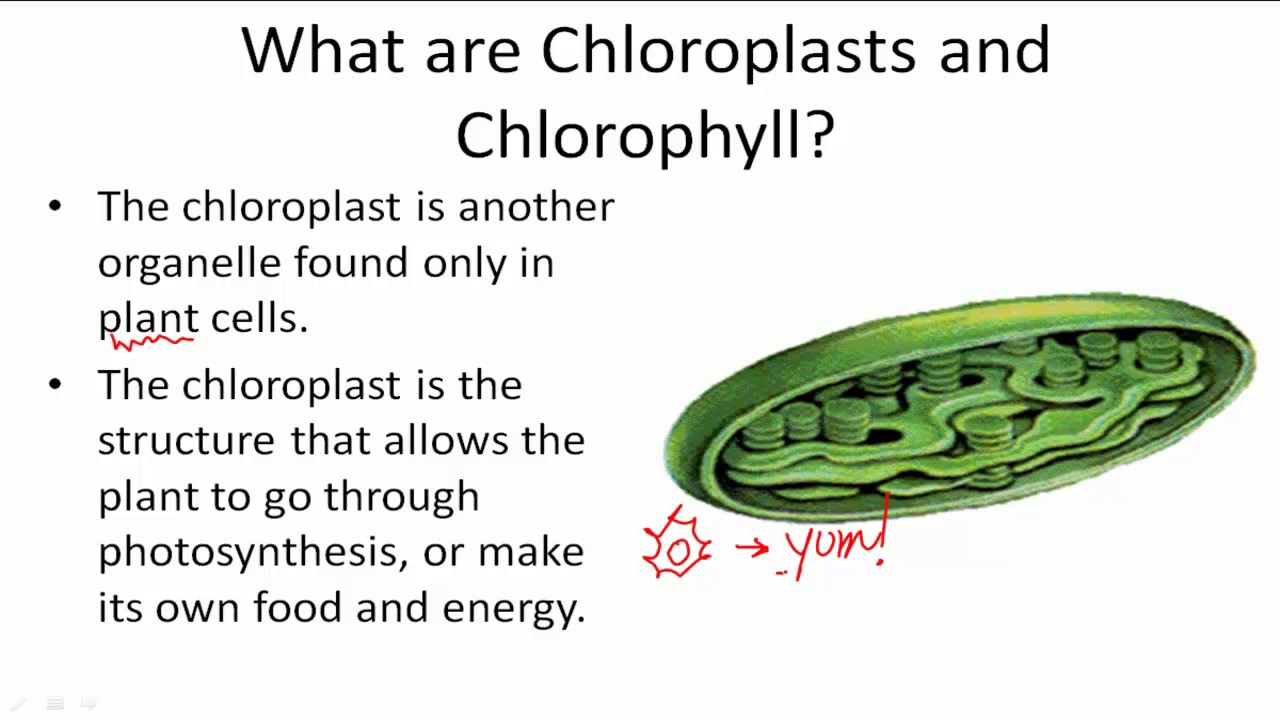
Functions of Chloroplasts and Chlorophyll
CK12
28K views•2017-05-24
Trending

13:25
Business
Playstation NO DISC/NO BUY Fight Is Over...
DavidJaffeGames
4K views•2026-07-23

22:40
Business
Steam and Xbox Just Dropped The Hammer On PlayStation
OhNoItsAlexx
9K views•2026-07-23

16:52
Anthropology
Americans Confused in Australia for 17 Minutes Straight
IWrocker
17K views•2026-07-23

20:36
Business
SuperBike Factory Has Gone... What's Next for the Motorcycle Industry?
thatbikersimon
11K views•2026-07-22