This video presents two interconnected environmental crises facing future generations: climate change and biodiversity loss. For climate change, the video explains that while renewable energy (solar and wind) has become cheaper than fossil fuels since 2009, fossil fuel reliance remains high, necessitating carbon dioxide removal strategies including reforestation, ocean fertilization, and direct air capture, which require enormous financial commitment ($1-6 trillion annually). For biodiversity loss, the video outlines conservation strategies focusing on single species: flagship species (charismatic animals that raise public awareness), keystone species (top predators whose protection benefits many others), ecosystem engineers (species like elephants that modify habitats), umbrella species (whose protection covers many other species), and indicator species (organisms that signal ecosystem health). The video uses case studies including lion conservation through guardian programs and elephant protection through ivory supply/demand reduction to illustrate these approaches.
Biology 1001 - Conservation and Restoration Ecology 1
Added:for our final two sessions I want to focus on the two great crises facing your generation and generations to come first is climate change we know that temperatures are rising fast and will continue to do so for the foreseeable future secondly is biodiversity loss as we have seen more and more habitat has been destroyed converted to Agriculture and species are disappearing I want to dress these each one separately first with climate change it's mandatory that we reduce our emissions of fossil fuels replacing them as much as possible with renewable energy wind and solar and nuclear power which may have other problems but at least it does not generate carbon dioxide how are we going to reduce our emissions businesses have always claimed that it would be too expensive to replace fossil fuels of Alternative forms of energy but what we've seen since 2009 is that the cost per megawatt hour of electricity has gone from being the most expensive for solar to now being the cheapest and a similar decline in wind energy whereas the power being generated by coals still costs about the same as it did in 2009 so now the cheapest forms of energy are from solar from wind and we'll only expect to see more and more of these power plants coming online in the coming decades but we still have a long way to go even with these improvements our Reliance on fossil fuels have not declined that much since 2010 the improvements are there we have a super long way to go so we're generating a massive amount of CO2 they're still going into the air so if we can't reduce emissions fast enough we have to be serious about the possibility of removing carbon dioxide from the air in a number of different ways can be employed to do this this summarizes a number of these strategies put together by the National Academy of Sciences some of this involves the direct removal of CO2 from the air by machinery but if the Machinery is being driven with electricity generated by the consumption of biofuels this is organic matter that will pull CO2 out of the air and then be used to pull CO2 out of the air which could then be pumped into the ground most of these things that could come forward or involve biological processes reforestation growing more mangroves and other Coastal plants and algae that will remove CO2 we could fertilize the oceans with iron filings which would generate a lot of phytoplankton which again are pulling CO2 out we can try to pull up by organic material from the bottoms of oceans to again fuel the growth of algae and phytoplankton all of these that can help pull CO2 out of the air these are relying on natural processes to do this but the scale of this is really enormous it's been estimated we need to pull out about 10 gigatons of CO2 per year for the next 50 years this is going to cost anywhere from a hundred to six hundred dollars per ton so that means an expenditure between one and six trillion dollars per year to try to bring CO2 down to a manageable level as a comparison the American Congress in 2022 voted to implement what they call the inflation reduction act but this is largely addressing climate change issues and this will devote 30 billion dollars a year for the next 10 years instead of billions we need to have 30 to 40 times that much money being spent every year to pull the CO2 out and so this is going to take an enormous commitment politically of the advanced societies to really achieve this kind of reduction in CO2 from the existing amount that's already in the air another way we can try to deal with climate change is just to adapt to it except that climate's going to change what can we do as a kind of technological and the sociological adaptation to change so one of these would be actually to assist plants to move farther north species that already have a current range could be enhanced to move north by simply planting seedlings and seeds in the northern limits of their current range to assist them in moving more Northerly we might also say well okay these plants have never existed this far north before we'll shift them into other biomes where they weren't found previously and in doing this we would actually be assisting the whole species to migrate North to areas where they could still Thrive and in a new world so this is possible and this is actually being done in various places already but this is running the risk of not saying just rescuing species by moving them further north but will they behave more like invasive species because even though the climate may be more like what they're used to further south they're going to come into a whole new set of interactions with new species so you don't really know how that's going to work out now in a turn to biodiversity loss involves conservation strategies which we've seen going on for some decades already these usually focus on a single species and also protecting particular areas and trying now to protect certain processes of ecosystems that are at risk we can also take a more active role than just conserving what's still there but actually trying to restore habitat that may have otherwise been lost which so I'm going to start out with single species conservation where are we going to put our efforts one is that we can focus on Flagship species which raise public awareness and saying hey this is a species in trouble this is a species that people like they might actually contribute funding governments might be Pro more disposed to looking after these kind of conservation efforts there are also certain keystone species that if we protect one will protect many within an ecosystem so these keystone species can include top predators very attractive species like lions and leopards and cheetahs these are very important within the food web that they exist the other is to focus on certain species we can call ecosystem Engineers these are species like us that modify the environment some way elephants do that they can create clearings by knocking down trees they can make pathways through swamps gorillas can do similar things they're just so big they're actually modifying the environment now if we do these single species there are certain species that we're going to focus on and each one has its own particular challenges that we have to address let's start with lions a species I know a lot about this is a species you may love in urban settings because hey we don't have to live with them but if you're a rural pastilist or a Rancher you don't really like Predators very much because they'll kill your livestock and so in the case of the lions in East Africa the Lions rely on prey like zebra but the zebra are coexisting in many parts of the Savannah with livestock and where their livestock the lions are going to be tempted to take cattle for their dinner and what we've seen in some of our studies there is as you have areas with more and more livestock attacks being killed by lions people retaliate they will go out they'll spear them they'll shoot them just like we see with ranchers in the American West with Wolves they don't like pests don't like them either and this can result in about one dead lion per cow and this has had an enormous impact we know that in some of these areas whole populations of lions have declined rather dramatically because of retaliatory killings by pastoralists herders well one of the things you can do is to address that particular problem ecologists working with Mass Eye Specialists have helped them to start monitoring the Lions directly so they'll know that when a line is very close to their livestock and they can take preventive actions rather than retaliatory actions so these Mass Eye are tracking lines that have been fitted with radio callers so they'll know this is where we need to be and so the lion Guardians have become ecologists as well and they are Now instrumental in protecting the lions in their ecosystems to the extent that populations that have been held well below the learning the carrying capacity just a few Lions left in those areas starting a few years after the lion Guardian Project was started with that green vertical line the lion population is now recovered to its estimated carrying capacity a success story well other species are going to have other problems so in the case of elephants they carry around with them these extraordinarily attractive and valuable resources their tusks which are valued and long been valued as ivory so elephants are being killed and have been for some time for their Ivory there's a market for it as people take the ivory and they convert it into trinkets into jewelry into small sculptures and so for the longest time African countries would confiscate the ivory that they would either find from animals that died of natural causes or they taken away from poachers and then try to sell them in a legal Market but they realized that that was just feeding the market so I decided to cut off the supply with these large public displays of burning their ivory stores meanwhile in Asia which is the destination for these items there's been targeted conservation efforts to say hey don't do it and they've actually been successful China more recently than many other Asian countries has now banned the importation so they've successfully cut off demand and so it seems like this has really reduced the amount of even Ivory poaching just in the last few years okay our single thesis priorities can be like I've said with these charismatic species that people say oh God those golden line taverns are so cute where do I get money yes can we help restore these animals can we help conserve them in what remains of their habitat keystone species like elephants like lions like gorillas you can have these ecosystem engineers and a really famous example in North America are beavers because beavers by creating dams they're creating habitats for lots of other species there are umbrella species the northern spotted owl that we have in the Pacific Northwest in Oregon and Washington State these animals need a huge amount of land so if you're protecting enough land to look after the northern spotted Al you're protecting salamanders protecting all kinds of plants as well then they're indicator species certain species are the ones that are the first they're going to tell you ooh something's going wrong with this habitat we need to be able to look after the coral and the coral reefs that's the the indicator species for ecosystem health is the coral itself and I'll talk more about that shortly so to summarize a single species we've got benefits that helps draw public awareness and interest and attention towards the conservation effort at all they're relatively easy to monitoring put colors on your Lions that's all you really need to do if that's what you're doing and you can never have a better idea of whether you're succeeding or not and if you conserve certain species that have that Keystone effect that engineering effect they can have outsized impacts on the entire community but their challenges to this approach because it overlooks other rare species that are inconspicuous that just may not draw the kind of attention but they're just as important and your target species might be successfully conserved in some areas but not others and if you put all your effort into just doing that one thing over and over in different places it may not always work and then you're losing all kinds of ecosystem services in those areas and you're confailing to conserve to biome as a whole you might be looking after lines but if you're not looking after the grasses and the and the wildebeest that they eat you're not going to succeed
Related Videos
Salivary glands (anatomy)
SamWebster
139K views•2019-01-08
DNA Replication l Replication initiation in Prokaryotes
microbioscope18
4K views•2019-03-05
Identification of bacteria using biochemical tests (1 of 2)
microbiologyteachingvideos6490
24K views•2019-05-28
How PTSD Impacts Our Genes, with Dan Siegel
nicabm
31K views•2019-07-18

Influence of Footwear Longitudinal Bending Stiffness on Metatarsal Strains during Running
uofckinesiologyseminarseri2218
107 views•2025-12-02

Obscure Bird Grasshopper: It's One of the Big Ones!
RandysNaturalWorld
2K views•2025-08-26

B-Cell Receptors vs T-Cell Receptors - Overview
Sqadiacom
1K views•2025-01-31
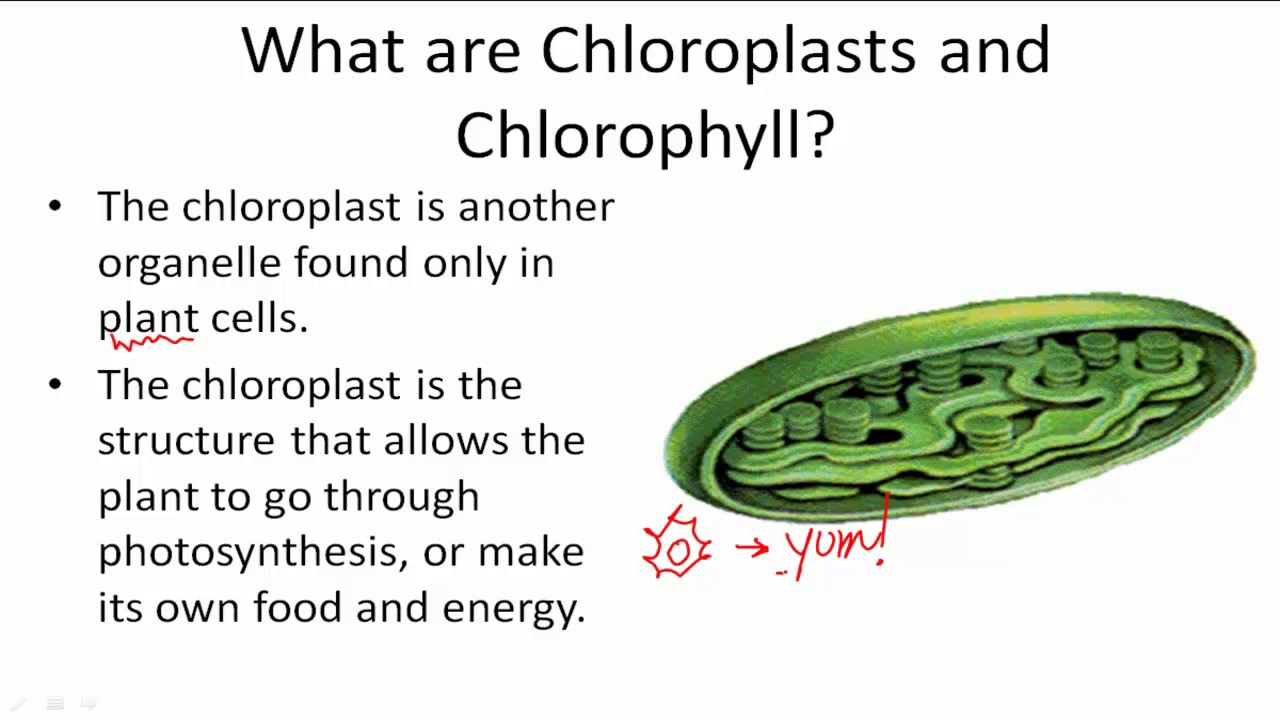
Functions of Chloroplasts and Chlorophyll
CK12
28K views•2017-05-24
Trending
One Must Imagine Sisyphus Happy
vlogbrothers
61K views•2026-07-21

Future of Taylor Farms
maighstirtarot5385
11K views•2026-07-21

The Downfall of OnePlus!
techwiser
65K views•2026-07-21

My Friend Locked Up The Engine On His K-Swapped Bug...
boostedboiz
128K views•2026-07-21