Ear training can be developed through a systematic four-step process: first, learning to visualize the fretboard using basic movement units (whole steps and half steps); second, connecting this to a tonal map that shows the specific location of every sound in a key; third, training your voice to sing the sounds you hear; and fourth, applying this framework to all music you encounter in daily life. This methodical approach transforms music from a guessing game into a learnable language that anyone can master.
Install our extension to search inside any video instantly.
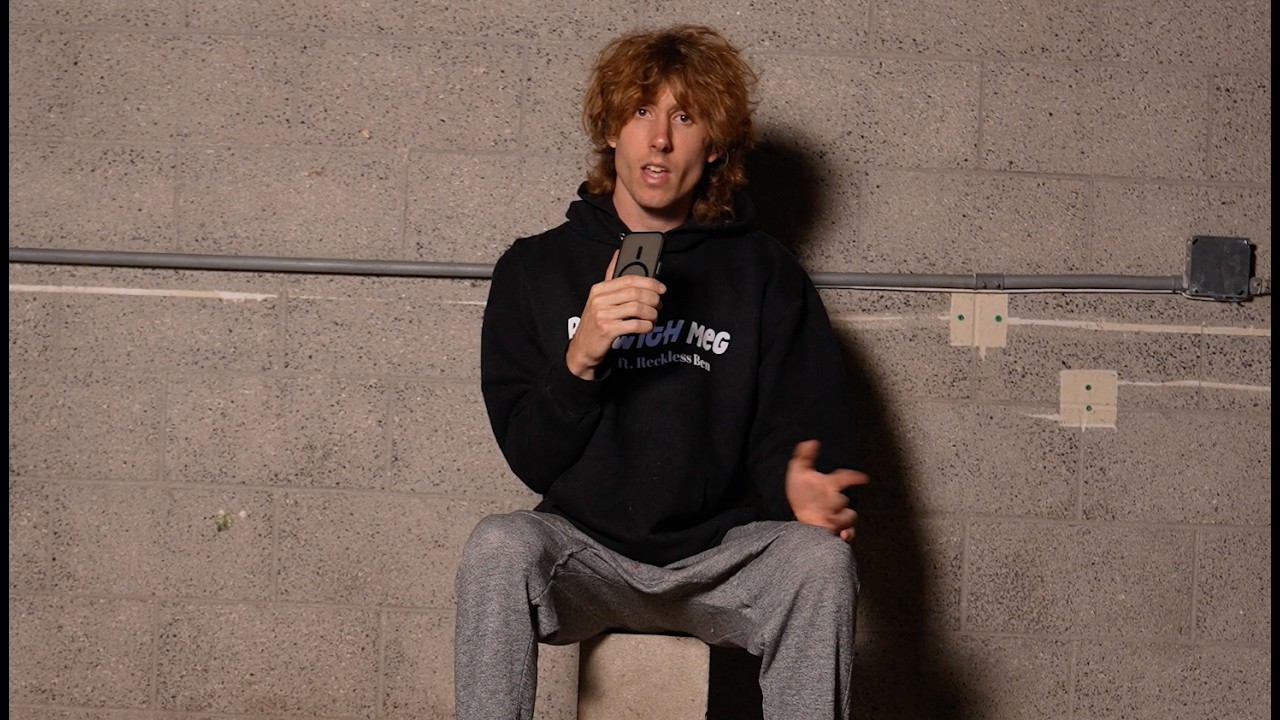
Watch Me Teach 3 Guitarists to Play By Ear in 10 Minutes
Added:D.
[music] [music] Have you ever listened to a song and thought to yourself, "Man, I wish I could figure out how to play that." to be able to just hear a melody, understand it in your mind, and be able to translate it onto your fretboard or any instrument that you know how to play, all without needing to look up a tutorial or just like guessing a hundred times to figure out the right notes.
Most people think that you need perfect pitch for something like that or like an absurd amount of natural talent. What if I told you that none of that was actually true? What if the reason that you're stuck isn't even your ear, it's how you learned? In this video, I put together some of my favorite transformations from the students that I've worked with that really believed that they were tonedeaf or had bad ears.
Students that relied on tabs, used trial and error to find the sounds in their head, and honestly thought that they might not ever be able to get the sounds in their head onto their instrument without guessing. And then something changed. They started to be able to put the sounds in their head onto their fretboard fluently without guessing. And through developing their personal relationship with the language of music, they started to speak it more like a native. For most of these students, this would have seemed impossible just a few months earlier. Take a look. [music] >> Uh, see, I just have no confidence in it.
>> No, but that's not five s3. So, that's as good as I get. [music] Dude, I can't Oh my god.
>> One, two, three, two. Like, I can't even I'm just lost. That's the thing.
[clears throat] >> Dude, I can't find it. [laughter] I got so lost, dude. I I I really don't know. Like, I would just be if I give you numbers right now, it's going to be random. One, two, three, four.
One, four, five, 4, 3, 1, 2, 4, 4, 6, [singing] 1, 7, 5, 4, 3, 2.
>> Yes, sir. Very good.
>> 1 3 5 4 3 2 1. Right.
Let's go.
>> Yeah, we'll just start with that.
>> Uh, see, I just have no confidence in it.
[music] >> Yeah.
>> Let me give you Let me give you my first note one more time. [music] Two, three, two, one, seven, six.
>> Wait, you just wait. You You just went three, two, one.
[laughter] >> I don't even That That's the thing. It's It's uh three, two, like I can't even I'm just lost. That's the thing. [music] >> [music] >> 1 3 5 4 3 2 1 Yeah. 1 3 5 4 3 2 1.
>> Amazing.
>> Yeah.
>> Awesome, dude. First of all, how how does it feel to just watch yourself do that?
Yeah, that's crazy. Like I I definitely wasn't able to do that at all. I wasn't sure if I would be able to do that.
Yeah. One, two, three, four.
One, four, five, four, three.
One, one, two, three, four, five.
I feel like I was kind of like frustrated on your training and kind of like accepted my fate and now I'm the person who like uh is starting to see progress and and is like excited for more.
>> Yeah.
>> Yeah. Just my whole approach has changed, right? There's actually like a a road map like that I've internalized.
It's like before there was just like no no road map. It was just like It's like I know it's one out of 12, so just let's find the one. Yeah.
Yeah.
Uh, one.
Yeah, I got 16571.
No, but that's not five. That's three.
163. So, that's as good as I get. [music] >> Eight.
Da p five one seven uh 6 5 3 1 Okay, [music] no kind of goes back.
>> Uh 13251.
>> Yes, exactly. Very good. That was one of the ones that I showed you at the beginning that you totally did not know.
>> Oh, where? Okay.
>> Yeah. So, there [snorts] we go. That's fire.
[music] 2 4 6 [singing] 5 4 3 2 >> Yes, sir. Very good.
Finding melodies by air has definitely gotten a lot easier. Uh um improvising over chords, you know, finding nice little fills that I don't really have to think about. Oh, I also just know where I am, you know? I don't have to I used to actually have to Okay, wait, hold up. This is that. So, that's that.
So, I'm here. But now, I'm kind of just I can kind of just trust that yeah, I know what I'm playing. I think before it would have been very trial and error, you know, I'd get the key and then go through step by step. Um, now I have a better sense of where things fit, even if just relative to each other, you know.
Dude, I can't Oh my god.
Dude, I'm so lost. [music] No, I don't know.
[music] [music] >> Is that it?
>> There you go. Yeah. Yeah. [ __ ] >> Let's do chords now. [laughter] >> Oh, [ __ ] Yeah, this is the hard part for me. [music] [music] Is it one? I'm just guessing. The first two I really don't know, >> but I'm guessing 1465. I don't know.
Like I would just be every I give you numbers right now. It's gonna be random.
Yo, this is like a humiliation ritual, man. Okay.
[music] 1 3 5 7 1 7 Right.
65.
[music] [music] >> I'm going to play one more time.
>> 2514. [music] >> Yeah. 2514. Exactly.
[music] >> Oh, this is just a two of us.
>> Uh 43 D6 five minor 1 D, right?
>> Yeah, exactly. I noticed that it's much better. And like for example, whenever I hear a song now, it doesn't matter whatever song. If I play one random note, I know exactly what it is, right?
So like I know exactly where I'm at this in the scale. So that's that's good at least. And I've been using it also on piano and stuff like that. So >> let's go out. So that's a big win.
>> That's fire. That's a huge win, dude.
>> But I think my ear has gotten significantly like better. Like the really lock into the to the world one.
Like I mean per like you know I'm just like yeah it sounds like it's supposed to be there.
>> Holy crap. Yeah. I'm surprised at how much progress.
>> I mean wasn't it crazy to watch those videos dude?
>> Wasn't that freaking hilarious?
>> A hard watch. Holy [ __ ] >> Yo. All right. Here's how this actually works step by step. Step one. We're going to fix your map of the neck. In the first lessons, we're not going to start with things like ear training games. We're going to begin by getting the basics of mobility around the fretboard. Super solid. how you visualize the fretboard using like the most basic units of movement, literally whole steps and half steps. Because if you're not able to visualize your neck as one continuous string, it's going to be really hard to layer things on top of that. Number two, we are going to plug that into what's called the tonal map.
And this is where the magic really happens. Once you're able to move around your fretboard, we're going to connect this to one really simple picture of the key that is going to help you cut through every single scale diagram you've ever seen in your entire life.
You're going to stop thinking of like, oh, I'm just playing random notes or maybe like letter names to I'm on note one. I'm on note 6. I'm on note 4.
because you're going to understand that literally every single sound has a specific location in the tonal map.
Chords, melodies, background music, and it's that same map that all three of the guys you saw use to pass those tests.
Step three, we are going to use the guitar to train your voice because if you can't sing it, there's no way you're going to be able to put it on your fretboard consistently and accurately, right? And so, you'll be playing along with your voice. 1 2 3 5 3 2 1 4 and then eventually you'll get to this point where you can basically just sing the sounds without the numbers. You'll be able to just pick them out of thin air and drop them straight onto your fretboard because once you have it in your head, it is dead easy to drop it on the fretboard after you have the your foundations of mobility correct. And step four, everything that you hear is going to become your practice, your ear training practice. And once that's in place, we're going to connect this framework to everything that you already know, right? The songs that you know that you've written, baselines, your favorite songs on the radio, right? It's all going to be like, what are those numbers? Where do those things lie on the map? And literally, your entire day is going to be filled with ear training because every single sound that you hear becomes an opportunity for you to practice. It's like a game that you can play all day long. Um, and so basically what you just watched is not talent or luck. It's literally just one process repeated a lot of times until their ears literally couldn't not hear it. If you want to walk through this process in more detail and try a couple of the drills, there's a free training link below. Watch that first and if it clicks and you're serious about actually fixing your ear and developing your ability to speak this language of music in the next few months, there's a link under it to book an effortless improvisation game plan call and we can have a conversation and see if I might be able to help you.
Peace.
Related Videos
The Music Theory of Jumper Explained in 6 Minutes
Roro_Studios
197 views•2026-06-12

endless
Pasam_1
299 views•2026-06-07
Building an IDM Track From Scratch (Digitakt + Digitone)
GyZaIDM
221 views•2026-06-12

Beethovens 5th for Bass Video
BarrySahagian
111 views•2026-06-09

JAMAICAN DUB — Yard FoundationNonlinear Kingston Experiments Vol.45 (1976 Tenement Yard Tape)
YardDubStation
431 views•2026-06-06

NIKKE - At last: Egovista // Reaction & Analysis
CatharsisYT
1K views•2026-06-08

Medieval Birthday - 6 Year Anniversary Special
MiddleAgesMusic
570 views•2026-06-12

Punishing: Gray Raven - Wish You // Reaction & Analysis
CatharsisYT
532 views•2026-06-09