The secretary bird has evolved specialized physical adaptations for ground-based hunting, including shorter, sturdier toes and powerful legs capable of delivering strikes with impacts up to five times its body weight in just 10-15 milliseconds. When confronting venomous cobras, the bird employs a precise two-strike technique: first delivering a calculated kick to disable the snake's attack capability, then waiting for the snake to rise before delivering a second precise strike to neutralize the threat, demonstrating how evolutionary adaptations enable survival in dangerous predator-prey encounters.
Install our extension to search inside any video instantly.
Survival of the Fittest | Secretary Bird vs Cobra | Nature's Deadliest Duel!
Added:On this grassland, a cobra has met a bird that hunts with its feet.
One mistake could deliver venom.
One perfect kick could end the fight.
>> [snorts] >> Its weapon moves so fast that contact lasts only milliseconds.
But this dangerous duel did not begin with a snake.
It began hours earlier at sunrise.
At first light, Africa's strangest raptor leaves its night roost.
Unlike most birds of prey, it searches for food on foot.
Those extraordinary legs turn open country into a vast hunting ground.
It can spend the long morning walking, patiently reading every twitch in the restless grass.
A flicker beneath the stems brings the patrol to an instant stop.
Most of its meals are not snakes at all.
They are much smaller.
A sudden stamp forces hidden insects into the open.
The same feet built for walking can strike without warning.
The first catch is swallowed in seconds.
The hunt barely slows.
Every capture rewards movement, so the bird keeps covering ground.
Near a termite mound, a second target breaks cover.
The lizard is quick, but the hunter's stride closes the distance.
A measured stamp ends the chase before the prey can turn.
This bird is a raptor redesigned for combat on the ground.
Its toes are shorter and sturdier than those of many aerial hunters.
The long limb stores speed, while the foot delivers concentrated force.
Researchers measured impacts near five times the bird's body weight.
The measured contact lasted only about 10 to 15 milliseconds.
Its wings can also form a moving barrier between danger and flesh.
Feathers may take the faint while vulnerable legs remain farther away.
By midday, larger prey begins testing the hunter's timing.
The mouse races for cover, forcing the bird into a sudden sprint.
One step blocks the escape.
The next controls the prey.
The meal is small, but each carefully timed success sharpens the hunter's next decisive strike.
Then the grass conceals something that does not run.
The bird does not rush.
It studies distance, direction, and reach.
A venomous snake turns every approach into a calculation.
It retreats before the snake can answer.
Then it measures again.
A second impact disables the danger without prolonged contact.
Snakes are rare meals, but the technique is unmistakable.
Later, rising heat draws the hunter toward broken ground.
>> From an abandoned burrow, a far more dangerous opponent appears.
The bird sees it early.
That distance may be its greatest advantage.
Neither animal wants injury, but neither immediately gives way.
The cobra rises, widening its hood into a final warning.
The hunter lowers its head and fixes every movement.
It approaches behind feathers, never offering an easy target.
The first lunge is a test.
The bird yields no more than necessary.
Now predator and prey rotate together, each searching for an angle.
>> [snorts] >> A deliberate stamp shakes the ground and provokes another response.
The cobra attacks the moving wing and finds only feathers.
In that fraction of distraction, the long leg fires.
The kick lands behind the head, where control can break the attack.
The bird withdraws instantly.
Venom remains dangerous until the struggle ends.
The cobra rises once more, but its movements have slowed.
Patience creates a second opening.
The bird refuses to gamble.
Another precise kick removes the snake's final advantage.
Then the grassland falls quiet.
The duel has lasted moments.
Only when the danger has passed does the beak take over.
The famous snake hunter has earned an uncommon, difficult meal through patience, precision, and astonishing speed.
Yet snakes form only a small fraction of this bird's normal diet.
Its real success comes from extraordinary versatility, not endless dramatic battles with dangerous cobras.
As daylight slowly fades, the ground hunter finally returns to the air.
Tomorrow, those lethal feet will walk the savanna again.
Related Videos
19:51
Biology
Salivary glands (anatomy)
SamWebster
139K views•2019-01-08
12:52
Biology
DNA Replication l Replication initiation in Prokaryotes
microbioscope18
4K views•2019-03-05
5:47
Biology
Identification of bacteria using biochemical tests (1 of 2)
microbiologyteachingvideos6490
24K views•2019-05-28
1:11
Biology
How PTSD Impacts Our Genes, with Dan Siegel
nicabm
31K views•2019-07-18

51:49
Biology
Influence of Footwear Longitudinal Bending Stiffness on Metatarsal Strains during Running
uofckinesiologyseminarseri2218
107 views•2025-12-02

6:57
Biology
Obscure Bird Grasshopper: It's One of the Big Ones!
RandysNaturalWorld
2K views•2025-08-26

5:36
Biology
B-Cell Receptors vs T-Cell Receptors - Overview
Sqadiacom
1K views•2025-01-31
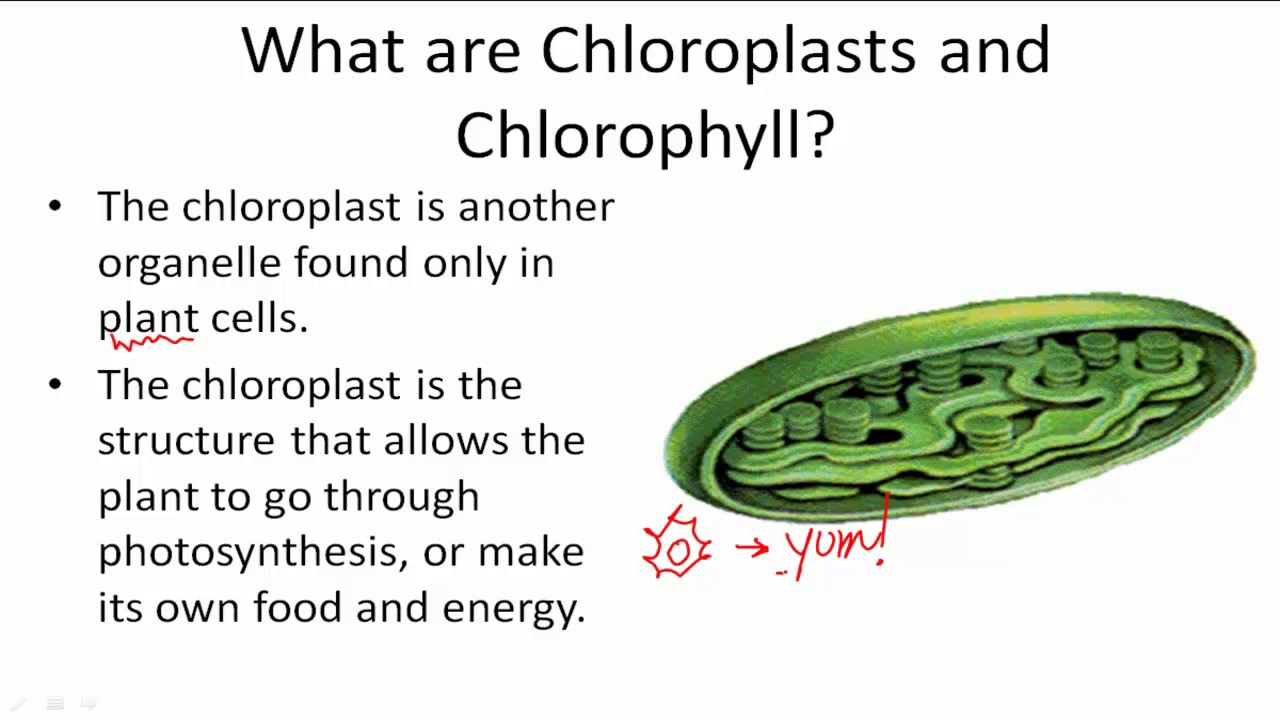
1:27
Biology
Functions of Chloroplasts and Chlorophyll
CK12
28K views•2017-05-24
Trending

9:05
Artificial Intelligence
2.4 BILLION Records Got Leaked...
DeepHumor
15K views•2026-07-22

13:25
Business
Playstation NO DISC/NO BUY Fight Is Over...
DavidJaffeGames
4K views•2026-07-23

19:32
Business
Should I buy a Sawmill?
essentialcraftsman
29K views•2026-07-22

16:52
Anthropology
Americans Confused in Australia for 17 Minutes Straight
IWrocker
17K views•2026-07-23