Marine apex predators have evolved specialized adaptations that enable them to thrive in ocean ecosystems, including sensory capabilities like electroreception and vibration detection, diverse hunting strategies ranging from ambush to coordinated group hunting, and unique physiological adaptations such as salt regulation and specialized venom systems; these predators play crucial roles in maintaining ecological balance by controlling prey populations and shaping marine food webs.
Install our extension to search inside any video instantly.
Every Deadly Ocean Predator Explained ️
Added:Great white shark.
The great white shark is one of the most recognizable ocean predators on Earth.
It lives in temperate coastal waters in many parts of the world, especially near seal colonies, rocky shorelines, and offshore islands.
Its body is built for speed and power with a strong tail, a streamlined shape, and rows of serrated teeth that are replaced throughout its life. It also has highly developed senses. It can detect vibrations in the water, smell tiny traces of blood from far away, and sense the weak electrical fields produced by other animals through special organs called ampullae of Lorenzini. Most encounters with humans are rare and usually happen when the shark is investigating something unfamiliar. As a top predator, it helps keep marine food webs balanced.
>> Tiger shark. The tiger shark gets its name from the dark vertical stripes seen on younger sharks, which fade as they grow older. It lives in warm, tropical, and subtropical oceans and often moves between reefs, open water, and coastal areas. What makes it unusual is its broad diet. It is an opportunistic hunter and scavenger, feeding on fish, turtles, seabirds, squid, marine mammals, and almost anything else it can overpower or swallow. In some cases, scientists have found non-food objects in its stomach, which shows how little it discriminates when feeding. That flexibility has helped it survive across a wide range of habitats and makes it an important predator in many ocean ecosystems.
>> Bull shark. The bull shark stands out because it can live in both salt water and fresh water. Unlike most large sharks, it can regulate the salt balance in its body well enough to move into rivers, estuaries, and even lakes.
It has been recorded far inland in places such as the Amazon and the Mississippi River system.
Its thick body, broad snout, and powerful bite make it a strong hunter in shallow water.
Bull sharks matter because they often live close to busy coastlines where people also swim, fish, and boat. That overlap explains why they are studied so closely and why they are often mentioned in discussions about shark safety.
Orca.
The orca, also called the killer whale, is the largest member of the dolphin family and one of the most intelligent predators in the sea.
It lives in every ocean and has adapted to very different environments, from Arctic waters to tropical seas.
Orcas hunt in family groups called pods, and each pod can have its own hunting style, vocal sounds, and preferred prey.
Some specialize in fish, while others hunt seals, rays, or even large whales.
Their teamwork is remarkable. They can coordinate attacks, communicate over long distances, and pass learned behavior from one generation to the next.
That cultural learning makes orcas especially successful and deeply important in marine food webs.
Saltwater crocodile.
The saltwater crocodile is the largest living reptile and one of the most powerful ambush predators on the planet.
It lives in rivers, mangrove swamps, estuaries, and coastal waters across Southeast Asia, Northern Australia, and nearby islands.
It has salt glands that help it survive in brackish and marine environments, which is why it can travel long distances through the sea.
Its hunting style is patient and explosive. It can remain almost invisible at the surface, then strike with enormous force and drag prey underwater.
Saltwater crocodiles matter because they are apex predators in many coastal systems, shaping the behavior of animals that share their habitat.
>> Box jellyfish.
The box jellyfish looks fragile, but it is one of the most dangerous marine animals known.
It belongs to a group called cubozoans and is found mainly in the warm waters of the Indo-Pacific region.
Unlike many jellyfish, it has a more complex body and a surprisingly advanced set of eyes that help it navigate and hunt.
Its long tentacles are lined with stinging cells that fire venom almost instantly when touched. Small fish can be paralyzed or killed very quickly, and some species can cause severe injury to humans.
Box jellyfish matter because they show how effective a simple-looking animal can be when venom and speed are combined.
>> Blue-ringed octopus.
The blue-ringed octopus is tiny, but it carries a venom powerful enough to make it one of the most dangerous animals in the ocean.
It lives in shallow tide pools, seagrass beds, and coral reefs around Australia and parts of the Pacific and Indian oceans.
When calm, it can look plain and easy to miss.
When threatened, bright blue rings flash across its body as a warning.
Its venom contains tetrodotoxin, which can quickly block nerve signals and cause paralysis.
There is no specific antivenom, so rapid medical care is critical.
This octopus matters because it is a reminder that size does not always match danger in the marine world.
>> Cone snail.
The cone snail is a slow-moving predator that hides one of the most sophisticated hunting tools in the sea.
It lives mainly in tropical marine habitats and uses a modified tooth like a tiny harpoon to inject venom into fish, worms, or other prey.
Some species hunt fish with remarkable precision, firing the tooth so quickly that the prey has little chance to escape.
The venom is made of many different compounds called conotoxins, and some are strong enough to seriously harm humans.
Scientists study these toxins because they may help lead to new pain medicines and other treatments.
The cone snail matters because it shows how even a small animal can have a major scientific impact. Moray eel.
The moray eel hides in rocky crevices, coral reefs, and underwater caves waiting for prey to come close. It has a long, muscular body, poor eyesight, and a mouth full of sharp teeth that point backward to keep slippery fish from escaping.
One of its most unusual features is a second set of jaws in the throat called pharyngeal jaws, which help pull prey deeper into the mouth after the first bite.
Moray eels live in tropical and temperate seas around the world. They are not usually aggressive, but they can bite hard if cornered or disturbed.
Their role in reef ecosystems is important because they help control smaller fish and crustacean populations.
Portuguese man-of-war.
The Portuguese man-of-war is often mistaken for a jellyfish, but it is actually a siphonophore, a colony of specialized organisms working together as one.
It floats on the ocean surface with a gas-filled bladder that acts like a sail, letting wind and currents carry it across open water.
Hanging below are long tentacles that can deliver painful stings to fish, turtles, and sometimes people.
Even after it washes ashore, the tentacles can still sting, which makes it dangerous on beaches.
It matters because it is a striking example of how life in the ocean can be organized in unusual ways and how a drifting predator can survive far from land.
>> If you're still watching, you're awesome. Consider subscribing.
Related Videos

19:51
Biology
Salivary glands (anatomy)
SamWebster
139K views•2019-01-08

12:52
Biology
DNA Replication l Replication initiation in Prokaryotes
microbioscope18
4K views•2019-03-05

5:47
Biology
Identification of bacteria using biochemical tests (1 of 2)
microbiologyteachingvideos6490
24K views•2019-05-28

1:11
Biology
How PTSD Impacts Our Genes, with Dan Siegel
nicabm
31K views•2019-07-18

51:49
Biology
Influence of Footwear Longitudinal Bending Stiffness on Metatarsal Strains during Running
uofckinesiologyseminarseri2218
107 views•2025-12-02

6:57
Biology
Obscure Bird Grasshopper: It's One of the Big Ones!
RandysNaturalWorld
2K views•2025-08-26

5:36
Biology
B-Cell Receptors vs T-Cell Receptors - Overview
Sqadiacom
1K views•2025-01-31
1:27
Biology
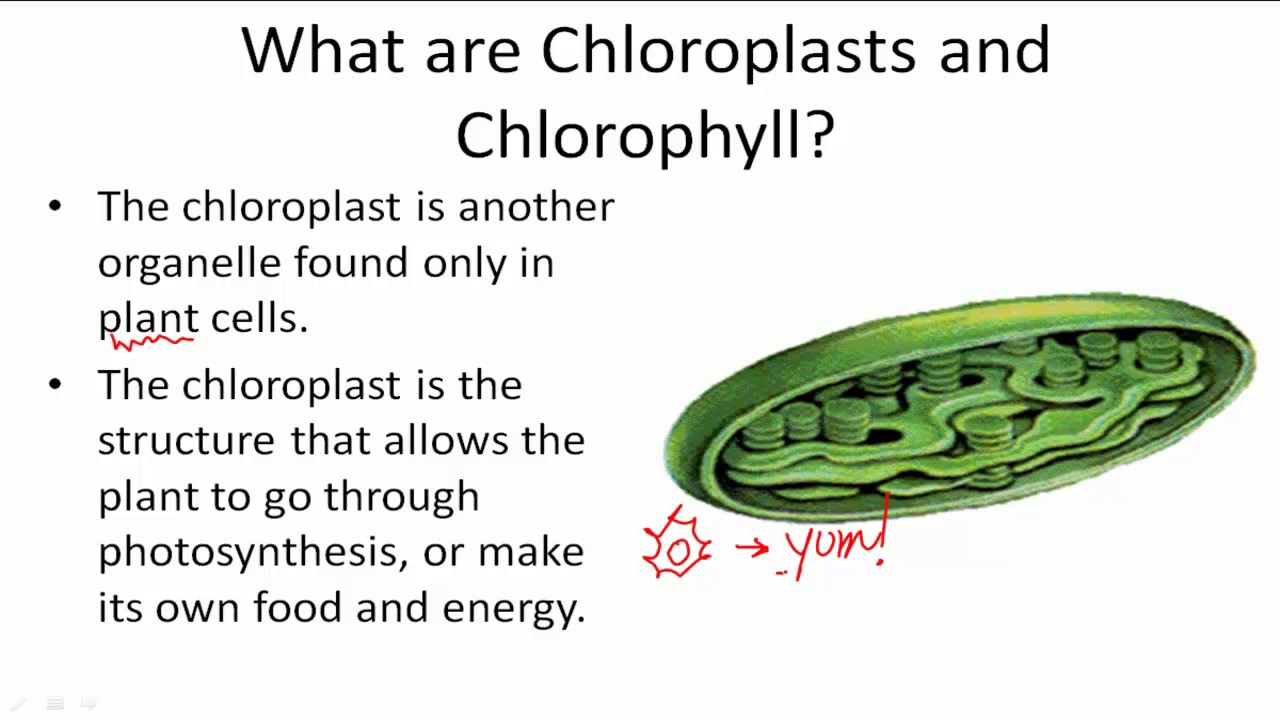
Functions of Chloroplasts and Chlorophyll
CK12
28K views•2017-05-24
Trending

13:25
Business
Playstation NO DISC/NO BUY Fight Is Over...
DavidJaffeGames
4K views•2026-07-23

22:40
Business
Steam and Xbox Just Dropped The Hammer On PlayStation
OhNoItsAlexx
9K views•2026-07-23

16:52
Anthropology
Americans Confused in Australia for 17 Minutes Straight
IWrocker
17K views•2026-07-23

20:36
Business
SuperBike Factory Has Gone... What's Next for the Motorcycle Industry?
thatbikersimon
11K views•2026-07-22