A profound exploration of botanical legacy that frames the agave’s terminal bloom as nature’s most selfless performance. It successfully bridges decades of horticultural history with the stark, beautiful reality of the monocarpic life cycle.
Install our extension to search inside any video instantly.
This Nursery Has Sold Cacti Since the 1970s
Added:Today I'm coming to you from somewhere very, very special. I've made the journey out to Hamilton's World of Cacti, which is an establishment in the cactus scene of Australia. This amazing cactus nursery has been here since 1979, and you can really feel it in the bones of the place. There's a rich sense of tradition. There's amazing ancient specimen plants just planted straight into the ground. and there's a certain sort of patina that hangs over everything. If you're looking for somewhere slick and modern to buy plants, this isn't going to be the place for you. But if you're looking for a place built on a bedrock of brilliant cactus and succulent tradition to go and pick yourself up a plant, Hamilton's is just outstanding. So today, I'm going to take you on a complete deep dive tour. I didn't come here intending to buy plants. I came here intending to really sort of unpack the history of the place, but I've already done a little bit of a browse. And you know me, I can never help myself. So, we're going to have a look at some of the incredible plants that they've got here. Many of which are for sale and some certainly are not. And I think inevitably I'm probably going to go home with a few plants that I'm going to need to figure out how to squeeze into my already bursting greenhouse. So, come on. Let's go check this place out.
>> [music] >> Now, you can really get a sense of the fantastic history that underpins this place when you come for a walk in this greenhouse. We're going to have a look at some of the plants that are for sale very, very soon. But this is almost, I would describe, like an open museum to the wonderful world of cacti, succulents, and cordissorn plants. We're in a greenhouse here. Nothing in here is for sale, but visitors are certainly welcome to come for a walk through. And what better is there to do than go and look at really old specimen plants, just soak up their history. So, let's go for a bit of a guided tour. I'll show you some of the amazing stuff that's in here. Like, look at this pachy podium.
Incredible. And so, as you can see, uh we are welcome to wander, but nothing here is for sale. And I want to start over here.
Have a look at this. What an absolute beast. Pharaoh cactus. And you can just see the age in that thing. How cool is that? Look at the spines.
Wouldn't want to wander into that in the dark. But behind it is something that really catches my attention. Have a look at this. This is a sipho stemer. It's starting to go dormant, which is why the leaves look a little bit miserable relative of your grapes. But I've never seen one with just such girth about it.
Favorite of Cordissy form growers. I picked one of these up just the other day actually from Cactus Vision. You might have seen that in the video and I reckon the uh trunk on it was I don't know 15 cm. This is more like I don't know 45 at the base. Fantastic.
Absolutely amazing little taste of what's to come.
Now in here we've got these garden beds.
You can see a real interesting mix of things and a little cacti. Recurring theme going to be agave that have already flowered and are entering into their death throws. And if we know anything about an agave, these things are monocarpic. And what that means is that they flower once in their life and they die. And you can see here a flower spike which has been cut off. And gradually this Victoria Regina agave will wither from the base. And you can see that process already starting here.
Um grim nature of life I suppose reproduced once and then pack it in.
Now this is a famous plant and it's undergone uh well you can see some recent surgery not by necessity but thieves. thieves stole this massive copy of Poa and um very sadly relieved it of a few of its uh few of its branches before returning it which is why it's so unfortunately disfigured. You can see what a beautiful plant it is and um you get it on the angle just right and you can really revel in in a magnificent aged specimen. It is a specimen should say that it is but uh nice powdery coating like many of you copia poas but then you can just see the brutality of man on display. I mean honestly why on earth would you feel compelled to do that? I know why something like this would be worth an insane amount of money but um you know human greed it's uh it's it's no good.
Now, I'm a sucker for the cactus.
I love the uh aged and withered look on this fantastic specimen.
Look at these astropho.
Aren't they just amazing? I mean, one of the most fantastic things about old plants is their accumulation, weathering, the scars, the marks, the signs of a life well-lived.
They're like people really in a way.
Every plant has got its own story. And you can tell that these two astros here have had a story to tell. I mean, something's clearly happened here at the growth point. And now just uh putting out a whole bunch of new heads. Astrophy ornatan in the front and in the back. This would be Murri Stigma.
Just uh really really beautiful plants.
And of course the other thing that delineates age when it comes to plants is their ability to reproduce. and mercifully cacti unlike agave uh when they reproduce they they uh they don't just die they put out beautiful flowers and uh you can see here there's a couple of mammalaras first one is labeled it's a hybrid mammalaria carmin crossed with lai this one here I'm not exactly sure what it is but uh both of them in a bit of bloom at the moment which is quite beautiful fantastic stunning stunning specimen plants and again clearly uh have been growing for quite a long time and doing really really well.
Here we've got a table of agave. You can see one of my favorites, the agave white rhino. These guys uh beautiful variegated cultivar of agave Victoria originate.
You can see that white variegation and um up until recently these plants were very very expensive. But you can see here the uh that process of the slow and unmerciful passage of time especially here. Here is a plant that clearly at some point has flowered and uh moved on to another world.
The variety in your reges is just stunning. I mean, have a look at some of these seeds. Little kind of barbed hooks on each of those leaves really remarkable. And then it manifests almost like hair in some of them. And some of these obviously are variegated.
Variegated agave a whole other little world. Some really beautiful forms and they stand in such contrast against just how vicious the spines on them are. Like these things. Oh, like these things are just massively hooked and barbed. You stumble into one. Oh, it's going to be an absolute world of misery. But um then the colors just elevate. They just pop.
They're amazing. Really beautiful.
Now over here we've got a tangled sea of some sort of euphobia.
It's not the easiest thing to see here.
You sort of your eye jumps to this beautiful aloe. And you got a parodia in the ground here. But behind them, I'll draw your attention to these fantastic specimens of dioscoria elephanties.
This one is about basketball size. And have a look at that cordex. Amazing with the vines growing up. And then over here, don't know if this one is uh actively growing. It looks like it's got a bit of a hole in the side. Either way, the cordex is remarkable and you can just see then the vines growing up this trellis. Perfect time of year to see diocoras in action. They're winter growers and here in Sydney it is winter.
So we might see some dormant plants like that cipher stema. But the good news is there are also going to be some beautiful winter growing specimens that are in active growth. And uh it's nice to have that variety I suppose. Yeah, we're really out in the outskirts of Sydney here. Um, and I guess the space is one of the things that enables this place to really enjoy some amazingly enormous specimens.
I mean, your variated agave Americana over here, there's uh a lot of years in a plant like this. And you can then see some more enormous agave. I mean, have a look at these. It's just an absolute tangle. You can tell probably maybe one or two plants in here and then they've just puffed and puffed and look at the ends of the leaves.
Dagger sharp. You wouldn't want to fall in there.
But it's just an absolutely fantastic tangle.
And then pelosius with these wonderful hairy little arols and the blue fina on them.
They're stunning plants. And then over here, boania, which big big big relative of your yuckas and your agave. But of course, these guys bequeafd with an enormous cordex. Like that's as big as a boulder. That's just absolutely bonkers. It's off the charts.
It's fantastic.
And it is winter here which means that the uh the alows or at least some of them are in flower. They're beautiful.
And of course these things native to Africa but a lot of Australian native birds just love them as well. Um often you get plants that are quite specific to their pollinators but the Australian natives they can just get right in there as well. So um it's fantastic. I want to show you guys something.
It's an absolutely amazing plant.
The aluatia absolute monster just goes up and up and up with a backdrop of the Australian gum trees. But of course, these alias are from Madagascar and they're thick spiny things.
And when it's their growth season in the warmer months, the trunk is kind of covered with these little leaves. The leaves just kind of come straight out from the trunks. Um you can see there's a few of them still leafed out up near the top.
Beautiful sculptural things. And you can just tell again like so many of the plants here, there's a lot of age, a lot of time behind this plant. So I talked earlier about monocarpic agave and you can see what it looks like. There's two fantastic examples. One in the foreground, one in the background. You got these towering flower spikes like agave will just shoot up these amazing amazing poles of uh flowers. The one in the background is probably a good I don't know 5 m tall. And then this is what happens as a result. Now often they will pup from the base and so it's not like a complete end to the plant itself but uh certainly you know the something like this or that one over there. It's just a an absolutely brutal brutal end. Like I mean that's just kind of lost to the world.
And here's one that was cooked up a little bit earlier, too.
Just insane.
Now, we're veering off into a bit of botany that's not really in my wheelhouse, but this fantastic tree, I believe, could be a chisia. Anyway, um if I get close to one of the branches, the thing I love about it, have a look at the thorns on it.
That is just so wild. Um, real oddity. And this again, this would have been here for decades and decades and decades to reach a grand old size like this. I'm out here shopping, but I'm being distracted by all the plants just planted all over the property. I mean, it's just a lot of fun. How often do you get to spend time looking at absolute beasts of specimens?
And then the last thing that I want to point out in here is the amazing growth of this alo ramisma.
It's uh from afar I actually thought I was looking at a euphoria. Looks a bit like Euphoria Balsamifer with the uh the thickened base and then the many sort of trunks emerging out of it, but it's just stunning. It's essentially cordissiiform version of an aloe, not something you see every day. And again, clearly very long and storied life. An absolutely beautiful plant. I absolutely love it. Um but enough about history and tradition. Let's go shopping.
We got three shopping areas to explore today. This is the main one, but let's start by investigating some of the little shade houses off to the side in here. As you can see, I mentioned the patina of many years, but the plants are absolutely stunning.
There's some interesting echavaras herworths. Lately I've taken a bit of a turn towards herworth and so I am in the market. What I've realized is that I've actually got all this wonderful shaded space and a walty love shade. And so if I see the right one and I suspect that I will then I'm certainly open to it. And of course, if I see something else that's interesting, I'll grab that, too. What I don't need more of is echavaras because what I do know is that I'll kill them.
I've got two of them at the moment, and two is enough for me to get my head around. Even though they're beautiful.
Have a look at the pinks.
I'm led to believe that it's the winter cold that uh helps bring out the strongest colors. So, this is probably the best time to actually check them out. Have a look at these. Eabberia trumpet pinkies. They've got leaves that are essentially trumpet like. That's really cool. That's really cool. But no, I am not buying an echavaria no matter how interesting it looks.
And here we are in the other shade house. Again, it's a mix of little soft leaf succulents. Lots of uh pachy phms with these really big fat almost egg like leaves.
There's some cedaras which are a hybrid between sedums and echavaras. Graptovaras hybrid between grapto petilums and echavaras. I mean it's an endless world of hybrids, right?
chasing things that are beautiful.
And um you know, when you're dealing with plants that already start off so beautiful, it's hard not to end up with something that's particularly attractive.
Some little stinky smelling asleeps.
They're right in the middle of my wheelhouse, but already got hornia zabrina varagata in the greenhouse, so don't need any more of those.
little agave and little gastra aloe.
Like I'm assuming a gastaster aloe must be a hybrid between a gastereia and an aloe. Last thing I need to do is go dip my toes into things that I've never even really heard of before. Right, there the two shade houses. Let's go look at the main selling area.
So, this is the uh the full retail experience that you're going to get in here. It looks more shoplike and um you can see cacti. We've got a range of interesting gymnocalissiums. What's this thing? That looks like something that would interest me. Gymnocalissium species. So, who knows? Something spiny.
Spines are cool.
Here we go. Have a look at this. Horia Malgani. I don't have one of those.
They're similar to your um horthia truncatas. Some say that they're actually just a subspecies, but just the uh little flat top leaves enables them in habitat to grow flush to the ground.
they still get photosynthetic um you know the juice from the sun that can go into the tops of those leaves even as they sit flush against the soil to protect them from getting chewed up by herbivores cuz they don't have any other form of protection and no toxins in them no spines so uh they need some way to survive we got some cordissififor form plants.
Your bombax ellipticums beautiful. They'll grow into a massive tree if you give them enough space. You just need to keep pruning them hard.
Geredanthis macaris. So these are the succulent cucurbits not looking in the best of shape because it is winter and they are going dormant.
>> More agave.
Some of these are really cool. I mean, have a look at this. Agave Titan Ooda solar eclipse. So, this is a varated agave.
Um, 30 bucks for that. That's pretty cool. That That's tempting. But yeah, you know, you know, am I am I here for agave? I don't know if I can really afford to commit to something like that.
And inevitably we come to the section where we're going to start seeing some hworthies.
A little bit shadier in this area. Um because hias do reward shade out in habitat. They live kind of protected by sort of plants, shrubs in in little gaps in the rocks and that sort of thing.
And you can just see their beautiful, beautiful form. Now, there's a mix here of really interesting specimen plants, species I should say, like these horthia obtuses. You can just see the amazing leaf windows on these.
Something like horthia spring bleus.
Another beautiful plant kind of delineated by the uh the lines across top of the leaves. But then there's also these amazing hybrids and cultivars. Um some of them are variegated. Have a look at these.
These are horthopsis, not horthia.
Horthopsis delineated by the hard leaves as opposed to kind of the the glassy uh soft leaf varieties. But your horthopsis and these are limifolologers and some hybrids with limifogolia and a tenuada.
This is a plant that's really caught my eye. A little bit of light stress has brought out the pinks in it and that's just stunning. That's um hard to resist too.
This is also quite beautiful. Don't know what it is. It's not labeled, but it's got a few heads. And you can see each one is a little bit more variegated than the last. Absolutely amazing.
And there's some others here as well.
The patterns and the coloring on them just defies belief. Of course, variegation is a sort of a mutation where um there's no chlorophyll in the leaves. And uh out in habitat, it makes it a little bit harder for the plants to survive. But in cultivation where we play God and we can care for them and provide I suppose more uh tailored care that means that they're more likely to live.
Look at this >> horthopsis coactica like a big stacked mountain of leaves or even this this is called hworthia copper log and it's uh you can see sort of the coppery tones coming out through it.
Just look at how beautiful they look when the sun shines on.
That's those leaf windows in effect.
Look at that. Have a look at that.
A picture of beauty.
I was just in here doing a bit of casual shopping looking at the plants and then I noticed his absolute beast. This tree cordissify form pachy called tree is called opiculicaria dicari.
And you can see what's happened down here. Have a look at this. It's rooted itself into the floor of the nursery.
Now huge fat pachy cool trunk. You can just see how thick this is.
Incredible water storage capabilities on a plant like this. They come from Madagascar as well. Like do many of the fantastic succulents that I love. Um and again really sculptural.
I reckon you could give this thing a hard prune and uh probably produce hundreds of cutings if not more. But, uh, as it is, you can just tell this is a plan that's been here again a long time and, uh, welded itself was part of the furniture.
Now, here's something interesting. I literally just said, I'm not in the market for agave. And yet, have a look at this agave albby palosa. They're only little, but what you'll find, they've got the little tips on their spines, and as they mature, those tips will actually turn into these little like toughs of fur almost. Really unique amongst the agave. Very, very rare in cultivation.
Um, you can see the price tag attached to them as reflective of that. But that's actually ah, that's a temptation.
These are lovely as well. Euphobia dicari eyes are big fat lizomatus uh euphobias from Madagascar.
They're um you give them a big pot.
They'll just continue to expand out these big sort of matte forming things.
Got these coppery leaves.
Absolutely stunning.
That's a little baby plants.
Now, these are these are fun conifms.
What I don't need is more conifs, that's for sure. But I can appreciate the ones that are here. Little coniferum boils.
And you can see the uh the stems on them. They feel a little bit like alien eggs to me. These little green leaf pears at the end of these black trunks. Just continue to split and grow with age. And then some more conifms here. These are big old specimen plants.
probably decades old at this size.
Really beautiful. That contrast between the green and the purple unders sides on the leaves.
Just something quite stunning. And these have got leaf windows too like lithops and like her warfers again because these are plants. Excuse the truck driving parts in the background. Um, they're plants that have got essentially no defense from predators out in the wild.
Speaking of hip hops, here are some beautiful clump specimens as well. Again, these would be decades and decades old. And the price tags on them, 150 bucks for a big one is reflective of that. But I've got a couple of Lithops plants. And uh given the amount of fairly specific care that they require, the last thing I need is to add to my workload by getting another one. So, we're going to skip out on buying more lithops clumpsy peyote.
Last thing I need is more peyote cacti, but um they're quite interesting. Oh, that's interesting. What's this?
Monenium Ellen Becky. Now, monodeniums have uh somewhat controversially been relabeled into the euphoria. I mean, if there's something that I love, it is a euphoria.
I don't know. I might have to do some research on that one and uh have a ponder on it. We've also got here, and I'll show you the full scope of it, a table of sand severas, or they've lately been reclassified. Speaking of reclassifying plants into the Denas.
Um the Denas of course are like your big dragon trees and your sand severe were kind of like regarded as the related low clumping sometimes risomatus relatives. But now suppose botonists have had a bit of a look and decided yeah you know what they're all close enough now every time I see sand severas or denas if you will I'm always just t like I just love these these are your draina angalencis also known as sans sebria cylindrica And the leaves are just these big fat round interesting things. I find that really really fascinating or the uh growth pattern or something like this sia rarita. I don't know anything about them. I'm imagining that their care is pretty similar to most succulents. They look like they're in a pretty gritty mix.
Um, and occasionally people comment on the channel and say, "Hey, why haven't you talked about sense seed veras yet?"
Well, here we are. I might even go home with one.
I love the way that they have these fascinating succulent rosettes and then the new growth kind of emerges from this long elongated stem in some instances.
Have a look at this. This is a a variegated form of sensoria fen cisi and I think that's just the most beautiful thing you can imagine. It's really really stunning. So what I need to do now is have a bit of a ponder on what I actually want to get. The uh 25% off all plants sign certainly adds a degree of temptation to this whole process.
What?
What am I going to do? What am I going to do? All right.
All right. Time to make some choices.
And uh I think this is the first one. 40 bucks.
Hard to overlook.
Take this.
Let's place it over here.
And then dangerous. And terrible as this choice might be, I think I'm going to get in on the ground floor with S civeras, I think I'm going to go with one of these. 30 bucks seems like a good choice. I don't know. I don't know.
Anyway, I'll need to learn a little bit more about how best to care for them, but we'll chuck that down here. Then the other plant that I want to get, and it is a bit of a uh extravagance, but why not?
Let's go with this guy.
So defying my ban on agave with an agave albby palosa expanding the collection of hworthas with what may well be the most beautiful little horthopsis hybrid I've ever seen and then making some terrible choices and uh getting in on the ground floor with sand severe. I'm going to go buy these and we can uh talk about what we've got here.
So, I came here today intending to look at some impressive old plants, talk a little bit about history and heritage, and of course, I'm walking away with more plants that are going to need to be stuffed into the very few bare empty patches in my greenhouse. Fantastically, there's a bit of symmetry between them.
There are all these rosette forming things. And yet, also wonderfully, they're not really related. We've got that Agavo albby palosa, a hworthiopsis of the varated kind with that wonderful yellow and pink. And then a whole new world for me. A little sense severia or draina as they've been reclassified. Done a little bit of reading on this guy. They grow in Kenya and looks like it's a good starting point because they're apparently super super tolerant of all sorts of mistakes and issues as long as I give them a nice gritty soil and uh you know they'll tolerate whatever sort of cold I throw at them in my area and um they don't need a lot of water. So, I reckon great starting point for me to dip my toes in and give me 12 months and I'll probably have 50 of them and have been lost down the rabbit hole. Anyway, I really hope you've enjoyed this exploration of Hamilton's world of cacti. Fantastic place. If you're in Sydney or anywhere in Australia, it's really well worth making the journey out here um to enjoy the plants and to enjoy the rustic heritage of one of the grand old dames of the Australian cactus scene. I'm Michael. This is Ardzine. I'll see you next week.
Related Videos

19:51
Biology
Salivary glands (anatomy)
SamWebster
139K views•2019-01-08

12:52
Biology
DNA Replication l Replication initiation in Prokaryotes
microbioscope18
4K views•2019-03-05

5:47
Biology
Identification of bacteria using biochemical tests (1 of 2)
microbiologyteachingvideos6490
24K views•2019-05-28

1:11
Biology
How PTSD Impacts Our Genes, with Dan Siegel
nicabm
31K views•2019-07-18

51:49
Biology
Influence of Footwear Longitudinal Bending Stiffness on Metatarsal Strains during Running
uofckinesiologyseminarseri2218
107 views•2025-12-02

6:57
Biology
Obscure Bird Grasshopper: It's One of the Big Ones!
RandysNaturalWorld
2K views•2025-08-26

5:36
Biology
B-Cell Receptors vs T-Cell Receptors - Overview
Sqadiacom
1K views•2025-01-31
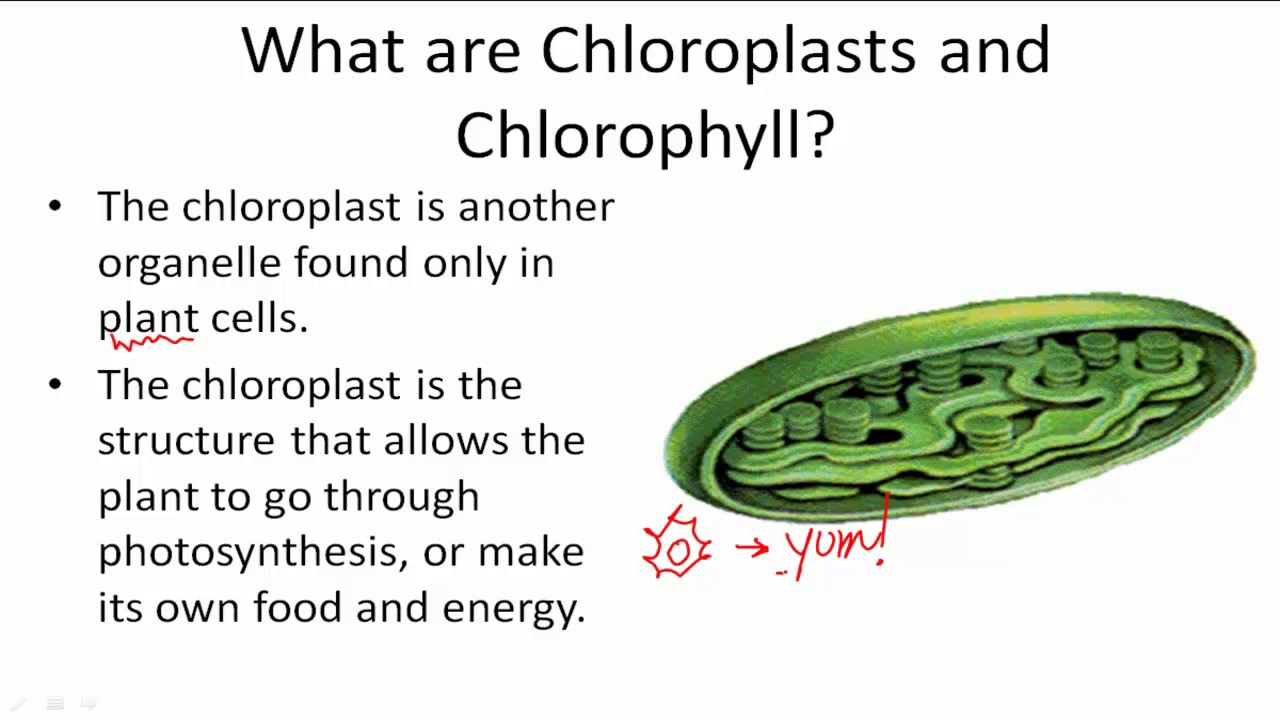
1:27
Biology
Functions of Chloroplasts and Chlorophyll
CK12
28K views•2017-05-24
Trending

13:38
Law
WOW! Judge TURNS THE TABLES on Trump in His OWN $10B LAWSUIT!!!
MeidasTouch
197K views•2026-07-23

13:25
Business
Playstation NO DISC/NO BUY Fight Is Over...
DavidJaffeGames
4K views•2026-07-23

22:40
Business
Steam and Xbox Just Dropped The Hammer On PlayStation
OhNoItsAlexx
9K views•2026-07-23

16:52
Anthropology
Americans Confused in Australia for 17 Minutes Straight
IWrocker
17K views•2026-07-23