Bierstadt’s method masterfully bridges the gap between empirical field study and the construction of a grand national myth. This analysis highlights how his transition from cigar-box sketches to monumental canvases effectively defined the visual identity of the American frontier.
Install our extension to search inside any video instantly.
Albert Bierstadt Undraped
Added:All right, take two. Take two. So, microphones weren't working. Micah, so great to have you on the show again.
>> It's great to be here. It's great to be here.
>> Yeah. It's like I haven't seen you in five minutes.
>> Okay. So, I I I've already shown this to you, but I want you to comment on this again. Okay. So, when I >> about 10 years ago, there's an artist. I can't remember his name. Local Utah artist.
>> He >> Oh, no. You're gonna show this again?
>> Yeah, I am. He He achieved a level of He's He's not doing well because he's, you know, he's gotten older and his mind's kind of going and his kids held an estate sale that I helped with. Yeah.
And in his bathroom, he had this Yep. Yep. There it is again.
>> When did you paint that? When did you paint that?
>> Probably in O2 or 03.
>> Yes. It's been a while. I don't >> It's been a while.
>> There is no date on it at all.
>> That's my guess. Somewhere around 03 is my guess.
>> Yeah.
>> Yeah. Just because of the subject matter and I I've painted her a bunch of times and I I >> Yeah, you have.
>> I painted that when I was above Benny Hana. Do you remember that? Or did we know each other then?
>> I think we didn't. I But I know I know of the period, right? I know.
>> Yeah. I was above Benny Hana, so it was probably 2003.
>> Yeah. Good times, man. I've painted her like five times or something like that.
>> Is she still alive?
>> You know, I hope so because I would be really sad if she wasn't and I had missed her funeral. But she's got to be close to 90 if not older at this point.
I think when I painted her 20, it's like 23 years ago. She was 64ish.
>> Really?
>> So, yeah. So, I guess she's 87ish.
>> Yeah.
>> Yeah. I don't know. I think she probably is alive. She's She just keeps moving, man. She keeps going. She's probably still alive.
>> Was it ever important to her to have an example of your paintings of her?
>> Oh my gosh. Do you have >> any?
That's funny you should ask that because she was a criminal when it came to that.
I mean I I don't mean literally. I don't mean literally, but she had this thing that she would do where she'd say, "Jeff, can you come demo on my painting?" And I'd do a little demo. I'd get the lesson done, the thing that she needed to see. And but she knew she knew with me that once I started demoing and having fun, that if she were to allow me to continue, I would continue because I'm enjoying myself. So yeah, she most students I would I I would always say to everybody, including her, I'd say, "Okay, there it is. That's what you need to know."
>> And I I' I'd be ready to move on even though I'm enjoying myself. But she would always say, "No, no, keep going.
Keep going." And then a few minutes later, I'd be like, "Okay, I think we got it. We got what we need." And she's like, "No, no, keep going. Keep going."
And then I'd eventually just completely repaint her painting. But she would just stick it in her locker and and it would be uh her paint and she'd take it home as a Jeff Hine painting. It would be unsigned. But she's got she has to have like a dozen Jeff Hine paintings that are just me completely painting over her painting and she just keeps egging me on. No, keep going, Jeff. Keep going.
Keep going.
>> She's got to have >> It's funny. There's a there's this um there's this group of artists who were American that studied in France um and they studied with this guy named Alber Rigalo who was kind of if you went to the academy Giulian which is where Bugaro and Jean and Bugaro taught and LefV and a lot of other great artists um they all did human figure and so they'd say to these students they'd say if you want to learn landscape go take private lessons with Alberalo and he he'll take he did these weekend courses where he go and paint with him and there was this really poor American artist who lived in Utah named JB Fairbanks and JB Fairbanks um always wanted and couldn't afford it. So what he did instead is he went back to France after he had a little bit more of a career to take painting lessons from Rigalo whose works were in the Paris salon and selling for tens of thousands of dollars even at the turn of the century. And he uh he took the class from Ralo which is a two-eek class and he was out there painting with him every day. and he would put up a canvas and pretend to paint on it. And then Wriglo would come by and would paint on it to like correct it. And then Fairbanks would take down Wrigalo's painting and then paint his own painting. And then when Riggelo came back again, he put back up the one that had painted on before until by the end of two weeks, Wriglo had painted an entire landscape.
>> You're kidding me. on the like and and without knowing it like Fairbanks had tricked him into painting a work that he could take home.
>> That is classic.
>> Oh my gosh.
>> It's now hanging it's now hanging in the uh in the uh um Springville Museum of Art and they and um Vern Swanson um calls it the uh the the the Fairbanks Wrigalo because it's not signed by either one of them. Regalo because like like you're like that model she you never signed it. He's just kind of tricked her. So there's there's got to be a long history of this kind of like mentoring probably >> I mean now in workshops I I actually intentionally say bring several canvases so that I can demo on a separate canvas so that you can have it and see it instead of painting on top of it again.
Because oftent times that's good to know.
>> Yeah. oftentimes I'll critique someone and I'll paint on their painting with their permission, >> but then they then they paint on top of it again and they lose what I did >> and sometimes they get lost again and they don't know they they they don't know where they're going again, but all the evidence of my previous demo is gone.
>> So, I end up coming back and doing the same demo again, saying, "Here's what you did. Here's what you didn't get in the last time I demoed." So, I just started saying, "Bring multiple canvases and I'll just demo on separate canvases." And >> that makes sense. That makes perfect sense.
>> Yeah. So, I don't fight that type very often. In fact, I'm sort of I'm sort of encouraging it. I guess >> you're gonna for it. That makes sense.
>> Yeah. Yeah.
>> So, I got to I got to bring up a somewhat controversial topic.
>> What's that?
>> I've been debating whether or not to talk about this.
>> Oh, I can't believe >> So, um you had on your podcast a few weeks ago saving Howard.
>> Oh, yeah. and and saving Howard and I have known each other for a while now and he's in Utah. He moved here and he's working on this major monument. And when I first got the the the I don't know what he's calling it. It's the arch, whatever this this enormous arch is, which is a very ambitious project, right?
>> Oh, yeah.
>> And and uh and and when I first met Sabin, um that was not at all the idea he came to Utah with. He was working on a monument that was more like the World War I monument in DC that was one flat panel that was still monumental, but it was going to go out of state >> and it was potentially going to go to one of like a few locations. And I'm sure that's the way that this happens with monuments, right? Is that >> I mean, who who wants the life of a sculptor where you're often especially if you're doing monumental work very dependent on committees?
>> Oh yeah.
>> Um all kinds of I mean nightmare, right?
The thing that's controversial is that now this monument, he's kind of the the governor and and the and and his his crew have kind of tricked this neighborhood and the system into placing it in a park um without the consent of the neighborhood and against the rules that the governor and his committee actually had written up to have something placed there. And so now there's kind of like this uh like the cap it's it's going in a park next to the state capital. The the park is not controlled by the capital commission that is that is giving it permission. So that's one break in rules, right? Another one is is that there were two other monuments that had gone through a year-long process of vetting that were completely dismissed with and and but had gone through all this review process and then Sabin shows up and a backdoor deal was made without any you know any um >> two other Utah artists were proposing >> two other major two other major projects that were that had gone through years and hundreds of thousands if not years of preparation.
And um and then the neighborhood doesn't want it. And there's also some controversial content potentially in it, which is all stuff that could that stuff can potentially be solved. Right.
>> Right.
>> Can potentially be solved.
>> Right.
>> And um you know, Sabin has been updating me all along. He'd probably be surprised that I have this opinion, but I' I've been pretty straightforward with him about things. the thing that that the reason why I want to bring it up is that, you know, I'm I'm opening a museum this week.
>> Yeah.
>> And um and uh it would be very easy and this is kind of what I noticed in the podcast with Sabin and and I I hope I have a chance to talk with him about it, but I think it's something worth doing since we have kind of a public forum here >> and and and you know, Sabin, if you hear this, I'm happy to talk about this publicly with you, right? But it's the idea that, you know, on one hand, he has such a strong vision >> and he's and he's, you know, he feels literally inspired by God to do what he's doing. And he said that multiple times >> and I think it takes that to do monumental work. I don't begrudge or, you know, dismiss that.
>> I think that people who do big projects, they've got to be visionary. They've got to be stubborn or else they don't get made, right?
But any of us who do things that that are for the public, that are on public land, that involve lots of people, it requires a very strange combination of making sure that you're visionary and also that you're including other people in the process.
And and I think that it'll be interesting to see the story's not done with this with this monument that Sabin's doing. I think we're at the very beginning of what's going to be a long fight. And he mentioned to the podcast that he loves these kind of fights. He like the mentality was I just I'm built for like for fighting these things out.
And that was what kind of surprised me about the podcast that I wanted to, you know, just mention my own opinion on is that I think that one mentality and, you know, who knows, maybe I'm wrong. He's had to fight this fight before when he got the World War I monument done, >> right? Maybe it does take an adversarial approach to things. But as I've been doing this museum, the approach has been almost the opposite. It's almost been like, hey, let's bring as many people on board and make this everybody's vision, >> right? And and I don't feel like my vision has been diminished. In fact, I feel like my vision has expanded as a result of it.
>> And and I think it's something to think about. Um, again, I I don't know if I have all the answers. I have not done tons of public works and projects.
I think that it's something that's worth having as a public conversation, though, and I wanted to give a counterpoint to it. That's why I'm bringing it up. I don't >> I didn't I didn't want to say he's wrong, he's dumb, I don't like him. I really do admire >> what it takes to do something. And I think if you're an artist, it's especially hard because it's your vision.
>> Yeah, that's what I was. Al it's also hard though when it's being it's representing and going in somebody's front yard.
>> Yeah. So this park it's going in is a public park. I was under the impression it was private property.
>> No. No. It's actually if you look at public records it's owned by the state and it's subject to states and parks. In fact there are some it's been leased out to the Church of Jesus Christ of Latterday Saints for many years. Wait, is it that little corner by that church?
>> Mhm. Yeah.
>> That's like a little triangle.
>> Mhm.
>> That's a public park. I didn't know that.
>> Park.
>> Yeah, it's >> it's not that big.
>> No, but I mean it's big enough for what?
I mean, maybe. I mean, they they haven't done any any >> That's one of the major arteries into the city.
>> Yeah.
>> And it's not a big road. And so, you know, h how you're going to get like safety and transportation through it >> is something that hasn't been addressed yet. I'm sure it will be addressed.
>> Yeah. There's going to be a lot of rubber for a while, >> right? It's it's something that, you know, that's that's the case with any of these things. I'm sure that somebody complained when the Washington Monument went up was like, hey, you know, it's it's getting in the way of my bicycle path, right? Like, >> yeah, >> there always those kinds of things.
That's not the issue. The issue is I think um I think that when you do something like this, if you want it's it's and it's something that has interested me as I've looked back in history.
You know, Michelangelo um had the support of of Pope Julius II, but a lot of people in the church did not want it. They hated the nudity. They thought it was, you know, an offensive work. And I think time will time time time time won out and people realized how much of a work of genius it is. I hope that happens with this project, but it's a messy in the beginning. It could it didn't have to be this messy and I think it's going to be messy for a while.
>> And I I think that that um it's kind of different with somebody like you because you're doing a painting, right? You're doing monumental paintings. You're kind of >> you're not you're not hanging them.
>> They're in a building >> on public propert on public property.
Right. Right. No one's forced to look at it when they drive.
>> No.
>> Down Beck Street. Yeah.
>> But this is also the nature of of of public sculpture.
>> Yeah.
>> Is that public sculptors have a different relationship with their in their art than painters do for the most part. You know, there are some muralists in history who really have to worry about whether or not they've got everybody's interest at stake. But I just I think that we have to >> I think we have to be when we're making and and like this museum. We're going to be talking today about an artist who painted the West just as the West was being populated by the gold rush and people coming from back east, which essentially continued the long destruction of Native American lands and and ownership of those lands in ways that was, you know, frankly pretty despicable. And then these people romanticized the Native Americans and romanticized the lands that they were in even at the time that they were like, you know, like destroying it. It's kind of like, and I and I think that as we've told this exhibition, we we put together this exhibition, I literally went to the descendants of the Native Americans who this artist met.
>> Really? Hey, I'm going to give you a chance to say a few things about what you know what you think about about this period and what happened.
>> And I'm not going to do it to say that this artist was an evil genius because I don't think he was. I think that he thought the artist thought that he was honoring the Native Americans, right?
Um but but he he didn't quite but but it it kind of like it was interesting how it opened up another layer of the exhibition for me of thinking you know somebody we may call that woke politics but the reality is I live in a community where there are descendants of people who are Native Americans and settlers and pioneers and recent immigrants.
and and and and if I'm telling one person's story without telling another person's story who is part of that original story then uh you know it's not it's it is kind of another um missed opportunity >> I think >> to share that perspective I don't think we have to make villains out of people you know and and we don't have to make everybody >> a victim either Right. Not everybody has to be a victim to to be hurt. This Native American story certainly wasn't a story about when I talked to them.
Wasn't about victimhood. We can talk about it when we get to these painter these painters >> actual paintings. But I I just think I I've been thinking a lot about that interview you did with Sabin >> and uh I hope I get a chance to talk to him and I hope I don't come across as like too critical. It's more like a thought of of, you know, how do how do we do these public things in a way that isn't confrontational, you know, that's what it is.
>> Yeah. You know, it's interesting this that one element that when I was doing the podcast, I wasn't aware of. I don't think he mentioned it. And maybe he did and I just missed it. But I had no idea that this was a quote unquote public sculpture. I mean, I knew it was going to be seen by the public. Obviously, but I thought it was private land. And on private land, you can do whatever the heck you want.
>> Yeah, >> right. I had no idea he was working with public land.
>> Yeah, >> maybe. And I forgot. Do you remember me saying one way or the other?
>> I don't think he knows the whole story.
I think that he >> and and and I don't I don't know. I don't know.
>> I could I could have sworn he even said he had an investor that was giving the land or something. I don't know. There are people who are going to be who are private investors who are paying for it but it's still in public land you know >> and he'll probably it'll probably be a mix mostly of private funds but a lot of some public funds too.
>> I just think you got to be careful you know you got to be careful.
>> Well putting on public land is a whole different thing. I mean if it were private I'd be like screw everybody. I'm going to do what I want to do. It's private. It's my land. You know >> you know he he and I I remember him saying something and I stick by this the first time I met him. He got very political very quickly with me >> and I don't think it's a surprise to anybody because he's very public about it that he's very conservative >> and and I'm kind of center left >> right in my politics. I don't really like to talk about politics a lot because I don't think I'm not an expert, right? First of all, and I don't think it's very easy to change people's minds and and and uh and I don't think it's productive. But I remember him him like saying to me and he's like, "Hey, you know, you agree with me, right, Micah?"
And I said, "You know what? I don't agree with your politics. In fact, I'm on a very different area of your politics." But I said saving doesn't matter because I support great art and I'll do whatever I can to help you regardless of our politics. Doesn't matter. The politics isn't isn't what matters to me at all. Right.
>> Um I just want to see great art made.
And I think that's the mentality that we should have. Right. Agree.
>> The mentality is this isn't this isn't political in my opinion. It's not a political commentary at all. And and I uh I think everybody I think people agree on most things. In fact, you and I have had this conversation before, right?
>> It's these wedge issues that we tend to not agree on.
>> So, anybody who's listening to this, >> I'm not I uh I've thought a lot about about it. And I only reason I bring it up is again like I said, I think that when you're doing public art, you have a public responsibility.
And and uh I think the thing that I admire about Sabin is he does have a vision >> and I think it's an interesting discussion that we should all be having those of us who are either making public art who are supporting public art about what is the role of the artist's vision versus the public's p the public's inclusion in that and that is that is a very complicated discussion that we should all be better at having. Well, he's going to have a heck of a time if he's got to work with the public here in Salt Lake because I mean, it's so polarized. I mean, how is he ever going to find consensus?
>> I don't know. It's a good question. And I don't know if you I don't know if you have to find consensus. It's like Michelangelo, right? I mean, maybe you do your best and and and time will tell, >> right? Yeah, because you're never going to get everybody behind everything you're doing. But damn it, if you're trying to be a reasonable person, you know, I'll tell you, there's this funny story. It's one of my favorite stories of all time. And and maybe we'll end it with it. We'll end this part of the discussion with this. There's this great story about Michelangelo again. There was this um he was a young sculptor.
He'd competed with Leonardo da Vinci and one other sculptor for the right to do to carve a marble block that had been sitting in the public square for a very long time. That was that turned into the David.
>> Yeah.
And um Michelangelo got the commission from the Florence the Florentine council to do it and he immediately erected a privacy screen around it so that the public couldn't bother him while he was working on it.
>> But the people who had permission to come in and out of it um were the counselors, the the leaders that had commissioned it in the first place. So he was almost done with it and there was one counselor who had missed almost the entire process of Michelangelo working on it and he came near the very end and he looks at the David for like 10 seconds and he says to Michelangelo, you know, you could really take a little bit off that nose and it would be much better.
>> Oh brother, >> can you imag You can relate, right?
>> Oh my gosh, can I ever relate?
>> You can relate. So like and and and there's the bio we know the story because his biographer sorry says that Michelangelo knowing this man was an idiot yet being a diplomat took his hammer and chisel walked up the ladder and as he walked up the ladder he grabbed some marble dust dust.
He got up to the top, hit the chisel without hitting the nose, pretending to hit the sculpture, and dropped the dust he'd gathered off the ladder, and the man said, "Now it's perfect."
>> Yeah, it's it's because, well, he is kind of an idiot, but more more importantly, he's operating on ego, not Michelangelo, the patron. he is working on and >> and all he had to do was massage his ego and and so he could go home and say, "I told Michelangelo how to fix his sculpture."
>> Yeah. Yeah. And you know, the funny thing is is that when you're doing a public sculpture, >> there is some very nonsensical stuff like that that happens that you have to consider as an artist. Maybe there's actually subst sub substantive sub substantive stuff that you have to actually do to to that will actually make it better. But whatever it is, that attitude of Michelangelo of he was still willing to climb up the ladder.
>> You know, I've done the exact same thing with certain corporations here in Utah.
>> Have you?
>> I have. where I've I've had a painting come back and they tell me to do something and I send it back and say it was done and they go it's perfect and I haven't done anything.
>> I think that's genius. I think you have to be that way.
>> Oh, because I know dang well that these committees are all about ego. We just got to tell Jeff we got to we got to make sure Jeff knows that we're smarter than he is. We got to tell him how to fix his painting.
>> And then once they once they believe >> that I recognize that they're smarter than me, then they'll let it go.
>> Yeah. It's a weird nonsense. People are weird.
>> It's absolute nonsense.
>> It is nonsense. Yeah.
>> Anyway, >> so so today I wanted to talk about an artist that is not really, you know, I I mean we've talked about a few landscape painters. This guy is the in some ways the granddaddy of all American landscape painters. His name is Albert Beerstat. Everybody already knows that because they've seen it on the title of se when they clicked on this secret, right? Yeah.
>> But Albert Beerstat, let's just put it into context. When he was just a few years old, his family moved from Russia, not Russia, Germany, >> to the United States, um, Massachusetts, New Bedford in particular.
And, um, you know, the rest of his life he he did speak German, but the rest of his life he called himself an American.
And this was, you know, 1830s and 40s when he came to the United States. And the United States at that time had no art schools. He showed a real interest in art from a young age.
So when he got into his late teens, his mother had a uh a a minor artist who was a friend of the family, a kind of cousin, a distant cousin that lived in Dusseldorf. So they sent Beerat back there and by the time he arrived that cousin had died. He like died. He died in the time that they he'd written a letter and they'd written back and he traveled to get there.
>> That sucks.
>> And and Beer So Beerad arrives. He's a teenager.
He's in a foreign country. He speaks German, but he doesn't really know anybody there. And the the first person that he kind of shows up with his portfolio to is is Emanuel Loitza. And Emanuel Loitz, for those who don't know, he's the man who painted Washington Cross in the Delaware.
>> Now, he hadn't painted Washington Cross in the Delaware yet, but he was already world famous for doing these monumental um history paintings. He was an American who had likewise at like two years old.
His family had gone to Philadelphia, then he'd gone back to Dusseldorf. And the people who were hanging out with Emanuel Loitza were um they were like Whistler, um uh Eastman Johnson, Winslow Homer, um they were I mean they were these were all like um Thomas Eans. I don't think Eekans went actually. I may be thinking of somebody else. I think William Mara Chase was there. Um these are some of like the greatest artists, American artist time. They're all hanging out in in Loitza's studio and Litza um kind of mentors Beerstat, >> but um Beerstat he I don't you he wants to study with a couple of artists who are known as the sons of thunder. There are these there's these which is a scriptural term the sons of thunder is given to what is it James and John >> or is it James and John by Jesus Christ calls his apostles James and John who I think are his brothers the sons of thunder. So so pull up the first painting we got here the first couple of paintings.
>> This episode is brought to you in part by Rosemary Brushes. If you're one of my listeners who's a professional artist you're already using rosemary brushes.
But for the rest of you, come on. Take your work a little more seriously. Stop buying the other brands. It's just not worth it. Every now and then, you may get lucky and buy a good brush from another brand. But use the brand that professionals like myself are using. Go to rosemary andco.com, link in the description or the show notes, and get yourself some quality brushes before your next painting. You know, maybe before we get to an individual image while it's downloading, I um I should say that I I've spent I spent about two years writing a catalog in preparation for for the opening of our museum. This is our first major exhibition and it's a fairly small exhibition. These images that I'm showing you are not all in the exhibition. I'm giving for the podcast purposes a much more general view of Albert Beerstat. The exhibition I'm doing is about Beerstat's paintings that he did when he was in Utah. And we can get more to those, but um you know, it's it's uh it's interesting anytime you delve into an artist's story.
Um I just want to reiterate my humility that I don't know everything, right?
>> And there are people who are way better experts on beer staff than I am. So today is kind of, you know, I'm really an expert on him in Utah, not on him in general, but I think I didn't want to keep that from keep us from talking about about that about him in in general. Um, so you know, let's talk about him more generally and what education looked like for him. He goes to Dusseldorf and he spends time first with Litza and he paints this his first year that he's there. He's only there for three and a half years. He's 23 years old when he paints this. This is the first known painting that he does.
>> Really?
>> Yeah.
>> That landscape or architecture is really cool.
>> Actually, he did it a few years later.
I'm wrong. He did it like he did this right after he returned. I'm sorry. I got that wrong.
>> It is really cool though, isn't it? He started working when he was there. And um it's in the D Young Museum of Art which is in uh San Francisco.
Um it's called um you know a Roman fish market. Obviously he's traveling around kind of get generally educated. And the painting is it's not huge. It's like 28 in by 37 in.
>> Oh, it's actually bigger than I thought.
I imagined it's small. Yeah.
>> Yeah.
>> This is the kind of stuff that was very popular in um in in Dusseldorf and in Germany at the time. It was scenes of everyday life and and especially these northern Europeans that were going to Italy and and showing what what they would have considered to be kind of like exotic life in Italy was like >> it's kind of the equivalent of, you know, I have this this French tutor that I work with and he hate he hated going to Rome on vacation because he felt like Rome was full of Prada and Gucci and Versace and Taurus and then he went to Sicily which is much further south and there were no tourists during the time of year went to Sicily and he said this is the authentic Italy Rome isn't authentic Italy because all the tourists and and international stores are there but Sicily is the authentic Italy now that's what he told me >> and I wanted to tell him this is always in the debate of like even in Beerstat's time he's in the 1850s going to Rome and he deliberately goes outside of the center of Rome to paint the people who were everyday people in order to paint the authentic Italy.
>> That's what's happening in this image, right?
>> But we you see quite a skill set here.
He's 20 uh eight when he paints this.
>> And um you know, you got you got architecture, a huge depth of field that he's created.
>> It's really convincing actually, multiple figures all in their costume. I don't know if he probably would have had models at some point, but he probably would have sketched a lot of people and then hired a few models to do the really important figures.
When was this painted? Do you know?
>> 1858.
>> Wow, man. The brick is just cool.
>> Yeah, he spent a lot of time in it on it. He was a lot of time on that.
>> Yeah, that's definitely the highlight.
>> It's definitely not what what he's not it's not what he's known for. I mean, this is what he thought he went to Germany to study. But what he quickly ends up getting pulled into is the circle of Oswald and and and Augustus Aenbach, these brothers who, as I mentioned, were called the Sons of Thunder. So, go to the A2, which is this a painting that was done about the same time.
>> You're going to have to go the opposite way. Go all the way to the other side.
>> Um, hold on.
I can't. Um, let's see. you too small.
>> Yeah. Yeah. It's the It's the second one in this is just in the opposite order.
>> Okay.
>> This is Beerstat about the same time.
>> Really?
>> And Yeah. And and uh and if you put it side by side by the painting next to it, which is done by um >> Augustus Aenbach, >> who's his mentor.
>> Oh, interesting.
>> You can see a relationship. Boy, they look like they even bleed into one another, don't they?
>> Oh my. They do. They share the same horizon.
>> Yeah. Interesting.
>> You know, the Aenbachs were kind of the founders of this, you know, founders may not be the right word, the perfectioners of this German landscape school in Munich.
And and it was it was very observational.
It was not a very romantic view of if it wasn't it didn't exaggerate too much what was in front of them.
>> Yeah.
>> But all all plain air painting, all landscape painting is ordering chaos.
>> And so it's not like you're really painting exactly what's in front of you.
You know this, right? I mean, you're really making choices. I mean, even look at like how he's put the in the cattle >> Aenbach has on the right hand side how he's carefully got like the light cattle going through the dark cattle, >> right? So that you can differentiate the cloud. It doesn't look like a blob of cattle. He's deliberately and strategically placed those lead white cattle >> Yeah.
>> in different places. And these are the kinds of lessons that Beerstat learns is that on one hand there's there's it looks like a natural landscape. It's not exaggerated from a natural p from a natural perspective of those are real trees. Those are real rocks. Those are real colors.
>> Yeah. The lighting effect is uh >> completely natural.
>> Everything's completely natural. Right.
But there's also a very careful control of leading the eye through a composition. I mean, look look on Beerstats on the left how he's framed it with the trees on one side. He's got a tiny foreground with those deer with some interest in the in the foreground.
Then he's got a middle ground with the careful echoing in the calm water of all those trees. And then he's got a background that kind of leads you out of the painting >> in another way. Right. So everything he's got that boat. It's all I mean it's it's a lot of stage craft >> that Beerstad has learned from these guys. Go to the painting next to it.
>> Would this have been a studio painting?
>> I think it would have started and Beerad has this practice all his life. It all starts as an oil painting >> in um that's a small kind of cigar box top. They they would like literally have like discarded cigar box tops and they would paint oils on them >> and then they would take them back to their studio and they'd work them up over time. This is also an Augustus Aenbach landscape.
>> Dude, Aenbach is awesome.
>> He is unbelievable. We've got to do a a show on Aenbach. Holy moly.
>> Holy Aen the the Aenbach brothers I think are sorely forgotten outside of Germany and their ability to paint you know what would seem kind of like boring scenes and make them incredible incredible detailed >> Yeah.
>> very multi-layered thoughtful pieces are just unbelievable.
Wow. I mean, isn't that the most >> loose and tight at the same time?
>> Yeah.
>> Look at the simplicity and thinness of these back mountains.
>> And then, >> and they're not thickly painted for the most part. Some of the foreground is.
>> Some of it is, but then man, you look at this tree, the detail.
Insanity.
So, so you know, Beerstad takes this >> and he comes back to the United States and he becomes one of the major figures in the Hudson River School >> because he goes back and he sets up his studio near the Hudson in the Hudson River Valley where you were born and raised, right?
>> Y >> and and he he um in fact, let me get the name of the city where he's got his studio.
Um um let me see if I can get the exact name here. Um studio was in um oh come on Irvington, New York.
>> Irvington.
>> So Irvington, >> huh? Irvington is um in it's in Westchester County, which is where you were, right?
>> Okay. No, I was in Orange just above Westchester.
>> You were Okay. So, he's he's in Irvington, which is um you know, it it's a closer >> suburban village in the town of Greenberg.
>> Greenberg.
>> And uh you know, it's only 20 miles north of Manhattan.
>> So, you're right. I mean, he is closer.
He's closer than you than you were. But that's where that's where his studio ends up being. And we're gonna skip ahead because what happens is is he he comes back in 1858 to the United States, which is the worst time possible because the Civil War is just brewing at this point.
>> And and uh you you want to be a painter during the Civil War in the United States. I mean, all money is going into the war effort pretty much, right?
And and there's a funny thing that happens which is there's this event um that almost no scholars have written about this part. This is kind of my contribution to the to the Beerstad story is there's event that happens in Utah called the Mountain Meadows Massacre.
And it's where this group of largely Arkansas immigrants are traveling from Arkansas to the um to California as part of the gold rush in the wagon and and uh and in a wagon train and they pass through what is called Fish Lake on the old Spanish trail that was set up by the Spanish fathers, the the the the uh the Spanish um you know, religious fathers who had set up some of the early trading routes in the western United States. And as they travel through, they come to this place called Cedar City. And there had been all of these tensions between the Mormon pioneers who were driven out violently from the Midwest to to Utah where they settle. And the Mormon settlers are also having uh tensions with the Native Americans. And the Native Americans and the Mormons, in addition to having tension with each other, are having tension with the immigrants who are passing through to California.
>> And 150 something people get killed, mostly Arkansas immigrants in this massacre.
And the the United States government says that now this principal route that has been used by all the people going west almost all the people going west to California they it's not safe anymore because it's passing through Mormon territory and Mormons are going to kill you right this is what this is what the what what what what happens and so they they hire a guy named Colonel Lander to create a new route that goes north of Utah and that becomes the Oregon Trail >> and Lander has two sisters that are artists and he is a member of the Society of Washington artists and he's familiar with Emanuel Loitza who's recently painted Washington Cross of the Delaware. He's in Washington DC and Loitza says to Beerad and to Lander, you need an artist to go back west with you, Lander. And Lander says, "Absolutely agree. If we're going to go back west, we need somebody who can can show the American public what the West looks like." So they hire Beerstat under Loitz's recommendation.
>> Wow.
>> To go with beer to go with Lander. And I mean this is about as primitive as it gets. They go there's no railroad um and they they travel west for several weeks and the next um and but right before he goes I should say there's a painting that Beerstat does. It's the next painting in that lineup.
It's called Sunlight and Shadow and it's painting that he does in Paris >> and Beerstat this kind of becomes Beerstad's calling card for the first decade of his career which this is this becomes a a well-known print that almost every American has on their wall that is the American artist who does who paints as well as the old masters and this is the Clooney Museum in Paris. It's the courtyard of the Clooney Museum >> and it's not at all what Beerstad's known for but it's what gets him the job.
>> Yeah.
>> Right. As an artist. So then he goes and this next painting is one of the first works he does.
>> What?
>> This is the Lander exhibition.
>> Are you freaking kidding me?
>> No. So it's So I mean it's nighttime.
They've got a wagon.
>> Could you could you start a little simpler? Maybe >> like just a landscape.
And it it's it's a it's a very like uh you know it's it's almost like uh in in our world today we're so used to seeing paintings of wagons in the western United States.
>> This was a new idea when Beerstad did it. the wagon >> in a painting.
>> And and so when Beerstad did this, it was like, "Oh my gosh, these men are going into the untamed wilderness and they've got a wagon. That's all they've got is a wagon, right? They're just going out there and and to me it looks like a very European painting. It looks like it could have been done.
>> It does except for >> any number of European artists, right?
It doesn't look anything new." But then he goes, he sees the Rocky Mountains. He gets as far as Colorado and Wyoming and he does the next painting and that >> holy crap >> Landers Peak. It's about 12 feet wide and about 8 feet tall and it's of the Rocky Mountains. And this becomes this blows everybody's mind. It's in the Met today. So if you are staring at Emanuel Lloyd's Washington Cross in the Delaware, the most famous painting of the 19th century by an American and you look to the left, this is to the left of it hanging on the wall.
>> Wow.
>> And it is a mindblowing painting.
>> It is mindblowing.
>> You said it's 12 feet wide.
>> It's about that. Let me let me look it up for sure cuz I look at one little uh the little ground or little What is that? A ferret.
Groundhog. What is that thing? Whatever it is, it's cute.
>> Prairie dog. Probably a prairie dog.
>> This probably a prairie dog. It's called the Rocky Mountain, Lander's Peak. I mean, they name it after Lander, right?
He paints this in 1863, only five years after he does that Italian scene that we saw. This is only five years later.
>> Geez.
>> Right. So now he's now he's um he's 32 years old. And this painting is 73 inches um high and 10 feet wide. So it's roughly six by 10. I was wrong by a couple feet. Six by 10.
>> Wow.
>> And and you know, this is the crazy thing is that when he paints it and and it goes to New York, everybody thinks he's making it up. Everybody thinks he's making it up >> cuz they can't imagine a landscape like that.
>> They can't imagine a landscape looking like this.
>> Wow. There's there's nowhere like this in the world, right? They just can't imagine like this. I mean, maybe New Zealand now, right? This is what we think of as New Zealand, right? There are a lot of places kind of like this in the world, but this is like look at how he's kind of if there's anything he's he really hasn't romanticized it because there his journals are full of experiences of running into with the Native Americans and having experiences with them and trading with them. And Lander and his party and Lander was a member of the US Army. Um they were all trading and having very positive relations at this time. Um and and Beerstad had a very close relationships with Native American chiefs and leaders.
Um he um the but he they they all think that Beerad is making up these landscapes, exaggerating them. I mean he goes back two more times.
One more time before the railroad comes in. So Utah is famous in the 19th century for being the place where the rails meet in 1869, prominent point where the golden spike is hit >> and that joins the country together with the entire rail system. Beerstack comes to comes back west four times in all. He comes he gets to co to Wyoming in this first time in 1863. No, 185.
>> Is that where this is? Wyoming.
>> 1850. Yeah, this is 1863.
Is that right? No, no, no. This is 18 I got the date wrong, everybody. I'm sorry. He does. Yeah, he does this 1861.
I think he comes He comes the first time and he paints this 1863 and then he immediately comes back after that with his own money >> and he go and he goes back with another wagon train. Then he comes back in 1872 and then he comes back in 1881. So he comes back west three separate times.
The first time he paints this and this is his big product from the painting.
The second time it's the next painting and he does two of them.
>> This is Yoseite and I want you to put this Yoseite next to the other Yoseite that he does right afterwards.
>> Wow.
>> Which he's working up in a studio and he's making different choices.
>> Oh yeah. He even changed it. Changed the water.
>> Yeah. So, he's got the landscape. And what's what's crazy about this is that >> photography doesn't really catch up to him until the 1880s.
And these paintings go on view in Europe. They go through all the capitals of the states in in in the east of the United States. And then they go to Europe. And and people keep saying, "He's making this up. He's making this up. He's making this up." until the first photography comes back and then they say, "Oh my gosh, Beerstad didn't make it up. They literally like hold up photographs next to his works."
And there are some >> there are some things he's exaggerating.
Yeah.
>> Right. And there are compositional details, >> but for the most part, he's not making up the scale. He's not making up much of the pallet. Some of this like golden hour. He's he's choosing, right?
And he's choosing to to he's choosing like foreground details. He's choosing, you know, darks and lights as he's going through it.
>> But you can see the relationship to Aenbach. If you put that Aenbach painting of Norway next to this, >> that is that. Yeah, >> it's that one. You know what I mean?
When I look at these two, I see a definite relationship.
>> Oh, for sure. I mean, I see differences as well, but >> but you see there's a there's a real this school and and Beerstad gets criticize criticized for it later because people say that he's too much like a scientist and he's not enough of an artist >> because these and and I think it's a false criticism, but you got to remember what comes after Beerstad is impressionism even in the United States.
And these impressionist painters, they start exaggerating a lot of colors and they become very um dramatic in the choices that they're making.
>> Yeah.
>> And the criticism of Beerstat later is, you know, Beerstat isn't creative enough. He's only painting what's in front of him, >> you know.
>> Yeah. Right. which which I think is is you know such a funny criticism because in his lifetime in the beginning of his career he's being told there's no way that's real beers you're making it up it's too fantastical but he's really kind of like an anthropologist >> of of of a anthropologist is the wrong word because that's the study of humans right but he's a natural scientist that's what the Hudson River School really even prided itself on right they were naturalist They went out and they saw what was in front of them and they were they were there was a fidelity to nature >> and the grandeur and there was an appreciation of nature. And he even writes about it many times. He's like, you know, if you could just see if I can just be honest about what's in front of me and and I cannot get in the way of what I'm seeing, what's in front of me, and just communicate honestly what's there, then I will have done my job. And that becomes the liability later in his career.
Yeah, but it's it's also not true, you know. You know, it's interesting. I was talking to Josh Claire years ago.
>> And uh he's such a great landscape painter. And I said to him, >> Oh, he is.
>> He is. And he's I said to him, "What is your secret? What I mean, what is it that you could share with me to help me to get to the next level in landscape painting?" He's like, "Really, it's just painting what you see. There's nothing to it. And I'm like, I don't really really.
And so I went out with him painting sometime later and um of course he cranked one out in like 10 minutes. I mean, I'm exaggerating a little bit, but not much.
>> And I walked over to his easel and I said, "Josh, that's not what I see."
And he goes, "Well, I guess I take some I mean, I take artistic liberties." And I said, "But in my studio, you told me to you just paint what you see. That's the secret." I think that there a lot of times artists I I don't think he's unusual in that. I I think I'm guilty of that too sometimes with as a portrait painter. I paint what I see, you know, but I don't actually paint everything that I see, you know.
>> There's there's a great Picasso quote who says, "Art is a lie that tells the truth."
>> That's I hate to be a fan of Picasso quote, but that's a good quote.
>> It's a great quote. It's a great quote because sometimes you have to lie about something in order to get to the essence of it, >> right?
>> Yeah. You you have to change things to make it look make it look maximally accurate, which is a weird phrase, but you know, >> and and these these things that Beerad did. There were there were kind of there were some interesting things that he did. Remember, no tourist has been in the Yoseite Valley really. Native Americans had. But he's trekking out for days into this rugged area where there are no paths.
So he's he's a mountaineer. He's he's also and he's very experienced going to to difficult places.
He's painting in small canvases that he's bringing with him, usually just cigar box tops.
And then he's going back to his studio in Irvington, New York, and he's building them up on enormous canvases which are 10 feet wide.
And and I think that one of the things that's that to me I think is is is a skill that we've lost because of the modern age with photography. You know, it's it's funny when you read old letters, people would write to each other. I talked with Jeff Hine today. I can't believe how deep brown his eye color was and he had this mustache which was thick and manly and he and he he had a he had a winning smile and his teeth were very straight and his hair was recently cut and you know he's he's his his shoulders were broad. They would they would like describe people in enormous detail because they didn't have photographs of them, right? and they'd walk away and they'd pick up these details on each other and old letters are full of these kinds of things. I think Beerstat going to these places, he would capture these notes and I'm going to show you a few notes of the kinds of things he would capture in a few minutes and then he would go back to his studio and he would remember from his notes enough to fill it in. I'm one of my favorite authors of all time is this essayist named David Sedaris. And David Sedaris is a great he's a journalkeeper.
He's he's kind of a lite when it comes to technology. He doesn't like technology. And he wrote this essay in his latest book about going to a wildlife park in Tanzania.
And and the guides keep saying to him, "Why aren't you taking a picture of those lions? Why aren't you taking a picture of those giraffes?" And he said, "Because I'm I'm I'm writing it down and I remember it by like I don't need to take a picture." And it struck me so much that like when I travel I like we literally there's studies that show that when you take a picture of something your brain does not store the image in your head. It stores the reference to the photograph on your phone. It says, "I don't remember the scene. I I now remember where I stored it so I could look it up." And this is one of the things that I envy about Beerstat is that he's he doesn't he's got a he's got a memory that he's recorded in the place with his study and then he goes back to his studio and it's not 100% memory like you and I have said. If you put this side by side with the other one next to it, they're two mostly similar.
The one on the right he did first. The one on the left he did second.
And I don't know which I prefer the the seag one he did second. And I and I think that that um but if you you could also argue that it's you know it's sixes, right? I mean there's real like like they're both great paintings.
You wouldn't say no to either one of them if Beerstat gave it to you. You wouldn't be like, I don't know. I kind of feel like this one's a piece of crap.
I want the other one. Right. Like it's just they're both they're both fantastic.
And and you know, he he paints these and and he's he's sending them he's going back painting up a bunch of things and and here are some other things that he painted on his trips. Go to the next painting. This is a noturn.
Not of these. I didn't bring them um because we could go forever on them.
This next one's a nocturn that he did of a campsite and it's just one of I mean you've been outside at night and seen mountains at moonlight.
It is just the most beautiful little little nocturn poem of a painting that he takes notes because a lot of these artists would actually note um blue or this color blue or turquoise or whatever on their canvas and then they'd go back to their studio because he's not painting it on the set scene. He's he's taking notes on the scene. Right. Then then and then the next then and but but before we go isn't that just the most beautiful composition foreground foreground you've got these kinds of like yellows and oranges and then the middle ground super dark and then the back that cool mountain.
>> I've been doing Jeff's online mentorship program for about a year now and it is awesome. Everything is online super streamlined if you can be there. I mean, you have the ability to talk to him once a week and he can review your work and help you. If you can't be there, it's pre-recorded. You can go back and even rewatch things if you miss something during class or couldn't be there. So, the online portion of it is almost better than real life because you can always go back to it, which is awesome. The demos are recorded. It's just like all available whenever you need it. And I'm a stay-at-home mom of four and my time is limited and it's also very interrupted. And so to be able to go back has been clutch for me. And you get to work with Jeff Hine who's awesome. He's tough. The assignments are simple but difficult and they're difficult to make us all better. and he's able to give us these assignments, coach us through it, help us stay excited to progress. And so, it's just been a great experience. I am so grateful that he has been willing to take time away from his own art to offer all of us to have it.
So, if you're thinking about doing it, it's amazing. To learn more about how you could have me as a personal mentor, check out the link to hine Italier.com in the show notes or video description.
And it just you can imagine this is a scene that the public is enjoying too. You don't have to be a connoisseur to appreciate this because you feel like you're falling into a novel. Like you're exploring the west with them. And that's the benefit of being in next p next one. Okay, this blows my mind. Okay, so we're going to have a we're going to have an entire podcast about this at some point, but in the in the 18th century, really from the 17th century to the mid-9th century, if you were studying art in Europe, really the only people who were getting the highest scholarships and commissions were figure painters. and figure painters you you had to that's the people who were getting scholarships to go study and who were getting major commissions.
So at the Accult Bose arts in Paris, at the schools in Munich and and in um in Spain and England, you would kind of graduate from the from the fine arts school and then you would apply to be one of two people sent every year to Rome to study. And and and there would be a sculptor and there would be a a a figure painter. And each one of them had basically the same test, which is for one week, you'd be put in front of a model. You'd be given the same size of paper, the same model, and you'd be given three hours or four hours at a time with this model, three sessions that week along with all the other competitors. And you had to leave the drawing behind and come back and do it.
And and then they started realizing that that you know landscape painters are doing things that are just as complicated as figurative artists are doing. And so we got to come up with a test for landscape painters. So they start comings all over Europe of complicated trees that are as difficult to paint as a figure.
And these become the trees that you have to go and paint when you are applying for a scholarship. And you are competing with other people painting the same tree. And you're treating the paint the tree like a human figure in its complication. That it's your job to simplify a complicated tree and you're being judged in the winter go the winter goes. So you're being you're being judged. I don't know. It's a hard thing.
I mean, I think it's something that I need to do more investigating on. The the the the um the that the Fitz William Museum in Cambridge recently did a show and all these German landscape painters who did them and they usually did them as pencil drawings or gra or or charcoal drawings. Um and and this is exactly what Beerstad is doing by showing off these California these trees that he's done in California, right? He's showing his skills as a landscape painter which are just as complicated as anybody who's doing anatomy. Right? I mean these are complicated hard to do trees. These are not Bob Ross happy trees.
The these are portraits of trees which the the level of just like a figure which you're simplifying the muscle to ideal proportions and bringing the highlights and the the low lightss and the and and and you know drawing an eye from from from from the top of the tree down to the bottom.
You're he's doing that same thing here, but he's and he's doing it in oil paints with trees. So, I mean, here we've got like Beerstad isn't just interested in doing telephoto lens portraits of mountains.
He's also got complicated approaches to uplose foilage, you know, like like it's a complicated figurative study. He's he's he's a and and and in his day I think people really recognized how it wasn't just I remember the first time I talked with Jacob Collins back in 2005 2007 and I remember he said what appealed to him about the Hudson River School which Beerstat was a major figure in was that they didn't just accidentally put a tree at a certain elevation on a mountain. They knew that that tree, that kind of tree grew at that elevation, right? They knew what a tree looked like up close and they and and and maybe they would choose to paint the whole tree or maybe they do, but they were scientists.
And when you look at this, it's a combination of science and like he's he's he's just like a lot of artists know the anatomy of a human figure and can name every muscle, but they don't paint every muscle every time because it doesn't make a good picture. So, so the next two images I want to put together, this one's the study and this one's the final painting on the right, which isn't a super super great image, but it's one of his most famous images. So he paints this I think in 1888 which the railroads have have already been built and the buffalo herds are disappearing and he gets together with some of the Native Americans um who he's friends with and they decide to stage a buffalo hunt to show the skills of the Native Americans that have already disappeared.
The buffaloos are largely gone at this point.
they've disappeared like 20 years earlier. And so, you know, you could look at this and say it's an exploitative image on one hand, but on the other hand, he was actually collaborating with Native Americans at the time to try and conjure a world that was disappeared at this point. And and this is the kind of romance novel that he's he's he's making and painting at the time as an adventure. Um and and uh he he to me he's he is a competent horse painter, but it's his landscapes and his figures are okay. They're okay. Mhm.
>> You know, the buffalo's okay, but this is a wildly popular >> it's a wildly popular image at the time and and I you have to kind of mention it. And then you go to the next image, which is just a study of clouds that he did that we have in our exhibition at the museum and you're like, oh, you know, that's way more interesting than his figures.
>> And it's so abstracted, you know, like what is that actually of? Is it the mountaintop? Is it like what is it? And and this is a small study. This is only like five like four by five inches.
>> Um and and uh and and and to me this is this is really the kind of abstract work that he's doing as a landscape painter.
That's fascinating is that it's the darks, it's the lights, it's the drawing your eye around images with certain highlights and a palette. That's that's uh look at that. He's got like one lapis lazali blue in the top left.
>> Yeah, that's >> but the rest of it is all grays.
>> Did he always sign his studies just AB?
>> Yeah, he usually did.
>> Yeah. Yeah. The next painting is of the Salt Lake Valley and I want to put it up next to this is a finished painting he did. I want to put it next to a photograph that's a modern day photograph of the same scene.
>> That's nutty. I commissioned that photograph to be done and it gives you an idea of his level of accuracy.
>> Whoa, whoa, wait. You paid someone to do this. Why don't you just go take it yourself?
>> No, because a lot of them I had to like we had to get drone shots to get as close to of a work as we could get.
Yeah. Yeah.
>> So, >> that's wild.
He comes to Utah three times and and and this is a a pretty accurate um you know different different times a year. He's painting probably spring, right? And I paid somebody to do >> you're way up on the east bench. Is that where you are?
>> Because that's a university.
>> You're looking you're looking uh Yeah, you're looking Yeah, that's that's kind of like where the cemetery is up on 11. way up there.
>> Yeah.
>> Huh.
>> But I mean, look at how fairly accurate his There's some things he doesn't quite get a little bit, but some of them he mostly gets.
>> It's just >> I'm going to show you. And >> that's so cool that to see this and live in this valley and imagine him here when it was almost empty.
You know what else is funny is that I found contemporary artists who had painted at the same time >> and and there was much more development in the valley, but he deliberately erased it except for a couple houses because he he was not interested in the civilization at all.
>> So it wasn't that empty. Okay.
>> It wasn't that empty. But you know the it is funny how he would I think I've got two photographs in a row, so ignore the next image. But >> okay, >> but you know, look at But by the way, go back And notice how um uh how simple and and restricted the pallet is.
>> Yeah, this isn't this certainly doesn't show his level of excellence. It's just sort of >> but it's just a study, right?
>> It's just a study. So now go to the next the next two and then the one to the left of it.
>> Yeah. The one you had in your gallery.
>> Yeah. And and there's the image side by side.
>> Isn't that wild? I remember seeing that in your gallery and then my wife and I going up for a hike and driving right past this and being like, "That's it.
That's where he was. That's what he looked at."
>> It was the coolest thing.
>> This was famous in the day because this is this is where the stone was taken for the Salt Lake Temple, which was a famous building in the 19th century, still is. And it's also the site of what was called the um it was a mine disaster that um in the 19th century um this rich vein of of silver had been discovered and um immediately the vein ran ran out of silver. But the people who knew that it had ran out lied. They pretended that there was still a lot of silver in it and they sold the entire mine on the English on the London Stock Exchange for millions and millions of dollars.
>> And then a couple years later when the investors all found out that there was no more money and they lost millions of of dollars, it almost created a war between the United States and England in the 1880s >> because people didn't get their money back out of it. And Beerstat painted this at that exact moment knowing that that had had gone on in that like in these mountains right here.
>> It's the it's one of the bigger paintings that he did. Now, now I'm gonna show you a study. You're going to love this next two paint next two images.
>> Can I ask you one thing though? I mean this this river >> is technically on the other side of the road.
>> It depends on who you talk to based on like today how much development happened.
>> Oh, okay.
>> They may it may have actually gone there. It's It's He could He's definitely exaggerating.
>> Well, that's what I was wondering if he's improvising down here in the foreground.
>> Pro I My personal take is that he did improvise that.
>> Yeah, that's what I thought.
>> I think he did. Yeah.
>> Yeah. And he's doing it for scale. He's doing it for scale.
>> It's a great move. No doubt.
>> So, he goes to this place in the Utah in in the Utah Valley, which is south of Salt Lake, called Mount Tipponogus. And this is the peak in Mount Tonog. This is a photograph.
>> Okay. The next image is his study that he did of the same mountain. So do >> very crude.
>> Interesting. That's good to learn from.
>> So go put those two images together.
>> Wow.
>> Okay. So I've I've con You know what?
It's more of an angle. More of an oblique angle his painting than the one that I could get.
>> But I still had to have somebody climb up.
>> Wait. So you're looking at So this plane >> is this plane right here.
>> That's exactly right.
>> And then this peak is this peak right here.
>> That's right.
>> So you're looking at it obliquely. Okay, I got you.
>> That's right.
>> I couldn't I could not get the photographer closer.
>> But that study is only 4 by 5 in and it's on a small piece of cardboard.
That's a cigar box top basically. Right.
>> Wow. and and it and it show and he climbed it would have taken two days to climb up to where he got to to do that study.
>> Why do you think it would have taken him so long? Because he's carrying so much crap.
>> No, just because it was really hard to get to. It was a there was no like trails like I talked to a mountaineer.
There were no trails to get up there.
>> Oh god.
>> So he he climbed up there. It would have been super cold. It would have been very harsh conditions. He gets up there. He takes these notes. Dude, artists are tough back then. We are so pampered today.
>> You know, I this this is gonna I I I hope he doesn't get upset with me quoting him, but I remember Brian Taylor telling me that he had been told by an artist when he was trying to make a choice in his life whether or not he was going to go into a certain kind of art or the art he ended up going into. And one person told him that the healthiest artists are landscape artists >> because the hiking.
>> And and Brian said, "Why?" And he said, "Because you're constantly outdoors.
you're constantly moving versus some of these artists who were sitting indoors for 80 hours a week working.
>> Yeah.
>> And and and uh and Beerstat was absolutely >> like the ideal of that like he was out there doing it.
>> He was claiming to these impossible places and >> well not to mention he's not taking airplanes. He's taking stage coaches and >> trains and and I mean it's ridiculous the amount of effort he puts into traveling to these places. So, this is a note painting. I'm going to show you a finished painting that he did in the same valley on the same trip. Show me.
Let me see the next two images.
>> Oops.
Got to get rid of that one. Hold on.
>> Wait. That's the Oh, >> so this is that's the that's the uh the Utah Valley. And the one on the right is roughly a 20 by 30 inch painting.
>> Utah Valley as in Utah County. Yeah.
Utah County. And and uh he paints he paints that um that's the Jordan River in Utah Valley with a small foot bridge going over the the front of it. This painting's hung in the um office of Malcolm Forbes in New York for 30 years.
>> Wow.
>> And and if you want to just go to the painting itself, you can see some you can see the difference between a study that he did and and and a finished work.
I mean, look at how bright and how, you know, it's a little washed out maybe this painting, but there's there's a lot of there's a very dynamic and colorful scene that he's worked up here, right?
>> Yeah.
>> Wait, and do you are you telling me you have a finished version of this?
>> This is the finished version. This is >> How big is this?
>> 20 by 30.
>> It looks like a to me >> compared to his other work.
>> Oh, yeah. He never We don't have any evidence of him working his Utah paintings into major works other than, you know, the few that I'm showing here.
Okay, I'm gonna show you even more of a study. This one will blow your mind.
>> Go to the not this one. This one's good, though. This one's also a large, you know, a finished work. It's not as much of a study, but you know, it's somewhere between a study and a finished work. And then look at the photo of it next to it.
>> Okay.
That's too cool. Did you have fun putting this together?
>> I did. And so that lake in the foreground is what is Liberty Park in Utah.
>> It is. Wait, that's not that's not >> that little pond that's in Liberty Park used to be a huge lake.
>> Yeah. So he's so Yeah. So he's sitting there and making it look like a bigger lake.
>> Oh, okay.
>> And then that's that's the that's that's the Salt Lake Valley. You can even taking liberties.
>> No pun intended. Liberty Park.
>> Pun intended.
>> Yeah, that's amazing. But look at but look at look at how mo he's got the shape of these mountains for the most part, right? There's some detail.
>> Nice wedge right there. It's so obvious it's that.
>> But but you see that he's you know I I hired a photographer to get this and you look at you think, "Oh, you know what?
He was pretty accurate with the way that he would handle the mountains themselves, right? The way he would get you into a painting was was a little different.
>> Yeah, he's really accurate. But now I'm going to show you. Now I'm going to show you a sketch. An absolute cigar box top sketch, which is the next one. It's tiny. It's like 3x4.
>> What in the heck?
>> This is what he would take to the studio to work up those paintings.
>> Get out of town. Are you serious?
>> Yeah. So this and and this >> and notes. He had must have had so many notes >> cuz this is what he's working up those paintings with is he's got I think this is largely a gouache, you know. He's got >> he's got like and and maybe it's oil.
>> It looks like oil to me.
>> Maybe it's oil. It is oil. You're right.
And but look at how little information he's got here.
>> I mean, he's not a great I mean I I know it's not his goal, but you know, you mentioned Brian Taylor. Brian Taylor could wipe the floor with him. a plane air painting.
>> Yeah.
>> Well, his real magic is when he gets in the studio.
>> It is. It is absolutely >> That's when he just blows them out of the water. Not Not blows Brian out of the water. Throws the paintings out of the water.
>> So So keep this one up and then also put this one next to it if you can.
>> The one that I'm hovering over.
>> Yeah. Yeah. Yeah.
>> Oh, wait. My bad. Hold on.
>> Yeah. I mean, look it. Okay. So, imagine that the one on the right is the study that he takes into the studio that he builds into that painting on the left in the studio, >> right? He brings back from his his trips, he brings back these small cigar box tops on the top right, dozens of them, >> and then he goes into the studio and he makes >> that's where the magic happens.
>> And and these other ones, these these ones on the top right are 4x5. Maybe he's worked some into, you know, 8 by10s. They're not very big. And then he goes back to the studio and he works them into, you know, like 8 by 10 foot paintings, 5 by10 foot paintings, 40 by 60 paintings.
Do you know what else he's doing in my opinion is well when I do a landscape study or in particular thing I do more which is portrait if I spend three hours in front of a model and paint his or her portrait.
Even if the portrait sucks in the end and it's unfinished and it's nothing special, that three hours of thinking through that process solidifies my memory of that face in a way that never could happen if I just stared for three hours at that person. You know what I mean? because you the the level of study that it takes to to do a portrait even in a short amount of time, the level of observation that takes place, it just doesn't happen just looking at a thing.
>> You're really digging deep. So, I suspect that he gets as much out of the memory that he's recording as doing these in doing these studies as he does from the studies themselves.
>> Yeah. Yeah. He doesn't always wait to get back to New York. For a time, he set up a studio in San Francisco.
>> Yeah. So maybe sometimes he would go on on a couple of these trips, he goes to the Yoseite Valley for a couple of weeks and then he comes back to San Francisco which is just a few days away >> and he paints for a month and and some of them he works up later when he goes back to New York.
>> That's the part that's remarkable to me is the time in between the studies and the paintings. I don't know how he retains the information for that long.
>> He must be pretty sharp.
>> I think so. I think, you know, but it's but I mentioned this before. It's worth stating again that by the time he gets to the end of his career, >> there's there's a they're really bored with him.
>> They just think they >> they just they basically say, "Oh, here comes Beerstad with his miles of canvas again of giant mountains." you like who who cares kind of thing. Yan yan yawn and they're more interested in impressionism and in exaggerated ideas of what landscapes and and people's, you know, artistic interpretations of landscapes rather than actual accurate landscapes.
And and I think that that that he dies feeling like he's unappreciated.
And and I I I think that that it's uh this is what happens to almost every artist who lives long enough, right, is that that their the next generation comes up with a new idea and their ideas which were once new are now looked upon with a certain yawn.
It's not even like because because it he became so dominant that everybody's imitating him for a long time and then they move past him and it's like uh you know we're all tired of Marvel movies right now like another Spider-Man's coming out >> and then we watch the original Iron Man we're like oh my gosh that was such a brilliant movie right we'll be like we'll watch a movie and we'll think man like that's why we thought they were so great right >> and I I I I think that Beerstat's contribution as a Hudson River School painter is he brings this ethic, this real professionalism from Germany. He's only there for like four years, three and a half, four years. And he comes back and he applies a real rigor and and and kind of a a method for doing landscape painting, which is observation plus compositional intelligence, right?
Mhm.
>> And and and uh and and artistic placement and and his artistry is is in how does he light a scene and and where does he choose to put details and where does he choose to not put details and to >> to to to ex to to to create drama through the way he's put the composition together and also by painting big. He's doing all these big scenes and then he's he's going out as a as a naturalist and an adventurer and mountaineer almost like a like a like a kind of Indiana Jones >> going where no artist has gone before and then he's bringing back these discoveries of landscapes that people think are fake because they're so over the top.
And he does that for 20 or 30 years and then everybody's like, "Okay, now we've seen it all. We've all seen photographs.
Um, thanks old man.
>> Not interested anymore."
>> Yeah.
>> And and uh now we want to see small landscapes that are done with hyper color and with with with all these crazy colors and we're kind of bored. And >> yeah, >> it's it's a it's a it's an it's an interesting thing to look at his career and realize that our imagination of the West is still beer's initial take of the West. Mhm.
>> Like the when Americans and Europeans and the rest of the world think of what Yusede looks like and even the artists who went into the Grand Canyon, when they went to the Grand Canyon, these first artists, they were imitating Beerstat's interpretation of Yoseite and Yellowstone and the Rocky Mountains.
they were doing Beerstat's version of the Grand Canyon >> and and and and so Beerstat sets up what the world the west the western America looks like for the for even our day. He's the one who defined it.
>> That's great. I got one question for you before you leave. Why do you suppose because I was just having a conversation, >> I wish I remember who, some artist or a student or something about careers and why some last and some don't and some never take off and some do and and um one of the thoughts I had was that an artist is an artist is likely to do better if they're able to pivot. you know, if they if they're not a onetrick pony, if they have >> if they're able to sort of ride the wave in the art world. Yeah.
>> I'm not suggesting that artists should do that. It it's really up to the individual artist and they got to do what feels right to them.
>> But the the question is why why do you suppose he didn't pivot?
Why do you suppose he didn't see the impressionist coming? And um and and I'm not suggesting that he should be something he's not. I guess the big I guess the what I'm asking is why do you suppose he didn't find interest in the new landscape?
>> No, it's a good question. I don't know.
I think it's I mean that that the answer to that is above my pay grade.
>> I no one could know I suppose.
>> Yeah. I think I think that you >> because he had to have seen his career falling apart. you. It's almost like saying to an artist to somebody who's developed all of these skills as a French cook and then all of a sudden Mexican food becomes very popular there and they're like, "Why didn't why don't you abandon >> all of your French cooking skills and start learning how to cook like like a like a Mexican amazing chef?"
>> Um, I know it's not that there's anything it's not that there's anything.
It's not that Mexican food is better or worse or less complicated. It just to me it's like it's like oh you want me to start over like it's like a new vocabulary, you know? I don't know. It's it's to me I think that >> you know in some ways this is where it does benefit you to die young >> as a great artist, right? Because then then you're remembered >> for being at the top of your game and the at the on the the crest of the wave and not at the backside of the wave after it's >> it's moved on to another thing.
>> I guess I'm just coming from it from a perspective of someone who's interested in a lot of art forms, >> a lot of, you know, I feel like I could have had a happy career as an artist doing many different genres and many different approaches. And so when I see someone like Beerstat who really I mean he dug in because if he saw his career falling apart and he continued to paint the way he's painting he either dug in for the reason you say I put all this money into French cooking. I don't want to I don't want to do Spanish food or he just had one set of skills and just didn't know where to go. I mean I guess you'll never know. Here's another way of thinking about it though is that the the the lack of interest in him was only temporary because then within you know now there are how many biographies how many exhibitions every year on beers his works hang in the Met, the Smithsonian, the Getty.
>> Yeah, but he's dead like >> and he's dead. You're right. But like but I think good work always gets appreciated in one hour.
>> Yeah, you're right. and and most of the people that that were saying he was unfashionable who we don't even give a damn about their work anymore.
Yeah. Right. His work quality work always rises to the top in the end.
That's my opinion. Maybe you don't see it during your lifetime, but it happens.
>> Yeah.
>> Well, that's that's a good way of looking at it. Hey, thanks again, man.
And I hope your team won and thanks for the sacrifice >> for all of us.
>> You're welcome, buddy. Love talking to you, man.
>> All right. Good to see you, man. Have a good one. Yeah, >> buddy.
>> Later. Thanks for tuning in to the Undraped Artist podcast. If you enjoyed it, subscribe and if you could leave a comment or review, that really helps the channel. Please share the show with your friends and if you're feeling generous, consider a monthly donation at the undavedart.com.
Thanks again for watching. We'll see you next week.
Related Videos

7:01
Art History
Solo Exhibition "Light in the City" | Virtual Art Tour
christinakentart
12K views•2025-03-09
27:36
Art History
Learn to Draw Anatomy - Skeleton Structure
pomeroyartacademy
22K views•2025-04-15

3:31
Art History
Episode 4: Erin Manning
ABERnetwork
285 views•2024-11-01

0:45
Art History
JAMES VAN DER ZEE: The Photographer Who Captured Harlem’s Soul
UncommonSense59
941 views•2026-01-31

0:55
Art History
Signature X Mithila Art
SignatureNepal
1417K views•2026-02-04
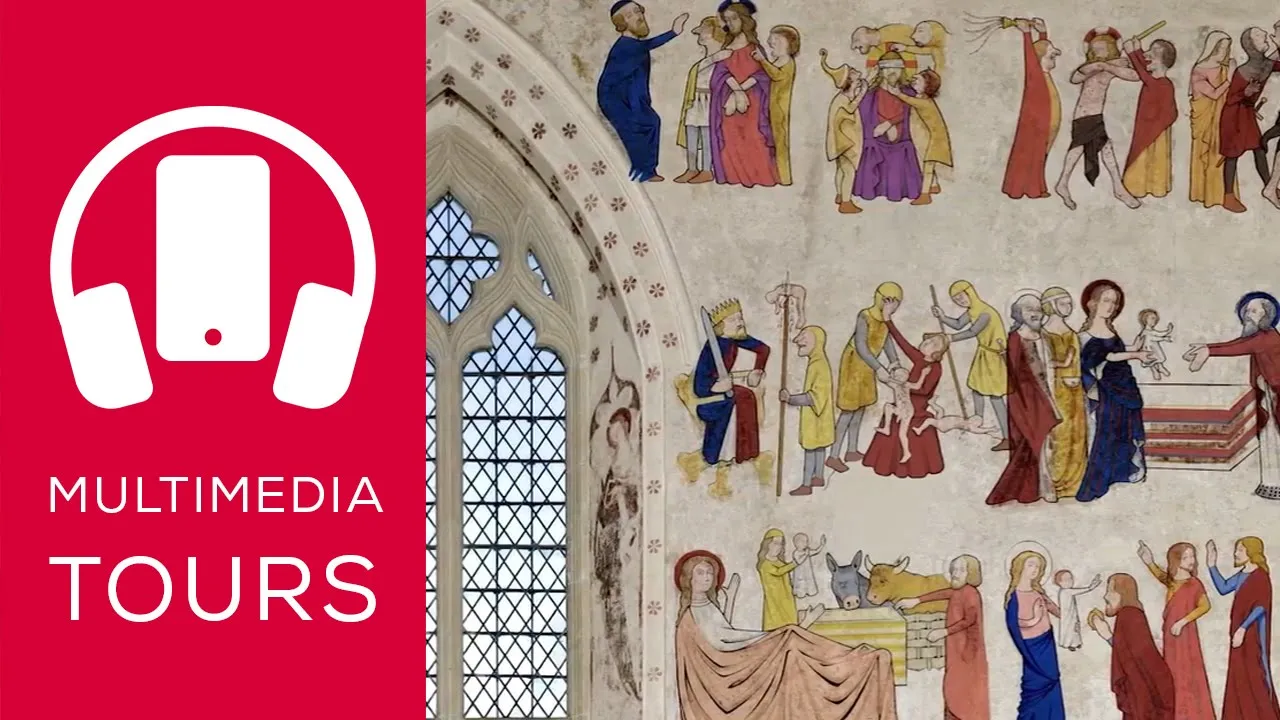
2:23
Art History
Chancel Wall Paintings at St Mary's Church, Chalgrove
ATSHeritageTV
532 views•2020-05-18
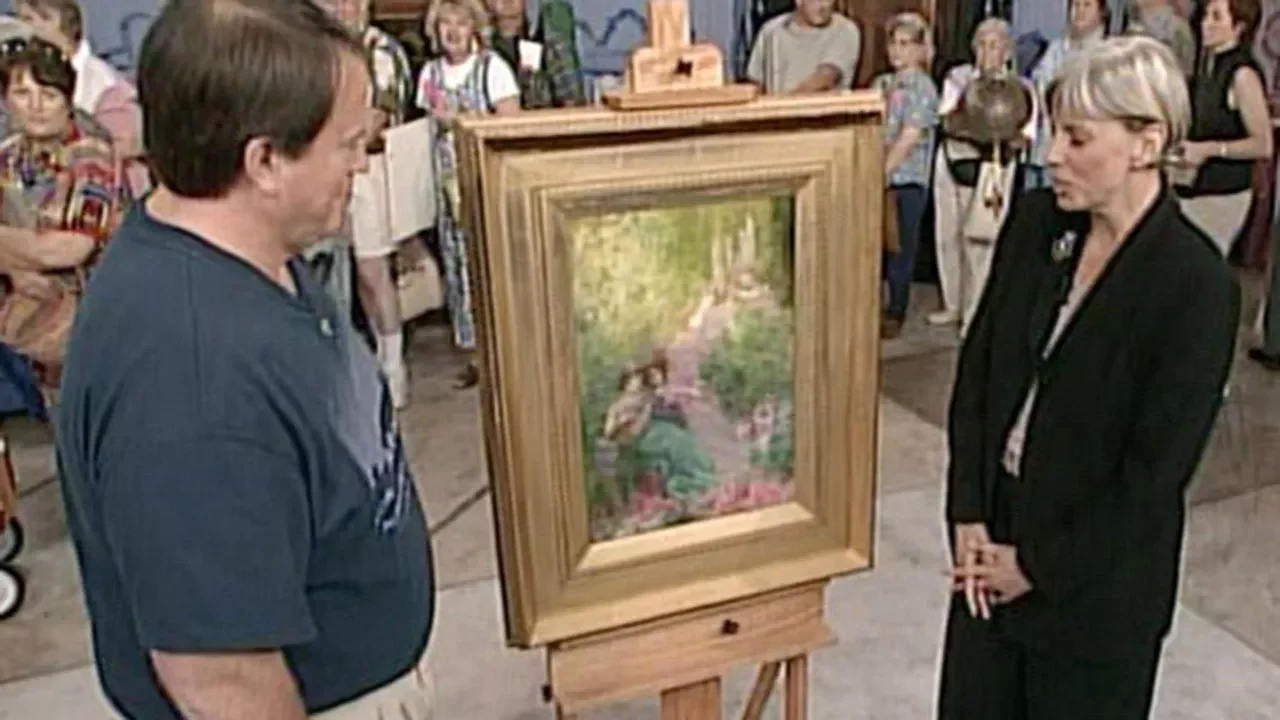
2:21
Art History
Henry Siddons Mowbray Painting, ca. 1895 | Vintage Austin | Preview
RoadshowPBS
176K views•2017-06-30
12:02
Art History
The Moonhouse - Sweden's Red Cottage on the Moon
ThreeStarVagabond
2K views•2025-06-01
Trending

13:38
Biology
Gremlin Arrives… While Dorothy May Takes Another Step Forward
The-moons
10K views•2026-07-23

13:25
Business
Playstation NO DISC/NO BUY Fight Is Over...
DavidJaffeGames
4K views•2026-07-23

16:52
Anthropology
Americans Confused in Australia for 17 Minutes Straight
IWrocker
17K views•2026-07-23

15:34
Political Science
FURIOUS Raskin CORNERS DOJ over Trump DARK PAST!!!!
MeidasTouch
237K views•2026-07-23