Jackson’s late-blooming recognition is a stinging reminder that the art establishment often discovers genius only after decades of systemic neglect. Her work proves that true creative integrity thrives in the silence of the margins, long before it is commodified by the museum.
Install our extension to search inside any video instantly.
Experimental artist Suzanne Jackson celebrates decades of work in new exhibition
Added:An artist who has spent decades experimenting with her materials is getting her first national exposure in her 80s. Senior arts correspondent Jeffrey Brown traveled to Minneapolis to meet Suzanne Jackson for our arts and culture series, Canvas. There are large paintings that hang in the air, inviting the viewer to walk around. There's no canvas, no backing at all. These are paintings literally made of layers of acrylic paint, along with some everyday household items. Here mesh bags, even peanut shells. They're works that became a signature style for artist Suzanne Jackson. The painting becomes the surface and the support. The paint itself is the surface, the paint itself is the surface and support understanding the strength of paint um, and how it works with these bags. Some of these are vegetable produce bags. Why are they in your painting? Because I don't throw things away, and I, I, well, just, and just looking, I look at something and I think, OK, structurally, what can I do with the pain? She's been looking and painting a long time and now at 82 is having her first major museum retrospective, an exhibition titled What Is Love Without a Question mark that started at the San Francisco Museum of Modern Art It is now at the Walker Arts Center in Minneapolis. More than 50 works made since the 1960s.
Early representational paintings focused on two abiding subjects black figures and the natural world. And then a move toward abstraction and more sculptural three dimensional pieces. for the artist herself, it's a chance to look back at her love of painting, her obsession with what the medium itself can do. I look at them with curiosity about what did I do? What was I doing each time? So I look at these and each one, and even this morning looking at this painting next to us, I was thinking it has texture that I didn't see before. It's starting to dry differently, so this is an experiment, and all my life it's been an experiment. That's what I see in the retrospective.
Jackson spent her childhood in San Francisco, where her father was a city bus and cable car driver, and then in Fairbanks, Alaska. She was always making art, she says, teaching herself at first before studying in the 1960s at San Francisco State University, and then in Los Angeles at the Otis Art Institute, where she took a drawing class with influential artist Charles White and met other young black artists trying to make their way at a time when the institutional art world was still often closed to them. Jackson turned her own LA studio into Gallery 32, a small self-funded exhibition space that was short lived from 1968 to 1970, but highly impactful with shows that included the first Los Angeles survey of black women artists doing for ourselves and having exhibitions and supporting each other as young artists because that was necessary, yes, so even to the last bowl of noodles, you know, that was the way we helped each other out and supported each other. So that's really what it was about.
It's being young people just determined to do the thing that you love the most. Her own creativity took different forms. She was a dancer, poet, theater set, and costume designer.
She had gallery shows and began teaching. Eventually at the Savannah College of Art and Design. She continues to live and work in Savannah.
but for long periods she was largely out of public view. In some ways, she says now that was healthy, allowing her to play with new ideas. I was just doing it just doing something. No one was paying attention to me, so I could do anything I wanted to do in the studio.
Is that how it's really how this happened because people weren't paying attention. Paintings on rough bogus paper sculptural paintings pushing away from the wall.
Works like Woodpecker's Last Blues with feathers and leaves, crossing Ebenezer, though abstract, contains washes of red, the color of blood, and the flow of a river, recalling a Civil War era mass drowning of emancipated African Americans. I'm interested in history. I'm interested in how we got here. And that's what the abstraction can do. It's not telling you a story directly, it's allowing you to think I want people to think. It would be several decades before the outside world took full notice. For a long time, I felt as if I was not there were other artists getting getting having recognition. I was still plugging along, still working. I think that's the thing. We kept working no matter whether we received any recognition or not.
Did you feel like your, you would never get that full recognition?
Were there times just didn't expect it. I, you know, I might think, oh, it would be nice if I, you know, could do this, or I would go to exhibitions, or I'd watch PBS and see people being interviewed and think, oh my, and all these younger artists are getting recognition and many in my generation are being ignored. She's ignored no more, and the exhibition in the Twin Cities, she says, though planned years back comes at an especially meaningful time following the murder of George Floyd and the more recent ice surge, arrests, and killings of Renee Goode and Alex Pretty, traumatizing this community. For me, Ben, people coming in, if this is a place where they can come quietly and peacefully. I hope that it gives some kind of rest and peace. As for Jackson herself, she calls the retrospective a privilege, compelling her back to her studio to get to work. A first major retrospective at 81, now 82. How does that feel? It's the beginning It feels like a beginning? Yes. Suzanne Jackson's exhibition What Is Love moves to Boston's Museum of Fine Arts in September.
For the PBS NewsHour, I'm Jeffrey Brown at the Walker Arts Center in Minneapolis.
Related Videos

7:01
Art History
Solo Exhibition "Light in the City" | Virtual Art Tour
christinakentart
12K views•2025-03-09
27:36
Art History
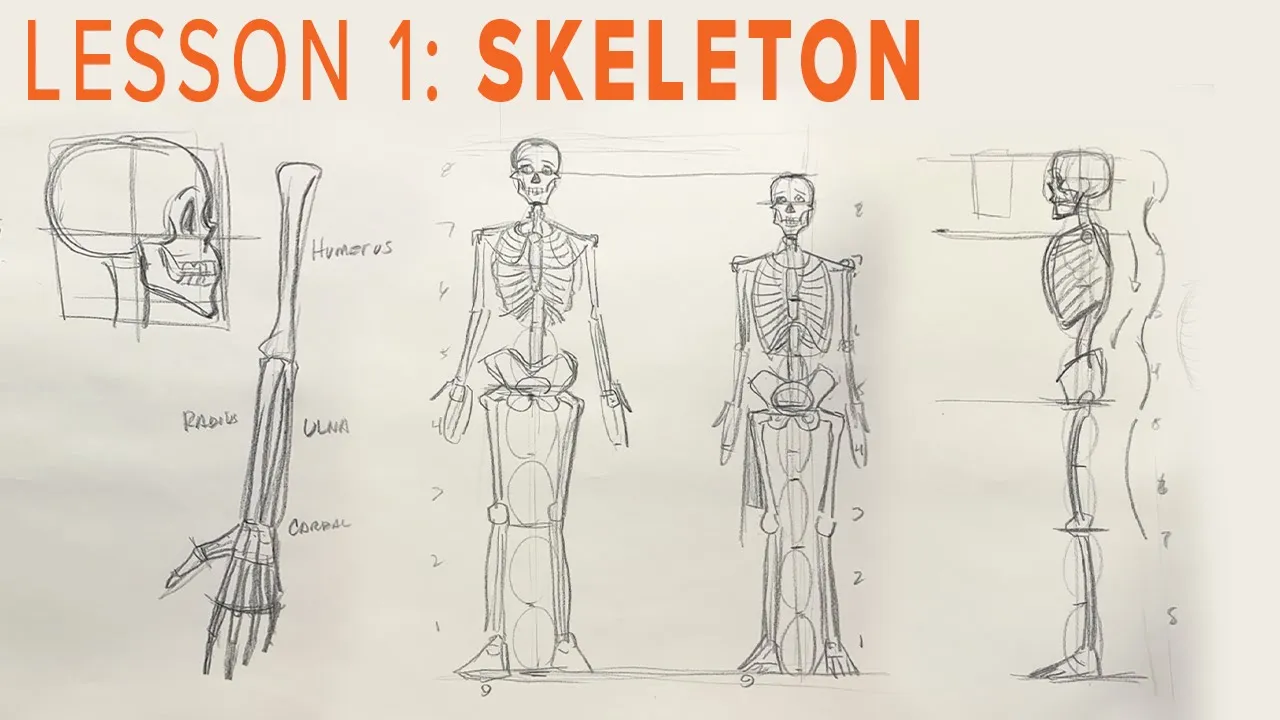
Learn to Draw Anatomy - Skeleton Structure
pomeroyartacademy
22K views•2025-04-15

3:31
Art History
Episode 4: Erin Manning
ABERnetwork
285 views•2024-11-01

0:45
Art History
JAMES VAN DER ZEE: The Photographer Who Captured Harlem’s Soul
UncommonSense59
941 views•2026-01-31

0:55
Art History
Signature X Mithila Art
SignatureNepal
1417K views•2026-02-04
2:23
Art History
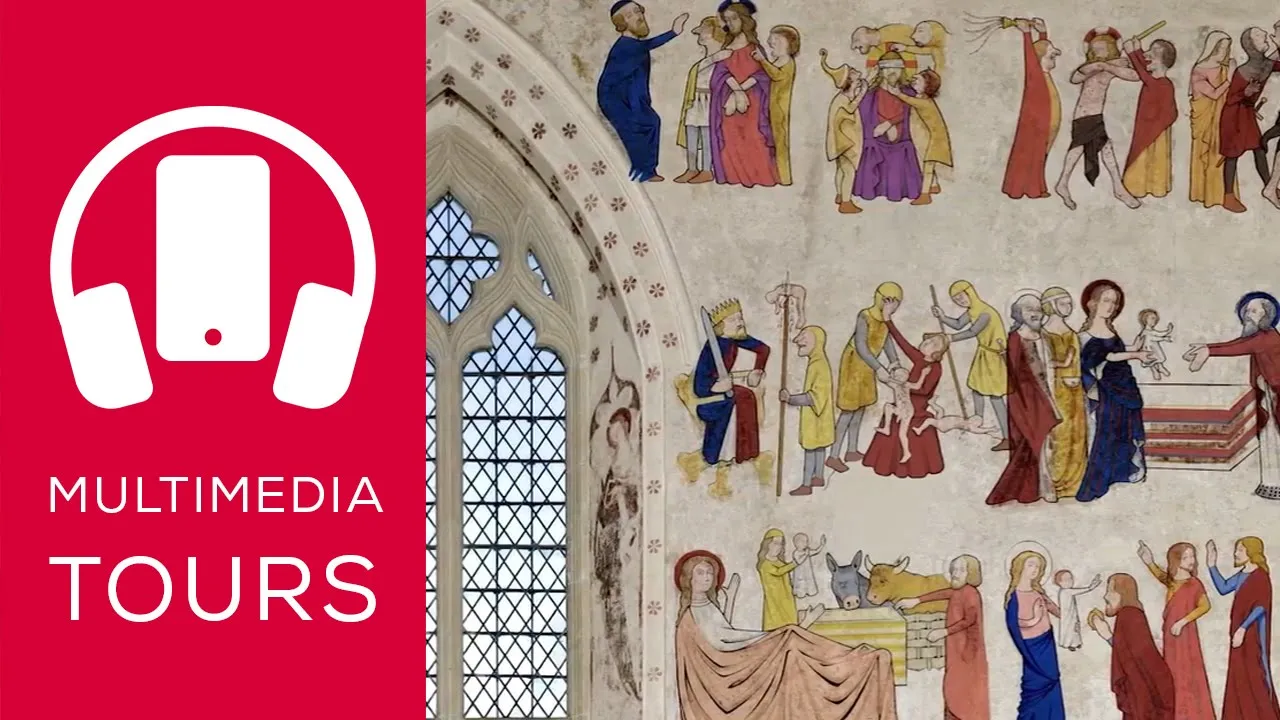
Chancel Wall Paintings at St Mary's Church, Chalgrove
ATSHeritageTV
532 views•2020-05-18
2:21
Art History
Henry Siddons Mowbray Painting, ca. 1895 | Vintage Austin | Preview
RoadshowPBS
176K views•2017-06-30
12:02
Art History
The Moonhouse - Sweden's Red Cottage on the Moon
ThreeStarVagabond
2K views•2025-06-01
Trending

13:25
Business
Playstation NO DISC/NO BUY Fight Is Over...
DavidJaffeGames
4K views•2026-07-23

22:40
Business
Steam and Xbox Just Dropped The Hammer On PlayStation
OhNoItsAlexx
9K views•2026-07-23

16:52
Anthropology
Americans Confused in Australia for 17 Minutes Straight
IWrocker
17K views•2026-07-23

1:19:25
Biology
LIVE NOW! Cellular Structure and Functions | Complete Cell Biology Lecture | Anatomy & Physiology
MukhtarAliyu-t7m
387 views•2026-07-23