Reptiles have evolved diverse survival strategies including camouflage, specialized hunting mechanisms, and defensive adaptations. Chameleons use color changes for communication and temperature regulation, possess projectile tongues longer than their bodies for insect capture, and rely on ectothermic metabolism. Giant lizards like monitor lizards and Komodo dragons demonstrate powerful physical adaptations including strong jaws, sharp teeth, and territorial behaviors. These adaptations reflect millions of years of evolutionary development, with some species like crocodiles dating back 200 million years, showcasing the remarkable diversity and specialization within reptile species.
Install our extension to search inside any video instantly.
Massive Chameleon vs Giant Lizards: The Ultimate Wild Survival Showdown!
Added:Did you know that not all creepy crawies are insects? True insects have six little legs, a body in three parts, head, thorax, [music] and tummy, and often have two pairs of wings. Meet the ladybug, a farmer's best friend who loves to eat tiny [music] bugs called aphids, even though it looks small and sweet.
Chameleons change color not just [music] for camouflage but also for communication, temperature regulation and emotional expression, stress, mating, etc. Chameleons have a tongue longer than their body which they shoot out at high speed to capture insects.
The tip of the tongue is sticky and forms a suction cup-like structure. Most chameleons are highly territorial, especially males.
>> [music] >> The male Jackson's chameleon, Triosceros Jonei, is one of the most distinctive and prehistoricl looking reptiles in the pet trade and in the wild. Instantly recognizable, he looks like a miniature [music] triceratops that has mastered the art of camouflage.
Male Jackson's chameleon is defined by the three prominent horns on his face, [music] which are made of keratin, the same material as our fingernails. The male Jackson's chameleon, triosceros jony, is one of the most distinctive and prehistoric looking reptiles in the pet trade and in the wild. Instantly recognizable.
Red iguanas look like mini dinosaurs with spiny crests running down their backs and long [music] powerful tails.
Red iguanas may show more green or orange hues as they age or during breeding season. Red iguanas are a color morph of the green iguana. Iguana iguana. They aren't a separate species, just a naturally occurring or selectively bred color variation. Red iguanas look like mini dinosaurs with spiny crests running down their backs and long powerful tails. Red iguanas may show more green or orange shoes as they age.
>> [music] >> Crocodiles have been around for about 200 million years, making them one of the oldest surviving species [music] from the age of the dinosaurs.
Crocodiles have the strongest bite force of any animal up to 3,700 lb per square in. CI. Crocodiles can see well at night and have special valves in their ears [music] and nose to keep out water when submerged. Crocodiles have been around for about 200 million years, making them one of the oldest surviving species from the age of the dinosaurs.
>> [music] [music] >> The best known member is the fire salamander. Salamandra salamandra. Its name comes from an old European myth that it could survive in fire or was born from flames, likely because they often hid in damp logs that people threw onto fires, causing them to crawl out.
Most salamandra species have bright yellow or gold spots, blotches, or stripes on a glossy black background.
This [music] is aatic coloration, a clear warning to predators that they are toxic. Salamandra. Salamanders secrete salamandarin from glands behind their eyes and along their backs.
[music] [music] This lizard is often called a living fossil because it belongs to a very ancient family of lizards corded that has remained relatively unchanged for millions of years. [music] Its common name is a perfect description.
It is named [music] after the armadillo for its impressive defensive strategy and girdled lizard refers to the heavy ring-like scales osteoderms that girdle its body. This lizard is often called a living fossil because it belongs to a very ancient family of lizards, cordylay.
[music] Green iguanas have [music] a parietal eye on top of their head. It can't see images, but detects light and movement to help them sense predators from above.
Green iguanas primarily eat leaves, flowers, fruits, and other plant matter.
In captivity, [music] their diet must be carefully balanced. Green iguanas are not currently endangered, but habitat loss and overcolction could pose threats in the future. Green iguanas have a parietal eye on top of their head. It can't see images, but detects light [music] and movement to help them sense predators from above. Green iguanas primarily eat leaves, flowers, [music] fruits, and other plant matter. In captivity, [music] Lizards are ectothermic, coldblooded, meaning they rely on external heat sources [music] to regulate their body temperature. The basilisk lizard, aka Jesus Christ lizard, can sprint across water surfaces using its rapid foot movements. Lizards have existed for over 200 million years, dating back to the time of dinosaurs.
Many lizards, like geckos, can't blink.
They lick their eyes to keep them clean.
Lizards are ectothermic, coldblooded, meaning they rely on external heat sources to regulate their body temperature. The basilisk lizard, aka Jesus Christ lizard.
[music] Chameleons change color [music] not just for camouflage but also for communication, temperature regulation and emotional expression, [music] stress, mating, etc. Chameleons have a tongue longer than their body, which they shoot out at high speed to capture insects. The tip of the tongue is sticky and forms [music] a suction cup-like structure. Most chameleons are highly territorial, especially males, and will show aggressive color patterns to warn rivals. Chameleons are ectothermic, coldblooded, relying on the sun to regulate their body temperature.
Chameleons change color.
It uses its long, wet tongue to clean its own eyeballs. Don't forget the tortoise, a slow but steady reptile that carries its heavy shell house everywhere it goes. Some giant tortoises [music] can live for over 150 years. Whether it's a buzzing bee, a crawling lizard, or a sunbathing snake, every bug and reptile [music] plays a special role in keeping our planet healthy and amazing.
Related Videos

19:51
Biology
Salivary glands (anatomy)
SamWebster
139K views•2019-01-08

12:52
Biology
DNA Replication l Replication initiation in Prokaryotes
microbioscope18
4K views•2019-03-05

5:47
Biology
Identification of bacteria using biochemical tests (1 of 2)
microbiologyteachingvideos6490
24K views•2019-05-28

1:11
Biology
How PTSD Impacts Our Genes, with Dan Siegel
nicabm
31K views•2019-07-18

51:49
Biology
Influence of Footwear Longitudinal Bending Stiffness on Metatarsal Strains during Running
uofckinesiologyseminarseri2218
107 views•2025-12-02

6:57
Biology
Obscure Bird Grasshopper: It's One of the Big Ones!
RandysNaturalWorld
2K views•2025-08-26

5:36
Biology
B-Cell Receptors vs T-Cell Receptors - Overview
Sqadiacom
1K views•2025-01-31
1:27
Biology
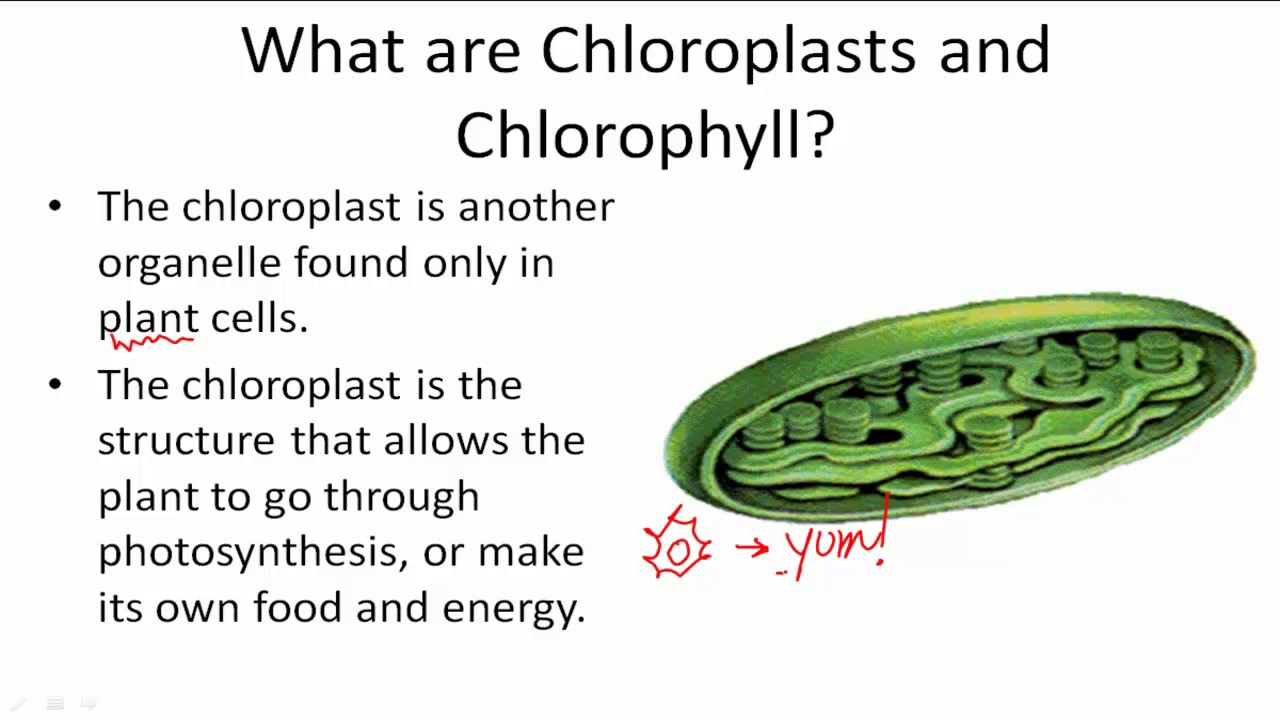
Functions of Chloroplasts and Chlorophyll
CK12
28K views•2017-05-24
Trending

13:38
Biology
Gremlin Arrives… While Dorothy May Takes Another Step Forward
The-moons
10K views•2026-07-23

13:25
Business
Playstation NO DISC/NO BUY Fight Is Over...
DavidJaffeGames
4K views•2026-07-23

16:52
Anthropology
Americans Confused in Australia for 17 Minutes Straight
IWrocker
17K views•2026-07-23

15:34
Political Science
FURIOUS Raskin CORNERS DOJ over Trump DARK PAST!!!!
MeidasTouch
237K views•2026-07-23