Sea moss is digested in the stomach where minerals separate, then absorbed through intestinal villi into the bloodstream, where nutrients like iodine support thyroid hormone production for metabolism regulation, while prebiotic fibers support gut bacteria and amino acids aid muscle recovery; however, excessive consumption can overwhelm the thyroid, cause digestive discomfort, and poor-quality sea moss may contain harmful heavy metals, making moderation and clean sourcing essential.
Install our extension to search inside any video instantly.
What Really Happens to Your Body When You Eat Sea Moss
Added:Moss enters the mouth, moves down the esophagus, and reaches the stomach, >> [music] >> where digestion begins.
Inside the stomach, the gel spreads across the lining, slowly breaking down as minerals [music] begin to separate.
From there, the process moves into the intestines.
Tiny intestinal villi absorb [music] nutrients like iodine, potassium, calcium, and magnesium, [music] carrying them through the intestinal wall and into the bloodstream.
The bloodstream nutrients throughout the body, [music] reaching the brain, heart, thyroid, muscles, bones, and immune cells.
>> [music] >> Iodine reaches the thyroid gland, supporting the production of hormones that help regulate metabolism, energy, and internal [music] balance.
Neurons begin firing.
Signals move between brain cells, and the nervous system becomes active [music] in communication.
Prebiotic fibers from sea moss may help feed helpful bacteria, supporting a more balanced [music] gut environment.
Amino acids and minerals move into muscle [music] fibers, helping recovery and energy production.
>> [music] >> White blood cells absorb key nutrients, helping them stay active as they move through the bloodstream and respond to unwanted invaders.
But sea moss is not only about benefits.
Balance [music] matters.
Too much iodine may overwhelm the thyroid, leading to stress, [music] inflammation, or disruption in normal hormone activity.
Excess sea moss can irritate the stomach and intestines, causing gas, >> [music] >> bloating, mucus buildup, or discomfort.
Poor quality sea [music] moss may contain heavy metals like arsenic, mercury, or lead, which can collect in tissues and affect healthy cells.
And in [music] some cases, sea moss may affect blood clotting. The body may take longer to seal small injuries, especially for people [music] already taking blood-thinning medication.
So, sea moss may support the body in many ways, but the real key [music] is moderation, clean sourcing, and knowing how your body responds.
[music] Because inside the human body, even natural [music] substances can have both benefits and risks.
Related Videos

Why is IVF the treatment of choice?
aspirefertilityhouston
803 views•2026-06-14

The Lethal Cost of Disconnection: Loneliness, ADHD, and Life Expectancy | Dave Delaney TEDxFranklin
davedelaney
422 views•2026-06-15

ASMR Cranial Nerve Exam for Men Personal Attention Medical Roleplay for Sleep
gingerxasmr
999 views•2026-06-17
GLP 1s, Protein Shortages, and Apple’s Menopause Moment | Ep. 491
trimhealthymama
429 views•2026-06-18

Vaginal vs C-Section Recovery — What’s the Real Difference?
NutriAurabyAreej
935 views•2026-06-17

ECG interpretation made easy
Diseasedetective0
128 views•2026-06-14

21 Famous Actors Who Died From Alzheimer's Disease | Vintage Hollywood
BigstarV8
1K views•2026-06-19
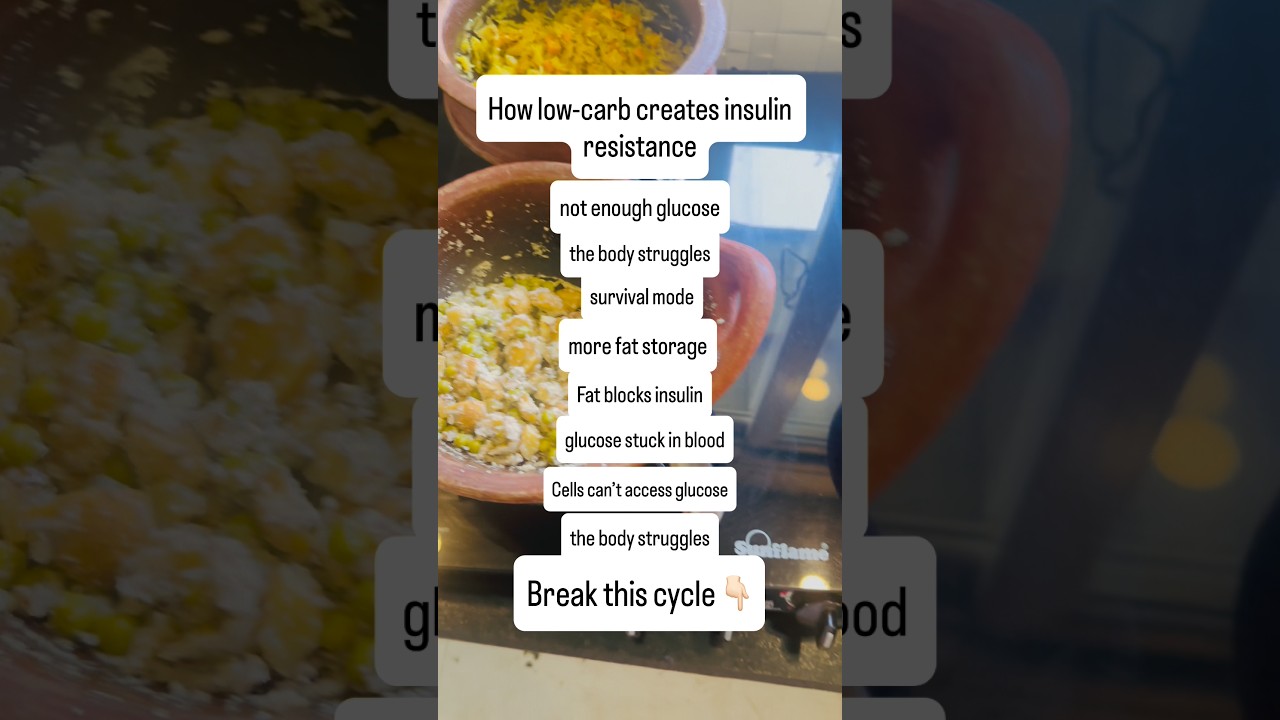
How low carb creates insulin resistance
Nidhikumari_healthcoach
1K views•2026-06-16



