All pain, regardless of its source (such as injuries, illness, or nervous system issues), is processed by the brain, and psychology can help children and families learn strategies to regulate pain perception by addressing biological, psychological, and social factors that influence pain intensity.
Install our extension to search inside any video instantly.
All pain is processed by the brain
Added:If my child's pain is real, why was I referred to psychology? Hi, I'm Dr. Julia and I'm a licensed pediatric psychologist and I work in a medical setting and I work a lot with all types of pain presentations including acute pain and chronic pain. And the most simple reason is that pain is always processed in the brain.
No matter what type of pain you're having, broken leg, mosquito bite, toothache, the sensations are sent to your brain and psychology can help you learn ways to turn up the volume of the pain versus turn it down. No, psychology cannot prescribe medication. That's psychiatry.
But we can learn and teach you strategies to help regulate the pain.
Both parents and the child play a role in this in pediatric psychology. Things like poor sleep, anticipating the pain, thoughts about pain, lack of distraction, low mood, stress, and many other things contribute to turning up the volume of the pain. That means we can use those same strategies or the same principle to turn down the volume of the pain to help your child get through the things they need to get through when they're either admitted inpatient or even once they're discharged. We often start things like physical therapy the day after surgery.
So that means we need to be able to tolerate the pain that will be happening to make this a less miserable experience. So no, we do not think the pain is made up or fake. We just know that the science behind pain is that it's processed in the brain. Psychology can help navigate that.
Related Videos

Why is IVF the treatment of choice?
aspirefertilityhouston
803 views•2026-06-14

The Lethal Cost of Disconnection: Loneliness, ADHD, and Life Expectancy | Dave Delaney TEDxFranklin
davedelaney
422 views•2026-06-15

ASMR Cranial Nerve Exam for Men Personal Attention Medical Roleplay for Sleep
gingerxasmr
999 views•2026-06-17
GLP 1s, Protein Shortages, and Apple’s Menopause Moment | Ep. 491
trimhealthymama
429 views•2026-06-18

Vaginal vs C-Section Recovery — What’s the Real Difference?
NutriAurabyAreej
935 views•2026-06-17

ECG interpretation made easy
Diseasedetective0
128 views•2026-06-14

21 Famous Actors Who Died From Alzheimer's Disease | Vintage Hollywood
BigstarV8
1K views•2026-06-19
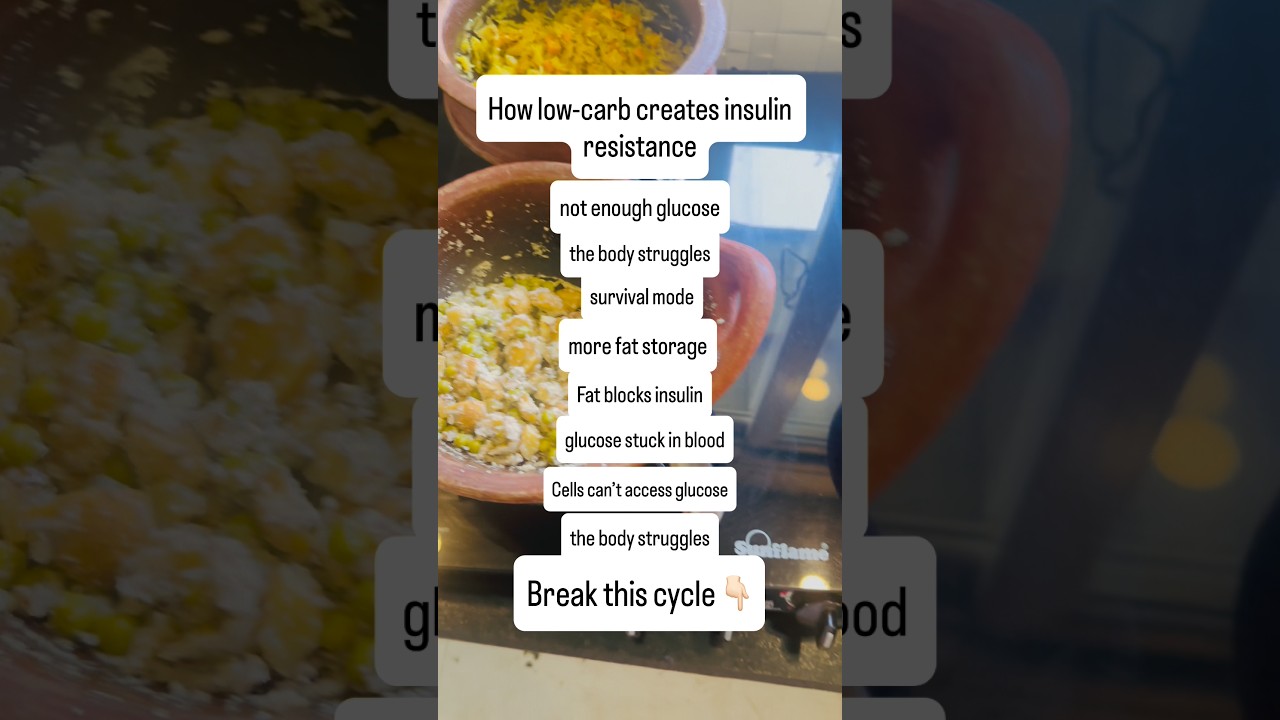
How low carb creates insulin resistance
Nidhikumari_healthcoach
1K views•2026-06-16



