Dr. Sutterer masterfully translates complex orthopedic trauma into clear, high-level insights that respect the viewer's intelligence. This is a superb example of how specialized medical knowledge can be democratized to enhance our understanding of the physical costs of elite sports.
Install our extension to search inside any video instantly.
Ismael Kone Breaks Leg at World Cup vs Qatar - Doctor Explains
Added:Our first significant injury of this year's World Cup unfortunately comes for Canada's Ishmael Kone here as he suffered what looks to be a lower leg fracture as a result of this tackle that ultimately ended up in a red card.
Welcome back everybody. I'm Dr. Brian Sudter and the goal on the channel is to teach you more about the medical side of the sports world. So, the World Cup is in full swing. That means we're going to be covering any injuries that occur.
Let's take a look here at what happened with Ishmael Kone. Now, you can see pretty clearly from the visuals when he was on the field that this was a serious injury. And this looks to be a fracture of at a minimum the tibia, which is the lower shin bone, potentially also the fibula, which is the bone that sits on the outside portion of the lower leg.
The big question with these types of fractures is always, is it open or closed? Meaning, did the bone break through the skin? Is the skin open?
Because that certainly increases the risk and the severity in terms of possible complications. I will admit, watching this play, it is a very unusual way to suffer a broken leg. Often times when somebody has a broken leg, there's a very significant external force that is falling on the leg from the outside that pushes the leg, the ankle inward.
It's almost like a high ankle sprain mechanism. And that external force is what's often necessary to cause the tibia to snap. Sometimes the tibia will snap with a torsional component because the bone is not as strong in torsion, meaning when it's twisted. That's for example what happened with Louisville basketball player Kevin Wear. And so this is an odd way to break your leg. We can see as the cutter defender comes through here, he basically just kicks his ankle and all it took to cause the break was the cutter player's ankle kind of swinging through and striking Kone on that inner medial portion of his lower leg. So it didn't even really seem to be honestly all that significant of a big external force. Now, the location where the contact is going to occur at that lower portion of the tibia, there's really not a lot of muscle there. It's essentially skin and bone. If you get hit more on the outside of the leg, there are some muscles there that can help to cushion to absorb some of the blow. On this inner medial side of the lower leg, there's not as much there's not muscle there. There's not as much skin and fat there to cushion the blow.
And then on the opposite side where the ankle the foot is coming in the top portion of the foot very strong very strong rigid bones not much muscle not much cushioning. So you really do have this situation where it's kind of bone on bone contact and that can cause more force to be transmitted ultimately leading to an injury. I always wonder too in situations like this was there something that happened beforehand? Was that bone weak for any reason? I wish that we could kind of see this step before if there was any contact to his ankle right here because I think if there was some contact to his left lower leg or to the ankle on this moment of the play that could have caused some initial weakening that could have caused some initial injury potentially causing the then subsequent kind of kick through leg sweep to be more propensity to cause a fracture because of a pre-existing injury. So I don't know if just this kick through and isolation was enough to have done it. I truly do wonder if there was some contact on the ankle right here at this time. But unfortunately, of course, we don't see a replay to really understand if there was any shift or movement position change in that tibia beforehand. As he's on the ground here, you can kind of see that contour where it looks like remember the force was coming in this direction striking that inner portion of the lower tibia. The bone probably kind of snapped in kind of this direction. So that force comes through and probably what we're seeing right through there is kind of that lower portion of the bone protruding up underneath the skin hopefully with no actual break in the skin. The fibula is going to sit more on the outside of the ankle and so potentially if the force was enough you could also have a fracture that fibula but the tibia is of course what ultimately takes the most priority. Management of this is honestly pretty straightforward. If you're on the field and it's a big severe open fracture where like bone is exposed, it's bleeding, it's all dirty from the field or playing conditions, you might take if you have some antiseptic and try to kind of wash it out, rinse out some of that large particle mass that might be in there, but you're not going to like uncover everything, cut off all the clothing, etc. You're going to just stabilize it as best you can, get it protected. This is probably a vacuum splint where that leg gets wrapped up with the splint. They then suck the air out to conform really nice and tight and secure around the leg. Potentially don't necessarily need to go all the way above the knee, but this might have been all that they had. Remember, really just trying to stabilize the fracture in that lower leg. This is something that uh I'm assuming this game was not played in the United States. I believe this game was played in Canada because this is a medication that is not going to be used in the United States for pain control.
This is something called methoxy florine. Pinthrox is the other name of it. It's people call the green whistle and it's basically an inhaled nonopioid.
So an inhaled non-narcotic pain medication. This is going to cause some depression within the central nervous system. It's used acutely in the field but again in non United States countries to try and manage acute pain.
It has pretty rapid onset. It's very easy to administer, right? The individual can just self-administer by inhaling uh through this device. So this is an inhaled medication that helps with pain relief because of course this is going to be a very very painful sort of an injury. Now going forward of course his World Cup is over. This is by no means though a careerthreatening injury.
Uh as long as there's no complications, as long as there's nothing that sets like an infection, no significant nerve damage, severe muscle damage, the majority of these should do okay. The majority of these will be treated where a rod is put down through the tibia. So as we look here at the biodigital anatomy tool, of course this bone is going to be that tibia. That force came in this direction. And so to treat it, often times an intramillary rod or a nail is passed down through from the knee down into the medularary canal, the tibia to get all those pieces of the bone back in proper stable position.
Often times nothing needs to be done for the fibula. The fibula is typically left alone. It's generally a non-weightbearing bone and heals pretty well without any sort of fixation. So typically just an intrammedularary rod or nail put down through the tibia that typically will stay in place for the rest of his life unless there are some sort of complications. Bone heals pretty well. Soft tissue doesn't heal as well.
Nerves don't heal as well. And so if this is an isolated bone injury, yes, of course, his World Cup is over, but by no means is this a careerthreatening sort of injury, assuming there are no complications.
That's it for the video, everybody. Let me know as always any questions or comments down below. And until next time, we'll see you later.
Related Videos

Why is IVF the treatment of choice?
aspirefertilityhouston
803 views•2026-06-14

The Lethal Cost of Disconnection: Loneliness, ADHD, and Life Expectancy | Dave Delaney TEDxFranklin
davedelaney
422 views•2026-06-15

ASMR Cranial Nerve Exam for Men Personal Attention Medical Roleplay for Sleep
gingerxasmr
999 views•2026-06-17
GLP 1s, Protein Shortages, and Apple’s Menopause Moment | Ep. 491
trimhealthymama
429 views•2026-06-18

Vaginal vs C-Section Recovery — What’s the Real Difference?
NutriAurabyAreej
935 views•2026-06-17

ECG interpretation made easy
Diseasedetective0
128 views•2026-06-14

21 Famous Actors Who Died From Alzheimer's Disease | Vintage Hollywood
BigstarV8
1K views•2026-06-19
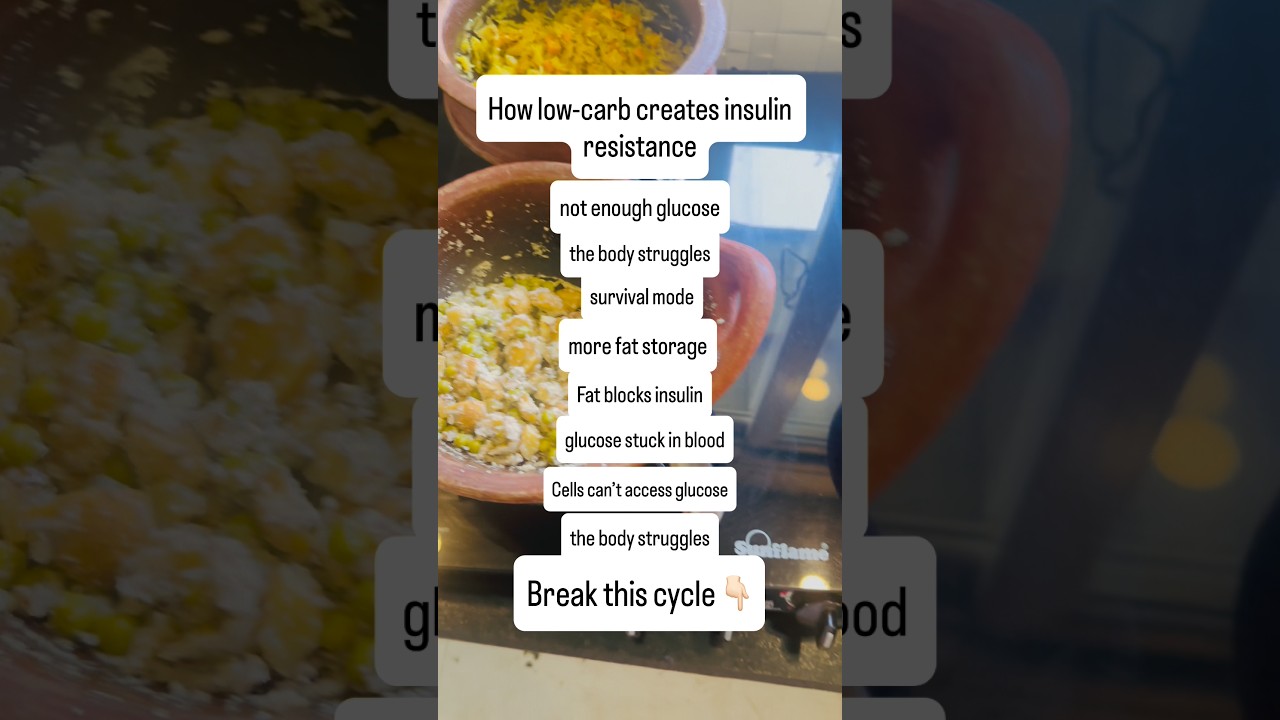
How low carb creates insulin resistance
Nidhikumari_healthcoach
1K views•2026-06-16



