A newly discovered uric acid pathway in the kidney, parallel to the traditional vasopressin pathway, allows water reabsorption through aquaporin 2 channels; repurposing the 1940s drug probenecid with the approved PKD treatment Tolvaptan reduces water intake and urination by 30% in polycystic kidney disease patients, improving quality of life.
Install our extension to search inside any video instantly.
1940s-era drug shows new promise for kidney disease
Added:The most important function of the kidneys is to filter the blood and clear all the toxins. The second most important function is to regulate the water and keep us in in check. So, we don't want to be dehydrated and we don't want to be overloaded with excess water.
The kidney reacts to the vasopressin hormone. So, it's a thirst hormone released by the brain. The kidney is allowed to absorb all the urine and the water back to the body. So, then we don't get dehydrated. It's called the vasopressin pathway. Now, our study has discovered a a brand new pathway that is parallel to this traditional pathway. We showed that uric acid or urate gets into the cell through this channel and it gets concentrated in that portion of the kidney allowing that water channel aquaporin 2 to go to that portion where it's touching the urine and now the kidney is allowed to concentrate the urine and bring that water back to the body. For me, polycystic kidney disease is a personal journey. I've been thinking about polycystic kidney disease since I was 15 when my father was diagnosed and started dialysis. My father was my inspiration to really find new treatments for polycystic kidney disease, to study this disease and really delay onset of kidney failure. In PKD, it's important to block the effect of the thirst hormone or vasopressin.
So, the only treatment available at the moment is a blocker of that vasopressin receptor. So, it blocks the effect of the thirst hormone, but at the same time it tells the kidney you need to dilute the water and the urine quite a bit. So, then patients in these settings will feel thirsty and at the same time they have very frequent urination. Many patients are not able to tolerate this lifestyle where they have to drink a lot and have a lot of bathroom breaks including waking up at night multiple times. So, our study has looked at probenecid, this very old medication that we are repurposing for polycystic kidney disease. So, with that we used it with another drug that is the approved treatment for PKD called Tolvaptan. We did a phase two trial where we added probenecid to patients already being treated on Tolvaptan, and we found that instead of having to drink huge amount of water and also the large volumes of urination, probenecid has decreased that by an average of 30% allowing them to have a better quality of life. We are hoping that we use this pathway and this discovery to have potentially brand new medications available for polycystic kidney disease.
Related Videos

Why is IVF the treatment of choice?
aspirefertilityhouston
803 views•2026-06-14

The Lethal Cost of Disconnection: Loneliness, ADHD, and Life Expectancy | Dave Delaney TEDxFranklin
davedelaney
422 views•2026-06-15

ASMR Cranial Nerve Exam for Men Personal Attention Medical Roleplay for Sleep
gingerxasmr
999 views•2026-06-17

GLP 1s, Protein Shortages, and Apple’s Menopause Moment | Ep. 491
trimhealthymama
429 views•2026-06-18

Vaginal vs C-Section Recovery — What’s the Real Difference?
NutriAurabyAreej
935 views•2026-06-17

ECG interpretation made easy
Diseasedetective0
128 views•2026-06-14

21 Famous Actors Who Died From Alzheimer's Disease | Vintage Hollywood
BigstarV8
1K views•2026-06-19
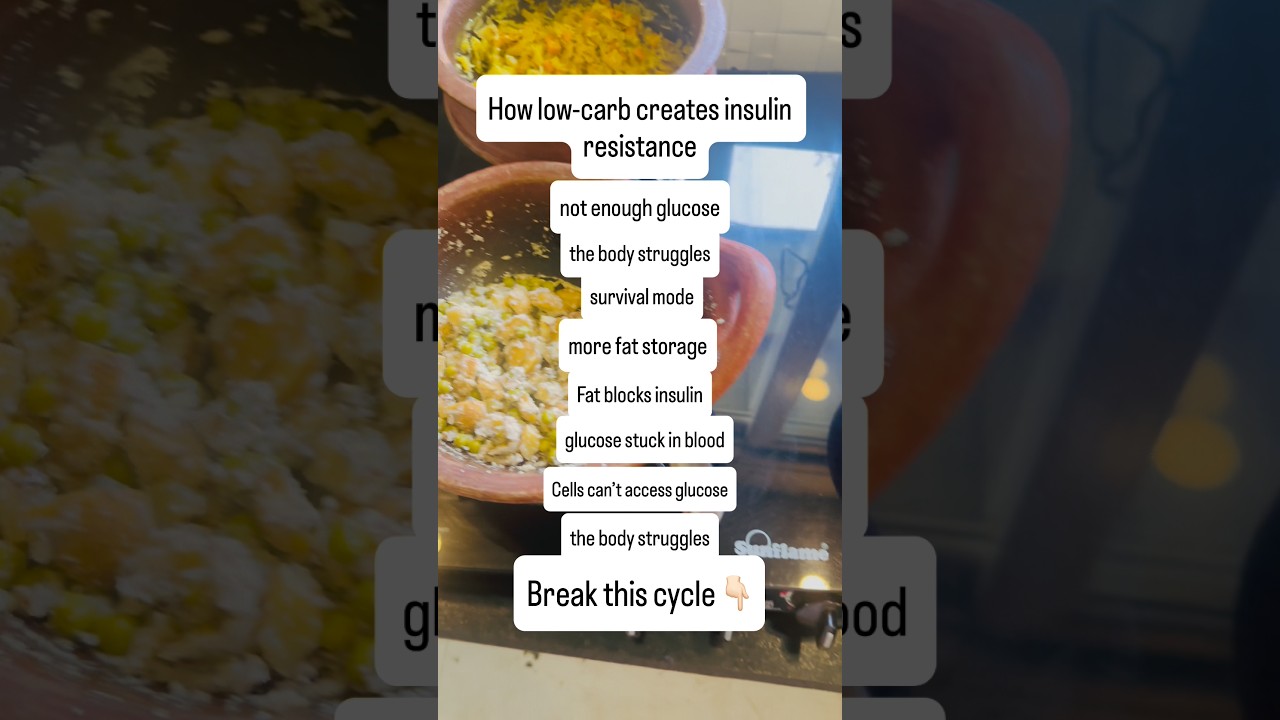
How low carb creates insulin resistance
Nidhikumari_healthcoach
1K views•2026-06-16



