This video expertly distills the clash between biological limits and the ambitious promise of life extension. It frames the debate over our expiration date as the ultimate scientific frontier.
Install our extension to search inside any video instantly.
How Long Could Humans Actually Live?
Added:You are sitting in a doctor's office.
Routine checkup. The doctor walks in, glances at your chart, sits down, and says something that no doctor has ever said to any patient in the history of medicine.
Everything looks great. Based on your biology, you could live to about 500.
You blink. You ask them to repeat that.
They do. 500 years. That is not a typo.
That is not a misread. That is five centuries of existence. You would have been born before Christopher Columbus sailed anywhere. You would have watched the printing press get invented, watched empires rise and collapse, watched humanity go from horsedrawn carts to space telescopes, all while being one continuous human person with one continuous set of memories and one very very long list of things you have seen.
Now, obviously that conversation has never happened and is not happening tomorrow. But the question underneath it is one of the most fascinating and legitimately contested debates in all of modern science.
How long can humans actually live? Not how long we do live on average, not the current record. How long could we live if biology allowed it? If technology reached it, if aging itself became a solvable problem.
Because here is the thing that most people do not realize.
Scientists are not in agreement on this at all.
There are serious credentialed researchers who believe there is a hard ceiling on human lifespan baked into our biology. And there are equally serious, equally credentialed researchers who believe that ceiling is a myth, that aging is a disease, and that the first person to live to 1,000 years old may already be alive right now. walking around buying groceries completely unaware of what is coming for them biologically.
That gap in expert opinion is not a small disagreement. That is a civilizational scale disagreement. And exploring why it exists, what the evidence says, and what it actually means for you and every person you know is exactly what we are doing today.
Start with what we actually know. The oldest verified human being in recorded history was Jean Calmont, a French woman who died in 1997 at the age of 122 years and 164 days. She is not close to being disputed in terms of documentation. Her records are thorough. She met Vincent Van Go as a teenager, outlived her daughter by 25 years and her grandson by 12 years, and was still riding a bicycle at 100 years old. She smoked until she was 117. If you were looking for a case study in frustrating biology, Jean Kelmont is it. Since her death, the title of oldest living person has passed through many hands, but nobody has come close to 122 again. Cain Tanaka of Japan reached 119 before her death in 2022.
Lucille Randon of France reached 118 in 2023.
The clustering of verified super centinarians around the 115 to 120 range is something that researchers have noticed and argued about for decades.
In 2016, a study published by a group at the Albert Einstein College of Medicine made a bold claim. The maximum human lifespan has already been reached and that ceiling sits at around 115 years with 125 as a probable hard biological limit. The researchers looked at decades of mortality data across multiple countries and concluded that while more people are reaching very old age, the oldest ages themselves have not been increasing. They argued this was not a data artifact. It was biology. The paper caused immediate significant controversy. Within months, multiple rebuttals were published by other researchers who analyzed the same data and reached completely different conclusions. Some argued the data set was too small. Others pointed out that the number of super centinarians globally is still so low that statistical analysis is inherently unstable. A few noted that super centinarian data only goes back a few generations and drawing hard conclusions from it is premature. So before we have even gotten to the exotic science, the basic question of whether there is a natural ceiling at all is contested.
Keep that in mind as we go deeper. Here is what aging actually is in biological terms because the popular understanding of it is usually incomplete. Aging is not a single process. It is a collection of processes happening simultaneously at the cellular and molecular level that together produce the deterioration we associate with getting older. The scientific community has attempted to categorize these into what are called the hallmarks of aging, a framework that has been updated and expanded over the years as understanding grows.
These hallmarks include things like genomic instability, which is the accumulation of DNA damage over time from radiation, chemical exposure, metabolic byproducts, and replication errors.
Your cells are copying themselves constantly and every copy introduces small errors. Over decades those errors accumulate. Then there is telomeir shortening.
Telomeirs are the protective caps on the ends of chromosomes often compared to the plastic tips on shoelaces.
Every time a cell divides, telomeirs get slightly shorter. When they get too short, the cell can no longer divide properly and enters a state called scinessence or dies.
Telmir length is considered one of the primary biological clocks, ticking inside every one of your cells. Add to that epigenetic alterations, which are changes in how genes are expressed without changes to the underlying DNA sequence.
As you age, the epigenetic programming of your cells drifts from its original configuration, leading to cells that no longer behave in the way they were designed to behave. Some researchers believe epigenetic age, which can now be measured with reasonable accuracy through what are called biological clocks or methylation clocks, is actually more predictive of health outcomes than chronological age.
There is also the accumulation of scinesscent cells, which are cells that have stopped dividing but have not died.
They sit in tissue secretreting inflammatory signals that damage surrounding cells. Researchers call this the scinessence associated secrettory phenotype or SASP and it is believed to be a significant driver of age related inflammation and tissue dysfunction. And then there is mitochondrial dysfunction, loss of proteostasis, which is the system that keeps proteins properly folded and functional, stem cell exhaustion, altered intercellular communication, and more. The full picture of aging is not simple. It is a multifront collapse that unfolds over decades with dozens of interacting mechanisms that are still not fully understood. The reason this matters for the question of how long humans could live is simple. If aging is caused by specific identifiable biological mechanisms, then those mechanisms are potentially targetable.
If you can slow them down, reverse them, or repair their damage, you are not theoretically extending life through wishful thinking. You are doing damage control on a biological system. Now, here is where the science gets exciting and the opinions get loud. The longevity research space has exploded over the last two decades, fueled by money from Silicon Valley billionaires who have apparently decided that death is optional, and they would like to opt out, combined with serious academic science that has been happening for much longer. The combination has produced both real breakthroughs and a remarkable amount of hype, which makes it challenging to separate signal from noise. Let us start with the animal data because it is both the most solid evidence we have and the source of some of the most extravagant hope in the field.
Caloric restriction, which means reducing calorie intake significantly without causing malnutrition, has been shown to extend lifespan in an impressive range of organisms. Yeast, worms, fruit flies, mice, and rats all live significantly longer under caloric restriction. The effect in non-human primates is more modest and contested, but present. The mechanism appears to involve activating cellular stress response pathways that shift the organism from growth mode into maintenance mode. Essentially telling cells to repair themselves rather than divide rapidly. In humans, caloric restriction research is ongoing and some biomarkers of aging improve under restricted intake. Though the long-term data is not yet available for obvious reasons. Rapamy, a drug originally developed as an imunosuppressant for organ transplant patients, has become one of the most discussed longevity compounds in research. It targets a cellular pathway called mTor, which regulates cell growth and metabolism. In mice, rapamy extended lifespan even when started in late middle age, which was a striking result because most interventions that work in young animals showed diminishing returns when started later in life. Clinical interest in rapamy for human aging is significant though its immunosuppressive effects complicate use in healthy people and trials are ongoing. Cenolytics are a class of drugs designed to selectively clear scesscent cells from tissue. In animal models, removing scinsesscent cells has extended healthy lifespan and reversed certain age related conditions.
Early human trials have shown that senolytics can reduce scinsesscent cell burden in specific tissues with some encouraging results in age- related diseases. The field is young, the human data is limited and the caution flag remains up but the mechanism is biologically coherent and the animal results are strong enough that serious researchers are paying close attention.
Then there is the work being done on epigenetic reprogramming, which is where some of the most dramatic and controversial results are coming from.
By the way, if you want to go even deeper into the secret lives of ancient humans, I just launched a full course called The Secret Lives of Ancient Humans. 10 modules, 3 plus hours of content covering everything we never talk about on YouTube. What they feared, how they communicated, what hunted them, and much more. plus an exclusive PDF guide included. Link in the description.
See you inside. Researchers have discovered that certain genetic factors called Yamanaka factors after the Nobel Prize winning scientist Shina Yamanaka who identified them can essentially reset the epigenetic age of cells back toward a younger state. In 2016, a study at the Sulkq Institute used partial Yamanaka factor reprogramming in mice with a premature aging condition and found dramatic improvements. Since then, multiple research groups have been investigating whether controlled epigenetic reprogramming could reverse aging in normal cells without causing cancer or loss of cell identity, which are the two enormous risks of the approach. The results are early. The safety questions are unresolved. But the concept that cellular age is not just a one-way clock, but something that can be wound back is one of the most paradigmshifting ideas in modern biology. Now, set aside the interventions for a moment and go back to the natural world because biology has already produced some answers that humans find deeply inconvenient. Bowhead whales can live over 200 years. This is known because Inuit hunters have occasionally found ancient stone harpoon tips from weapons that went out of use in the 19th century embedded in the flesh of whales they caught. Those whales were hit by those harpoons more than a century ago and kept living.
Bowhead whales have very active DNA repair mechanisms and tumor suppression genes that have been studied extensively. They get cancer extremely rarely despite having far more cells than humans, each of which could potentially mutate. Their biology is doing something that human biology is not. The Greenland shark lives even longer. Best estimates based on radiocarbon dating of eye lens tissue suggest these animals can reach 400 years or more. They do almost everything slowly. They grow slowly, they mature slowly, they move slowly, and they age slowly. their metabolic rate is extraordinarily low. Whether the relationship between metabolic rate and lifespan is causal or correlational in a way applicable to humans is debated, but the data point is striking. The ocean quahog clam, a species that inspired the name Arctica because of where it lives, has been verified to reach over 500 years of age.
Individual clams have been aged by counting shell growth rings the way you count tree rings. One individual nicknamed Ming because it was born during the Ming dynasty in China was 57 years old when it was collected. It was probably alive before the printing press reached England. These organisms are not doing anything magic. They are using biological mechanisms that evolution selected for in their specific lineages.
The mechanisms exist. They work. They are real.
The question is whether similar mechanisms can be induced in human biology artificially or whether human biology can be modified to incorporate them.
Here is the argument made by the most optimistic voices in longevity science presented as fairly as possible.
David Sinclair, a Harvard geneticist, and Aubrey Degra, a biomedical gerontologist, represent different flavors of the same broad optimism.
Degra famously argues that aging is a form of accumulated damage, not an inevitable program, and that repairing that damage systematically is an engineering problem, not a biological mystery. He has proposed a framework called strategies for engineered negligible scinessence, which outlines the categories of damage that need to be addressed and potential approaches to each. His view is that if enough categories of aging damage can be adequately repaired, a person could live indefinitely because damage would be repaired faster than it accumulates.
Sinclair focuses heavily on the information theory of aging, arguing that aging is fundamentally a loss of epigenetic information, the body's ability to read its own DNA properly.
His view is that this information is not lost, just misread, and that interventions that restore proper epigenetic reading could dramatically reverse biological age. His lab has published results showing reversal of certain age- related conditions in mice, including aspects of vision loss. Both men have been criticized, sometimes harshly, by other researchers who believe the hype has outrun the evidence, and that making strong claims about human longevity based on mouse data is scientifically irresponsible.
Mice, they note, live about 2 years and have been extended to 3 years or longer through various interventions. Scaling those results to humans who already live 80 years and whose biology is considerably more complex may not be straightforward.
Many interventions that worked spectacularly in mouse models have not translated to humans. This is one of the most consistent frustrations in biomedical research broadly. The optimists counter that the criticisms, while fair, apply to specific experimental results and not to the underlying logic of the damage repair framework.
They argue that mouse failures tell you about the specific intervention, not about whether aging is repairable in principle.
Here is the argument from the other side presented with equal fairness. Leonard Haylick, who in 1961 discovered that human cells have a limited number of divisions before stopping and whose name is now attached to that limit as the Haylick limit has argued for decades that aging is not a disease but a continuation of the developmental process. In his view, there is no repair that will allow indefinite life because the system is not broken. It is running its program. Death from this perspective is not a malfunction. It is the end of a biological trajectory. Jay Olshansky, a public health researcher and demographer, has made the case that even dramatic reductions in mortality from major diseases would add relatively modest years to average lifespan because aging itself creates vulnerability across all systems simultaneously.
Curing cancer does not stop heart disease. Fixing heart disease does not stop neurodeeneration.
Addressing neurodeeneration does not prevent immune collapse. The argument is that aging creates a rising tide of risk across every biological system and patching individual holes does not stop the tide. There is also the evolutionary argument which goes like this. Natural selection does not care about you after you have reproduced and helped raise offspring to viability. Beyond that point, there is no evolutionary pressure to maintain the organism. Aging in this view is the result of evolution's indifference to later life. The genes that cause late life decline may even be beneficial early in life, which would give evolution positive incentive to keep them. Changing that would require overriding millions of years of evolutionary engineering. And the assumption that this is straightforwardly achievable is in this view naive. So where does all of this leave us? The honest answer, which is always the most useful one, even when it is the least satisfying, is that nobody knows. and not in the way people say nobody knows about things they just have not thought hard enough about.
Researchers who have spent their entire careers on this question do not know.
The uncertainty is real and it is large.
What seems reasonably well supported is this. Average human lifespan in wealthy countries has increased dramatically over the last 150 years, primarily through reductions in child mortality, control of infectious disease, improvements in nutrition, and better emergency medicine. The question of whether maximum lifespan has increased is much harder to answer, partly because the data on extreme old age is thin and messy. There are biological mechanisms that drive aging, and several of them are partially understood at the molecular level. Some of those mechanisms can be manipulated in animal models with striking results. The translation of those results to humans is unknown and the history of medicine is full of things that worked beautifully in mice and failed in people. The people who believe a hard ceiling exists around 120 to 125 years have a pattern in the data that supports their view and a conceptual argument about evolutionary indifference that has real force. The people who believe the ceiling can be pushed significantly higher or eliminated have a framework about damage and repair that is internally coherent and some early evidence that parts of aging are reversible. Both positions are held by serious people. Neither has been proven.
This is a scientific argument in progress, not a settled question with a surprising answer that someone failed to tell you. Here is the part of this conversation that most longevity content skips because it is harder and less exciting than talking about drugs and genetics. If human lifespan extended dramatically, the social consequences would be staggering in ways that are almost impossible to fully model.
Retirement systems across the developed world are already under pressure from aging populations. They were designed around the assumption that most people would work until their mid60s and then be supported by collective resources for one or two decades. Extend that post-work period to 50, 100 or 200 years and the arithmetic does not work by any existing model. Inheritance and wealth accumulation become deeply strange when people do not die on generational time scales. accumulated wealth that normally cycles through families over decades instead concentrates in fewer and fewer hands that simply never release it. The social and economic implications of this are significant and largely unressed in public conversation about longevity.
Relationships, family structure, and personal identity all bend under the weight of very long life. How do you maintain identity across 300 years of experience? Human memory is not designed to hold that much. Human psychology evolved around a certain arc of life.
What happens to meaning, to purpose, to the urgency that seems to generate much of human motivation when time becomes effectively unlimited? These are not arguments against longevity research.
They are arguments for thinking seriously and publicly about what extended life would actually mean and for whom. Because the early access to any longevity intervention is almost certainly going to be expensive. The first people to benefit will not be the people who most need medical help. That is how medical technology has historically worked. And there is no particular reason to expect this to be different unless deliberate policy choices make it different. Here is the closing thought and it is one worth sitting with. You are alive at a strange and interesting time in the history of this question. For most of human history, the answer to how long people could live was set by infectious disease, violence, famine, and medical ignorance that cut lives short at ages that now seem shockingly young. Average life expectancy in ancient Rome is estimated to have been around 25 years, though that number is heavily dragged down by very high child mortality.
Adults who survived childhood could often reach 50 or 60, but not reliably and not comfortably.
The 20th century transformed this. The antibiotics, the vaccines, the surgical techniques, the understanding of nutrition and public health, all of it pushed the curve dramatically upward.
The average person reading this script is likely to live significantly longer than their great-grandparents and in significantly better health for significantly more of that time.
What the 21st century does to that curve is the open question. Whether the answer is that biology has a ceiling that we are now bumping against and that the massive gains of the 20th century were a one-time correction of preventable early deaths rather than evidence of extensible limits or whether we are at the early stages of a technological reckoning with aging itself depends on which researchers are right. Which experiments translate from mice to people, how much money flows into the field, and what regulatory environments allow. Nobody is handing out 500year lifespans in any doctor's office. But the fact that serious scientists disagree about whether something like that is theoretically possible and that some of them think the disagreement will be resolved within the lifetimes of people currently alive is one of the more quietly extraordinary features of the moment we are in. The oldest person who has ever lived was 122. The question of whether that number is a ceiling, a milestone, or a floor is being actively argued by people in laboratories right now. And the answer, whatever it turns out to be, is going to matter to everyone.
Related Videos
19:51
Biology
Salivary glands (anatomy)
SamWebster
139K views•2019-01-08
12:52
Biology
DNA Replication l Replication initiation in Prokaryotes
microbioscope18
4K views•2019-03-05
5:47
Biology
Identification of bacteria using biochemical tests (1 of 2)
microbiologyteachingvideos6490
24K views•2019-05-28
1:11
Biology
How PTSD Impacts Our Genes, with Dan Siegel
nicabm
31K views•2019-07-18

51:49
Biology
Influence of Footwear Longitudinal Bending Stiffness on Metatarsal Strains during Running
uofckinesiologyseminarseri2218
107 views•2025-12-02

6:57
Biology
Obscure Bird Grasshopper: It's One of the Big Ones!
RandysNaturalWorld
2K views•2025-08-26

5:36
Biology
B-Cell Receptors vs T-Cell Receptors - Overview
Sqadiacom
1K views•2025-01-31
1:27
Biology
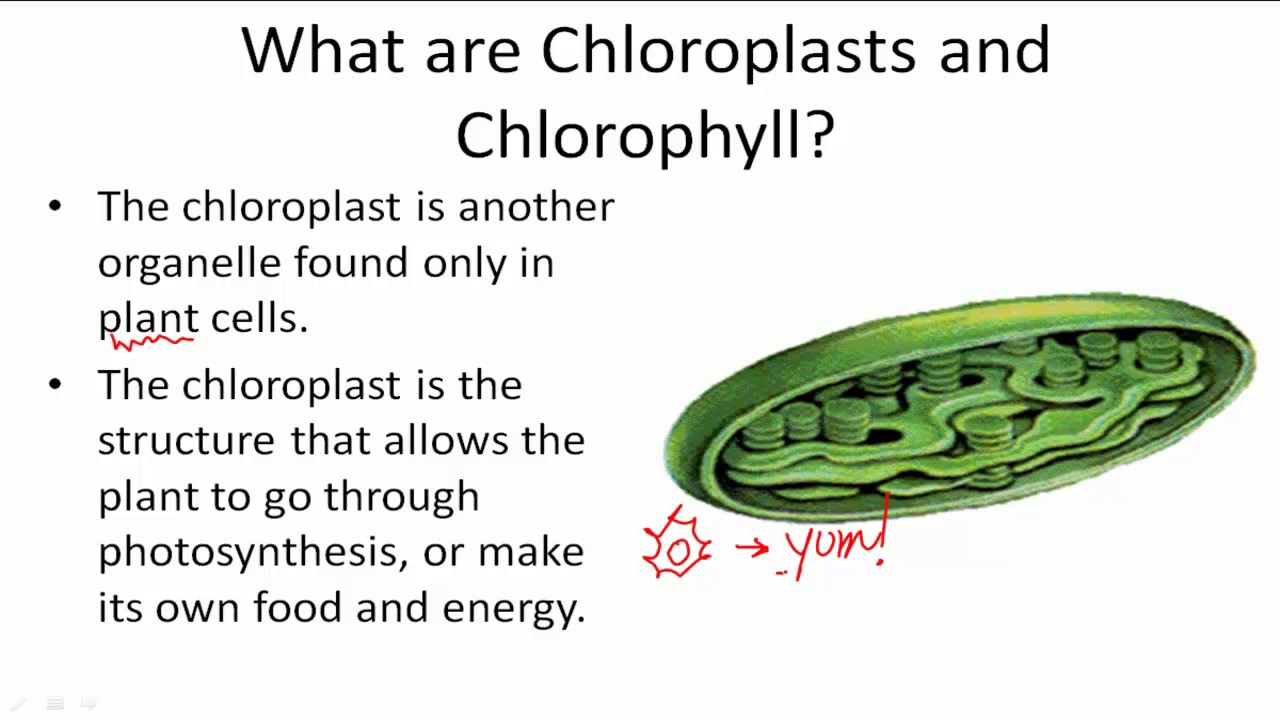
Functions of Chloroplasts and Chlorophyll
CK12
28K views•2017-05-24
Trending

13:38
Biology
Gremlin Arrives… While Dorothy May Takes Another Step Forward
The-moons
10K views•2026-07-23

13:25
Business
Playstation NO DISC/NO BUY Fight Is Over...
DavidJaffeGames
4K views•2026-07-23

16:52
Anthropology
Americans Confused in Australia for 17 Minutes Straight
IWrocker
17K views•2026-07-23

15:34
Political Science
FURIOUS Raskin CORNERS DOJ over Trump DARK PAST!!!!
MeidasTouch
237K views•2026-07-23