Tissues are groups of similar cells with common origin and specific functions. Plant tissues are classified into meristematic (dividing cells at tips, intercalary regions, and lateral regions) and permanent tissues (protective epidermis, supporting parenchyma/collenchyma/sclerenchyma, and conducting xylem/phloem). Animal tissues include epithelial (protection), nervous (neurons with myelin sheath), connective (matrix, cells, fibers), and muscle tissues (striated, smooth, cardiac).
Install our extension to search inside any video instantly.
Tissue : Plants And Animal Tissue One Shot | Biology For Class 9th In English
Added:Hello hello hello everybody very good evening welcome to the session I hope all of you are doing absolutely well welcome to the channel guys this session is specifically for class 9 students and over here we'll be completing the entire chapter that is tissues in one shot before this we have completed the chapter cell as well so just in case you have missed it out or you want to just have a quick recap of the chapter you can always visit that video you will find that in the live section where you will get a bunch shot of that chapter as well. And in this series, we'll be covering all the chapters of your syllabus in one shot. So if you guys feel like you have exams coming around or you have revision sessions that are going around or class test or whatever that is going to examine your knowledge, you can consider this session to be your one-stop destination because we'll be revising all the topics. We'll be understanding each of these topics over here. Right everybody? Hi. We have over here uh okay Krishna hello everybody.
Very good evening. Hi uh yes hello shining star very good evening okay uh so everybody if I talk about today's session what are we going to do obviously this is a one short so we'll have the entire chapter uh we'll have an introduction to the chapter tissues followed by plant tissues and its types and animal tissues and its types now we have got one question ma'am where can we find the notes uh but for the notes for the entire session notes that we are doing over here uh you have to join our WhatsApp channel the link is given in the description box once Once you join that channel, we'll be sharing the PDF over there so that you can access it for your exam preparations. Okay? So, please make sure to join the channel over there and obviously once the class gets over, uh you'll find the notes over there.
Okay, Vita. Now, let's better talk about tissues. And before we even talk about tissues, there is something more important that we need to address that what is a tissue and how and where does it come from. Okay? Like we have studied the first chapter that's called as the cell. Right? So when I talk about cell, what is a cell exactly? It's a smallest structure that gives the rise to all the living forms. It's the tiniest, the most basic unit for the entire life forms.
Right? So when multiple cells join together, I mean I would say similar kind of cell but multiple groups are joining together, they form a tissue.
For example, if I take an example, let's say we have this particular group of cells. Let's say this beta we have just one cell over here. Okay, this is one cell. Let's say we also have another cell in different color. Okay, then we have some other cell over here which is in different color. Likewise, we have some other cell also. So they are individual cells. They are separate separate cells. Okay. Now if similar kinds of cell club together, see they are forming a tissue. This is a one tissue over here which is formed from yellow colored cells. Okay. Say we will have some other group of cells also but they will also form a tissue. This is also a tissue. Okay. Then this is also a tissue. It's made from this particular red colored cell. Likewise we will have some other group of cells also. This is also a cell. So when I talk about cells they are individual tiny units and when they clump together they form a tissue.
And in this chapter precisely we'll be covering all the different tissues present in plants as well as animals.
Okay. Now beta different types of tissues will form organs. Different types of organ will form organ system and different types of organ system will form an organism. This is the level of classification that we see in our case.
Let's say let's talk about plants also.
Let's forget about humans. We are very complex as organisms. Okay. In plants we have different types of cells. Okay.
Then there similar types of cell beta they will start forming tissues. Okay.
Let's say group of cell that's responsible for storing something. they will form one group of tissue. So tissues always have a common origin.
They have a common function. For example, see over here these are a group of cells specifically which are having similar function similar origin also and they are working towards a common function. Let's say they are working towards transportation of food in plants. Okay. This is another group of tissue which is made up of similar cells which have similar structure and function. Okay. Okay, they are also working towards one common agenda. So tissues may we have different tissues.
This is one tissue. This is other tissue. This one is next. This one is next. And in each tissue they have similar cells. See for yellow colored cells there is no other color cell which means they are all similar. So tissue all in all I can say it is a group of similar cells performing a specific function. They should all have a common function. Now if I talk about tissues everybody will agree that ma'am living organisms may specifically multisellular organisms may there will be tissues right plants will also have tissues and animals will also have tissues everybody will agree to this why because we know ma'am animals are all multisellular plants most of the plants are also multisellular right so for multisellular organisms wherever we see we have multiple cells they will form tissues okay so one thing to realize over here is that plants animals Animal Both have tissues but the kinds of tissues will be different because plants have different types of cells. They have different properties. Like plants can make their own food, right? Plants do not move from one place to the other. Plants don't contract their muscles. Plants don't have an organ like heart. They don't have a nervous system. So the tissues in plants will be different, right? Plants can make food. They can't move. So they have special special tissues for that.
Humans or animals, they have different tissues because they can't make their own food. They have a brain. They have muscles. They can't they have to you know be conscious of their environment.
So the tissues will be different. Hi beta shining star.
Okay. Okay. Beta Krishna if you are not able to find it. I'm sure it will be there but hosaka you must have missed because either you joined a little late or something but don't worry after this class I'll share the cell notes as well.
You can find it from there. Uh so once the session gets over both of these notes cells and tissues I will provide it in the WhatsApp channel. Make sure you join it. Now let's understand over here plant tissues. We have plant tissues of two types. One is meristematic tissue and then we other one is called as permanent tissue. Okay.
Meismatic tissue ba they are meant for dividing. They are only meant to divide and divide and divide. So they are basically always dividing. Okay. On the other and if I talk about permanent tissue they have a specific function.
they have a specific function. Let's say uh one example in order to understand this would be till class 10th you are studying all these subjects okay you will study physics chemistry biology social science all the four parts you will study mathematics everything you have to study till class 10th but after class 10 beta you get specified some people will choose science biology some will choose mathematics some will choose humanities some will choose a mix of subjects right so you're going to choose your stream and you will be specifized in that stream for at least the next two years right in the same way till class 10th all these tissue was meristematic which basically I mean to convey that some tissues remain mematic they have no other function other than to divide but after some time some of these meristematic tissues will become specific in their function and they will become permanent can you see better they are graduating now mematic tissue some of them will become permanent and they will perform a specific function over here so this process is called as differentiation. This is called as bacha differentiation where a particular meristematic tissue converts into permanent tissue and acquire its particular function. Meistomatic tissues are of three types epical, intercalary and lateral. Okay. And permanent are of simple permanent and complex permanent.
Okay. Let's write the examples. Okay.
Simple permanent we guys. We have parenya.
We have beta parena.
We have colen kya and we have scaren kima. Okay, these are the three types of beta tissues which are found over here. Okay, then we have complex permanent tissue beta. Over here we have xyllem.
We also have phium.
We also have beta phium over here. Okay.
So these are the different kind of permanent tissues that we are over here going to find. Now let's see this one by one. Plant tissues are basically of two types. One being the meristematic tissues. That means the cells over here are simply dividing all the time. They will multiply to produce more and more cells. Their whole function is to just multiply. In fact, the term meistos means to divide that's all. Permanent tissue on the other hand from the name itself it is clear it is permanent. So it has got a permanent function. It is specific in a function. It will perform some specific function without dividing.
Okay. So they are non-dividing and they are specialized. So beta they are non-dividing. Why are they non-dividing?
Because they have to perform a function.
So we have taken away their power of division because if they will divide also they will do some work also. So they will not give their 100%. Okay. So that is why we have removed other things. For example, if you are choosing science bio in class 11th you will not study maths because that will increase a burden on you. So we are removing maths from their side. Right? In the same manner. Now meristematic tissues or meristem it's one and the same thing meristematic tissue or meristm basically they are helping in cell division. So where will they be found beta obviously wherever there are growing areas in the cell or the plant okay their whole purpose is just to have cell division.
So they will be found in the growing regions wherever we can see the cell is plant is growing. Okay, such as the tips of roots or the stems or the branches, we will find the meistatic tissue.
Sometimes it's also found in the bark and the wood of trees. That's all. Okay.
So, we have all the meristematic cells.
Wherever we find them division, wherever we find the plant to grow in length, in width, in diameter, we have meristematic tissues over there. Plant may mematic tissues are not divided evenly because if it was plant would also show uneven growth. That is why meristematic says they are present in a very specific region that is the tips of the roots, tips of the shoots, branches or in the woody region. Let's say from here over here this will be able to clarify how many types of meristematic and where do we have them? Meismatic tissues. Okay, one of them being the epical meristem.
Okay, one of them being epical meristem.
When I say epical, beta epical means aex. It means beta apex or we can say the tip apex or top or tip. Okay. When we say the apex of the food chain or aex position it means the first or the top position. Okay. Now epical meism you can find it at the tip of the chute. Okay.
The system above the soil is called as a shootute system. So at the tip you can find also in the tip of roots. Okay.
Let's say over here we have roots over of a particular plant. Okay. So in the tip you are also going to find the in this region you will also find the epical meristem because it's the root epical meristem epical means again tip.
So this is the tip of the root. So here also we will find the root epical meristem. Root epical meristem. Okay everybody chim. Now the other kind of meristem that we have is called as intercalorie meism but it is not given in the book but still we'll understand intercalorie meism to understand clinically you need to understand some basic things that the first point over here is that this region through which the branching occurs can you see this point through which the branches is happening in a tree this point is called as node what is this called as this point is called as a node okay this is also one node beta this is also a node this is also a node this is also a node. So all of these are called as nodes. And the gap or the distance between the nodes this particular region that is the gap while region between the nodes but it is called as the inter node. It is called as the inter node. Inter means between.
Inter means beta between. For example we say inter school basketball competition.
Interhouse competition which means between two houses between two schools.
Okay. So nodes beach gap is called as inter node region. inter node while segment. Now this particular intercalorie mem from the name itself it is clear that intercalorie intercalorie will be in the inter node region. Inter node region means this region. Okay this region may you will find the intercalorie meristem. Basically intercalorie meristem actually helps in the development of the branches because it is present at the intercalorie region. Clear? Now the third type of meristem is called as the lateral merist. Lateral means sideways. It means sideways that is lateral. So lateral meristem guys it's actually present at the side region. It's present at the side region. This region beta can you see this region? This region where you will find the lateral meristem which will help in increasing the diameter.
This will help in increasing the diameter or girth of the plant width of the plant eventually. Okay. Now let's see all these points from here. It's clearly mentioned for meristematic tissue we have again of two types.
Epical meristm or we can say terminal meristm. Okay. Present at the tips of roots, stems, young leaves, auxiliary buds which causes increase in the length. It causes the increase in the length of the plant. Obviously, beta.
When the plant increases in length, that's called as primary growth. Okay?
So, if it is increasing in terms of this this length or the root length, it is called as primary growth. But if the plant is increasing in terms of diameter, that is called as secondary growth. Clear? So present if I talk about lateral merist bit, lateral merist is also called as cambium which is present below the bark. It causes increase in the girth. Girth means bit of diameter of the stem which is called as secondary growth. There is also intercalorie merist but it's not mentioned over here. Still you can remember that intercalorie meristem helps in the increasing girth of the plant or the not the girth it actually helps in increasing branches because it's present at the inter nodal region.
Right? Now one more point over here comes in our mind is that ma'am we have meristematic tissues we understand that but what is such special property with the meristematic cells that they're helping in division there should be at least something that is actually helping in the division of the meismatic cells what is so special with them right so if I talk about their specialtity definitely if they're able to divide they have certain properties okay their whole identity mematic cells whole personality is just to divide right so The cells are very small. If the cells are small, division will be easy. If the syllabus is less in the exams, it will be able to cover easily and you will score well. Okay. The cells are usually cubical. Cell wall is thin. UPS. If the cell is small, cell is small and the cell wall is also very thin. The division will be easy.
Okay. The division over here beta will be easy as compared to a cell which is large and whose cell wall is also thick.
Over here division will be difficult because cell has to perform lots of activities to make the cell wall to make the cytoplasmic content. This will take more efforts. So this one is the more preferred cell over here which will make the division easy. And this one is not preferred in the meristematic cells.
plant it's present but it's not present in the meristatic region. Nuclei are actually large over here and vacules are almost absent. Why are vacules absent?
That's a very important point. Firstly, what are vacules? Beta they are the cell organels in plants that help in storing the cells sap. Water, food, nutrients, waste. Okay, these are big water balloons you can imagine. Now if a cell has a very big water balloon like this better to manage this will be very difficult during cell division because meristematic cells they are continuously dividing. Imagine if they're having such a big vacule. So for them division will be very very difficult. It's creating a burden like you are burdened by your school bag because it has a lot of weight. Okay. In the same way these cells mematic cells either they don't have a vacule or have a very tiny vacule. Cells are completely tightly packed. They have no intercellular spaces. No space between the two cells can be seen. They are actively dividing.
Obviously there's its entire personalities to divide. The new cells that are now produced are transformed into mature permanent tissues. What does this mean? Let's say we have certain cells over here. We have certain cells over here. Now they are dividing. Okay.
Now beta they are dividing. So once they are dividing they will form also new cells. Right? Now out of these cells beta some of their cells will form mematic tissues only. Some will be meristematic only. They will only divide. But some will become permanent.
Some will become permanent and they will perform a common or a specific function throughout their entire life. Clear everybody?
Now let's move on to a question. Lateral meristm is mainly responsible for dash.
What is the purpose of lateral meristm?
Uh formation of leaves, increasing in the girth of the stem, formation of flowers or increasing the root length.
Yes, everybody. Quickly, who all can tell me the answer for this one? What is the right answer?
Yes, guys.
Okay, we already have one person who has answered this correctly. Everybody else quickly try to answer this bit.
Yes. Great. If we talk about the lateral meristem, so lateral merist's entire property over here is just to increase the girth. Okay. It will increase the diameter of the plant. That is why it is lateral over here. Right. Next we have permanent tissue. Permanent tissue basically are those beta tissues whose whole property is just to divide uh just to perform a common function. They cannot divide any further. Permanent itself means they have got a permanent job. They have a permanent function. Now they can't perform cell division. Okay.
And these cells they have two properties. They can be living or they can be dead. We'll study about this as well. Don't worry. Right. So permanent tissues are made up of cells which have lost their ability to divide. Okay, they have a permanent shape so that they can perform a permanent function. That's all first thing. Now they can be living or they can be dead. A time they are living so they will have nucleus. If they are non-living they will have no nucleus. If they are living they will have lots of biochemical reactions. If they are non-living they will have no biochemical reactions or no metabolic reactions. Now if I talk about the permanent tissues we have again different types. One being the protective tissue. Okay. Protective tissue means that they are responsible for protecting something. They're responsible to protect the entire plant.
Okay? So in plants beta we have protective tissue which is called as the epidermis. Now ma'am what is epidermis?
Let me tell you. Do you see a leaf over here? This leaf has an entire surface.
Okay. This leaf beta forget the labeling. You don't need to revise the labeling. You don't need to label anything. I'm just explaining you the concept over here with with this. Okay.
This is the entire leaf. Okay. Leaf structure is over here. Now this leaves also need its protection because they go humans we have so many properties. We can run away from a storm or if it is raining we can find shelter but plants are constantly exposed to nature insects grazing animals or adverse weather conditions. So they need some sort of protection. Okay. That is why nature has developed some kind of adaptations for the leaves as well for the plants as well. So for plants leaves we have a additional layer of cells uh you know on the plants that is called as epidermal cells. For example if this is the leaf imagine my hand to be the leaf. Now this leaves the upper surface is made up of epidermis epidermal cells. Okay can you see this region? If I zoom out this region this entire region of the plant if I'm zooming out if I'm zooming this out I can find that there is an upper layer of cells. Okay, these are of your epidermal cells. Similarly, below also we have one such layer which is called as epidermal cells layer. Epidermis we can say. Okay, this is meant for the protection of the uh plants from different kinds of insects, from different kinds of weather, bacteria, germs through which the germs don't enter inside the plant. So this is called as the epidermis first thing.
Second lia this epidermis also releases a waxy substance around it. Just this epidermis releases a waxy coating around it which is called as cuticle. It also helps in the protection of the leaf from germs, from bacteria, from fungi so that they can't enter the plant. Okay. So they have thick cell walls obviously.
For example, if you want to protect your house, you will prepare lots and lots of big walls. The walls will be very very high. So they have very thick walls.
They are found on the surface of roots, stems and leaves for the protection.
Example may you have epidermis of leaves. Epidermis the outer surface of leaf is epidermis that helps in protection. Now this epidermis also sub you know secretes a waxy coating waxy substance on its surface that is a very sticky substance. So nothing comes and sticks on it. Okay. A waxy waterproof material. It secretes a waxy waterproof material. The name of which you will study in class uh 10th. Okay. Now one more thing beta you know bark of the tree bark bark yeah it is the trunk or the chal in Hindi we call this as chal okay so this region of the bark it also has some cells which are waterproof which are water resistance okay if I'm picking one cell from here let me just take one cell from here it's made up of beta some thick substance inner inner side this is got thick substance that is present inside it this is called as suberin Okay, this substance inside is called as suberin and suberin is actually a waterproof material. It is a waterproof material. So doesn't let the water enter inside the trunk. So that germs also don't enter they will just move outside.
Germs will only move outside because they will not come inside. Okay, since water is also not coming, germs are also entering inside the trunk. Okay, I'm just drawing one cell over here, but you have so many cells. Okay, just one cell I've drawn. But all of these cells will push the bacteria or germs away or outside. Okay, this is called as suberin. Now barks also contains strong waterproof material that is called as suberin that will you know repel all the bacteria and the germs. Then next up we have supporting tissue. Supporting tissue from the name itself it is clear will support the plant. So we have of three types again we have parenya colenya as well as scarena these are the three different types of supporting tissue protective was epidermis again a waxy substance around the epidermis and then other one was on the bark that was fuberin right but in case of supporting tissue we have three different types one being paranya if I talk about parenma paranya is actually responsible for food storage okay or storage of something in general is done by parenya for example you also have lunchbox box. You also have containers, you have refrigerators that store something. In the same way, parenime is actually meant for storing something. So if I talk about their properties, they are large and thinwalled cells. Can you see the cells are very very large? It's quite a large cell. And the cell wall is thin. See, it's not very thick. It's very thin.
Okay, the cell wall is very thin over here. Okay, cell wall is thin. And they can be different in shapes. They can be circular or polygonal basically means different shapes. They can have different sides. They can have a large single vacule is present. Right? Single vacule means only one vacule is present.
Then they are found in the soft parts of the plants. For example in the cortex or in the pith. Most important function of parenya actually is to store food. They are responsible for storage. So one thing that whenever you read about bita you have to always recall parenya is responsible for storage. So their entire property is to store food. Okay. They provide temporary support. Not always, but sometimes they also provide support.
The major purpose, the primary purpose of, you know, their entire structure is to store food. For example, your primary purpose is to study. But sometimes you also help your parents in household course, right? You sometimes help them in cleaning or maybe cooking, but your primary function at this point still is studying. But sometimes you can do other activities as well, right? Then we have cola. If I talk about cola, please remember it provides strength and flexibility. It provides flexibility.
Have you ever seen a leaf? Right? If you have seen a leaf, I'm sure everybody must have seen a leaf which is attached to a stem. Okay? This is called as a leaf stock. This is called as leaf stock.
Stock means something that attaches to the stem. This is called as a leaf stock. This stock region bit it is attaching the leaf to the stem. Okay, you know in winds in air when it's thunderstorm the leaf can move like this. Why is it able to move? The reason is this stock is attached to the stem with the help of colen ka. So this colon ka structure beta it's actually providing flexibility so that the leaf can move like this. Clear? So it actually provides flexibility to the plant tissues. It's made up of cells which are elongated and the cell wall is thickened but only at the corners. See the cells are elongated. The cells beta they are very elongated very lumbbe cells very long in terms of the length.
Now their cell wall is thick but only at the corners only at this region only in this region they are thick. Only the corners are thick. Can you see over here again the corners are thick. This corner this one. So the corners remain thick.
Everything apart is evenly distributed.
Only the corners are thickened over here. They are found in the leaf stocks.
Leaf stock obviously it provides flexibility below the epidermis of stems. Obviously below the epidermis is over here under the epidermis of stems.
Okay. They help support the plants of a basically support is one thing that they do. But again the major property is to provide flexibility as well as strength.
Then we have scaren which is scaren I'm sure you must have seen. I'm not like that cells you don't see but if you have seen a coconut coconut has a thick thick outer covering almonds not almonds walnuts if you have seen beta they have all uh deposition of scleranca cells okay so scaren kima is actually made up of dead cells is completely a dead tissue I would say but it provides stiffness it provides hardness it provides rigidity to the entire cell so this cell basically are long narrow I mean narrow means that they are very very pointed they don't have a thick Lumen the inner space is very less. So we are calling the cells to be long narrow cells which have become dead.
Okay they have no protoplasm inside it.
Dead mean again there is no nucleus no protoplasm. They don't have any biochemical reactions happening inside them. They have very thick walls very thick cell walls because liggonine is deposited. Liginine met is deposited.
For example, if this is the long narrow cell, it will have over here thick deposition, it will have thick cell wall because it has beta lot of deposition of lignen.
Ligin as a material is deposited which is very stiff and ultimately this lumen luin means free space it is reduced.
Okay, that is why it's very very having less space inside. Now this ligign meta provides stiffness because it's very hard something is very hard it provides rigidity provides strength. So this provides strength to the plant parts.
It's found in the stems as well as the veins of the leaves. Now you have to answer this one. What does colenya provide? Colen provides dash I mean obviously uh transport flexibility support storage or photosynthesis. What is the right answer over here everyone?
Yes, very good. Colen Kima actually provides us not transport flexibility and support as you know below the epidermis it's being found or also in the leaf stock we can see. Next question cells are living thin wall dead with liified cell walls or flexible. What is the right answer over here everyone? What is the property of these scenarified cell walls? They have ligignin deposition in the cell walls which actually help them in the providing rigidity or stiffness. They're not flexible but a colon kima is actually stiffness. Cola is actually providing rigidity or I would say flexibility rather.
Okay. tell you then we have conducting tissue. If I'm talking about conducting beta, conduction means to help something move from one place to the other. Okay?
For example, if I am saying I'm conducting a test in that I will distribute all the question papers to different students of the class, right?
That is called as conduction of something. That's called as distribution of something. So when I talk about conducting tissues, they are actually responsible for transporting something from one place to the other. Right? So conducting tissue is also called as a vascular tissue. It is responsible for the transportation of water, minerals as well as food through the plant. Okay.
Now it is made up of two components xylem as well as phium which together forms the vascular bundles. Beta let me explain this term to you. How is it actually present? Okay. Let's see. We have we have beta vascular bundles or let's add bita vascular tissues. Okay. Vascular tissues may we have vascular bundles. We have vascular bundles. Okay. And vascular bundles beta we again have two types. We have xyllem and we also have plium. Okay. Now please focus over here carefully when I'm talking about uh vascular tissues. So vascular tissues ma what do we have vascular bundles for example I just have one pen right now but imagine I have 10 p pens in one hand and I have 10 pens in this other hand so they are forming a bundle right I'm sure you must have seen your teachers carrying bundles of notebooks or your also teachers might be carrying bundles of your exam sheets answer sheets so bundle has multiple things right so we have different bundles in vascular tissues okay so we have one bundle which is made up of xyllem the other bundle is made up of phium Okay, xyllem conducts basically water with minerals. Okay, it conducts water and minerals. Okay, and phium conducts food. Okay, please remember this one. Beta xylm conducts water minerals. Flam conducts food. Some students saying that ma'am minerals are different, right? But minerals actually are not food. Beta mineral is actually dissolved in water. For example, if you're drinking electrolytes, so electrolytes beta there are many many ions, right? There are many minerals. So what is that? In water only it gets dissolved. In the same way the minerals like potassium, nitrate, sulfates they are all dissolving inside the water and then they are being moving upwards.
Okay. Second we have phium. Flammium helps in the transportation of food. How can you remember? In order to not get confused beta phium starts with fur and likewise the pronunciation of food is also from fur. Okay. So remember phium and food are basically together. Now xyllem. Xylm actually is a complex tissue. What do I mean by complex permanent issue? We have studied about simple permanent issue, right? Simple permanent issue. Uh beta if it is boring then why are you here? I think you might have get better jobs to do, better things to do. So please invest your energy over there instead of spending time in something that you find boring.
Right? Okay. If I talk about a complex tissue, simple tissue actually is made up of only one type of cells like a paranka, colona, selena. They have similar types of cells. But when I talk about xyllem, it's called a complex permanent tissue. It's permanent which means it has a particular function. When I'm saying it's complex, complex means it has many different types of cells.
Okay, for example, let's just understand complex we have xyllem and phium. Okay, so see xyllem we will have some some cells like this. Okay, the other ones will be like this.
Then we will have some cells like this.
Together they are called as xyllem. So in xyllem we are having different kinds of cells and that is still a tissue. You might think why is this a tissue?
Because in a tissue you just now explained only similar types of cells are present but you have different types of cells but they are complex that is why they have multiple different types of cells. Right? Now over here in phium also it's a complex permanent tissue.
Okay. Fium also you will find many different cells like this. Again the same principle applies that yes I know there are different types of cells. So why are they calling as tissue? Because they are complex. They are complex beta.
They are difficult to understand. Right?
So they have different types of cells over here in this tissue.
Now if I talk about xyllem basically xyllem conducts water and minerals from the roots obviously because roots have the property of absorption of water. So roots may we see that there is actually xyllem. Roots beta we have xyllem that will conduct water to different parts of the plants. Okay. Okay. So you what do we have? This xyllem actually conducts water. Let's say this is the xyllem and xyllem helps in the conduction of water and minerals from the roots to the different parts of the plants. It will conduct it to different parts of the plants. Obviously the direction of transport will be unidirectional because it will transport from the roots to the different parts of the plants. So it's a complex one because it's made up of more than one type of cells. conducts water and dissolved minerals from the roots to the different parts of the plant. So basically it's an upward direction. I can say that this is unidirectional that this is unidirectional.
Uni directional. Okay. Then we have provides mechanical support. It also provides support to the plants because it's made up of long long pipes. So definitely it's actually helping in creation of support to the plants. Okay.
Next up we have in older plants xyllem actually forms wood which doesn't transport water. That's again one of the most important points right? Okay. Yes.
But a zyllem actually there is a kind of capillary force that pulls it upwards.
Okay. Now xyllem actually consist of different types of cells. We have tracheids vessels. Xylm parenma xyllem fibers. Okay. We have these different kinds of cells. Okay. Trache vessels are the main that conduct water. Xylm paranky stores and xyllem fibers help in the mechanical support. But let me tell you something more important over here that is that only xyllem paranka is living. Xyllem parenma is living rest all are dead beta. They are all dead.
Okay. Now since all of them are dead I mean three out of four are dead. So xyllem in all is called as a dead tissue. Zylm is called as a dead tissue.
Okay. Now let's see the different cells of xyllem. We have tracheids and vessels. Trachees it is made up of cells which trace beta it's made up of cells which are elongated and dead. It's basically elongated and dead cells. Can you see over here? Beta these are the tracheids.
These are long cells which are elongated. They are dead as well as they join from one end to the other. You we'll have other cells. Over here we'll have other cells. So they are joining end to end from one cell to the other right this is about tracheids they overlap from one end to the other end and they have ligignified thick cell walls they have lignified thick cell walls again with a tracheid as you know they are dead cells what's the whole purpose they conduct water and minerals and sometimes they also provide mechanical support sometimes they can provide mechanical support also to the plant because they have thick cell walls because they have thick cells wall okay then we have vessels vessels are basically tube structures. As you can see from here, they have tubes like structures. Perforated plates are present so that the water actually can move from these structures to the next tube. Okay, it can move from these structures to the next tube. So they have basically long tube-l like structures. Again they are dead cells, right? They are dead cells which are placed end to end. All these cells apart from xyllem paranya they are eventually dead only and wherever you find them that they are dead. So what happens?
They're having hard lified cell walls.
Right now their main purpose is to conduct water as well as dissolve minerals. Trache vessels both of them primarily they conduct the water minerals but some extent the tracheids also help in providing mechanical support but that's their secondary function or primary function. Xylm paranka like I said parenma wherever you see it's responsible for storing something. So you have parenta will actually store something but it has xyllem over it. That means it will store water. Okay. So it's actually made up of parenya living cells and their entire function is to store food over here some in some extent. Okay. And they basically help in the conduction of water as well as minerals to some extent they store food as well as water and mainly conduct water as well. Xyllem fibers they are dead as you know. So they are made up of dead scarenma cells. If there is sclera the cells will be long narrow they will have ligignified cell walls. Okay that will help in providing mechanical support to the plant. So majorly the mechanical support or strength is provided by xyllem fibers and to some extent your um trace can also provide mechanical strength but they will provide it secondarily. Okay primary function will be obviously conduction of water. These are xylm parenas and this is your xyllem fiber. Now with xyllem element provides mechanical support for vessels parenta trache or companion cells.
Okay.
Uh beta Krishna it's not only transpiration let me tell you transpiration definitely creates a suction pull or a transpirational pool but apart from that there are also additional forces like adhesion cohesion capillary action they help in the movement of water upside. Okay. So once transpiration has happened it will pull definitely the water up but the water will move in column by adhesion cohesion also by capillary action also. Okay.
Yes. And it's not that in one go the entire water is evaporated and all the water is pulled up. It's a slow process.
Water keeps on evaporating the column of water moves up. More water evaporates more water moves up like a straw. If you drink a little some water will move up.
If you drink more it will move up more like that. Okay. Now which xyllem element provides mechanical support? We have two of them. We know major one is fibers. We have xyllem fibers being the major one. Okay. Major one. We also have tracked which is less. We also have it a tracheids which is secondarily providing it. Okay.
So the correct answer should be ideally xyllem fibers but you don't have that in option. So the correct answer will be as per this option option C trace. Okay. If they were giving xyllem fibers that would be a first priority but if not the xyllem fibers uh then there will be tracks. Now talking about phm. If I talk about phm guys help in the conduction of food as you guys know. Now beta food is prepared in the leaf. Take a leaf is called as a kitchen of the cell. So this food needs to go in downward direction also for the roots and in upward direction also. So eventually phium is the one that will transport the food in both directions downward as well as in upward direction with the help of energy. So it helps in the upward and downward movement of the food to different parts of the plant. So if it is downward upwards both I can say that this is birectional. This is birectional means both the directions. by means two.
So I can say this is a biirectional or both directions where there will be transport. Then it has safe tubes, companion cell, flamm and phium fibers.
Okay. So if I have to talk about this bit particularly flow me all of these are living.
All of these are living and only phium fibers are dead. Okay. So overall we call phium as a living tissue. It's a living tissue because phium se tube companion cell phium paren they're all living. Three out of four are living. So ultimately it happens to be a living tissue because only phium fibers are dead. Now CF tubes CF tubes and companion cells. Let's discuss something. CF tubes being the major cell that help in the conduction of the food.
So they are made up of elongated living cells placed end to end which form tubes. They have transer you know transverse wall or se tubes that are perforated. Perforated means having pores. Just you can see from here that it has pores over here. Can you see this particular structure? This particular central structure beta. These are all the se tubes. These are the se tubes cells. These are se tubes. Okay. Now in this se tube beta this was one cell.
Then it had a plate like chney seieve.
Okay. Then this is one se tuba. It has also one chney or seieve. It has also the other one. How will they help? They will simply help because food can move through these pores downwards from one cell to the next from one cell to the next through the help of C4 pores. It can move in downwards direction or in upward direction wherever it is required. Okay. So these basically have se tube plates which have se pores. They have se pores. Clear everybody? Okay.
Ch. Next let's read about it. They help in the transportation of food. Already prepared food. Okay. two different parts of the plant that is known as transllocation. So the transport of food precisely we call it as transllocation instead of simply calling transportation right. If I talk about companion meta companion means dost means friends.
Okay. So who are the companions beta?
Who are the companions? They are your friends. Okay. They are the ones who will help you in all times if you are good friends. So companion cell basically they are living cells. They are present with the seaf tubes. Okay.
So how are they present? I will explain this proper function to you over here.
Let's say we have a cell. Now we have a leaf. Uh okay let's just do like this.
We have some cells over here beta they have made their own food. They have prepared their own food. Right? Over here we have long se tube elements. We have se tube elements. Over here we have perforated plates also. Okay.
We have it perforated plates also. Now see what happens. These are the safe tubes. around them. Guys, we have companion cells. We have met up companion cells present around them.
Okay, these are the companion cells. You know what happens? The food, the food that is present over here in the cells, the food basically present or prepared in the cells, it directly doesn't come into the se tubes. It directly doesn't come into the se tubes. Okay? The foods comes to the companion cell. It comes to the companion cell first. Companion again means a friend, right? Like you guys know ma'am, companion means a friend. Companion cells are basically friend cells and these around them they are the safe tubes. So these ones are the safe tubes. Okay. So then from here through the companion cells the food will enter inside the se tubes. Okay. So companion cells are actually taking the food first from the cells and then giving it to the seaf tubes. Clear?
That's why they are friend cells because they help in taking something and giving something to the other. Right? Next, they help in the functioning of seaf tubes. They help in the functioning of seaf tube cells and help them in transport. How will they help them in transport? They will take the food from the cell and then give it to the se tubes. Okay. So it's like that. Uh then we have phium parena. Parenta again would mean bit something required to store but they are phium parenma. So they will basically store phium living parena here because they have living cells and they store the food like starch fats and other organic food.
Phium fibers fibers as you know they are dead. They are the only dead cell of phium. So they are made up of dead scarenma cells. Okay. And what is the function of fiber which are fibers are very thick because they have scaren cells. Right. So they have thick scaren cells which have thick lignenica cell wall. They help in providing mechanical support and strength to the plant.
Simple to understand. You have xyllem tracheid vessel majorly conducting water. Trache to some extent can help in support also. Okay. Then you have xyllem paranka and xyllem fiber. Zyllem parenma it's living. So it will basically help in the conduction of water as well as minerals helps in storing some amount of water and food also. Xylm fibers dead.
So they will help in you know storing or providing strength rather because they have slain kima cells. Flow you have beta again seie t t t t t t t t t t t t t t t t t t t t t t t t t t t t t t t t t t t t t t t tubes as well as these companion cells major cells for transporting water for food. Companion cells are associated with the se tubes only. Okay, and se tubes there are se pores also that will help in the movement of food. Uh apart from that you have xyllem paren responsible for storing the food and sorry phimpa for storing the food and phium fibers that will provide the mechanical strength to the plants because they are anyway dead.
Now the perforated transfer walls in the safe tubes are called as dash. They are called as dash. Okay. How to make video discussing how to definitely I'll make a video regarding that Krishna. How to write the answers?
How many are you from the victory badge beta?
How question come beta? The questions can come in the form of MCQ from the form of diagrams from the form of I would say match the following explanatory difference between are the major questions over here difference between this and that how to compare these two particular types of tissues they can come in this form also take Vanch some of these questions I have already taken over here also CF tubes pores they are generally called as se plates they are called as se plates which have se tube pores next we have animal tissues plant tissues are done now we'll move on to the Okay, you are from radiant. Very nice beta Sanjit.
Very radiant in English. Radiant English batch.
Okay, now we'll move on to the animal tissues better. Animal tissues are of different types. Okay, again let me tell you whether animal tissues will be different from the plant tissues obviously because animals can move from one place to the other. Animals have their own nervous system, reproductive system, right? So basically their tissues will be very different also.
They have better epithelial tissues.
epithelial tissue.
Then you have nervous tissue, nervous tissue, connective tissue and we also have muscle tissue. So these are the four types of tissues beta that you have to study in brief only. They're not giving a lot of detail about these tissues. So please don't worry ma'am how much will be the syllabus? very limited syllabus only. You have epithelial, nervous, connective and muscle tissue. These are the four types of tissue that we'll be studying over here right now. Clear everybody? Okay. Very bit Sanjit. Very nice.
Epithelial beta. Epi means outside. EP means outside beta. So epithelial tissue actually helps in protection. It is making a covering. It's present outside.
For example, we have a surface over here. Beta. Our skin also has epithelial cells, right? They are providing us a surface to be protected from something.
So they are present outside as a thin protective covering in the form of cells. For example, if you cover your books, if you have a phone cover, if you have the cover of a car, all of them are actually responsible for providing protection. Likewise, epithelial tissue is very thin which helps in protection.
Okay. Now, something has to be protected. So, they all have to be present very close to each other. The cells have to be close to each other.
Right? For example, if you have to pack a luggage or if you have to pack your suitcase because you're traveling somewhere. So what will you do? You will keep the clothes very close to each other. There will be more space. You can protect all these things. Okay? In the same way epithelial tissue cells they are very close to each other so that they can protect the surface. That is why they required for protection.
Imagine if the cells are present like this. Cells were like this. But how will they protect? Germs can enter through this region. Now the cells are not very far away. They are very closely protected like this. They are packed tightly where there can be no space for the transport of sperms or for any kind of germs or from any kind of fungus.
Tell you the cells of epithelial tissue fit tightly together leaving no space between them. Okay. Shape could be flat, cuboidal or columner. Okay. Shape could be again flat, cuboidal or columnar because with the help of structure beta you can reme remember these functions.
An I will tell you the structure and then you can remember each of these functions. Okay. They help in protection just like our skin absorption of the food as well as secretion absorption.
But if you have to absorb something the surface must be very very thin you can absorb now. Then sensory perception in order to visualize in order to hear we have epithelial cells over there also.
Now the first one is basically squamus epithelium. Squamas basically means only a single layer of cells or we can say flat cells. Can you see we have very flat cells like this as the image is depicting. We have flat cells. These are just one layer of cells. Let's say there is one layer of cells like this.
Okay. They will all have a nucleus.
Okay. This is epithelial cell which is square epithelium. But this membrane below them is called as the basement membrane. This membrane below them is called as the basement membrane.
Basement membrane. Now through the basement membrane beta you know what happens? Nothing can move upside like this. The basement membrane will avoid the blood vessels can enter over here.
Okay. Basement membrane will support only the blood vessels to stay below.
They will not allow the blood vessels to reach the cell because basement membrane is creating a barrier. Right? So all the blood vessels they're actually present over here till this region below the basement membrane. So all the transportation will happen across the basement membrane. Okay. This is a simple square epithelia. Right. Let's know now study about this. They are thin flat closely plaqued cell which have a prominent nuclear. Prominent basically means visible nuclear as you can see.
Where are they present? Wherever there is a space beta they are present over there. Mouth cavity. Cavity means space.
Buckle cavity. So inside the mouth we have an entire covering of the epithelial tissue over here. Simple squamus epithelium. Nasal cavity. What is nasal cavity? In the nostrils you have space. There also you will have squamus epithelium. In the blood vessels and in the lymph vessels also beta you will have squamas epithelium over there.
Let me tell you how. Let's this is the blood vessel. Okay. In the walls of blood vessel you have very thin cells over here. They are your simple squamas epithelium or simply you can call them as squamas epithelium. This is how they are present. Okay, very thin. So their primary protection is to protect the tissues from mechanical injury, germs and harmful chemicals. Then we have cuboidal epithelium. Cells were basically cuboid shapes and again the nucleus is prominent. Can you see better? The cells are of cube cube shape over here. Let's see. This is the cell.
This is the surface on which the cells are present. The cells are cube shape.
Beta they are cube shaped.
They again have a prominent nuclei.
Again they will also have a basement membrane and only below the basement membrane you will get the blood vessels.
The basement membrane is common in all the let's say uh epithelial tissues.
Right? So they are present in kidney tubules glands salivory glands duct and pancreatic duct. Okay. Their purpose is to secrete as well as absorb. To absorb something to retain something or to secrete to release out something you require cubuidal epithelium. Then we have columnar epithelium. Columnar from the name itself it is clear bit. The cells of the columnar tissue. Uh let me just draw over here. They are column shape. They are long tall cells. Okay.
So they are columnar like this.
They are columner like this. Okay. Again they have a very prominent nuclei.
Column cells here tall cylindrical brick-like cells arranged vertically.
Vertically means the standing position where they are present right they are in the lining of stomach as well as in intestine help in the absorption and secretion. So cubuidal columnar both are helping in the absorption and secretion.
If you guys can see over here okay both are present beta in the absorption as well as the secretion. So CC cells you can remember columnar as well as cuboidal they both help in the uh absorption and secretion purposes. Then you have stratified epithelium. But a stratified epithelium if you have to talk about it's actually like a surface.
Strata basically means layer. Stata means layer. So for example we have a layer over here.
We have a layer but it will have multiple types of epithelial cell. Like in squammeras you have flat cuboidal may you have cube shape column may you have column shape. But in stratified you have different shapes. Okay. For example, you might have square cells. You might have cube shaped cells. You might have columner cells like this long cells.
Okay? So, it will have different shapes of cells beta. Okay? So, it's made up of different layers of epithelial cell which is present in the skin as well as in the cornea of the eyes which helps in protection against ver and tear as well as mechanical injury. So, SS squass as well as stratified you can remember protection from mechanical injury, germs, right? and CC you can remember by absorption and secretion. Clear everybody? Next this nervous tissue better. If you have to talk about nervous tissue, nervous tissue is actually the one that's helping you sense everything. If you're able to see me, watch me, listen to me, hear me, you require something that can help you sense everything and that is called as the nervous tissue. Right? So nervous tissue may basically you have the nerve cells as the basic unit. Nerve cells I hope you remember that they are the longest cells in terms of the length right we have studied this also in the chapter cell I think right they're the longest cell especially in humans which is made up of long elongated cells called as neurons right they are your nerve cells okay now see over here beta neuron diagram they can be asked in the exam to draw very famously and very easy diagram also they can be asked they can ask you for drawing this particular diagram in the exam board exam right As you can see from the diagram, it's not a simple type of cell. Just give me a water break beta. It's not a simple type of cell, right? You don't see it in the form of a sphere or in the form of a comma or in the form of any other shape.
It's actually a very long cell which I will discuss with you right now. Just give me a 2-minut water break. Not even 2 minutes. Just a few seconds.
Okay, let's get back. See again every cell a ukarotic cell will definitely have a nucleus. This is a ukarotic cell.
It has a nucleus. Beta it is having a nucleus. Can you see? This is a nucleus.
Around the nucleus we have the cytoplasm. So this is the cytoplasm.
This is not a cyto actually. This is the cytoplasm. Okay. This is basically cytoplasm, right? And cytoplasm and nucleus are together called as the cell body cyon or pericarion. Okay. The nucleus as well as the cytoplasm around it. It's called as the cell body siton or pericarion or we can also call it as soma. It's also called as beta soma.
Okay, we have the four names for same thing. Pericaron, cyon, cell body soma.
Now the next point is that these cytoplasm are not just present in a spherical fashion. It's elongated like this. But a cytoplasm is extending. And why is the cytoplasm extending? Because the cell membrane is not circular. Cella membrane is not circular. It is extending like the roots of a tree. Like the branches of a tree also you can memorize. Okay. So these branches they are called as dendrites. These branches are called as dendrites. Okay. And this trunk this trunk this particular region beta this particular region is called as dendrons. It's called as dendrons. For example we have a trunk like this. Okay. And over here we have branches.
Over here beta let's say we have branches you beta we have a branch you over here like this. Okay. So the main trunk the main trunk betite is called as dendron and these branches they are called as dendrites. Clear everyone tell you now from one end you will have this membrane extending in a long tube like fashion which is called as exxon. This long tube is called as exxon. Exxon will end in exxon terminals or we can call them as nerve endings. Right? Some neurons also have a thick deposition around them.
Okay? In some neurons you also have some cells around them. The exxon. So these cells these orange colored cells basically they are called as schwan cells. Schwan cells are basically depositing over here. These are basically the sha cells. So whenever sha cells are present they are creating a thick covering. they are covering a thick covering and that thick covering is called as myelin sheath. This thick covering ba it is called as the milein sheath. So these cells are basically the shon cells and the covering is called as the milein sheath. Done everybody. This neuron is called as a mileinated neuron because it has myelin sheath around it.
It has myelin sheath around it. Done.
Done everyone.
Now solve this question.
Answer this one. Myelin sheath is formed majorly by dash. How is the milein sheath formed? Osteoccytes, swan cells, fibroblast or platelets. How is the myelin sheath formed or it is developed?
Osteocytes, Schwan cells or what is the correct answer over here?
Yes, everybody.
Quickly quickly.
Okay, everyone. Yes, B is the right answer. Scan cells deposition. So, we have the formation of a milein sheath.
Very good beta. Now, let's read something about the nerve or the neuron cell. Each nerve cell has a cell body called pericarion, cyon, soma, anything that you want to. It will have the nucleus also. Cell body will have the nucleus. It also contains one or more elongated hairike extensions called dendrites. And the main branch of dendrite is called as the dendrons. One of these extension is called as the exxon which is very long and sometimes as long as 1 meter also it is as long as 1 meter. Exxons which are bundled together will form a nerve. What does this mean? So let's see. This is the saiton. These are the dendrites. This is the exxon and this is the exxon terminals. Okay. When many of these are joined together when many of these beta they are joined together they will together be called as a nerve. uh they will together beta together they will all be bundled and they will be called as a nerve. So when they form a bundle together they are called as nerve. Yes beta squan cells is the right answer over here. Next we have connective tissue. Connective tissue basically are the tissue from the name itself it is clear it's helping in connecting something right like we have connecting nokia connecting devices you know it was a logo or slogan sometime back in the day. Like this connective tissue helps in connecting something. For example, if we are eating food, it's only going to the stomach. If we are breathing, the gas is only going to the lungs. Or if we are let's say uh excreting the food materials. The waste is only collected from the kidneys. So it's important that every cell of the body reaches you know every the food reaches every cell of the body. Oxygen reaches every cell of the body. Waste is collected from every cell of the body. So for that we require a circulatory system. Everybody circulatory system is basically a system that will connect or bind one tissue with the other and also connects various organs to keep them together in their place.
Today we have a kidney over here, tomorrow they at the place of the heart and heart is coming at the kidney region or lungs are just moving from one place to the other. That's not happening because connective tissue is keeping everything in position. It has three characteristic features like it has matrix, it has cellular elements and it has fibers. These are the three components of the uh connective tissue.
Matrix means basically the ground substance on which everything is present. Cellular elements basically means cells and fibers basically are responsible for solidifying something.
So the more solid the tissue is more fibers are present. Okay.
Now let's see the classification.
Connective tissue we have connective tissue proper which have a edipose and fibrous connective tissue. Okay. Then we have supportive connective tissue which we have cartilage and bone and fluid connective tissue in which we have blood and lymph. Don't worry I will take you through this one by one. Let's move to connective tissue proper firstly which has aular eddipos and fibrous. See over here beta see over here. Aerular connective tissue. Aer connective tissue. Can you see the image? Are you able to move your skin like this? Can it move like this beta? Is it elastic? Yes or no? It can change its shape. It can be contracted easily. It is because it has aerola. Aola coming from air which means it has air spaces. So it can change the shape slightly. That is your aular connective tissue. It is what a connective tissue proper. Okay. Then we have fat adipos tissue or fat tissue.
Okay. But it is edipos or fat tissue basically means it's present under the skin to store the fat. It is present in the skin to store the fat. Some people have more edipos tissue. Some people have less edipos tissue. Okay. So it has basically adiposytes which are the fat storing cells. These cells are under the skin which help in the storing of fat.
These are the edypo cells. And then we have fibrous connective tissue which we have with a tendon and ligament. See from here with a ligament. Ligament is actually joining two bones together.
What does the ligament do? It joins two bones together. This is one bone. This is the other bone. And what is the ligament doing? It is joining the two bones together. Okay. So if two bones are present like this they will create friction. They will not be able to move.
So we have ligament as a cushion between them. Okay. Ligament is a band of fibrous tissue which connects bone to bone. It connects with a bone to bone.
How can you remember ma'am? With the help of a trick we have BLB. The trick is called as which B LB. That means bone to bone is connected with the help of ligament. Okay. Then we have tendon.
Then we have it a tendon. A tendon. You know what does it do? It connects muscle to a bone. It connects muscle to a bone.
Let's see over here. We have this as the bone and beta. This is the muscle. This is the muscle. How are they joined?
Ma'am with the help of tendon. This is a tendon. So with the help of tendon beta muscle and bones are being joined. So can I write the next trick to be MTB?
Muscle to bone is joined with the help of tendon. Okay, this is how you can remember the simple trick. This is was your connective tissue proper. It is not a fibrous. Oh yes, it is a fibrous one.
Okay, so tendon may we have fibrous tissue that connects muscle to the bones. Done. BLB and MTB. Now let's read this bit. Aular connective tissue may we have the first one that is normal skin cells. It is a widespread connective tissue which is basically in the epidermis of the skin which makes the skin elastic and it can helping in withstanding the strain also. Sometimes when you exercise you can get a strain.
So it helps in protection of that. Then we have edipos. Edipos are basically fat storing tissues because it has specialized cells called as the ediposites that will store fat beneath the skin beneath the skin bit. Everyone has different amount of the fat tissues.
Some people have more some people have less. Okay. It acts as insulation for the body heat. Insulation means better if somebody has more amount of fat. So the heat will stay in the body. They will not feel cold easily. But if some people have less amount of edipost tissue, they will feel cold quickly because there is not less insulation.
There is not a good amount of edipost tissue to restore the heat to retain the heat. Okay. Fibrous connective tissue where we have uh tendons as well as ligaments. Okay. Tendons will connect muscle to bone MTB and ligaments will connect with bone to bone. It will connect bone to bone and hold them in position. That's all but that's all. Now a person person has excess fat deposited beneath the skin which also helps in retaining the body heat. Which tissue is involved over here? Which tissue? Aular edipos fibrous or nervous? What is the correct answer guys?
What is the correct answer?
Yes, everybody.
Yes, but connective tissue mah if it is connecting different parts of the body.
It is carrying all the food from the stomach or the intestine to different cells. It is carrying all the oxygen from the lungs to different cells of the body. It is carrying waste from the kidneys also from every cell also. It is also helping in the uh what do I say transportation of substances hormones gases. So it's actually a connective tissue because it is connecting different body parts connecting different cells. It's connecting all the stomach organs to the different body cells. Now it's taking something away but it's connecting everything. So that is why it's a connecting tissue. Okay.
So for this one it has different amount of fat. We have adipos tissue. Adipos responsible for storing the fat. Right answer.
Next we have which tissue makes the skin elastic? Elastic basically means stretchable. Edipose, fibrous, aerular or bone. What is the right answer over here guys? Which tissue is making the skin feel elastic? Any doubts you guys can answer ask? If you're having any problems, anything that you want me to repeat, please let me know. Ba, please let me know whatever your problems are so that I can just reexlain that portion.
Yes, for this one we have elasticity which is being provided by the this elasticity which has been provided by the aerular tissue. It has air spaces which provides elasticity.
Next we have supportive connective tissue like we studied over here in the flowchart. Okay, we have done connective tissue proper. Now we are moving to supportive tissue cartilage as well as bone. Okay. beta see if I talk about bones. Bones are extremely extremely long in length. Sometimes even if they're small, they are very hard substances. Okay? They are very rigid.
They can't change their shape. They're not elastic at all. But cartilage on the other hand, they're very very soft.
Okay? Cartilage is present in the ear also. That's how you can squeeze your ear like this. It's present in the nose also. Okay? Uh in fact, cartilage is also present in the trachea. C-shaped cartilage. I hope you guys remember this from your basic classes. And so cartilage is quite flexible. It's quite soft. But bones on the other hand, you can't squeeze a bone. No matter how much you try, it will either break off apart from you know just being contracted or just because they are not able to squeeze up because that they have a very very stiff substance, stiff matrix inside them. So cartilage it's a non-porous tissue. It has no blood or nerves. Okay? It has a thick matrix.
Just remember it has a thick matrix. It is elastic. That's why I said you can squeeze your ear. Nose tip can also be squeezed in the tip of the nose. You have it in the external ear. You have it in the trachea or the wind pipe. Do you also have it better?
Okay. Secondly, you also have it in the bronchial tubes or between the vertebrae as well as the end of long bones. Uh if I talk about trachea, it helps in the prevention of trachea collapsing of trachea. Okay, I know these things can sound a little overwhelming because they have not studied every organ everything in detail but please remember beta it's not that uh difficult to understand for every tissue if you can remember at least three to four examples you'll be good to go to bone beta board is a hard porous tissue has a good supply of blood vessels also and nerves also right bones again you know it has calcium phosphorus everything that's being making making the matrix it has living cells which are called as osteoblast right as well as inorganic salts like you have calcium phosphorus calcium phosphate everything do you have over here in the bones next up we have fluid connective tissue that will have blood as well as lymph basically they are liquid like somebody asked them why is blood a connective tissue because it's connecting different body parts so basically we have bit of blood and lymph let's move on to the blood portion first if I take you through this you will not be able to understand so I'll take you to the diagram first this is the blood that you usually see okay it's red in color right and once you get injured sometime blood starts leaking out it's red in If you centrifuge it now ma'am what does centrifuge actually mean? Centrifuge means basically you do it in the lab you can't do at your homes so please don't think about it it's a machine that you know moves at a particular speed at a rotation per minute speed and it can cause the blood to filter. So all the heavy substances will settle down and all the light substances will move upwards. So over here what can you see all the light substances are now moving upward which is called as the plasma.
Plasma is a fluid and all the heavy substances are settling downwards which is called as the blood may basically cells. Okay. Now you might think ma'am when we see the blood it come out as red not as yellow or red but it only is visible once it is being centrifuged otherwise we will not see yellow and red components separately. Okay. So plasma is basically having all the water, proteins, nutrients, electrolytes, all the minerals, ions, everything. But if I talk about the uh reddish portion, it's having mostly cells. Okay, it is having ithrithosytes which are also called as the red blood cells. Now in between the two, you can see this white colored region. This region this is called as the buffy coat. Buffy coat basically beta has the other blood cells. It has the iththriosytes sorry the luccoytes as well as the platelets. Okay. It will have the white blood cells as well as the platelets which help in the clotting of the blood.
Okay. Any doubts so far guys?
H beta C maha the reason is for your question firstly very nice question.
Cartilage as you know cartilage there is no supply of blood vessels. There is no supply of nerves.
It's around the cartilage you will find the cells have but cartilage doesn't have. On the other hand bone cells they have a good supply of blood vessels as well as the nerve cells. Say what will happen if blood is coming to that point?
It will have lots of minerals, ions, nutrients. So it will heal faster, it will grow faster, right? But on the other hand, if something has a less supply of nutrients, minerals as well as the salts that are helping in building it up, how it form new cells? So that takes time. Okay. Even though it's more uh I would say yes, you are precise with that one. Even though it's more uh I would say in terms of the rigidity, it's more soft. So ideally we should think yes, cells could form quickly that's why they are elastic. But that's not the case. Which of the following is correctly matched over here? Yes. Who can answer?
Who can answer with this one? Which of the following is correctly matched? We have four options over here guys. Option one says that we have tendon connects bone to bone. Ligament connects muscle to bone. Tendon connects muscle to bone or ligaments connect cartilage to muscle. Yes guys who all know the answer for this one quickly quickly quickly everybody.
H yes I've just given you a trick for the tendon as well as ligament both. Right?
You know the trick for tendon and for ligament both. So think about it.
Hm. Tendon beta doesn't connect bone to bone. Uh no. Ligament doesn't connect muscle to bone. Yes. Maha you are correct. Tendon connects muscle to bone.
MTB is the right answer over here.
Ligament connects cartilage to muscle.
No. So for tendon we have MTB. Okay. MTB muscle to bone. Okay. Tendon is there.
Ligamentally we have BLB which connects bone to bone. Bone to bone is connected with the help of ligament. Now we have other kind of fluid collective tissue that is called as lymph. Okay. Now see to understand lymph you need to focus over here. The first thing is that but that the blood I'm not talking about lymph right now. I'm just talking about blood. Okay. So blood actually flows in tubes in the body. Okay. It's not that the blood is flowing anywhere that it wants to. It's flowing in completely packed tubes called as blood vessels which are tubes. Okay. Now blood has a lot of things as you just now saw. It has plasma which has all the nutrients, ions, electrolytes everything, salts.
You have blood cells also which are red blood cells, white blood cells, platelets and it also has proteins. So everything is being transported in the blood. Now through the blood vessels the blood flows with very high pressure. It flows with very high pressure. Just say what happens the blood filters it leaks out. At some point it leaks out. So what happens when the blood is flowing with very very high pressure some amount of uh some amount of white blood cells they will leak out. Some amount of plasma which has ions, nutrients, salts, it will also leak out. Some amount of small proteins will also leak out. And where will they leak out? Around the cells or the tissues. These are the cells or the tissues. Okay? So when the blood is flowing with high pressure, it's obviously the blood vessels are always around the cells only. So some amount of white blood cells, some amount of plasma and some amount of proteins will leak out. Now where are they present eventually? Ma'am, they are present between the cells and the blood vessels.
Okay? they are present between the cells and the blood vessels. Please note some plasma has come, some WBC's or white blood cells have come and some small proteins have come. All the things have not come. WBC's are only here. Plasma and proteins are here. But platelets and red blood cells are still present over here. Okay. So this region around the tissues or the cell will now also have some kind of fluid. In that fluid we will have plasma like water. It will have it will have nutrients, gases. It will have WBC's. has small proteins. So this region in the center this region in the center or the region between the tissues between the tissue and the blood vessel that is called as lymph. It is called as lymph. So lymph is the fluid that is present around the tissues. And how is lymph formed? It's not coming separately in the body. The blood is being filtered from the blood vessels.
So some things are coming outside and some are staying back. Okay. This is the lymph which is also called as tissue fluid. Why tissue fluid? Because beta is present around the tissues around the tissue that is present. It's also called as middleman. Middle man beta because it's present in the middle between the blood vessel and the tissues. It's also called as interstial fluid. Interstial again means some between something. That is why it's called as interial fluid.
Right?
Blood doesn't have red blood cells. That is why the color of lymph is slightly yellowish or pale yellowish. If RBC's were here, it would also look red. So how will you distinguish the two things?
H now blood has liquid part called plasma and cellular part which are called as the blood cells as well as which has platelets, red blood cells, white blood cells. Lymph is the fluid structure surrounding the body cells. It is the blood plasma that is coming out of the blood vessels. It has white blood cells. Okay, it has some amount of plasma. It also has some proteins but it does not have the red blood cells.
Important. Both blood and lymph are mainly concerned with transportation as well as immunity. They go by lymph has more amount of WBC. So lymph will help in immunity.
Yes.
Beta C lymphatic system primarily contains more amount of WBC's. So in order for transportation your blood basically helps that in order to fight certain infections your lymph reaches quickly. In order to collect the fat your lymph reaches quickly. Okay. That is why you require this separate thing also. Ultimately even though I will say that the lymph also joins in the blood only you know after the lymph has been formed it will enter into lymphatic vessels and it will eventually end up in your uh blood or circulatory system but separately we also have a lymphatic system because it helps in protection.
We have certain lymph nodes in the body that help in the protection from the germs from the pathogens from the infections. Okay. So this is about your lymphatic system. Now next question is lymph mainly differs from the blood because it has more red blood cells. It does not contain red blood cells under normal conditions. It contains more platelets than blood or it is red in color. What is the right answer over here everybody? I hope your answer is clear. I mean question is now solved.
Beta maha. Yes. For this one who all can answer.
Yes. Everyone.
Yes guys.
For this one who all can answer yes it does not contain red blood cells under normal condition correct over here the red blood cells are actually lacking in your lymph it's morely containing of WBC's or we can say the plasma muscle tissue beta now very important about the muscle tissue over here is that it's majorly containing maximum weight of your body muscle tissue it has full of muscles it is lots of muscles so muscles actually help in movement and these muscles again are of different type beta. Don't think that all the muscles are under your control. There are different muscles which perform different actions also. So we have muscle tissue that actually can contract and relax. They can contract, relax, change their shape. You can perform movement with the help of muscles also.
So muscle tissue that form the muscles of the body. They can contract or relax and can help the body perform different movements. There are of three types.
Striated, unstrided or cardiac. Okay.
Let's understand the meaning of striated and unstrated. First over here when I say striated beta striated means it has bands or patterns. Okay. For example, this is a muscle fiber. There is certain bands like this. So this region now this region where we see the banding, it appears dark. So we call this as dark band.
This is also a dark band. And this region where there is no banding, it is called as light band. Okay. Unstrided may there is no station. It's a plain thing. It's not having any striation ma.
Okay. Now let's see these figures. You will find it easy to understand.
Striated muscles may you can see there's one muscle fiber and it has many bands over here. These are the dark bands and this simple region is called as a light band over here. They are striated muscles. Beta they are also called as skeletal muscles. They are also called as skeletal muscle and they are voluntary in nature. They are beta voluntary in nature. That means you can use these muscles according to your own will like the muscles of your limbs, hands, legs. They are your uh skeletal muscles or strided muscles because they are under your control.
Okay? Now these muscle fibers beta they are long. Okay? They have light and dark bands. Okay? They have many nucleus in one fiber but they are not branched.
They are not branched. Okay? Then we have unstrided because there is no pattern ma. There is no pattern. They're spindle shape. Spindle means the shape of an arand. It's actually spindle shape like this. There are no striation.
Again, they are nucleated and unstated beta. They are not under your control.
So, they are I would say involuntary in nature. They are basically involuntary in nature. You can't control them. Okay.
Let's read the two first and then we'll come to the cardiac muscles also. Stided muscles basically they are under the control of our will. So we can move them as per our choice. They can move only when they want to when you want to because obviously they under your will and they have about 50% of the body weight. Imagine they have long cells okay which are nucleated they are stridated light and dark bands and run across the fibers. They are found found in the arm legs as well as the face and neck. Then you have unstrided. Basically they are not under the control. So they are made up of spindle shape or slender cells which are uni-ucleated. Can you see with a single nucleus tapered end with the tapered means pointed ends they are like this pointed ends. Okay.
Now they are found in the walls of the intestine. You can't control the wall of the intestine, eyes, iris. You can't control the blood vessels. You can't control the urinary bladder, uterus, everywhere but you will see this unstrided muscles.
Then you have cardiac muscle. Cardiac muscle specifically they are of the heart. Cardiac muscle are basically the muscles of the heart.
Okay. But they are also involuntary. You can't control them. Obviously, everybody will agree ma'am no we can't control the involuntary muscles. They are not under our control. So they are involuntary in nature. Up unsted are also involuntary and cardiac are also involuntary. So what's the difference? Now cardiac will only talk about heart muscles. Unstrited where you have all the other muscles like muscles of the heart. Sorry the stomach, the intestine, the eyes or the urinary bladder. But it will not include the heart. The heart will be only included in the cardiac muscle. Okay. So they are also having striation failed striation. Hulk striations are present.
Okay. Now they are over here beta as you can see they are having many nucleus. So uniucleated one branch is having just one nucleus. Okay. And also that they are branched. They show branching. They show branching and every branch has only one nucleus. Okay. Now see uh the cardiac muscles again they are working all day all night. So they don't get tired easily. They don't get fatigue easily. Cardiac vessels are involuntary and only in the walls of the heart.
Okay. They are striated, faint striated, uniucleated and branched are they?
Branches can be seen. They are relatively short and they can contract without stimulation. That means you don't have to tell them I have seen my crush and now you can start contracting because dodgy they are doing their function always without any external stimulus. Do this.
No, even while you're sleeping they are still working right and they don't get tired soon they don't get fatigued very easily right tell you now smooth muscles or I would say bit smooth muscles this one unstated we also call as smooth let me just write over here they're also smooth muscles involuntary or we can say smooth are the same thing over here so we have started basically skeletal voluntary spindle-shaped muscles which are actually the unstrided ones are the smooth or involuntary and cardiac are the heart muscles. Now smooth muscles are present in the heart, bone, stomach or intestine. Where are they eventually present? Where is this location found as? Where are they exactly present? Ka.
Yes.
Where do you find their presence to be?
Heart, bone, stomach or intestine?
Yes. Since they are smooth, I would say they are involuntary. Okay, they are not under control. They are unstrited. So they are definitely in the stomach, intestine or I can say in the eye, in the urinary bladder, everywhere you'll find their presence. So C is the correct answer over here everybody. Very good.
Better maha. Next question we have which feature is the characteristic of the cardiac muscle? Of the cardiac muscle which property do you observe?
Multi-ucleated and unbranched. branched with intercalated disc spindle-shaped cells or no striations. What is the correct answer over here?
H yes guys, whatever you understood you can answer.
No problem with that. Nobody is judging you for answering right or wrong. But what is your uh uh understanding of the chapter, understanding of the topic, you can answer. Yes, the correct characteristic feature over here happens to be that they are branched completely and they have integral disk. They are uni-ucleate and they also show striations. Yes guys, now you can ask me your doubts because with that we have come to the end of the chapter end of this one shot of a chapter tissues. If you're confused or if you want me to repeat anything you can ask me or if you're having any doubts you can let me know for the PDF but you will get it on the WhatsApp channel and the link for the WhatsApp channel is given in the description box of this video. Okay, once you join the channel after the session we'll give you the notes over there with all the annotations with whatever we have done on the screen. You can use it for your reference for exams or your board preparations or for student test preparations. So whenever you want to keep a PDF handy for revision, this will be helpful for you guys. Okay. Uh with that, I would like to bid you guys goodbye. Good night.
Please take care of yourself. Thank you for joining in and I will see you in the next class with the next one short. Uh thank you guys. Bye-bye. Take care.
Related Videos
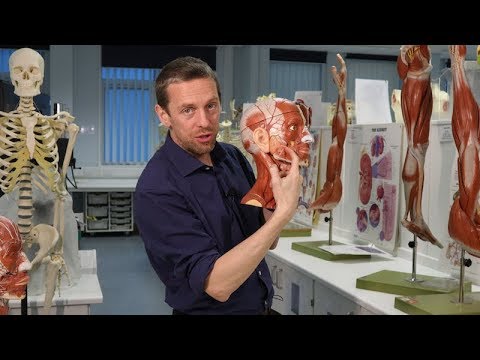
19:51
Biology
Salivary glands (anatomy)
SamWebster
139K views•2019-01-08
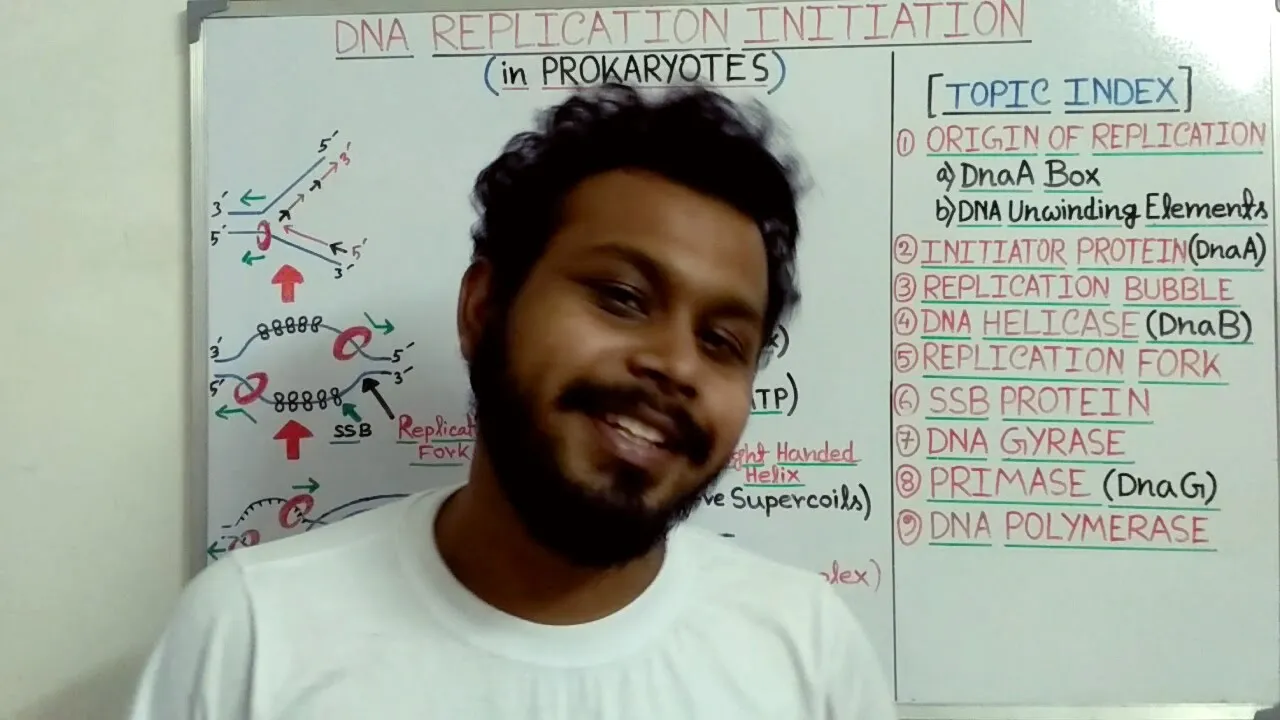
12:52
Biology
DNA Replication l Replication initiation in Prokaryotes
microbioscope18
4K views•2019-03-05
5:47
Biology
Identification of bacteria using biochemical tests (1 of 2)
microbiologyteachingvideos6490
24K views•2019-05-28
1:11
Biology
How PTSD Impacts Our Genes, with Dan Siegel
nicabm
31K views•2019-07-18

51:49
Biology
Influence of Footwear Longitudinal Bending Stiffness on Metatarsal Strains during Running
uofckinesiologyseminarseri2218
107 views•2025-12-02

6:57
Biology
Obscure Bird Grasshopper: It's One of the Big Ones!
RandysNaturalWorld
2K views•2025-08-26

5:36
Biology
B-Cell Receptors vs T-Cell Receptors - Overview
Sqadiacom
1K views•2025-01-31
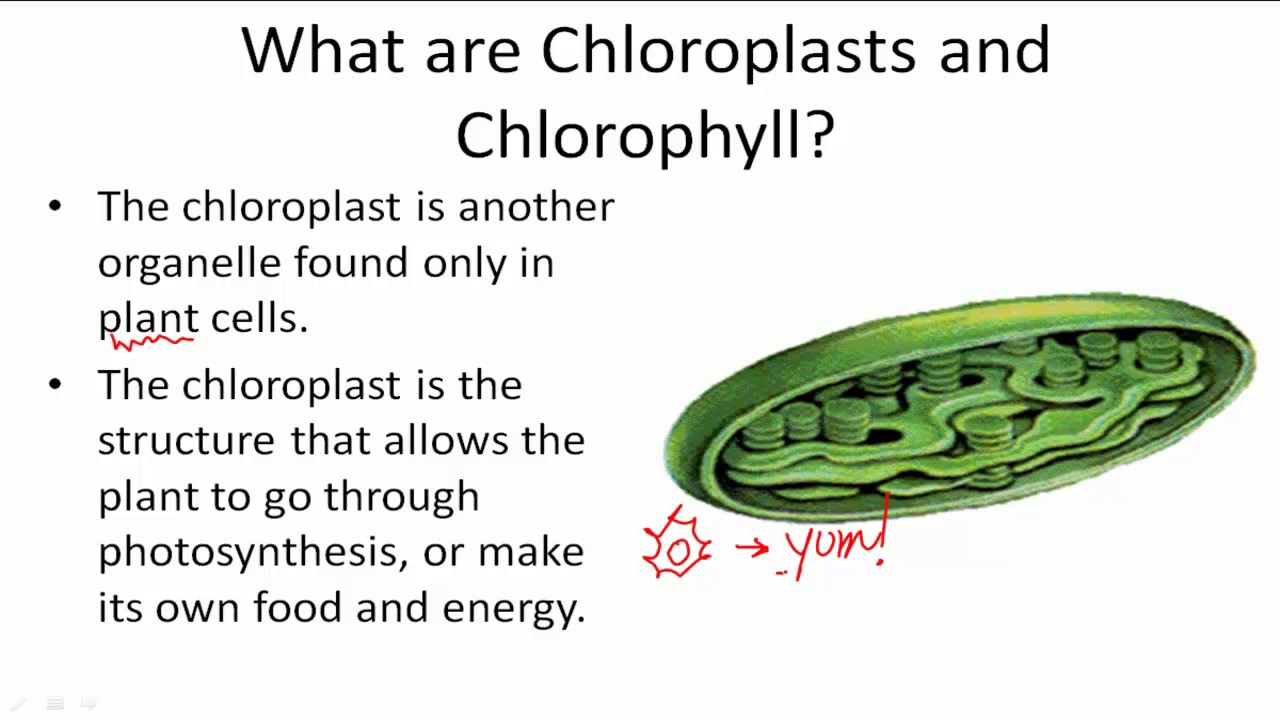
1:27
Biology
Functions of Chloroplasts and Chlorophyll
CK12
28K views•2017-05-24
Trending

15:20
Biology
Dokibird Being ABSOLUTELY Unhinged
Dokibird
44K views•2026-07-25
19:45
Philosophy
Agrees To Prove God… Then Starts Threatening Me
JonCohenOfficial
17K views•2026-07-25

31:48
Computer Science
Egos ruining Open Source projects, distros vs software conflicts - Linux Weekly News
TheLinuxEXP
25K views•2026-07-25

4:42
Philosophy
One Must Imagine Sisyphus Important
vlogbrothers
55K views•2026-07-25