The US-Iran interim nuclear deal involves releasing $6 billion in frozen Iranian funds held in Qatar, with Iran allowed to use these funds only for humanitarian purposes and non-sanctioned goods. The deal includes an oil export waiver and is conditional on Iran demonstrating good behavior, including reopening the Strait of Hormuz and continuing peace talks. However, significant challenges remain, including Iran's refusal to remove its enriched uranium stockpile, disputes over inspection regimes, and deep-seated mutual distrust between the two nations. The 60-day negotiation window faces skepticism from analysts who note that previous nuclear negotiations took nearly two years to conclude.
Install our extension to search inside any video instantly.
Mojtaba Cashes In $6,000,000,000 As Trump Unlocks Qatar Vault Before Final Iran Nuclear Deal?
Added:Mojtaba cashes in big as Trump moves to unfreeze billions in Iranian oil money under the interim deal. A $6 billion win for Mojtaba. Washington opens the Qatar vault and eases key sanctions pressure on Iran. Did Trump blink first as Iran secures major financial relief even before a final nuclear agreement is signed? From isolation to incentives, >> [music] >> has Mojtaba turned wartime pressure into a massive payday for Tehran?
The US will release $6 million in frozen Iranian funds under the interim Trump Tehran deal, [music] according to the Financial Times, as part of a broader incentive package. This $6 million is one slice of a larger billions in financial incentives that Washington has reportedly promised Iran in the memorandum of understanding. Qatar-held Iranian oil revenues [music] are expected to be unlocked in phases over the 60-day ceasefire period, rather than all at once. Iran is formally [music] allowed to use these funds only for humanitarian purposes and other non-sanctioned US-approved [music] goods, according to reports. Trump's team is also preparing to grant an oil export waiver, easing pressure on Iran's economy by allowing more sanctioned crude to reach global markets. The US is releasing the funds on the condition that the Strait of Hormuz reopens [music] and that peace talks between Washington and Tehran continue to make progress. Access to frozen assets will depend on Iran showing what US officials describe as good behavior under the terms of the interim deal. Iranian media say Tehran expects access to as much as $12 billion during the interim phase of the agreement. The $6 million fund was originally frozen in South Korea and later moved to Doha under a 2023 [music] financial arrangement. A Biden-era prisoner swap had opened a path to use these funds, but the outbreak of the Gaza war effectively halted that process. Trump now argues that Iran's money must be returned, warning that refusing to honor such obligations could hurt global faith in the dollar. Despite this, the fate of Iran's stockpile of enriched uranium remains at the heart of the final nuclear negotiations. The deal has already sparked backlash inside the United States as critics warn that Trump is offering too much economic relief to Iran in exchange for limited concessions.
As Iran and the US sign the memorandum of understanding, analysts are already raising alarm over several factors that could derail the upcoming rounds of negotiation talks.
Experts warn that a wide array of political, regional, and security hurdles could still derail US and Iranian efforts to turn this framework into a truly comprehensive peace agreement. Many analysts are skeptical that the two sides can actually forge a full and final settlement within the tight 60-day window laid out in the current memorandum of understanding.
Trump says Iran pledged never to develop a nuclear weapon. US demands Iran's near-bomb-grade uranium be shipped out or destroyed.
Tehran rejects removal of its uranium stockpile. Iran has indicated it may consider diluting enriched uranium.
Both sides have discussed a possible enrichment moratorium. Proposed moratorium periods have ranged from 5 to 20 years. Unclear if Iran will accept inspection regime similar to 2015 deal.
2015 agreement included extensive monitoring measures. Trump withdrew from deal.
Opening of the Strait of Hormuz is in effect after June 18th MOU signing. US insists transit through Hormuz stays toll-free. Iran demands a continued management role. Post-war Hormuz control still under dispute. Iran seeks lasting influence over key waterway.
Iran wants rapid lifting of US economic sanctions. Washington insists sanctions relief will be gradual. Tehran seeks access to billions in frozen assets. US links sanctions easing to Iranian compliance. MOU offers Iran immediate waivers for oil sales. White House wary of optics around releasing funds. Trump unlikely to endorse direct cash transfers.
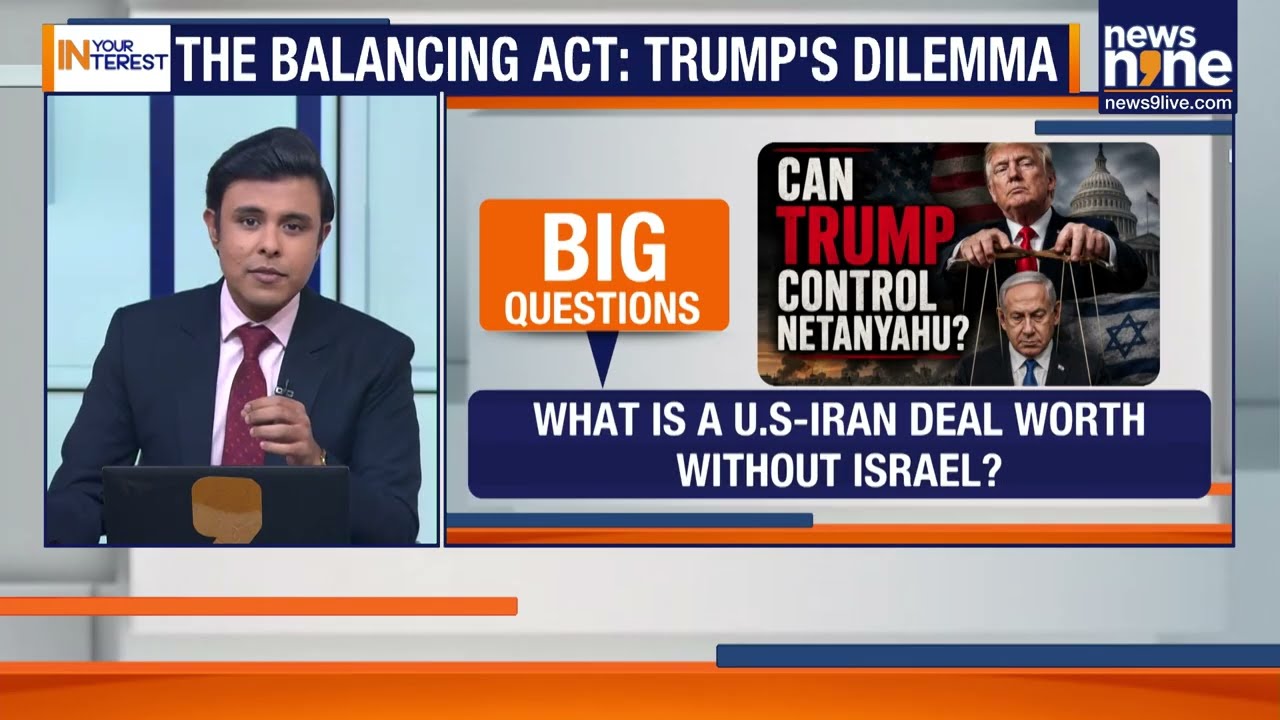
Netanyahu says Israel not bound by any US Iran agreement. Trump's snub to Netanyahu helps ease tensions, >> [music] >> but risks remain. Iran insists any deal must include a Lebanon ceasefire. Israel warned troops will continue to remove threats in southern Lebanon. Iran says Israel's presence in South Lebanon would annul US MOU.
US and Iranian teams face major differences in negotiating styles. Trump pushes for rapid results, while Iran favors lengthy bargaining. American negotiators may lack the technical depth of past teams. Iranian counterparts are seasoned veterans of complex negotiations. Experts doubt 60 days is enough for a detailed final agreement.
Obama era nuclear negotiations took nearly 2 years to conclude. Deep Iranian distrust of Trump remains a major obstacle. Tehran sites past US strikes during talks as reason for caution. US Israeli strike that killed Khamenei and family still cast shadow. Negotiators may instead pursue a limited agreement or extended talks.
The release of the US Iran memorandum has triggered a fierce battle over who emerged victorious from the negotiations. While Washington portrays the agreement as a framework tied to Iranian compliance, Tehran is presenting it as a major diplomatic win. Iran's parliament speaker Mohammad Bagher Ghalibaf says the deal reflects what he calls a failure of US pressure on Iran.
Ghalibaf argues that history will judge the agreement [music] as evidence that Washington failed to impose its demands on Tehran. Iran's parliament speaker also claims the memorandum includes provisions for roughly [music] $300 billion in future investment for Iran.
Mohammad Bagher Ghalibaf said, and I quote, "The other side is not willing to accept that it was the aggressor, because in that case it will have to pay all damages."
Instead of paying compensation, the text emphasizes concepts such as reconstruction and economic development.
Within this framework, $300 billion in investment has been envisaged, part of which will be allocated [music] to reconstruction and compensation for damages, unquote. The claim fueled speculation that Tehran had secured major economic benefits in exchange for joining the agreement. However, US officials quickly pushed back against that interpretation, insisting the deal's benefits remain tied to strict conditions and compliance [music] requirements.
Senior US officials insist the memorandum does not authorize any immediate payments to Iran. According to Washington, the agreement contains no requirement for cash transfers, grants, or direct financial assistance.
Officials say the reported $300 billion figure refers to potential private and foreign investment that could materialize if Iran complies with the deal. They stress that any economic relief would depend on verified progress toward a broader and final agreement. US officials also emphasize that sanctions relief will remain directly linked to Iranian nuclear concessions and continued compliance.
Washington has also rejected claims [music] that frozen Iranian assets would be automatically released under the agreement. US officials say Tehran sought immediate access to restricted funds during the negotiations. However, they insist the final text makes clear that no funds will be unlocked simply because the deal was signed. According to Washington, [music] the release of frozen assets would depend on what it calls demonstrable Iranian compliance.
Officials say certain funds could become available in the future, but only if Iran fulfill specific obligations under the agreement.
>> Mhm.
Related Videos
126 .bikey6
mikey.bikey6
572 views•2026-06-16

Tamil Nadu Assembly | "இருமொழி கொள்கை பின்பற்றப்படும்" | Governor Arlekar | 2 Language Policy
News18Tamilnadu
558 views•2026-06-18
Rep
RobSmithOnline
3K views•2026-06-15
Cross-Voting Hits INDIA Bloc As NDA-Backed Nathwani Wins Jharkhand Seat, ZPM Makes Rajya Sabha Debut
cnnnews18
283 views•2026-06-19
WHILE TRUMP BEGGED CHINA FOR HELP — CHINA WAS SECRETLY ARMING IRAN BEHIND HIS BACK
Frumreporttwo
219 views•2026-06-18

The U.S. Iran 14 Point Memo of Agreement... What's REALLY Happening...
J.S.Candid
4K views•2026-06-17
Israel Says 'NO' to Trump's Iran Deal | Peace Deal or Middle East Powder Keg?
NEWS9LIVE
365 views•2026-06-15

Iran emerges stronger, Israel more isolated after war, analysts warn
aljazeeraenglish
65K views•2026-06-14



