This video analysis by retired US Army Lieutenant Colonel Anthony Aguilar examines the US-Iran diplomatic agreement, arguing that Iran achieved a strategic victory in the conflict. Aguilar contends that the 14-point Memorandum of Understanding represents a significant US capitulation, as Iran secured the immediate lifting of the naval blockade, removal of US forces from the region, reopening of the Strait of Hormuz, suspension of oil sanctions, and reconstruction funding, while the US failed to achieve its original war objectives. Aguilar emphasizes that the agreement's success depends entirely on Israel's compliance with the ceasefire terms, particularly regarding Lebanon, and warns that without clear enforcement mechanisms and transactional rather than trust-based provisions, the agreement may collapse. He also notes that the US is constrained from adding new forces or imposing new sanctions during the negotiation period, further limiting American strategic options.
ISRAEL WILL STOP IRAN U.S DEAL w/ LT COL Anthony Aguilar
Added:guys joining in. It does seem like there has been a deal agreed for the MOU, which allegedly is going to be signed in Switzerland.
On February the 19th, Iran came out with a statement and essentially confirmed that a deal has been agreed. US are meant to lift their naval blockade today. They're also meant to ensure that there will be zero bombing of Lebanon and there will be a complete and permanent ceasefire. We're going to be talking about all those things with Lieutenant Colonel Anthony Aguilera.
Thank you so much for taking your time out to join us. How are you?
>> I'm doing well. Thanks for having me for this important discussion. Thank you.
>> Yeah, I appreciate you coming on. So, Lieutenant Colonel Anthony, earlier on today I messaged you and said, "Look, the war's going to start. Iran's gonna bomb Israel and we were going to arrange a quick um additional interview thinking that was going to happen and then that no longer what did happen and essentially we got the opposite which was some form of peace agreement. What's your kind of how do you ascertain what occurred over the last 24 hours?
Well, I do believe that Israel's actions were an attempt to undermine or to derail these discussions to draw Iran into striking to then force the United States and Iran back into hostilities or at least not uh not talking or putting this agreement on hold. Uh I think we've seen Israel attempt to do that over and over again in the com in the past week and President Trump immediately immediately admonished uh Israel openly uh and directly and openly pleading with Iran not to retaliate or strike Israel.
Uh so the the president of the United States took a very active role in communicating that not under the table, not behind um you know behind the scenes but but very much overtly. And I think that in doing so uh that that gave in in the final hours of this drafting of this 14-point memorandum of understanding uh that that provided Iran with even more leverage for what should go into this 14point deal upon signing to where Iran's position was if you want us to not respond and to you know to basically withhold uh our retaliation which has been a red line that we declared, then you're going to have to give us more guarantees. We're going to need more out of this deal. And I think we're seeing that reflected. If you were to um if if you were to look back on this in the in the in the books of history, uh perhaps you know one day um you know someone's doing a book report on this in in years from now and simply looking at Iran and the United States uh as as nations not necessarily picking a side or you know but also taking the emotion out of it. you were to look at this uh the conclusion of this 14-point memorandum of understanding that will then go into what would eventually be crafted as an agreement or a treaty because remember anou to declare for the conditions of a ceasefire for what will be negotiated upon is not a treaty. This is not the the end of the war. This is the agreement to cease hostilities to go into what the negotiation of the agreement may actually be. So this is not the war ending document. This is the shooting war pause to go into what that agreement might look like in this next 60, 90, however many days it takes. So if you were to look at that through history, you would see that that one country clearly lost and one country clearly won. And if you're looking at this through an objective lens, it is clear that uh that country B or Iran won this war.
I mean, yeah, it does look quite clearly like that that Iran did indeed win the war. The question becomes um I mean, there was a lot of alleged concessions today based on what you just mentioned and this was the statement of the National Security Council. Now I'm not going to read all of it but the relevant part is this bit which says quote uh that they finalized the memorandum of understanding to end the war the Islamabad negotiation but he said based on the agreement reached the war and military operations on all fronts including Lebanon will end immediately and permanently as of tonight. And in addition the naval blockade against Iran will be immediately and completely ended. Now, I've not heard about the actual naval blockade moving. I'm guessing that might happen today or tomorrow. I don't know how long it takes. That's something I want to know from you. What's If one was to remove the naval blockade, such a procedure, how long will something like that take logistically to remove it?
Well, the the US naval blockade or the distant blockade in the Gulf of Oman um is, you know, you could you could end that the action of the blockade immediately with a with a phone call. Uh the the block it's not as if there's uh there are US ships from uh from you know from Stern to Bao arranged along the Gulf of Oman in a chain where nothing can go through. uh the the blockade is executed upon um communicating to ships andor using military resources such as the Apache gunship etc. uh to then either enforce that message of hey don't pass uh and then striking them with a Hellfire missile much like the Apache did on an Iranian ship or other ships so that the the the blockade the US blockade can be ended immediately by simply not striking ships anymore uh and no longer enforcing and communicating a blockade uh that the ships can pass physically. So it's a matter of the the authorization to do so. So from the United States side of it, there is no there should be no excuses of well, it's going to take us a few days to get everything in order to end this uh this distant blockade that we have in the Gulf of Oman. That would be that would be absolutely preposterous and disingenuous to this position that the United States can end that blockade immediately right now. Like if if I'm holding a gun to somebody, um the only thing that's keeping them there, the door's open, uh the path is clear, uh they can walk right by me. The only thing keeping that person from going is me holding a gun to their head at a distance, whereas if I just put the gun down, they could walk right past. So to that to that point, the the blockade that the US has can end immediately.
Um, and if the verbiage of this is is to be held as genuine and accurate, then it should be that it should end now or when they sign it on. See, and the other thing is that now all of these conditions now, I mean, what has Donald Trump been saying for days? It's going to get signed today. That was Friday.
It's going to get signed tomorrow, Saturday. It's going to get signed today, Sunday.
Now, now we're talking Friday the 19th.
If anything we have learned in this conflict that we think that anything is going to survive as it is without Israel throwing some kind of wrench into things and we have to keep you know hold our baited breath for this agreement to withstand five days. Um that's a stretch. We will see.
>> No doubt. And I we're going to explore that quite a bit in a bit. So you've explained from a kind of logical sense of how you would remove the naval blockade as in it's it's based on >> just stop doing it. You don't even have to remove it. You just stop blockading.
>> No doubt. But I guess the second element of that is um removing the ships. So the ships are in the Gulf of Aman. So how do they retreat those ships to the extent where vessels now don't see it visibly as a as a problem?
Oh, well the the again the the aircraft carriers and and all of the carrier strike groups uh various ships are not in the Gulf of Oman. The majority of them are are are in the Indian Ocean. So uh to then pull back the ships that we have and enforcing the blockade which are some of the uh guided missile cruisers and destroyers uh could again that could be instant as in stop blockading and leave the Gulf and then you know they they steam away back towards through the Arabian Sea back towards the Indian Ocean or wherever the the rendevu point for the uh for the carrier strike group is to reconsolidate and reconvene. uh and then head back to wherever it it it it's directed to be.
But no one should expect that all of the US naval forces under US central command um and under US Navy central and the fifth fleet are just going to all of a sudden leave. Uh that is their area of responsibility. They're they're always there to some extent. Um and even as such during the period of enforcement of this memorandum of understanding for the next at least 60 days uh but for sure for the next 5 days um there should be no um misunderstanding that those that naval force uh will be in the region uh through this negotiation slash um finalizing of an agreement period of time. Uh so the you know the US forces are still going to be present. Uh they will no longer be as as uh as assertive in the Gulf of Oman. uh but surely within the Arabian Sea uh in in the Indian Ocean of of they will remain um and you know that that's something that the the United States will will reserve the capability to do to either go back into hostilities. Um which is why this uh you know I am I am very optimistic or I I I I am hopefully optimistic. I want to be hopeful and optimistic that hostilities end, that the war ends, uh that the kinetic activity ends once and for all and for good, and that any further conflict going forward within this 60-day period of negotiation, uh is not military conflict. uh but you know if there is contention that it's handled at the diplomatic and the political level uh through economic levers if that needs to be the case uh but it is my sincerest hope that this does not go back into kinetic wartime activity however we we can't simply dismiss the continued activities of Israel and what Israel has said in response to this uh 14point memorandum of understanding that you know the One of the very first points on it is the permanent and immediate halt of war on all fronts including Lebanon.
Israel has said that they're not going to do that. So right out of the gate, this 14-point plan, US and Iran agree to this. It's wonderful. Point one, stop the war even in Lebanon. And Israel's immediate response to that is no.
I mean this document hasn't hasn't survived uh first first advertisement.
So, you know, if uh for the sake of this agreement and Iran not responding to Israel's latest strikes in southern Beirut, is is Iran going to sit back and continue to allow Israel to not leave the south to continue military incursion up to and and across the Latani River to continue uh the the occasional and now unanswered military activity and strikes in southern Beirut? I don't think I don't think Iran is going to sit around and and tolerate that. So, it goes back to the question that that you and I talked about early or late last week.
What's the enforcement mechanism for these points? What's, you know, if if Iran does not uh clear their control in terms of uh the unrestricted flow, um how does how does the United States respond? Is it militarily? uh do we do we withhold certain sanctions or certain uh frozen assets? Is it immediately going back into war? What what are the conditions therein? This is all this document. It's almost like the uh the hope is a method mentality or what we call in the military when in the military when you make a plan and everything is just kind of like oh yeah things will work out. That's kind of we call that the big handwave like you're just you're just waving your hand over it. Everything's going to be fine.
Thisou is kind of like a big handwave of, yep, we're not going to fight anymore and everything's going to be great and here's how we're going to do it. It's like, okay, uh, no more war to include Lebanon. Uh, who's who's going to address that with Israel? Oh, well, we'll see how that we'll see how that works out, you know. We'll we'll see.
Okay, that's a that's a pretty important point. Uh, the naval blockade within 30 days. Um why why can't the naval blockade just end now? What shouldn't take 30 days?
>> Well well the new new one is it's going to end today. Like that's part that was part of the capitulation. So it was meant to be 30 days and then according to this statement in order to stop Iran from bombing Israel they said that they'll remove it immediately. So, so again from this from theou we saw or at least in its getting uh tweaked and tightened up, dotting the eyes, crossing the tees from yesterday as a as a response to Israel strikes today changed the dynamics of thatou yet again.
>> It's not just 30 days, it's now immediate. Mhm.
>> So thisou as it stands right now today, is that going to be theou that survives until Friday, June 19th?
What if Israel continues attacks tomorrow? Does Iran then say, "Hey, America, thisou that was good yesterday on the 14th of June doesn't apply anymore. We need more. We need more in this. We need we need you need to sweeten the pot or give us more guarantees." or or is it now at the point to where there there's no more guarantees that can be added to theou uh to to then capitulate or to then to uh to to bring Israel to stopping its war in Lebanon to where Iran now sees well that Israel is not going to comply. So what's the point of thisou?
Um, you know, if it it's clear to me that Israel is absolutely hellbent on thisou falling apart because if Israel wanted theou to at least go into effect to at least hide behind uh diplomacy and at least hide behind that, hey, we're being a good actor in this uh and then after theou is signed on Friday, uh then Israel were to go back into strikes in Lebanon, you'd be like, okay, they uh they they wanted this to go through and now they're playing them. Israel wants to undermine this entire thing. So what is Israel going to do between now and Friday the 19th? I think that this this agreement is still on a very tight wire a tight balancing you know wire the balancing act if you will uh between US interests Iranian interests Israel's actions uh Israel Israel invoking its interests on a memorandum of understanding that doesn't necessarily involve them directly in the negotiation but does uh involve them in terms of meeting the conditions that's why this is very difficult to where you have an agreement between country A and country B, but the withhold the the the maintaining of that agreement has to do in part by the actions of country C.
So who's going to be the watchdog or the the handler of country C? Well, that that's the United States. And the question now comes can we and are we and are we willing to that's that's still a big question uh in the enforcement of thisou is that is the is the United States willing to and capable of restraining Israel. It seems right now as of as of just a few hours ago earlier today that the United States is neither willing and nor neither capable.
>> And we have one statement from Netanyahu. It's from Marv. So it's only one paper in Israel and it says quote Israeli Netanyahu says to them Israeli forces will not withdraw from Lebanon and Israel does not consider herself bound by the Lebanon clause in the US Iranou. [clears throat] >> Now that's just one paper. They could be making this up. They could be doing propaganda. We do know that since all of this has happened, Israel hasn't bombed Lebanon. So that's a a positive I mean since this agreement. But that being said, I did just see that there was some reports that there was some drone activity over southern Lebanon. No strikes, but there is some uh drone activity in Lebanon. And it also says a rescue helicopter landed in western Galilea center of Naharash a while ago.
So there is obviously some movement.
Nothing's happened. What's your thoughts about this?
>> Uh yet.
Nothing's happened yet. I mean, they >> it's not like that that there's been no strikes for for days and you know, this tedious ceasefire or this tedious no strikes is holding. They just struck southern Lebanon this morning. So, uh, have they done anymore today?
Not necessarily. But they didn't just strike southern Lebanon earlier today.
They struck southern Beirut again. So um you know yeah this is uh have you know the military activity or strikes or pushing the red line uh has that has that happened recently? Yeah it h it's happened as recently as today has it happened again today? No, but why? And the point I'm making is that show me at any point along this way, any point along this journey of agreements to no agreement to reagreement to new agreement to the agreement's almost done to the agreements off the table to where we're back at war to where we're kind of at war to where okay, we're not at war, but we're still imposing the the cost of war with blockades and and now we have this new deal. And as of right now, this very minute today, where we stand on the 14th of June, have any conditions been met for peace?
No. Is theou signed? No. So everything right now is just in the same amount as it was 2 days ago, 3 days ago, or 3 weeks ago. It's like Schroinger's cat.
Is it in the box?
>> Well, I don't know. If you if you open it and you see that it's not, well, I guess it wasn't or if it was, but until you know, well, we don't know. So, right now there is no agreement. This is all still just talk. Have they reached an agreement for the memorandum of understanding that will set the pathway towards a future agreement in 60 to 90 days? And the point that I also make is that the period of time under this memorandum of understanding to then figure out what this framework for an agreement, a treaty, a truce, an armistice, uh whatever we're going to call it that's going to evolve from this. There's a 60-day period of, hey, let's not get too mad at each other. If something happens, let's take a breather. Let's work it out. Let's let's not just throw out the baby with the bath water and go out back to war. Can we for 60 days? Can we kind of figure this out? Well, it's not like we just we just declared a ceasefire in the hundred years war or in Vietnam and years and years and years and years of war coming to the four that we're going to start to figure out in 60 days. We haven't been able to prevent shooting at each other, breaking agreements or restrain Israel from doing whatever it wants and striking whoever it wants over the course of this the first 62 days of epic fury. uh then into this break and then to this restart of hostilities over the 104 105 days of this entire conflict and and now we're going into the peace deal part which is that period of let's figure this out is quite frankly just as long as the period of war where we couldn't figure things out. So again, as I look at this, I ask myself, show me what's different. Show me what has changed in the positions of negotiations between first strikes on the 28th of February, the end of Epic Fury, going into this new round of hostility to where we then brought us back to this new round of okay, stop shooting at each other to this newou.
What has changed that would commit or obligate either side or Israel to any type of restraint or commitment to any deal other than trust. And if there's one thing that is at a critical shortage, more of a shortage than missiles is trust.
None of these entities, Iran, United States, Israel, there is no trust at all. So how do we go forward when everything is predicated on trust when right now we sit in the midst of Israel striking southern Beirut earlier today.
Iran not trust Iran didn't go Iran didn't come to the table with it's okay you know they're we trust they won't do it again it was an accident maybe they already had this planned and it just you know it slipped through the cracks why why waste a good strike if you already have it planned okay we we understand no Iran immediately responded with you don't if you don't want us to respond militarily then United States you better sweeten the deal and what did the United States do immediately cessation of all.
Okay. Well, we'll up the ante. All right. Well, we'll see what Israel does, but I'm not holding my breath because I don't want to die of suffocation.
>> No doubt. It's going to be very difficult for there to be a deal, especially when you got a major push back by the Israeli Zionist lobby.
>> They've already said it. They've already they've said it. I mean, this one newspaper source that you quoted, I mean, it's it is a source, but also the real source is the things that Netanyahu and Israel cats have said themselves over days and the the Warhawk uh Republican bought off Zionist government or the the the base here in the United States. And yeah, the Lindsey Grahams, the Ted Cruz's, the uh the Tom Cotton's, uh the the the backers, like the Miriam adds. Do you think that any of them, you know, Miam add right now is is probably is probably fainting out by the pool with her caviar. Oh my god, let me let me call Donnie and cut him another check for 300 million to to start the war again. I mean this is I I don't see any conditional change to show that this memorandum of understanding and again I I find it very disingenuous by Western media and it's not on it's not by accident of course it's on purpose for Trump's 80th birthday the big celebration the president sealed the deal the art of the deal the great deal maker uh JD Vance is going on all the shows today talking about how great it is for America. We don't we didn't just sign the treaty of Versailles. We didn't just try, you know, we didn't just bring everybody together and sign the Treaty of Nank King. All we did was bring together people over phone calls and make a promise that in five days from now we'll sign the agreement to take us into what a treaty might be. I mean, that's like [laughter] I just it's it's like really it's like that's that's how we're going.
It's like your your your kid turns 12.
Well, in a few years they can start taking driving classes and a few years they can start getting their license.
So, right now at the age of 12, we're going to buy them a Ferrari and we're going to start, you know, saying that they're the next F1 driver. Uh and they haven't even gotten behind a wheel yet.
This agreement as of right now today as we sit is nothing.
And I see nothing within it of all these 14 points that bounds either side to anything in it with any consequence before, when, and after it is signed.
And if anybody should think that any of these entities should trust each other or that we should trust what we've been told so far, I I don't I don't trust it.
Guys, make sure you like this video.
Let's try and get the likes up as much as possible. Let's try and get as many people on here. And if you're on the X, retweet. So, and this is uh just to last point on this thread because I want to talk to you about a few other things.
But this has just been proven by a lot of the statements. Mark Leven is extremely frustrated about this. His main point of contention is why has the deal not been released? Why has it not been made public? If it's such a great deal, why have the American public not been told about it before it's signed?
What's your thoughts about these Zionists like Mark Leven who are frustrated but make a decent point that why has it not been shown?
>> Uh you know even a a broken clock can be right twice a day. Uh so Mark Leven making this point and I am by no means a fan. I think that he is a disgusting whiny entitled human being who talks about war war who knows nothing of it.
But to his point, if this is such a great deal, why haven't we seen it? And the truth is that um regardless of this deal with standing with you know standing up against whatever comes in the next days, you know, to some degree Iran would be very something's going to have to something's going to have to happen that's going to that's going to push the envelope for Iran to respond because this this this memorandum if this is the framework for the agreement, Iran won. Iran has won.
Let's go into every point. End of hostilities immediately. Who wants that?
>> Iran.
>> Iran. Um commitment for the US to withdraw forces from the area. Who wants that? Iran.
>> Reopening of the Straighter Kamoose.
Well, of course, Iran wants that also because as soon as Iran can get maximum flow going back and forth with whatever they're going to levy for an environmental tax or a usage fee or whatever, well, chuch-ching, cha-ching, cha-ching. Iran wants it to reopen, of course they do. No. So, call that a draw, but guess who wins?
>> Iran.
>> Iran gets to sell it with oil oil as well, right?
>> Because because of the next point, the suspension of all oil sanctions. So, of course, Iran wants the straight of Hermoose to open. Oh, wait. We get to open this strategic waterway. The oil, the sanctions against our oil are lifted, and we get to send it through at full cost. And now between us and Oman and whoever wants to join in on this Persian Gulf Streamoose administrative entity gets to also uh earn a little bit of earn a little bit of side cash from this effort. Bring it on. That's an Iranian win. hands down uh US and allies to present reconstruction plans for Iran. What we're Iran is sitting there and being like, "Hey, hey, US and allies for this all this stuff that you did, um bring me uh bring me a plan for um for rebuilding. Well, who wins?"
>> Well, on that one, Anthony, I'm a bit 5050. I know I'm a bit out of the box on this one. I know a lot of people think, "Guess what? $300 billion by for me it's important what that means. If it's $300 billion of cash being given to them, no problem. But if it's $3 billion of corporate entrance interests managed by Donald Trump investing $300 billion into Iran, I have a major problem with that.
This is American corporations coming into your country. Trump Tower in Thran, is that what we're going to see? That is out of America. So I think I am that I see as a let's look at it and let's see what happens. It's >> that could be that could be a Trojan horse.
>> It's similar to my issue with the Gaza plan. If you remember the Gaza plan was somewhere similar like Trump is going to manage this pot of a huge amount of money and then he's going to spend it.
Obviously they didn't manage to get the money.
>> But my point is this that one if it's 300 billions cash no problem. If it's corporations coming into Iran for me that's you're selling your country out to American corporate interest. That's a great point and I and I think that that's something that that Iran and the Iranian people will be very attuned to in terms of hey this reconstruction here's the price tag. Here's what's what it's going to cost. Uh you go ahead and give us that we'll do the rebuilding on our own. The the the whole idea of hey it's going to cost that much and Donald Trump says hey I I know uh I know uh you need you need uh you need those buildings redone. I'll I'll give you How about the guy that redid the uh that redid the surface of the of the reflecting pond? Yeah, the one that's still leaking that already has algae growing in it again. That guy, I got I got a I got a reference for you. Yeah.
None of the reconstruction could should come from any corporation outside of Iran or a corporation that Iran doesn't themselves choose and contract directly by them. Anything coming in foreign, you're right, is an absolute Trojan horse and would be a betrayal. Uh, so good point on that. But the but the the the at least in principle, >> yeah, >> the acknowledgement of >> you on, you know, side A and side B, side B says you will rebuild this.
Okay. Well, the loser the loser doesn't get to dictate that the other rebuild their their destroyed stuff. The winner does. So, in terms of the principle, again, a winning position for Iran. And then you just go down the list and each one of these is is really across the board. Did did does Iran is is is um is Iran uh now beholden to uh having to stop um its backing of of the resistance?
>> No, >> actually says that that was removed, right? It says >> removed uh discussions about Iran's missile program and support for resistance groups have definitively been removed from the agenda.
>> And that was two of Iran is Israel's major points, right?
That's right. So, you know, if you consider if you go down this list and you know, like I said, if one day you're looking through this in the books of history and you're not an American uh nor an Iranian uh just somebody looking through the books of history, I'm going to write a book report on on this 2026 uh US Iran war. And you look at it and you say, "Okay, here's here's why here here's why the United States went to war with Iran. nuclear capability, ballistic missiles, navy, this um straighter Hermoose. Oh, wait. The straighter Hermoose didn't happen until after the war started. Oh, wow. Interesting. Side note. Okay, put that in there. What happened with that? And then as you write your argument, you know, you write, let's say your hypothesis is uh the the US Iran war was the stupidest war that the US has started in modern history. That's your hypothesis of your research paper, right? And you go through and you say, "Okay, why did the United States start this war?" A, B, C, and D. Throughout the war, did the United States achieve A, B, C, and D?
No. No. No. No. And at the end of this war, what country then stipulated the terms for what they would do and what they would get? Well, Iran. So, uh, US starts a war, achieves no none of their goals, and then at the end, Iran gets to dictate what they get in return. I I don't know how else to say it. And I don't see how this is anti-American or pro- this or anti- that other than just fact, just a fact in that the United States started a stupid war. And the United States fought a stupid war in a stupid way and have now come to an agreement that if you look at it at face value and you look at it objectively, Elon won. So of course and that's what we know of. Imagine what else is in there that the administration doesn't want us to know.
>> Well, I wanted to ask you about this next bit which was uh point number 10.
It says during the negotiation period, which as we've discussed could be a week, could be two months, could be four months if they extend it. But it says during >> You said it could be extended. Right.
>> Exactly. It says the US is committed not to add any forces to the region and not to impose any new sanctions. Now, my question to you is logistically, how much of a problem would that be for the US where they're not able to add any more forces? How long can they keep their current forces in place without rotation? H how much of an impact will that have? While Iran, it doesn't say anything about Iran not being able to build any more weapons. It seems like they'll be able to build more missiles, more drones. What's your what's your thoughts on this?
Well, so the the United States is now beholdened to an agreement that time is not on the US side because if the United States cannot introduce any more forces or additional forces uh then the forces that are currently there uh that that were fighting in this war that are now going to be the forces that stay uh as part of this uh agreement period or bargaining period or treaty drafting period, whatever's whatever the conclusion of this will be um either either they have to stay in place longer because there's no replacements or they have to leave they have to leave with no backfill. So at best as time goes on, US forces stay and become less operationally ready >> Mhm.
>> and more uh uh grinded down by this process that seems to be going on forever or they leave and we just lose more capability. There is no uh there is no net return anymore. It's either stay and dwindle until this comes to an agreement uh or leave and don't come back.
Again, that doesn't, you know, as I read this, it anyone that would think that that um that the United States won in any aspect of this is just living in a fantasy land.
So another element of this is is that apparently this was one of the last points of contention about there was 24 billion that was going to be released.
Iran said they want half up front.
>> US wanted to basically you know sporadically give it. Iran wanted half first and then the other 12 be given over the 60 days.
>> Yep.
>> And then apparently when Israel bombed they was like you got to pay us. We're not going to make this deal. We're going to strike Israel. So, she agreed to pay.
Um, I mean, just think about it logically, like you believe, I believe, every single guest, Larry K, um, Karen, every single guest I've had up today think that since since the agreement's been agreed that Israel is going to break this agreement. So, from Iran's perspective, they're essentially getting $12 billion in the notion that look, we're getting this money. If Israel breaks it, we'll just go back to war and we we've got more money. Like cuz a part of the agreement if I remember is they can't resanction unsanctioned money. So this is like I mean this is a major win as well, right? Well, of course it is. Of course it is. It's the bottom line is Iran won this war.
The concerning part for the United States is that its ability to meet this agreement. Everything else in there for the most part, the United States can can meet in working with Iran except some of the very critical parts that the United States is completely at the mercy of what Israel is going to do. So, how does the United States control that?
How does the United States um compel Israel? What does the United States offer to Israel to where they say, you know, hey, Israel, you said you're not going to listen to us. You said that we don't control you. You do what you want. Okay.
What can we give you then? What what what what's it going to take? How much is it going to cost for you to uh to stop for at least at least for the next 5 days to get us to the signing?
like what is it going to take for five days?
And then after that, okay, what is it going to take for x amount of days for us to have some type of agreement?
Because Donald Trump's mind is that he just wants out of this. He wants out of it. He wants away from it. He wants out of this. And so from his position, he's like, "How much is it going to cost?"
Well, the problem is the the cost instead of it being like I'm going to make you a deal you can't refuse is that I'm going to make you a deal you can't afford. That's Israel's position, right?
I'm going to I'm going to make you a deal you can't afford. And that can't afford it is because oh, how much is it going to cost? It's going to cost you backing me in continuing my war in Lebanon. And the United States is well, no. I'm asking you, how much is it going to cost us, the United States, for you to not start up and and continue war in Lebanon? And Israel's response is, well, the cost for us to stop war in Lebanon is to support us fighting war in Lebanon.
Yeah, there's this is a bad situation.
And that's why I'm not, you know, to me, this is not a moment of celebration.
This is a moment of wow, we now have seen the cards. Donald Trump has now shown his cards and man, they do not look good. We're all sitting at the poker table. Donald Trump keeps keeps uh call putting it in more and more and more. I raise you this, I raise you that. And everybody thinks that Donald Trump's got that winning hand. Even though you can see the cards that the dealer has and you can see the cards that everybody's laid out, there's not there's not that many aces in a deck.
There's not that many suits of suits of a of a royal, you know, there's only so many suits you can have. And now that we all see it and be like, man, I don't think Donald Trump has a good hand. And now we see that hand and we're like, woo, that is that is not a good hand. So now then we look at it in terms of the only way now to play that hand or to to back even what we said is contingent upon Israel.
That's a that is a bad business decision.
No doubt. I totally agree with you. Now another thing is about the nuclear enriched uranium. They are going to allegedly be speaking about this um >> y >> in stage two. But Trump seems to have let some of the cat out of the bag and it seems like he's going to concede about the enriched uranium. He's been gi kind of giving the idea to his supporters that Iran's not going to have any enriched uranium. But today he seemed to suggest and I can't remember the source of it because I was reading the breaking news on my space but seems to be that he's gonna allow some enrichment already. So whatever is 3% or whatever it may be but it seems like he's already conceding that and if he's conceding that first of all that's major capitulation but where are the points of disagreement? It seems like the only point of disagreement is >> apparently the number of years that he wants to block Iran from enriching if it's in 15 20 years. But what's your thoughts on this?
So Donald Trump is willing to yield to the no enrichment whatsoever to now allowing a certain percentage for what purpose for from for from for for Iran's stated purpose of for what purpose for Iran? Why does Iran want to enrich that small portion?
>> Um you're asking me. So basically it's for like medical isotopes. They are one of the biggest centers for Bitcoin mining. So the energy for that nuclear energy is very clean as well and I think it is a energy. Yeah. all of the things that they already said. Mhm.
>> And I I just wish that there was as I look back on this, I just think, you know, maybe maybe Donald Trump is the is is what we needed in a president because we've had no president in history that has ever considered that maybe we should have an agreement or a plan of action that would lay out Iran's pursuit of nuclear capability for civil and medical use that restricts them to a certain percentage below the yield of that of a weaponsgrade uh uranium.
but still allows them to produce it over time with conditions attached to sanctions and money based on how they perform within that. God, I wish wish we had a president that had thought of that.
And he Yeah, I mean that's the issue.
But just coming back to >> Well, no. The thing is that Donald Trump's staff right now should be going through the shredder to pull out the JCPOA to tape it back together because the JCPOA was a better deal than what we have now.
We we were better the United States was better off with the JCPOA in the in the constraints of that than where we are now because now Iran gets everything and they still get to produce uranium to a certain percentage to a certain degree for what they always said it was intended for.
And now there are fewer limitations, oversightes and restrictions. So for a president i.e. Donald Trump who shredded the JCPOA as the worst agreement in history now he could only beg for something that good. He's given away the farm. So now, and I'll tell you, if I looking at this where we are now, and if I was Iran, if I was Iran, I would be looking for a way to have a nuclear weapon because the United States and Israel, all they've shown the world is it doesn't matter if your nuclear ambitions are civil or peaceful. If we just think you might have the ambition to maybe one day pursue, well then we're going to go to war with you. And the example across the world is well, you don't do that to countries that have a nuke.
>> Exactly. Exactly. Now, another um and and so you're you're so right about that, but in terms of JCPOA, Iran or Iranians have been adamant that they felt like the JCPOA wasn't a good deal for them. And so they want to make sure that this deal is much better. Um, and they've been pushing hard in Iran to make sure that they don't get a weak deal. Um, what's your thoughts on this?
>> No, the the JCPOA was a was a stronger position for the United States.
This this new agreement is a much better position for Iran. Uh, but from the position of Donald Trump saying that, hey, that that JCO was JCPOA was horrible for America. It it was it was it it it it sucked for America. Well, it it it didn't what Donald Trump is going to in this negotiation now is is far better for for Iran. Like far far better. But from a US position, uh the the now Donald Trump agreement, uh what I would call the the joint cooperation no plan of action. So the the the JCN POA has it's worse. It's it's it's like if uh you know you're trying to deal with making a negotiation with somebody like hey how much for that? It's 50. And Donald Trump comes in and he says give you 45. And the guy says 47. And Donald Trump comes back with 55. The guy's like wait a minute uh deal I guess like what do you you went higher than the original the original ask? Like what am I missing here? So, it's so bad that Iran is probably thinking like, "What are we missing?
What's the catch? Where what what are we missing?" Because they're getting everything. And yeah, the the the uh to have and and really when you look at it for any country, no country wants to be withheld to the conditions of what some other country says that they have to do out, you know, because what international norms or international laws prohibit Iran from pursuing civil uh nuclear capability for civil and medical use? None. None whatsoever. So yeah, any anything that hinders that at all is a bad deal for Iran because if you're a sovereign nation, you're looking at that and be like, why should I have any constraints against what I want to do for my for my population, for for medical pursuit, for energy, for all these other why should that be up to another country at all? So from an Iranian perspective, yeah, it's a it's a much better deal. But when it comes to this particular issue, Iran shouldn't have to make a deal at all with anybody.
>> No doubt. And um you're right in saying that initially what I heard in the negotiations was that the Iranians were just so surprised like this doesn't make sense. There must be a catch because they're agreeing to everything right now. There is people in Iran who do disagree with the deal a little bit. And their claim is that the straight of Hermus that uh that shouldn't be opened until the end cuz they feel like if you open the straight up even if it's under the management of Iran or not, even if you get a fee or not, it will alleviate the financial burden that is going on in the world. The U US bond market is at a all-time high and uh the oil reserves, they're already digging into their oil reserves. So I guess that's one of the arguments that some on the ground are arguing. The other one being that they don't trust uh that this deal will be adeared to and therefore what's the point of this? You'd rather strike us and Iran Israel right now when they're at their weakest. So that's just some of the conversations that are happening.
What's your thoughts?
>> All all premises that I would not disagree with. If you're sitting on the side of of of of an Iranian or in Iran, you're looking at this and you're saying, you know, this this deal seems too good to be true. Do they intend on upholding it? But then with this chromus, the question then becomes like, yeah, that Iran should not nothing should be done from either side from either from the US to Iran or from Iran to the United States. Nothing should be done in good faith with just trust as the currency from either side. The the currency should be absolute should be in your hand of hey open the tramus you get this do this this and not after not you do this and then this it's this okay transaction now this everything in this agreement up until a point where there's actual parameters established of leverage and trust trust through leverage or leverage through trust however you want to describe it nothing should be done on either side unless it is specifically transactional to a if a not then but if a b then we move on to the next. No, neither side should be making um um concessions without the the the transaction taking place of this than this. And that's what makes it very very difficult for the very first element of this to where permanent and immediate permanent and immediate halt in all war to include Lebanon. So immediate and permanent. So the immediate I mean for the war in Lebanon immediate immediate as of when?
Lunchtime.
I mean when when are they going is it going to start? Friday like hey Israel no more war in Lebanon once we sign this thing on Friday. Everything up until then is okay. I doesn't seem so um immediate. They were agreeing on this language this morning and while Israel bombed southern Beirut. That's not immediate cessation, nor is it permanent. It's neither of those. It's it's it's not it's it's current and continued. So what it's the it's the idea of of some of those premises of for anything that Iran would offer. Okay, we're so if I were Iran, I would say that nothing nothing gets a nothing gets traded this for this for that until the most important one is addressed and that is the thing uh that that can easily start again. So imagine if if Iran does, hey, straight kamoose. Okay, open it.
Everything's going through. We got our sanctions lifted. So we're making money on it. Okay. Uh, got it. That's all going. Uh, but then at any given moment, Israel strikes Lebanon or continues the war into Lebanon against, you know, specifically up into Beirut, then what does does Iran then immediately shut it all down again?
So to that point, yeah, Iran, Iran, no one in Iran should take this agreement at face value of trust.
Each step has to be transactional.
Who then is the agent or representative or controller or babysitter of Israel to make sure that that number one point is a is is abided by that. I mean, that's why I give pause to this is that yep, it looks a little too good to be true.
And how is the United States going to control Israel in that first very, very critical point? You know, when you get that email from that Nigerian prince that says, "Send me $2,000 and I'll send you a million." That sounds like a great deal. And you do it and you realize, "I don't think I'm ever getting that money." Like I think I think I got ripped off. So Iran right now is looking at and being like this seems too good to be true. Like I'm gonna we'll play but I ain't I ain't doing nothing until you show me the money.
>> No doubt. Lieutenant Colonel Anthony Agar, always appreciate you coming on.
Really value your contribution. Uh, I know people can find you on Aguilera for Congress where you are running as an independent and everyone should definitely be supporting you in that and people can find you on your various socials, Instagram, Tik Tok and um, >> Instagram, Tik Tok, YouTube. Um, X should be back up next week. That's getting finalized.
>> Brilliant.
>> So, be back on X. uh and now with the uh and yeah for the running you know what I would say to every American you know if you if you don't want to find us in this type of situation five years down the road with either Iran or another country it's time to get big corporations it's time to get Apac it's time to get Zionist influence out of our government and the only way you're going to do that right now is with independence because both the Democrats and the Republicans are bought off and if you don't believe Just go look at look at Apac Tracker.
>> No doubt. Everyone should definitely be supporting you on this. And guys, don't leave us. I mean, we're going to go to the next link, but we got huge collaboration. We got Larry Johnson, CIA. We got Lieutenant Colonel Anthony and Ryan Dawson coming on in the next uh segment of the show. But anyway guys, much appreciated.
Appreciate your support. Um I'm flopping here. But anyway guys, let me just quickly say thanks to Htown. Is it for the support? Yeah, Htown for the support. And uh we'll be on the next link. So like this video, share it, subscribe to the channel, have your notifications on, but go to the next link. We've got Larry, Anthony, and Ryan all on. So click on the link and come across there. I appreciate you guys joining in. I appreciate you guys listening and I'll see you on the next link.
Just let me just quickly one second, guys. I just forgot to do one thing, but just like I said, do share it and do let everyone know about it. One second. And we got a huge lineup coming. Here we go.
So much love to you. Appreciate you guys join.
Related Videos
126 .bikey6
mikey.bikey6
572 views•2026-06-16

Tamil Nadu Assembly | "இருமொழி கொள்கை பின்பற்றப்படும்" | Governor Arlekar | 2 Language Policy
News18Tamilnadu
558 views•2026-06-18
Rep
RobSmithOnline
3K views•2026-06-15
Cross-Voting Hits INDIA Bloc As NDA-Backed Nathwani Wins Jharkhand Seat, ZPM Makes Rajya Sabha Debut
cnnnews18
283 views•2026-06-19
WHILE TRUMP BEGGED CHINA FOR HELP — CHINA WAS SECRETLY ARMING IRAN BEHIND HIS BACK
Frumreporttwo
219 views•2026-06-18

The U.S. Iran 14 Point Memo of Agreement... What's REALLY Happening...
J.S.Candid
4K views•2026-06-17
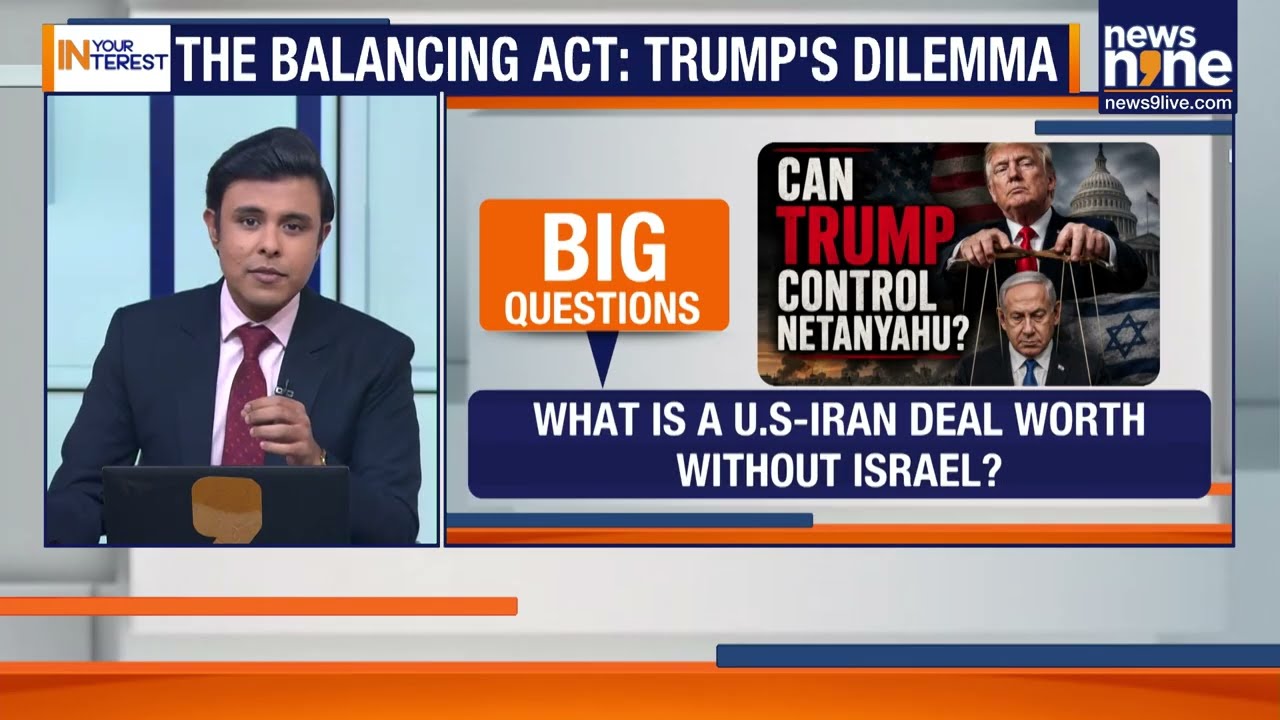
Israel Says 'NO' to Trump's Iran Deal | Peace Deal or Middle East Powder Keg?
NEWS9LIVE
365 views•2026-06-15

Iran emerges stronger, Israel more isolated after war, analysts warn
aljazeeraenglish
65K views•2026-06-14



