The Secret World Inside Your Brain
The human brain contains billions of neurons that communicate through electrical signals to generate thoughts and memories, functioning as an intricate information processing system.
The human brain creates a blind spot where the optic nerve connects to the eye, which contains no light-detecting cells, yet we never notice this gap because the brain actively samples surrounding visual patterns and...
Elite fighters develop an enhanced 'sixth sense' through predictive coding, a neuroscience mechanism where the brain builds models of incoming threats based on pattern recognition from repeated exposure to attacks, allowing them to anticipate and...
Optical illusions reveal how our brain constructs reality by interpreting visual cues like shadows and reflections, and can be easily tricked when these cues conflict with actual spatial relationships, as demonstrated by the Spirit of...
Peripheral neuropathy is not merely a nerve malfunction but a condition where nerves become mechanically restricted due to inflammation, scar tissue, or disuse, causing them to oscillate between overreaction and shutdown; effective treatment requires nerve...
Social media platforms are designed like slot machines, using unpredictable rewards (funny, shocking, emotional content) to trigger dopamine release and create addictive behaviors; this constant stimulation shortens attention spans, degrades memory, and increases anxiety, while...
Consciousness is characterized as second-order perception—the ability to perceive that one is perceiving—which creates a coherent sense of 'now' and agency; while xenobots (self-assembling frog cell aggregates) exhibit complex behaviors like learning, memory, and kinematic...
Human intelligence relies on representing information in multiple ways simultaneously, which allows for flexible problem-solving and resourcefulness. This concept, illustrated through examples like vision systems having 12 different ways to measure distance and the brain...
Alcohol rapidly crosses the blood-brain barrier and hijacks the brain's reward system by flooding it with dopamine, creating a false sense of relaxation while simultaneously impairing the prefrontal cortex's decision-making capabilities; long-term alcohol consumption can...
Addiction is a brain condition characterized by compulsive use of substances or behaviors despite harmful consequences, where the brain's reward system becomes hijacked by substances that flood it with dopamine, making it difficult for individuals...
For individuals with ADHD and neurodiversity, early life experiences can shatter their intuition, making it difficult to trust their gut feelings and recognize when something feels off in social situations, even when they cannot articulate...
The brain is the central organ of the nervous system responsible for processing sensory information, controlling voluntary and involuntary movements, and enabling cognitive functions such as thinking, learning, and memory.
Fruit flies serve as valuable model organisms for studying the head direction system, an internal compass that provides spatial orientation. By placing flies in virtual reality environments, researchers can image their brains to observe how...
We cannot remember our earliest years because our infant hippocampus undergoes rapid neurogenesis (birth of new neurons), which acts like bulldozers paving over old memory paths, and because we lacked the language skills to encode...
When individuals enter the fight response, their brain prioritizes sensory processing and threat detection over emotional regulation, creating a narrowed attention focus that can lead to dangerous blind spots; this physiological state, driven by adrenaline...
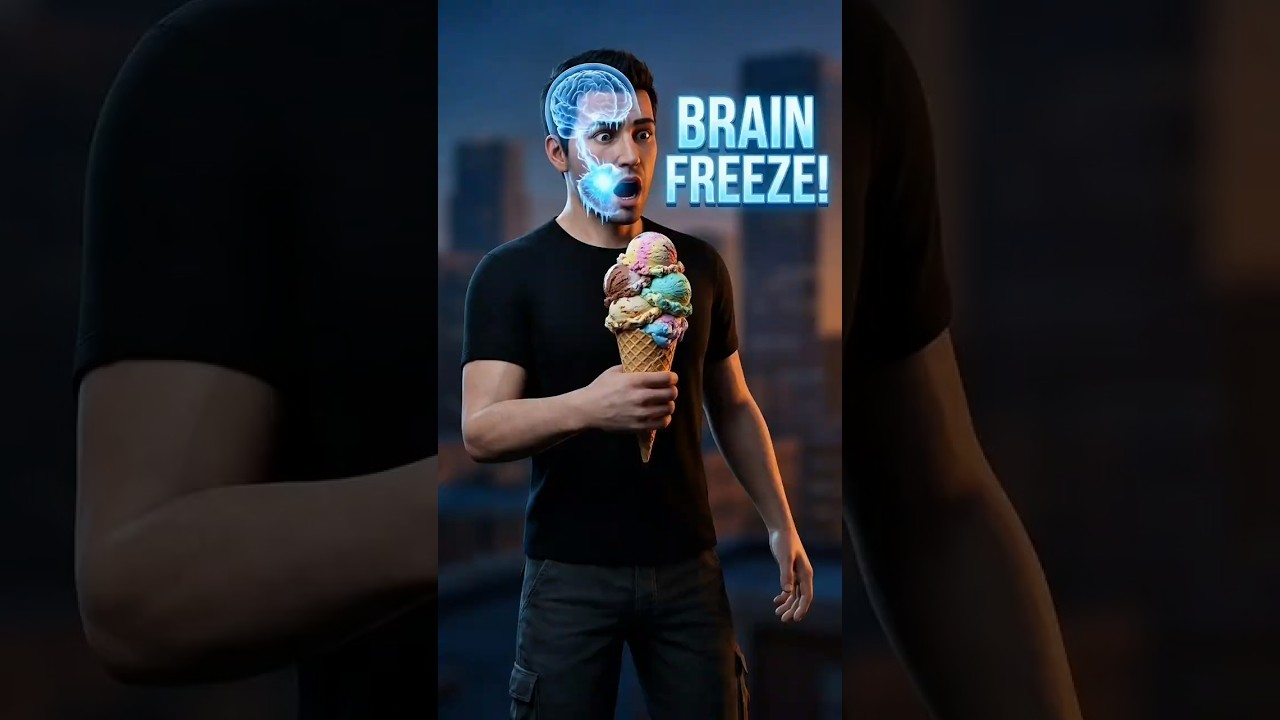
Brain freeze occurs when cold food or drink touches the roof of the mouth, triggering nerves that send signals to the brain; the brain responds by rapidly constricting nearby blood vessels, creating pressure around pain-sensitive...
Consciousness is not a separate entity but rather the product of chemical processes in the brain; feelings and emotions are caused by neurotransmitters, not the other way around, as demonstrated by how medications alter mood...
Color is not an inherent property of light but a biological construction created by the brain through continuous electrochemical processing that adjusts for ambient light, compensates for aging lens yellowing (which filters short wavelengths by...
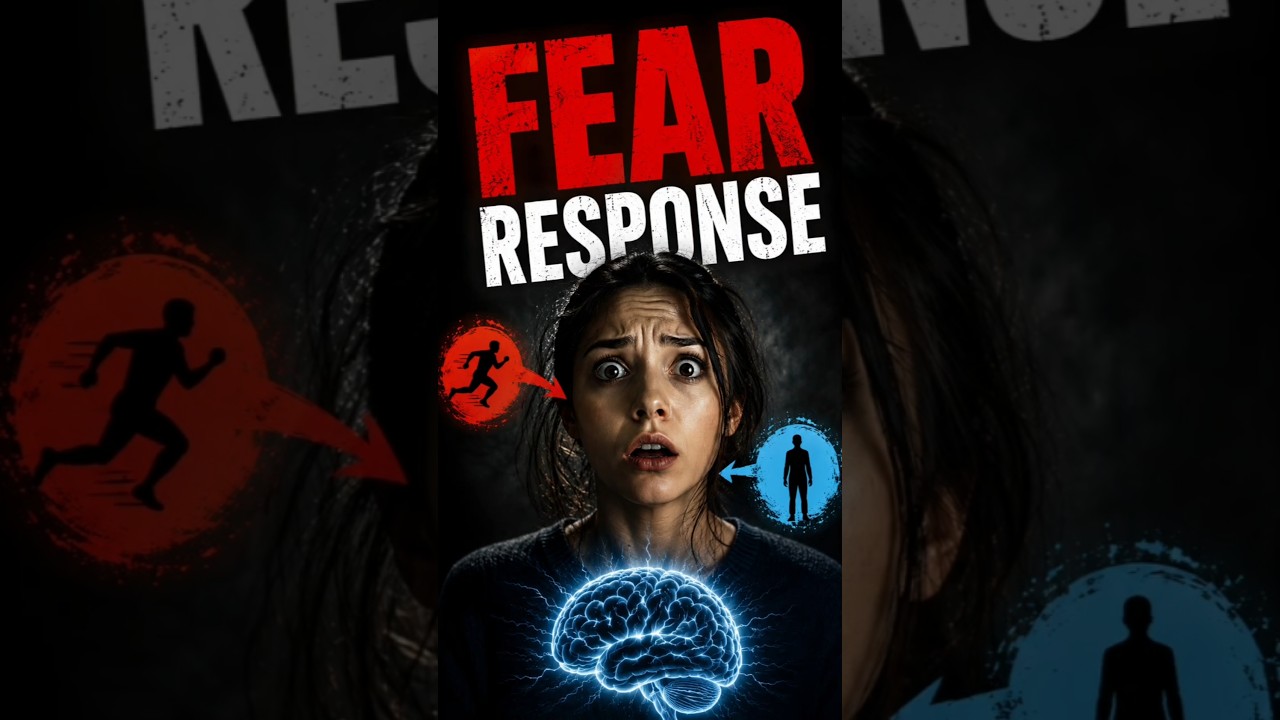
The brain has three fear responses: fight, flight, and freeze. When danger is detected, the brain can temporarily shut down movement to help avoid being noticed, which is why people sometimes go completely blank during...
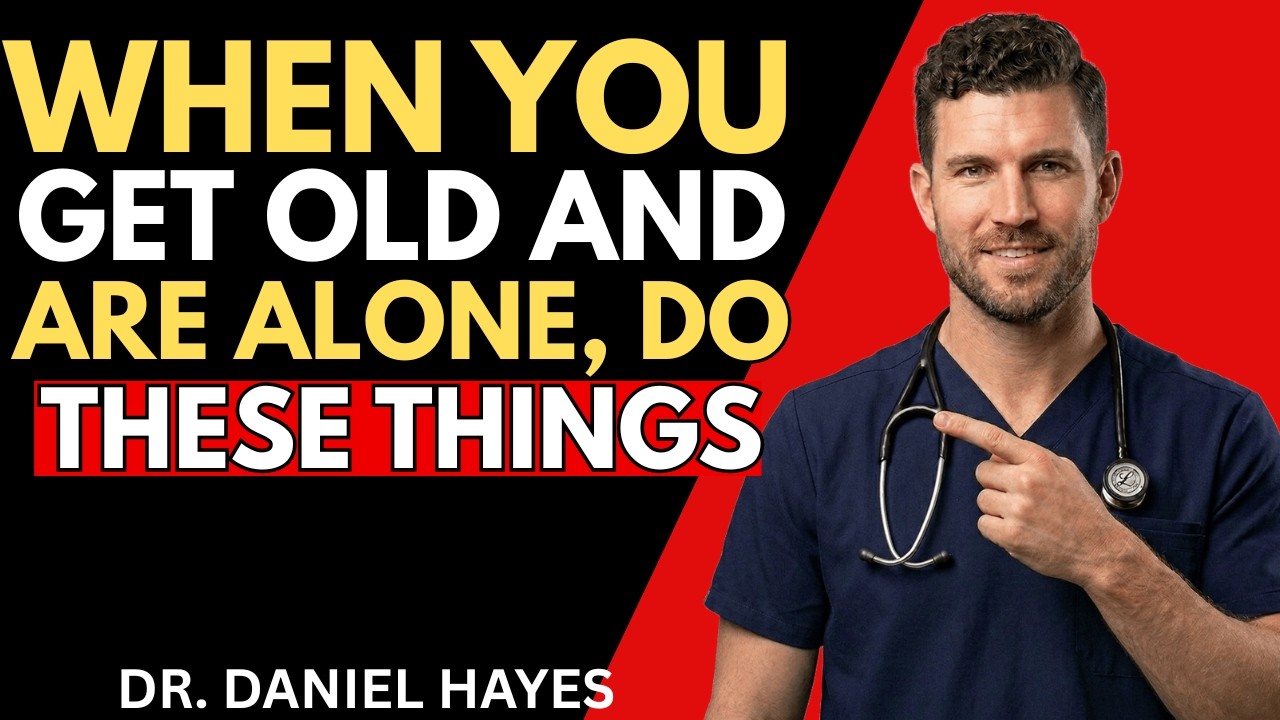
Research shows that socially isolated older adults face significantly increased health risks, including 26% higher premature death risk, 64% higher dementia risk, and 32% higher fall risk. However, these outcomes are largely preventable through six...
Special children are individuals with neurodevelopmental delays who require extra love, care, and attention to develop independence. They can be identified through four key indicators: limited eye contact, speech delays, difficulties in social interactions, and...
A sincere apology can be heard, accepted, and meant, yet still fail to rebuild trust because forgiveness (a conscious cortical decision in the prefrontal cortex) and trust (an automatic subcortical threat prediction in the amygdala)...
Memory is not a perfect recording that can be replayed, but rather a story that the brain reconstructs from nothing each time it is recalled, and this reconstruction process quietly rewrites the memory with each...
A seizure occurs when neurons in the brain suddenly lose their normal controlled signaling and begin firing erratically and uncontrollably, creating a massive electrical storm that causes involuntary body movements without the person's conscious control.
The blood-brain barrier is a single layer of endothelial cells sealed by tight junction proteins that selectively allows oxygen and glucose while blocking toxins and pathogens; however, chronic systemic inflammation from stress, poor diet, or...
Infantile amnesia occurs because three critical brain systems—the hippocampus (memory formation), language (narrative structure), and sense of self (memory anchor)—were all still developing simultaneously during early childhood, meaning the brain lacked the machinery to encode...
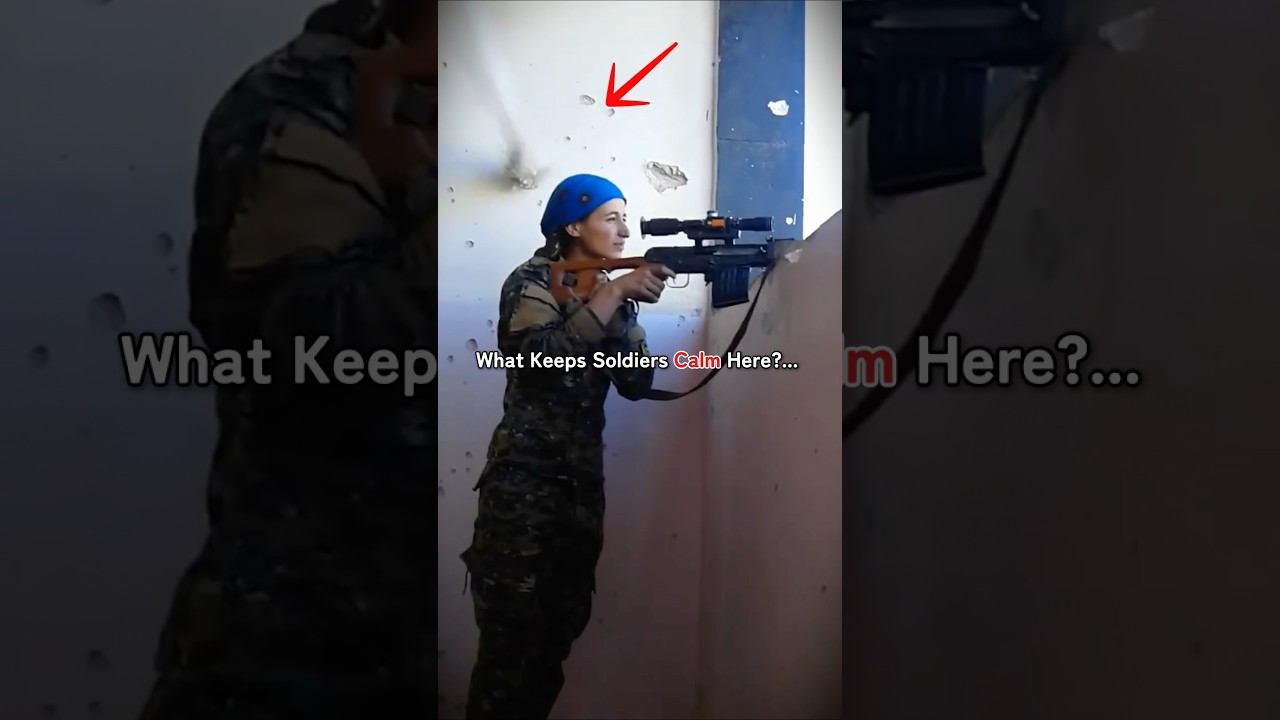
Military training rewires the brain's fear response through systematic repetition, controlled stress exposure, and gradual conditioning, enabling personnel to maintain composure during high-stress situations by transforming panic-inducing stimuli into manageable responses.
Research from the University of Pennsylvania reveals that the brain interprets physical body state as information about the world, and even minor physical changes such as posture, temperature, or grip can measurably alter decision quality,...
Extraordinary skills and talents are developed through repetitive practice, which helps the nervous system memorize movement patterns and build muscle memory over time; this scientific process transforms ordinary individuals into exceptional performers who make difficult...
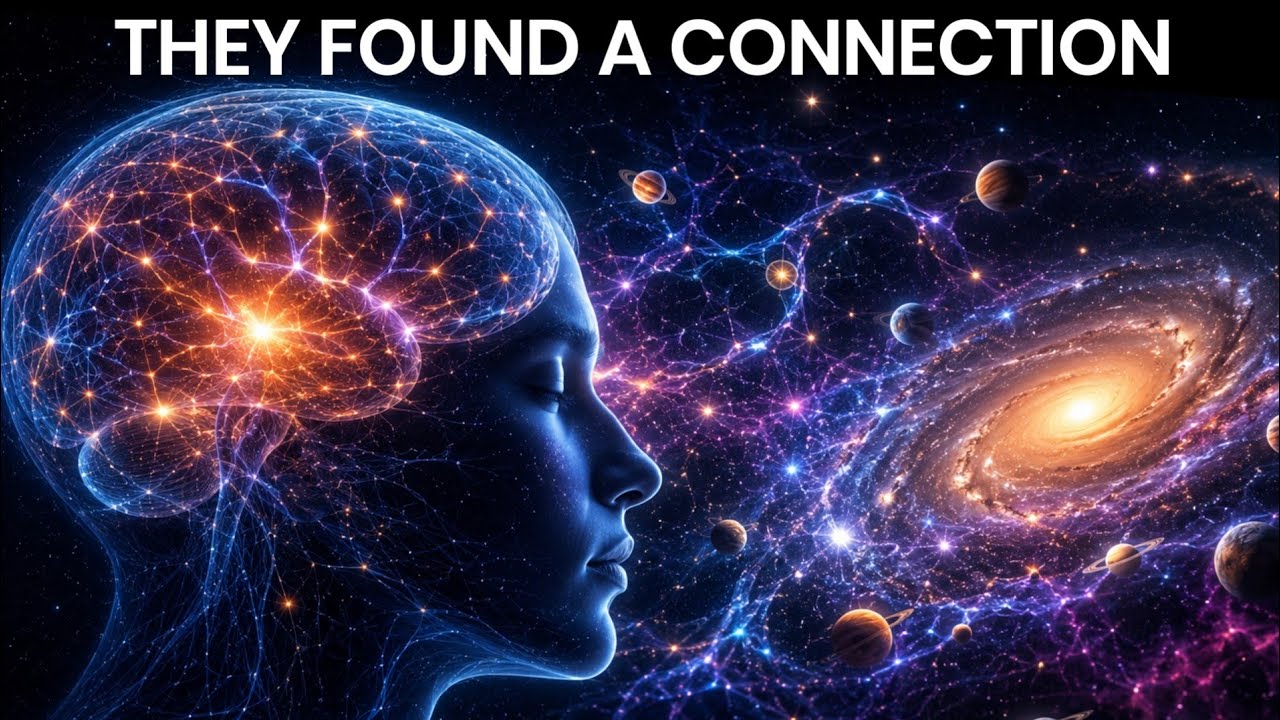
Scientists have discovered that the human brain and the universe share remarkable structural and organizational similarities, including the cosmic web of galaxies and the neural network of neurons, suggesting that both systems may be governed...
The brain possesses neuroplasticity, which enables it to heal and reorganize itself after trauma by creating new neural pathways; this process can be enhanced through mindfulness and therapy, allowing individuals to rebuild resilience and transform...
The inner voice is not a universal human trait but a learned construct that develops from childhood external speech through internalization, as demonstrated by Russell Hurlbert's 2011 beeper experiment revealing that 30% of people have...
Martin-Gruber Anastomosis is an abnormal connection of motor fibers between the median and ulnar nerves in the forearm, occurring in 5-40% of individuals (average 17%), which can cause preserved intrinsic muscle function despite ulnar nerve...
This animated educational series explores how anxiety and overthinking can interfere with sleep, demonstrating through relatable scenarios how the brain's tendency to anticipate problems can prevent restful sleep.
The amygdala, a small brain structure, processes threats in approximately 12 milliseconds—significantly faster than the conscious mind's 500 milliseconds—allowing the body to automatically release adrenaline, increase heart rate, and tense muscles before you consciously realize...
In quantum mechanics, unobserved systems remain in superposition as fields of possibility, and the act of observation collapses the wave function, determining which possibility becomes reality. This principle applies to human consciousness: when we ignore...
Fear and excitement activate nearly identical brain regions and neurotransmitters, meaning the body cannot distinguish between these emotions; this shared neural basis explains why reframing fear as excitement is effective, and why athletes use visualization...
Exposure to 40Hz gamma waves for approximately 13 minutes can help individuals achieve deep focus, with recommended practice involving 30-minute sessions followed by 7-minute breaks.
Jim 'The Anvil' Neidhart, a legendary WWE wrestler known for his immense physical strength and iconic tag team partnership with Bret Hart, was not undone by physical injuries but by chronic traumatic encephalopathy (CTE), a...
Brain cancer can significantly alter a person's personality traits, including their sense of humor and wit, demonstrating that illness affects not just physical health but also psychological and emotional characteristics.