LESSON 8 MATTER
Matter is anything that occupies space and has mass, and it exists in three states: solids have molecules that move slowly and are close together, giving them definite shape, size, and volume; liquids have molecules...
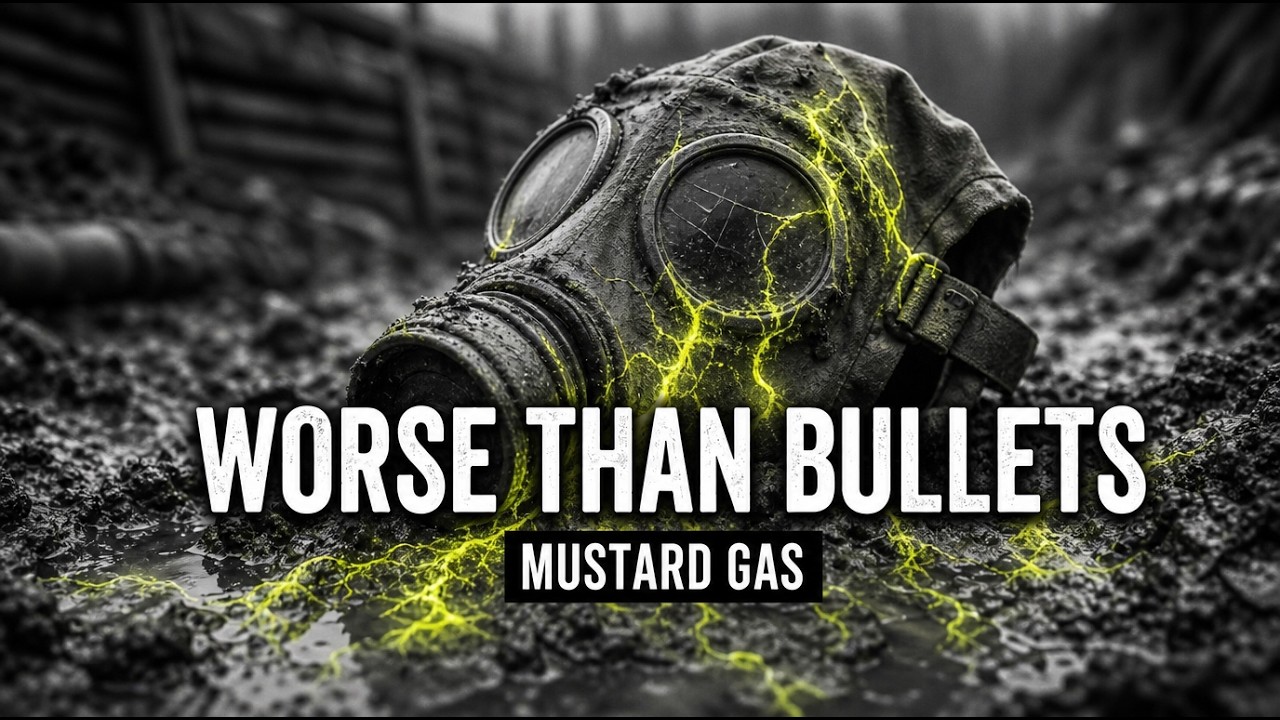
Mustard gas was strategically designed as a delayed-action chemical weapon that caused painless initial exposure, allowing soldiers to believe they were safe while the agent silently penetrated their skin and bloodstream, then systematically destroyed dividing...
Five common pool maintenance chemicals—baking soda (sodium bicarbonate), borax (sodium tetraborate), alum (aluminum sulfate), bleach (sodium hypochlorite), and washing soda (sodium carbonate)—are available at grocery stores for significantly less than pool store versions, as they...
Carbon is a versatile element that forms the basis of life and modern materials, created in stars through the triple-alpha process where three helium nuclei fuse into carbon-12, and exists in multiple allotropes including diamond...
This video teaches a systematic method to solve log and antilog problems in chemistry without calculators or log tables. The technique involves memorizing key log values (log 1=0, log 2=0.30, log 3=0.47, log 4=0.60, log...
E20 fuel, a blend of 20% ethanol and 80% petrol, offers cleaner combustion due to ethanol's oxygen content, which reduces pollutants and lowers emissions. However, ethanol contains less energy than petrol, resulting in a modest...
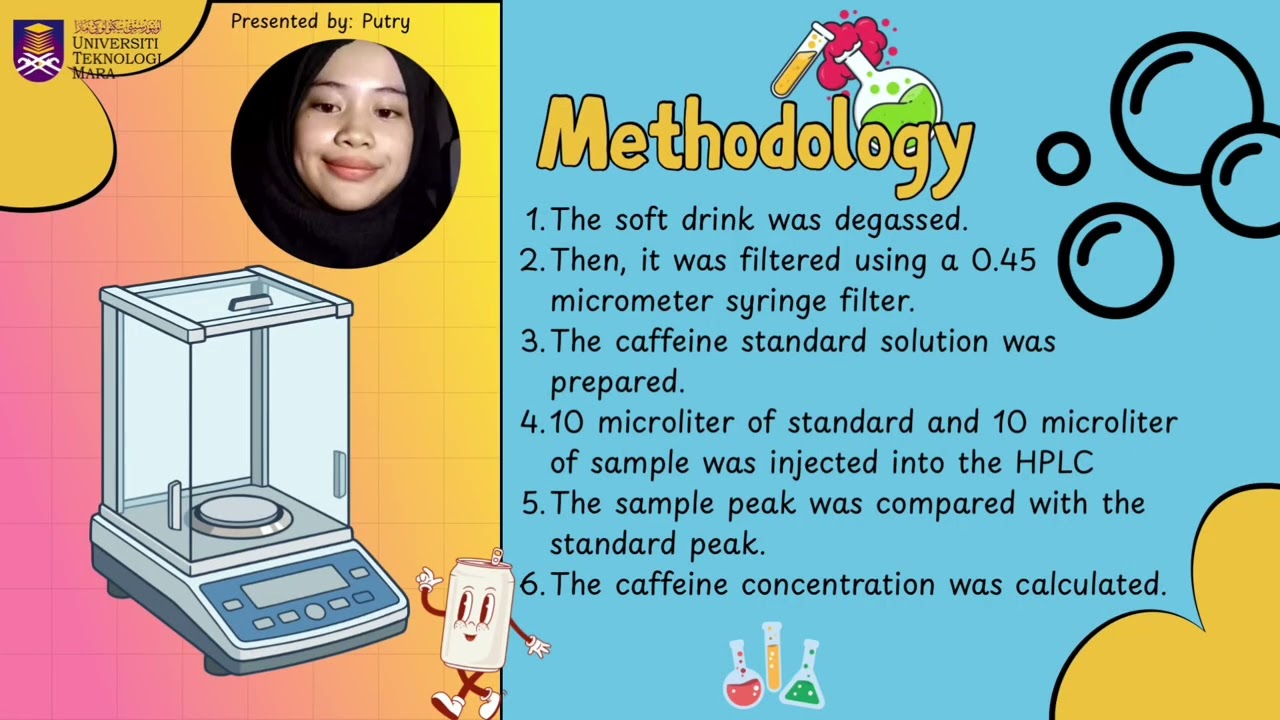
High Performance Liquid Chromatography (HPLC) is an analytical technique that separates compounds based on their differential interactions with a stationary phase and mobile phase, allowing precise quantification of substances like caffeine in beverages through peak...
Hydrogen sulfide (H2S) is a highly toxic gas with a rotten egg smell that can destroy olfactory nerves, making it dangerous because victims may lose their ability to detect it. Silver metal reacts with hydrogen...
Graphene dispersions must address three critical market needs: ease of use (no new equipment required), practicality for commercial scale, and consistent reliable performance. Water-based graphene dispersions face challenges because pristine graphene is hydrophobic and tends...
This video explains five key concepts in chemical reactions: (1) Displacement reactions occur when a more reactive element displaces a less reactive element from a compound, such as iron displacing copper from copper sulfate solution;...
This video explains how to calculate molecular volume using density and mass, demonstrating that water vapor occupies approximately 1000 times more volume than liquid water, and applies the ideal gas law (PV = nRT) to...
Isomerism in organic chemistry refers to compounds with the same molecular formula but different structural or spatial arrangements. Structural isomerism includes chain isomerism (different carbon chain arrangements), position isomerism (different positions of functional groups or...
In cold process soap making, the saponification process involves mixing lye (sodium hydroxide) with oils and fats, where the chemical reaction between lye and oils produces soap and glycerin. The mixture undergoes a phase called...
This video captures a live science tutoring session from Mr. Tutor Science Academy, where an instructor guides students through chemistry concepts including measurement units (grams, kilograms), chemical elements (hydrogen, carbon, chlorine), and scientific terminology, demonstrating...
Column efficiency in chromatography is evaluated by calculating the number of theoretical plates (N/M) using the formula N/M = 5.54 × (Ve/W1/2)² / 1000, where Ve is retention volume and W1/2 is peak width at...
This video demonstrates the first step in processing gold refining waste solutions by recovering silver chloride using the classic Salt, Lye, and Sugar method. The process involves siphoning off the nitrate solution using a vacuum...
Chromatography is an analytical technique that separates, identifies, and quantifies chemical components in a mixture based on their differential interactions with stationary and mobile phases; in food analysis, paper chromatography and HPLC can effectively separate...
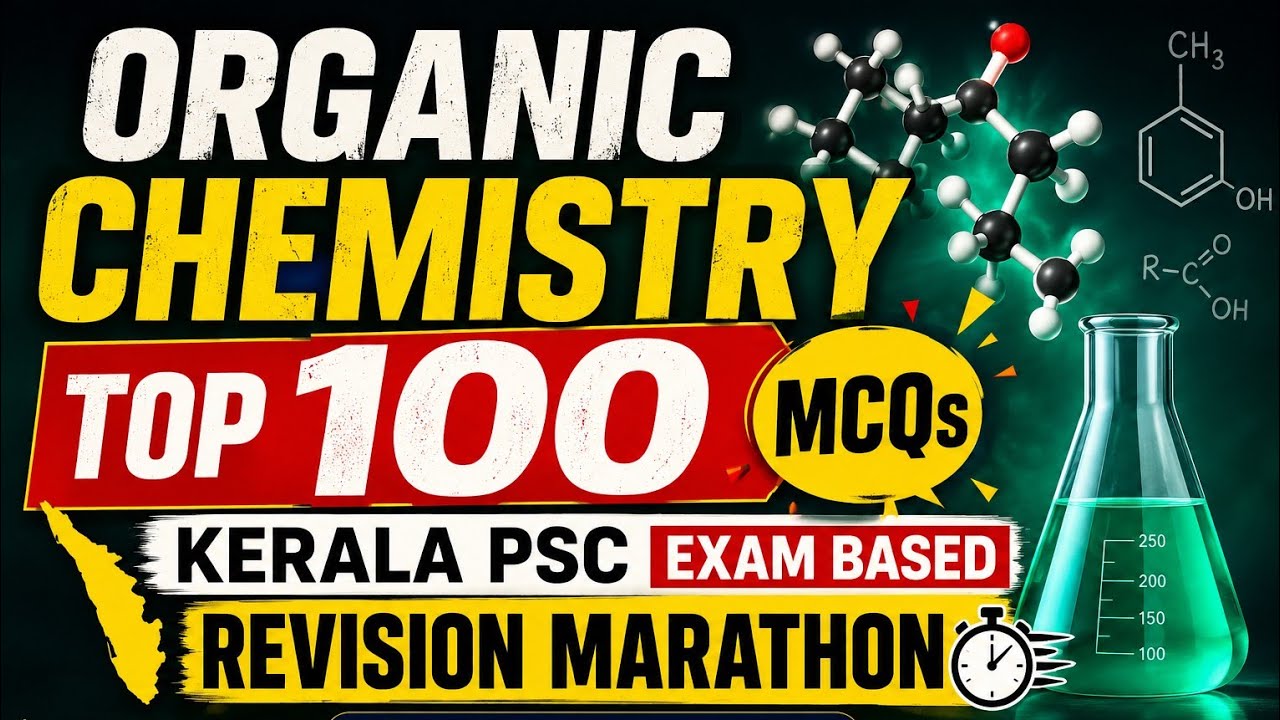
This video covers essential organic chemistry concepts including sigma and pi bonds in hydrocarbons, carbon hybridization (sp3, sp2, sp), and functional group identification. It explains separation techniques like steam distillation for essential oils, chromatography methods...
To prepare a chromatography column, inspect all glass components for damage and cleanliness, rinse with 20% ethanol to remove grease, ensure tubing is securely fastened, remove air bubbles by forcing ethanol through the net, add...
To differentiate between organic compounds containing different functional groups (aldehyde, halogen, alcohol, carboxylic acid), specific chemical tests can be used: Fehling's or Tollens' test for aldehydes (producing red precipitate or silver mirror), silver nitrate with...
Water is far more complex than the simple H2O molecule suggests, exhibiting unique properties such as expanding when freezing, reaching maximum density at 4°C, and forming dynamic hydrogen bond networks that constantly form and break....
The acidity of fruit juices, which naturally contain organic acids like citric, malic, and tartaric acid, can be accurately determined using acid-base titration with standard sodium hydroxide solution and phenolphthalein indicator; this method is essential...
VO2 max measures the maximum rate of oxygen consumption, expressed in mL per kg per minute, and can be calculated for any organism using cellular respiration principles. For an orange, scientists found it releases 12...
Soap remains mold-free for years while face cream spoils quickly because soap has two key properties that prevent microbial growth: a high pH (9-10) that is inhospitable to microbes, and very low water activity during...
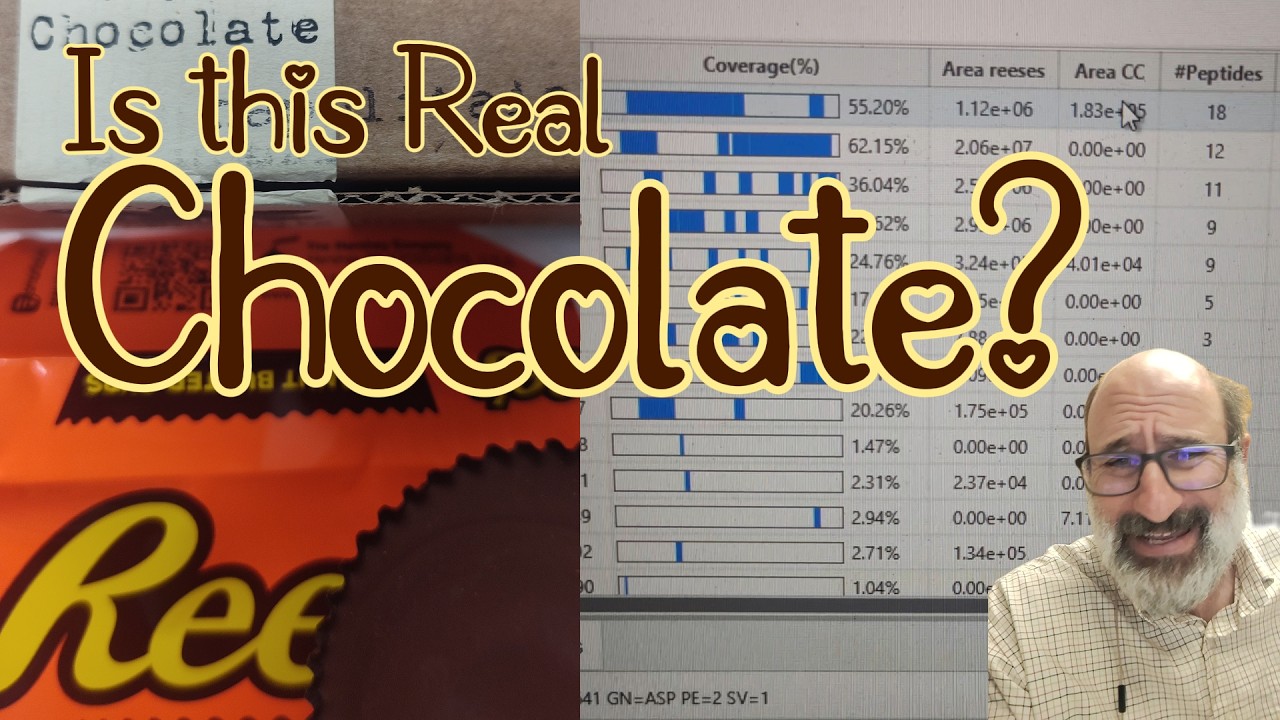
Proteomic analysis using mass spectrometry reveals that industrial chocolate production (like Reese's) involves enzymatic processing that breaks down seed storage proteins such as 2S albumin, making them undetectable, while naturally processed high-end chocolate retains these...
This video teaches efficient methods to solve solubility product (Ksp) questions for NEET and JEE exams. For 1:1 salts (like AgCl, NaCl), solubility S = √Ksp. For 1:2 or 2:1 salts (like PbCl2, Ag2CrO4), solubility...
In water electrolysis, oxidation occurs at the anode where oxygen atoms break down as metal dissolves into ionic states, while reduction occurs at the cathode where hydrogen atoms deposit with the metal, creating a charge...
Electrolysis is the process of using electrical current to drive chemical reactions in a solution, while electroplating applies this principle to deposit a thin layer of metal onto another object by connecting the object to...
Chemistry is the study of matter and its transformations, where matter (anything with mass and volume) is categorized into mixtures (homogeneous with uniform composition like solutions, or heterogeneous with visible components like suspensions) and pure...
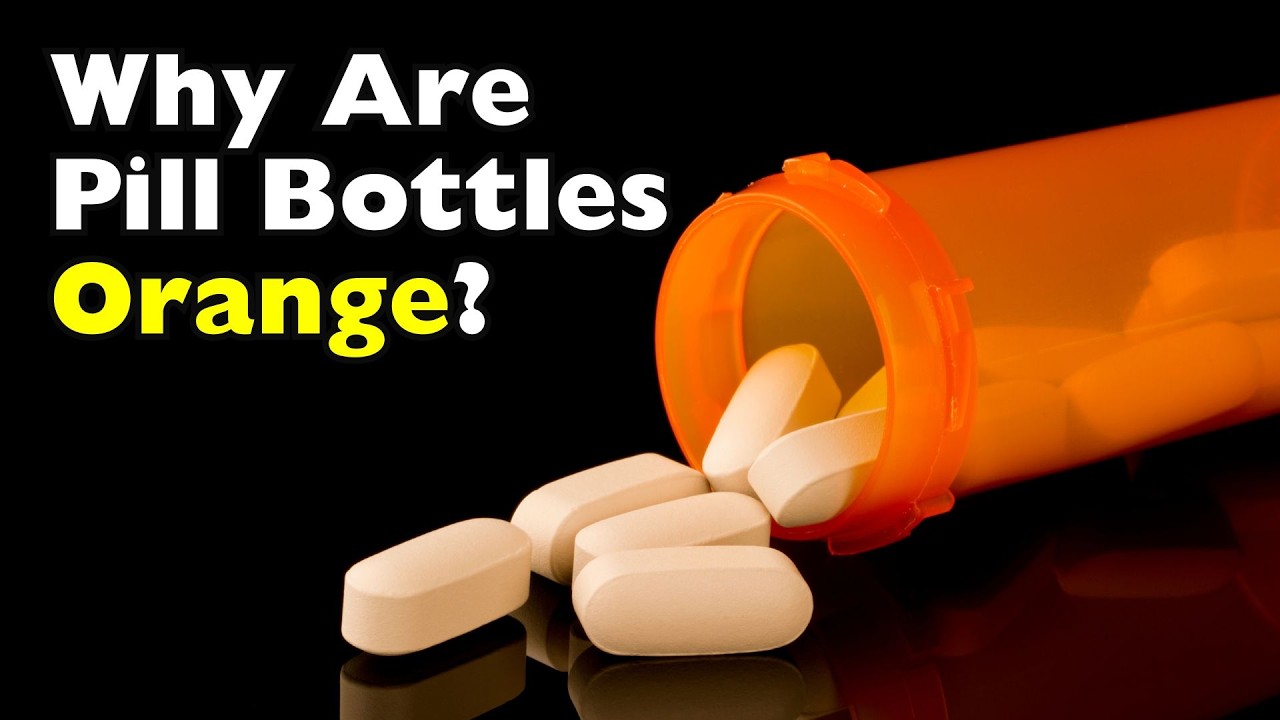
Prescription pill bottles are amber-colored primarily to protect medications from photodegradation, a process where exposure to ultraviolet and certain visible light wavelengths can break down drug ingredients, reducing effectiveness and altering chemical composition. Amber plastic...
Bases are substances that taste bitter, feel slippery, and turn red litmus paper blue; they release hydroxide ions (OH⁻) when dissolved in water. Bases are classified by strength (strong bases like NaOH and KOH ionize...
Calorimetry is a technique based on the law of conservation of energy that measures heat transfer between objects at different temperatures, allowing determination of specific heat capacities and energy changes in physical or chemical processes....
Metal-organic frameworks (MOFs) are porous materials created by stitching molecules together like Legos, where 1 gram can encompass space equivalent to a football field or more, enabling applications such as hydrogen storage for clean energy,...
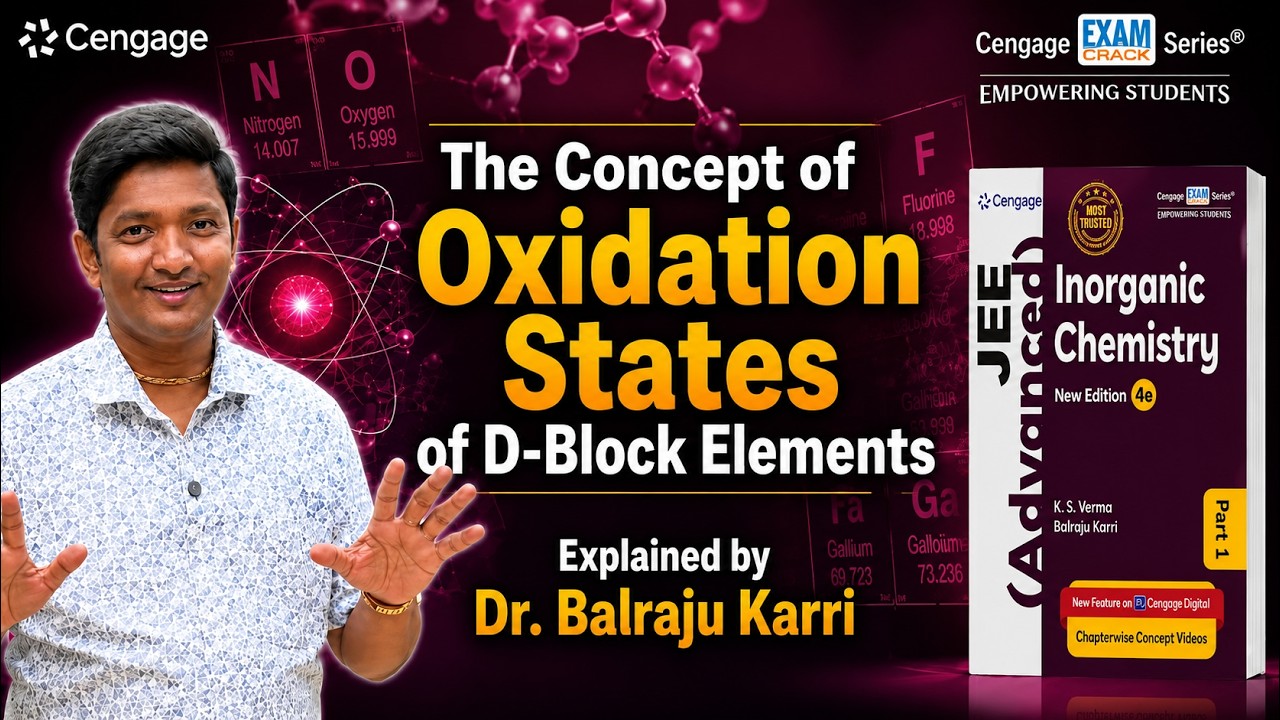
In D-block elements, the stability of higher oxidation states increases down the group (opposite to P-block trend), with osmium showing the highest oxidation state of +8 in OsO4; oxygen is more effective than fluorine in...
True soap is legally defined by the FDA as a product made primarily through saponification, where fats and oils react with an alkali to form soap salts; most popular bar and liquid cleansers are actually...
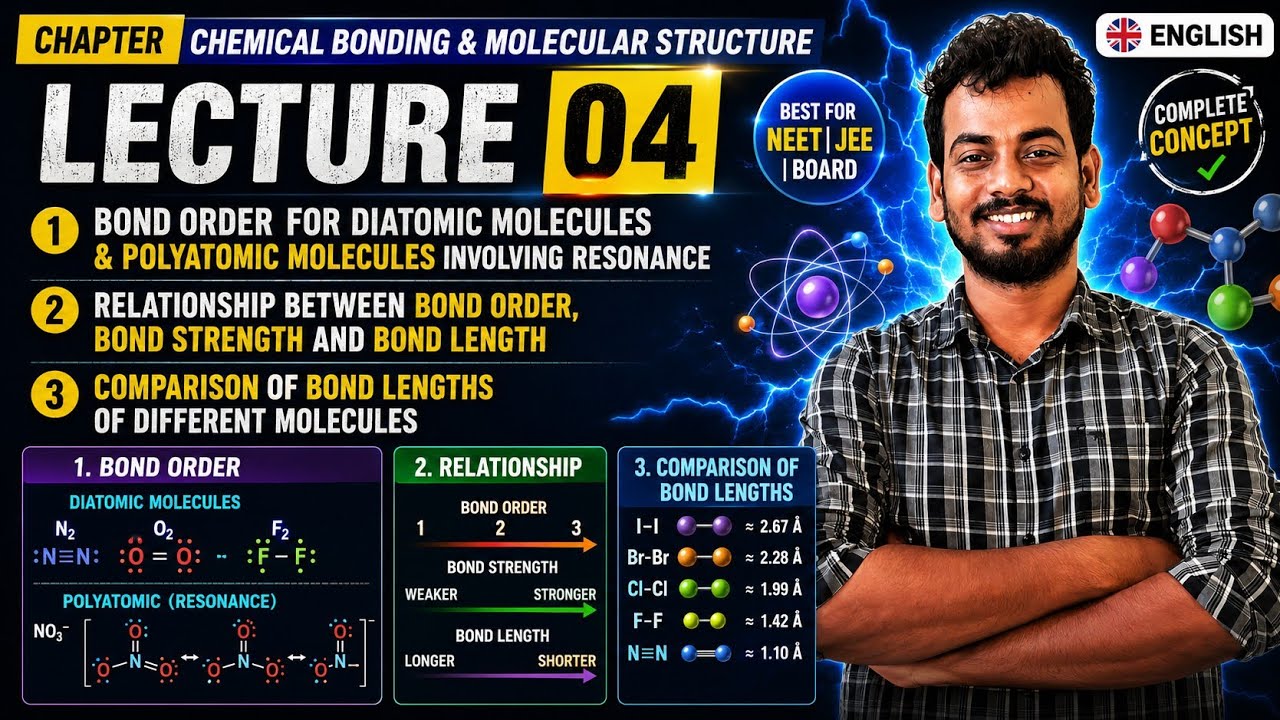
Bond order is defined as the total number of bonds between two atoms in a molecule. For diatomic molecules, bond order equals the number of bonds (H2=1, O2=2, N2=3, Cl2=1). For polyatomic molecules with resonance,...
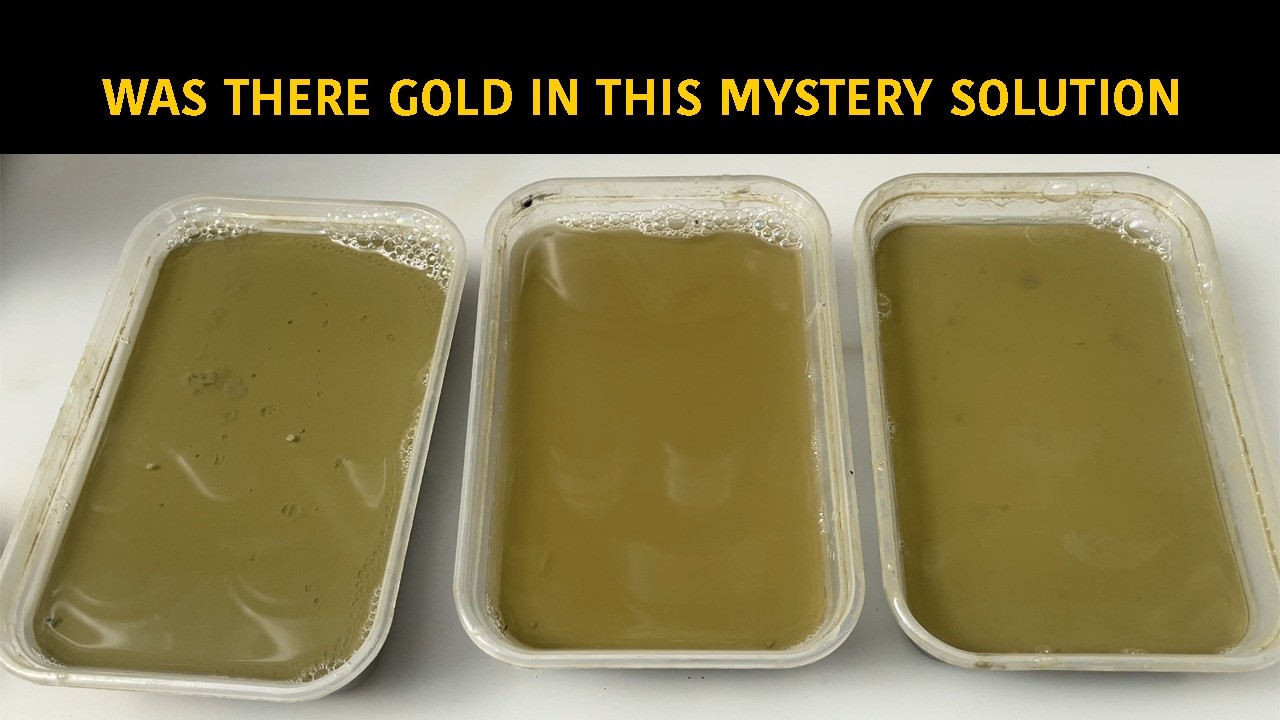
This video demonstrates a systematic gold refining process where an unknown powder sample undergoes multiple chemical treatments: initial filtration to separate solids, nitric acid dissolution to remove base metals like copper and zinc, and aqua...
This video presents important exam questions for degree chemistry students across four units: Unit 1 covers magnetic properties of block elements, transition elements, and lanthanide/actinide comparisons; Unit 2 focuses on SN1/SN2 reaction mechanisms, phenol reactions,...
In 1860, French chemist Marcellin Berthelot published 'Chimie Organique Fondée sur la Synthèse', arguing that living and non-living matter obey the same physical laws and that there is no life force or vital principle. This...
The instantaneous rate of reaction measures the reaction speed at a specific moment by calculating the slope of the concentration-time graph at that point, expressed as Rate = -1/a × d[A]/dt = +1/b × d[B]/dt...