Reactions of Acids
Acids are substances that donate H+ ions (protons), while bases accept H+ ions; alkalis are a subset of bases that release hydroxide ions in solution. Salts are formed when hydrogen ions in acids are replaced...
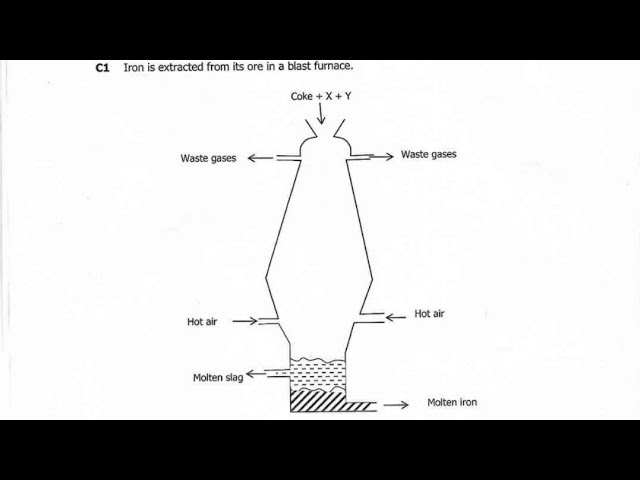
Iron is extracted from its ore (hematite or magnetite) in a blast furnace using three materials: coke, iron ore, and limestone. The reducing agent carbon monoxide is produced when coke reacts with oxygen from hot...
Cyanide is a family of compounds containing a carbon-nitrogen bond that is deadly because it blocks cytochrome c oxidase in mitochondria, preventing cells from using oxygen for energy production; despite its fearsome reputation from crimes...
This video provides a complete walkthrough of Section B of the 2024 GCE Chemistry Paper 2, covering key topics including laboratory safety (identifying flammable chemicals and appropriate handling rules), particle theory (diffusion and kinetic theory...
Large-scale wineries produce millions of bottles daily through a systematic industrial process that includes grape crushing, temperature-controlled fermentation, quality monitoring via sensors and chromatography, and automated bottling, with technicians continuously monitoring parameters like Brix levels,...
This video teaches essential chemistry concepts including the Lucas test (using concentrated HCl with ZnCl2 to differentiate primary, secondary, and tertiary alcohols by turbidity appearance), Victor-Mayor test (using iodine, phosphorus, nitrous acid, and KOH to...
The Haber process industrially produces ammonia (NH3) through the reversible reaction N2 + 3H2 ⇌ 2NH3, requiring high pressure (200+ atmospheres) and moderate temperature (~450°C) to maximize yield. In organic chemistry, compounds are classified by...
This video provides comprehensive revision for GCE Chemistry Paper 2, covering essential topics including atomic structure and periodic table trends (elements in group 1 increase reactivity down the group, group 7 increase up the group),...
In chemistry, a more reactive metal can displace a less reactive metal from its compound in a displacement reaction; by analyzing which metals react with which compounds, students can determine the relative reactivity order of...
This video covers the comprehensive chemistry of alcohols and phenols, including preparation methods (dehydration, hydration, reduction with LiAlH4, and nucleophilic addition), chemical properties (acidity, reaction with active metals, PX3, HX, and Lucas test for classification),...
This comprehensive chemistry lesson covers essential topics including the mole concept for calculating gas volumes and reaction yields, periodic table trends showing metallic character increases down groups and from right to left, separation techniques like...
Alcohols belong to a homologous series with the general formula CnH2n+1OH, characterized by the hydroxyl functional group (OH). The complete combustion of alcohols produces carbon dioxide and water, and compounds with more carbon atoms have...
This video demonstrates the highly reactive nature of sodium, showing that when sodium is placed in certain substances, it can cause explosive reactions, illustrating the dangerous properties of alkali metals.
The number of valence electrons in an atom's outermost shell determines its electrical conductivity: materials with 1-3 valence electrons (like copper with 1) are good conductors because electrons can be easily transferred, while materials with...

Thin Layer Chromatography (TLC) is a separation technique that separates compounds based on their differential interactions with a stationary phase (silica gel or alumina coated on a plate) and a mobile phase (solvent moving via...
Reactive materials are substances that can undergo chemical reactions with other substances, often producing heat, light, gas, or explosions when they come into contact with air, water, or other chemicals. Proper handling requires wearing safety...
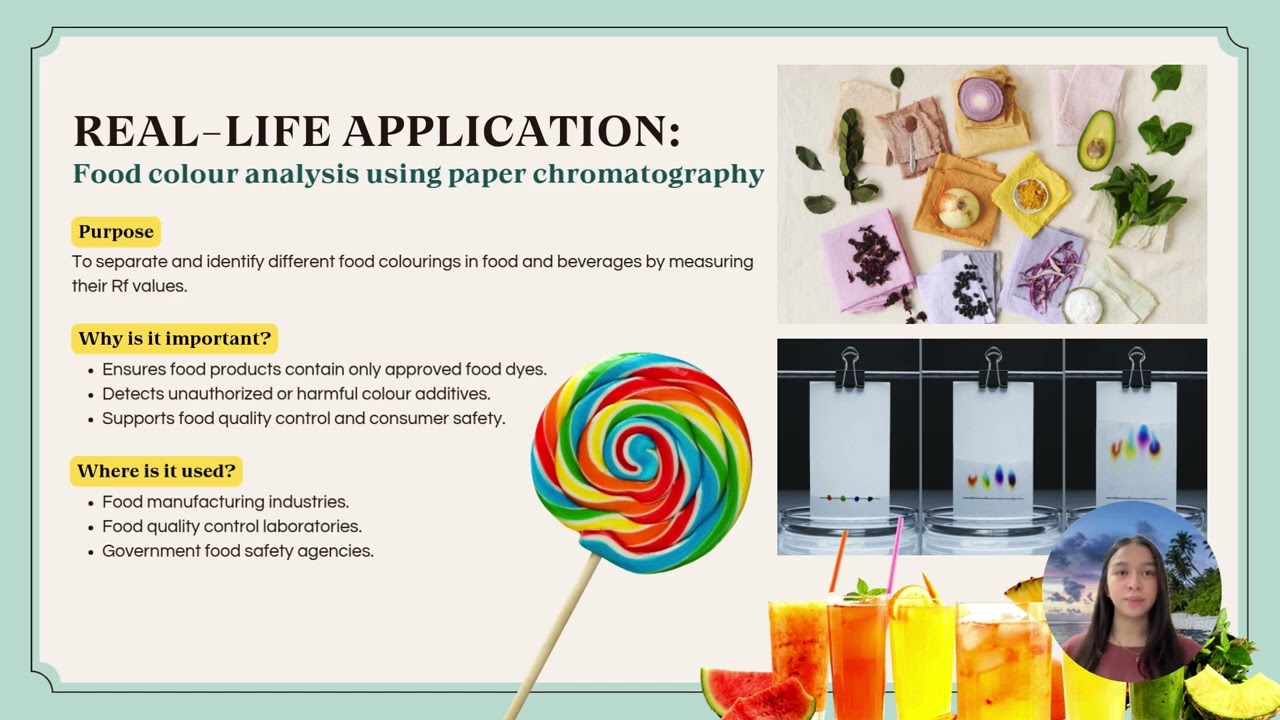
Chromatography is an analytical technique that separates, identifies, and quantifies components in a mixture through three steps: separation (untangling complex samples into pure compounds), identification (determining what chemical or nutrient is present), and quantification (measuring...
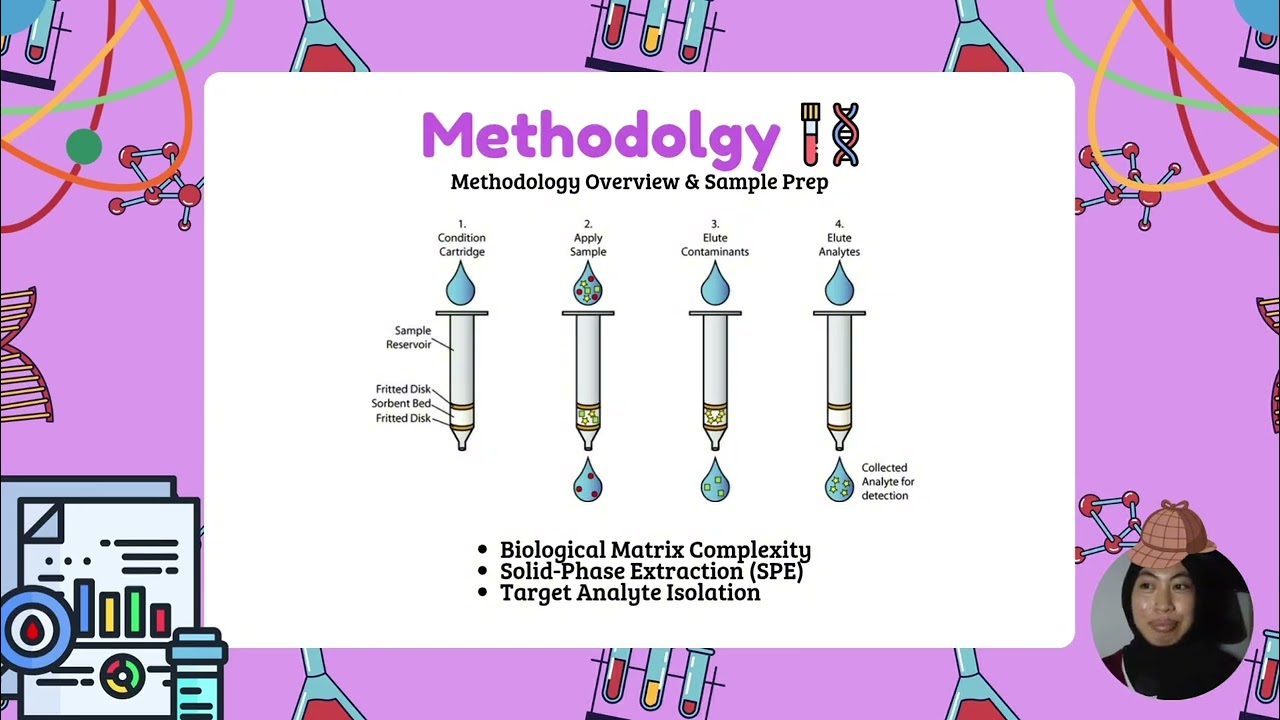
Chromatography is an analytical technique that separates, identifies, and analyzes components of complex mixtures based on differential interactions between a stationary phase and a mobile phase, making it essential in forensic science for detecting drugs,...
Carboxylic acids can be converted to various acid derivatives (acid chlorides, anhydrides, esters, amides) through condensation reactions where water or other small molecules are eliminated; acid chlorides are the most reactive derivatives and serve as...
Lattice energy is the energy released when gaseous ions combine to form one mole of solid ionic compound, and it is directly proportional to the product of ionic charges and inversely proportional to ionic size....
Oxygen is not merely a gas we breathe but a fundamental structural component of Earth's physical systems, including water molecules, atmospheric pressure, rock and soil composition, and building materials; its sudden removal would cause immediate...
This video provides comprehensive solutions to NECO 2026 Chemistry theory questions, covering key concepts including the pH scale (where 7 is neutral, values below 7 are acidic, and values above 7 are basic), molarity calculations...
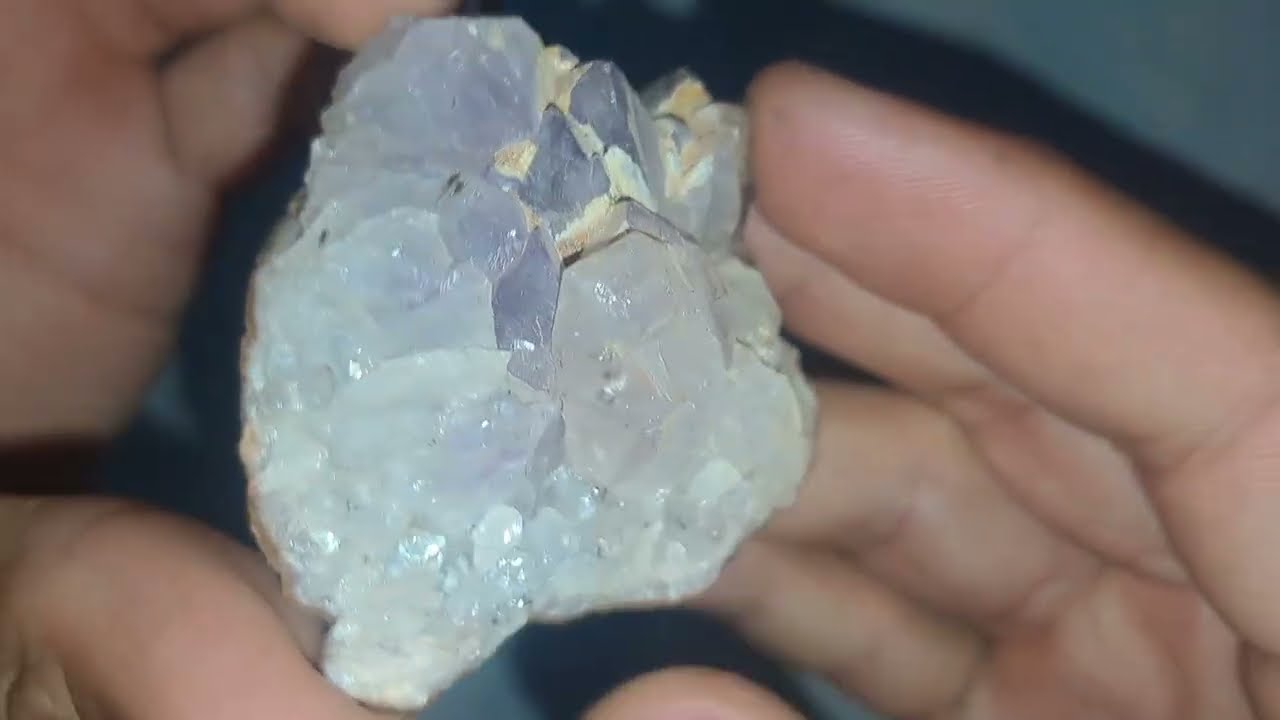
Raw amethyst is a purple variety of quartz that forms deep underground in volcanic rock cavities over millions of years, where mineral-rich water deposits silica layer by layer, creating crystals with a glassy luster, six-sided...
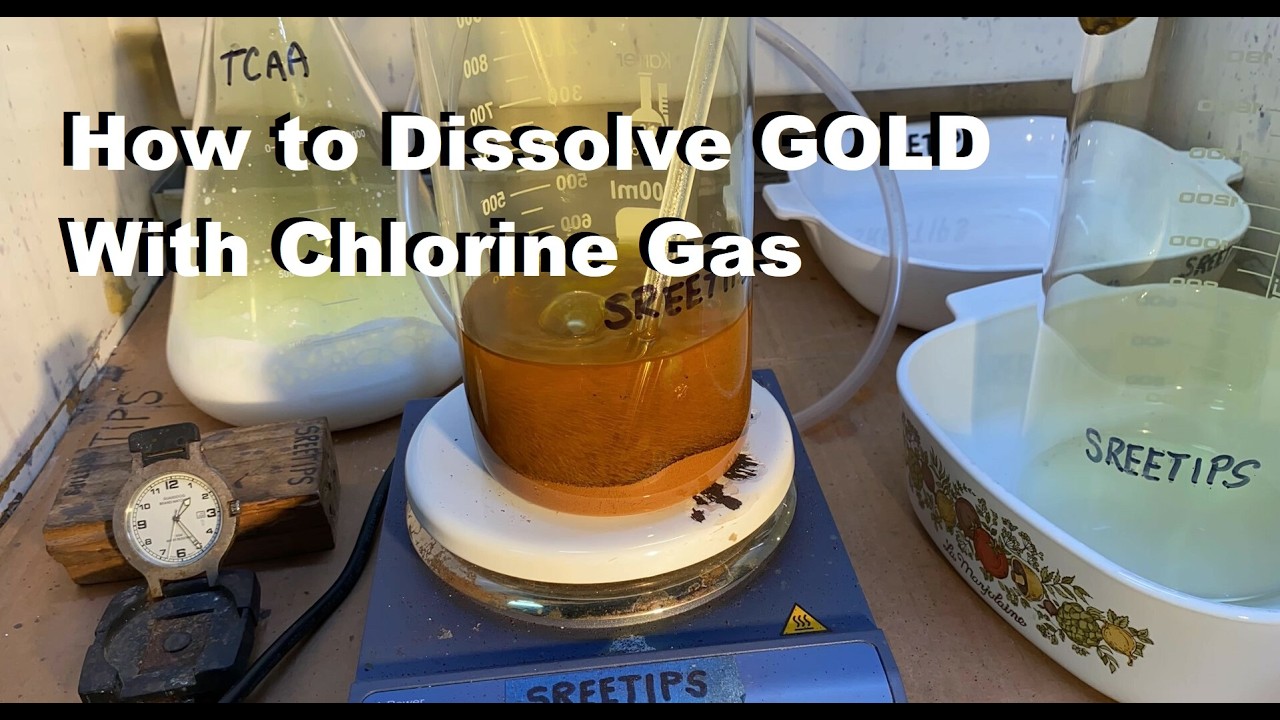
Gold can be dissolved using chlorine gas generated from chlorine tablets in a gas generator bottle, which is bubbled through a hydrochloric acid solution containing gold; this method effectively dissolves gold while allowing for subsequent...
Chemical reactions are processes where substances undergo changes in their chemical nature, characterized by observable indicators such as color change, gas evolution, temperature change, and state change. A chemical equation represents a reaction using chemical...
Quantum chemistry explains that electrons behave as probability waves rather than fixed particles, existing in orbitals around atomic nuclei; this wave-particle duality, demonstrated through the double-slit experiment, determines how atoms bond through overlapping electron clouds,...
Matter is anything that occupies space and has mass, existing in different states (solid, liquid, gas, plasma, Bose-Einstein condensate) based on particle arrangement and interparticle forces; matter is composed of atoms and molecules, with elements...
Quantum numbers (principal n, azimuthal l, magnetic m, and spin s) define electron positions and energies in atoms, with n indicating shells (1,2,3...), l determining subshell shapes (s=0 spherical, p=1 dumbbell, d=2 double dumbbell), m...
This video provides a comprehensive revision guide for B.Sc. Semester 4 Chemistry exam at Shekhawati University (PDUSU), covering key topics including Valence Bond Theory (VBT) and Crystal Field Theory (CFT) for understanding coordination compounds, Curie...
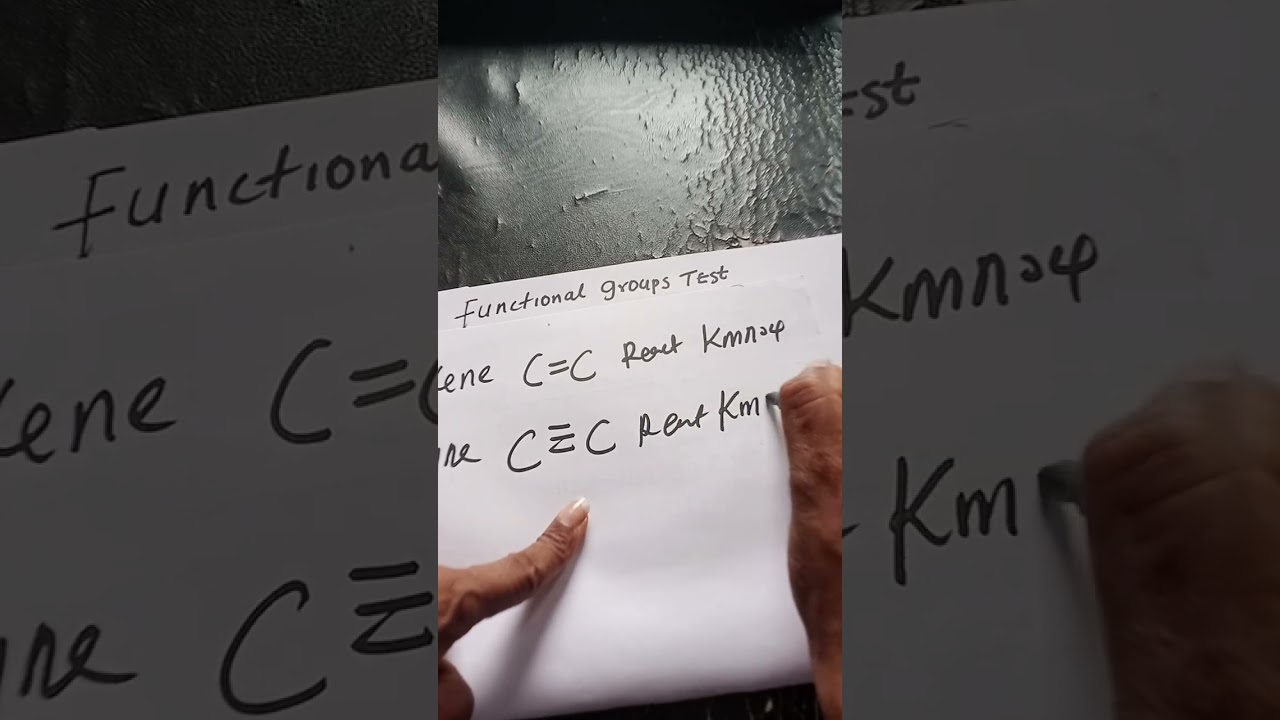
Organic compounds can be identified by their functional groups using specific chemical tests: alkanes show no reaction with KMnO4 (Baeyer test) or bromine water, while alkenes and alkynes both react with these reagents causing decolorization;...
Gunpowder is not merely a simple mixture of three ingredients (saltpeter, charcoal, and sulfur) but requires sophisticated industrial manufacturing to produce consistent, reliable explosive grains. The process involves refining raw materials, transforming wood into carefully...
Volumetric analysis (titration) is a quantitative method that determines the concentration of an unknown solution by measuring the volume of a standard solution needed for complete reaction. In this experiment, acetic acid in vinegar is...
This video demonstrates how to calculate molarity, molality, and mole fraction for aqueous solutions when given mass percentage and density. The instructor explains that for a 20% w/w potassium iodide solution with density 1.292 g/mL,...
Potassium bromate, a flour additive that creates elasticity and extends shelf life, has been banned in over 24 countries including the EU (1990), Canada (1994), and China (2005) due to its classification as a Group...
This video demonstrates chemical tests for identifying organic functional groups: silver nitrate solution produces yellow/white precipitate for alkyl halides; Lucas reagent (zinc chloride + concentrated HCl) distinguishes alkyl halides by reaction time (immediate turbidity for...
Cyclorphine is a newly emerging synthetic opioid that has appeared on Ohio streets, belonging to a class of compounds called orphines; it is more powerful and deadly than fentanyl, can kill even when naloxone is...
Stoichiometry is the branch of chemistry that deals with quantitative relationships between reactants and products in chemical reactions, involving key concepts such as the mole concept (6.02 × 10^23 particles per mole), limiting reactant (the...
A reaction mechanism is the step-by-step sequence of elementary reactions showing how reactant bonds break and product bonds form, including electron movement via curly arrows. Substitution reactions involve replacing atoms or groups in organic molecules,...
Chromatography is an analytical technique that separates, identifies, and analyzes chemical substances in mixtures based on their polarity differences, where polar compounds interact more strongly with the stationary phase and move slower, while less polar...
Gel nail polish allergies are primarily caused by methacrylates, particularly HEMA (2-hydroxyethyl methacrylate), which can penetrate the skin barrier when uncured and trigger lifelong contact dermatitis; proper curing with the correct wavelength and intensity is...